«
Germany

Baden
Baden
Baden
Sun-Soaked Southern Strip
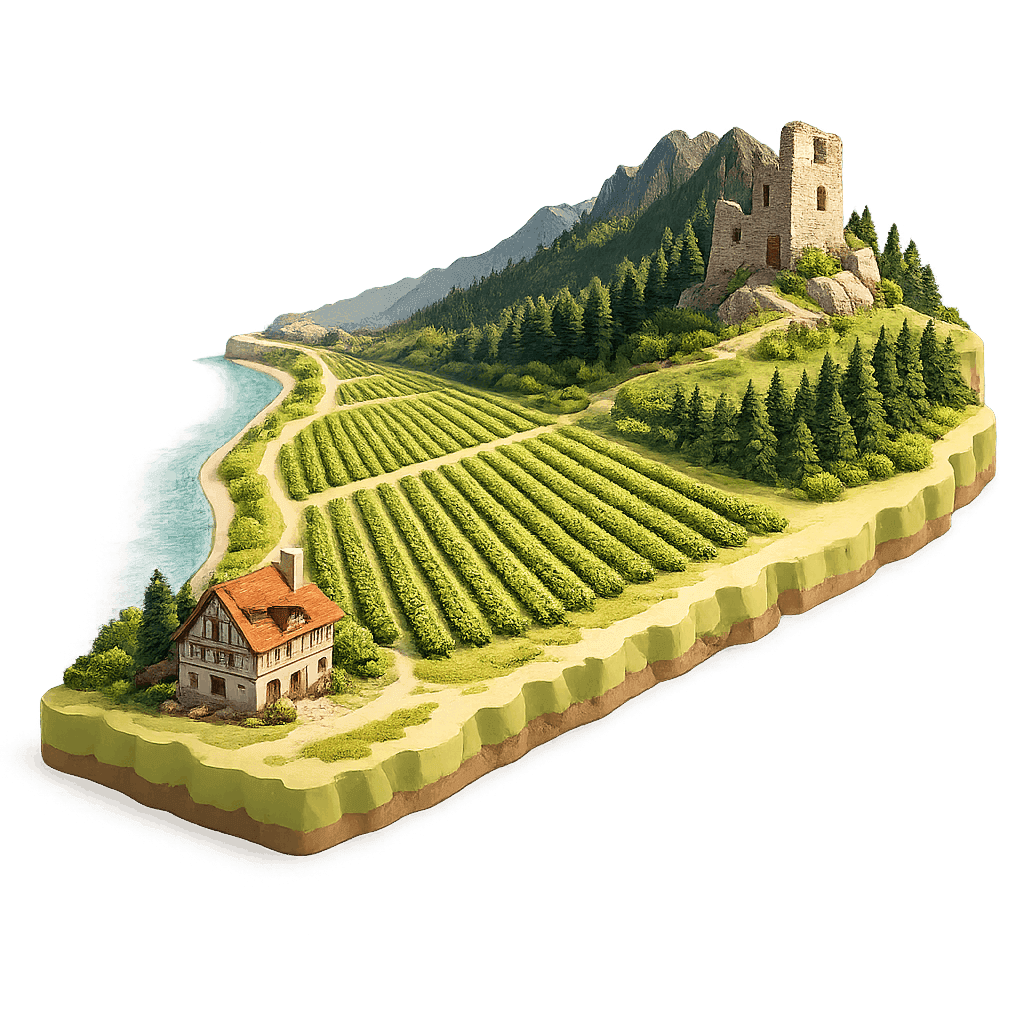
Stretching endlessly along the French border, this is where Germans go when they want to pretend they are in the Mediterranean. It is the warmest spot in the country and Pinot Noir absolutely loves it here.
Stretching endlessly along the French border, this is where Germans go when they want to pretend they are in the Mediterranean. It is the warmest spot in the country and Pinot Noir absolutely loves it here.
Stretching endlessly along the French border, this is where Germans go when they want to pretend they are in the Mediterranean. It is the warmest spot in the country and Pinot Noir absolutely loves it here.
LEADERS




HELPERS

















Why it's unique
Zone B
Volcanic heat
Burgundy rival
While the rest of Germany shivers in Zone A, Baden chills in Zone B, putting it climatically on par with Champagne and the Loire. This extra heat allows Spätburgunder to ripen into something rich and structured rather than lean and mean. It is basically the German answer to Burgundy, complete with extinct volcanoes and serious red wines that will make you rethink your Riesling prejudices.
While the rest of Germany shivers in Zone A, Baden chills in Zone B, putting it climatically on par with Champagne and the Loire. This extra heat allows Spätburgunder to ripen into something rich and structured rather than lean and mean. It is basically the German answer to Burgundy, complete with extinct volcanoes and serious red wines that will make you rethink your Riesling prejudices.
While the rest of Germany shivers in Zone A, Baden chills in Zone B, putting it climatically on par with Champagne and the Loire. This extra heat allows Spätburgunder to ripen into something rich and structured rather than lean and mean. It is basically the German answer to Burgundy, complete with extinct volcanoes and serious red wines that will make you rethink your Riesling prejudices.
Terroir
400km length
Volcanic rock
Diverse soils
Imagine a 400-kilometer mood ring of soil types. Since the region is so long, the ground changes constantly. You find heat-retaining volcanic rock in the Kaiserstuhl which acts like a radiator for the roots, while other spots offer heavy clay and loess. This geological buffet means Spätburgunder takes on wildly different personalities depending on which specific patch of dirt it calls home.
Imagine a 400-kilometer mood ring of soil types. Since the region is so long, the ground changes constantly. You find heat-retaining volcanic rock in the Kaiserstuhl which acts like a radiator for the roots, while other spots offer heavy clay and loess. This geological buffet means Spätburgunder takes on wildly different personalities depending on which specific patch of dirt it calls home.
Imagine a 400-kilometer mood ring of soil types. Since the region is so long, the ground changes constantly. You find heat-retaining volcanic rock in the Kaiserstuhl which acts like a radiator for the roots, while other spots offer heavy clay and loess. This geological buffet means Spätburgunder takes on wildly different personalities depending on which specific patch of dirt it calls home.
You gotta try
Oak-aged Spätburgunder
Lush Grauburgunder
Kaiserstuhl reds
Don't overthink this one - you are here for Spätburgunder. Look for a bottle from the Kaiserstuhl area where oak aging adds spicy, chocolaty layers to the fruit. If red isn't your jam, Grauburgunder here is lush, nutty, and has enough body to wrestle a schnitzel to the ground. It is wine that actually hugs you back instead of slapping you with acidity.
Don't overthink this one - you are here for Spätburgunder. Look for a bottle from the Kaiserstuhl area where oak aging adds spicy, chocolaty layers to the fruit. If red isn't your jam, Grauburgunder here is lush, nutty, and has enough body to wrestle a schnitzel to the ground. It is wine that actually hugs you back instead of slapping you with acidity.
Don't overthink this one - you are here for Spätburgunder. Look for a bottle from the Kaiserstuhl area where oak aging adds spicy, chocolaty layers to the fruit. If red isn't your jam, Grauburgunder here is lush, nutty, and has enough body to wrestle a schnitzel to the ground. It is wine that actually hugs you back instead of slapping you with acidity.
LOCAL TALES
The Monster Barrel
The Monster Barrel
The Monster Barrel
Everyone loves big bottles, but Prince Elector Karl Theodor took it too far in 1751. He commissioned the Heidelberg Tun, a wine barrel so absurdly massive it holds over 200,000 liters. It was built from 130 oak trees and has a dance floor on top. The cellar's spiritual guardian is Perkeo, an earlier court jester famous for drinking massive quantities without falling over. Legend says he lived happily on wine until he mistakenly drank a glass of water, which allegedly killed him. It captures the region's jovial spirit perfectly.
Everyone loves big bottles, but Prince Elector Karl Theodor took it too far in 1751. He commissioned the Heidelberg Tun, a wine barrel so absurdly massive it holds over 200,000 liters. It was built from 130 oak trees and has a dance floor on top. The cellar's spiritual guardian is Perkeo, an earlier court jester famous for drinking massive quantities without falling over. Legend says he lived happily on wine until he mistakenly drank a glass of water, which allegedly killed him. It captures the region's jovial spirit perfectly.
Everyone loves big bottles, but Prince Elector Karl Theodor took it too far in 1751. He commissioned the Heidelberg Tun, a wine barrel so absurdly massive it holds over 200,000 liters. It was built from 130 oak trees and has a dance floor on top. The cellar's spiritual guardian is Perkeo, an earlier court jester famous for drinking massive quantities without falling over. Legend says he lived happily on wine until he mistakenly drank a glass of water, which allegedly killed him. It captures the region's jovial spirit perfectly.
Drinking a Volcano
Drinking a Volcano
Drinking a Volcano
The Kaiserstuhl district looks like a weird lump rising out of the Rhine plain because it is actually an extinct volcano. Millions of years ago, this place was spewing lava, but today those cooled volcanic rocks act as natural heaters. They absorb the sun's intense rays during the day and radiate warmth back onto Spätburgunder at night. This natural underfloor heating system is why the wines here have such distinct smoky power. It is quite literally the hottest real estate in German viticulture, giving the vines a warm bath of infrared energy even after the sun goes down.
The Kaiserstuhl district looks like a weird lump rising out of the Rhine plain because it is actually an extinct volcano. Millions of years ago, this place was spewing lava, but today those cooled volcanic rocks act as natural heaters. They absorb the sun's intense rays during the day and radiate warmth back onto Spätburgunder at night. This natural underfloor heating system is why the wines here have such distinct smoky power. It is quite literally the hottest real estate in German viticulture, giving the vines a warm bath of infrared energy even after the sun goes down.
The Kaiserstuhl district looks like a weird lump rising out of the Rhine plain because it is actually an extinct volcano. Millions of years ago, this place was spewing lava, but today those cooled volcanic rocks act as natural heaters. They absorb the sun's intense rays during the day and radiate warmth back onto Spätburgunder at night. This natural underfloor heating system is why the wines here have such distinct smoky power. It is quite literally the hottest real estate in German viticulture, giving the vines a warm bath of infrared energy even after the sun goes down.
The Administrative Anomaly
The Administrative Anomaly
The Administrative Anomaly
European bureaucrats love categorizing things, and they split wine regions into climate zones A, B, and C. Germany is almost entirely Zone A, which means "cold and needs help ripening." But Baden is the rebellious outlier. Because it gets so much sunshine, the EU tossed it into Zone B along with Champagne and the Loire Valley. This isn't just a fun trivia fact - it means the grapes naturally reach higher sugar levels and alcohol content. While northern winemakers pray for sun, Baden growers are often worrying about their grapes getting a sunburn or producing wine that is too strong.
European bureaucrats love categorizing things, and they split wine regions into climate zones A, B, and C. Germany is almost entirely Zone A, which means "cold and needs help ripening." But Baden is the rebellious outlier. Because it gets so much sunshine, the EU tossed it into Zone B along with Champagne and the Loire Valley. This isn't just a fun trivia fact - it means the grapes naturally reach higher sugar levels and alcohol content. While northern winemakers pray for sun, Baden growers are often worrying about their grapes getting a sunburn or producing wine that is too strong.
European bureaucrats love categorizing things, and they split wine regions into climate zones A, B, and C. Germany is almost entirely Zone A, which means "cold and needs help ripening." But Baden is the rebellious outlier. Because it gets so much sunshine, the EU tossed it into Zone B along with Champagne and the Loire Valley. This isn't just a fun trivia fact - it means the grapes naturally reach higher sugar levels and alcohol content. While northern winemakers pray for sun, Baden growers are often worrying about their grapes getting a sunburn or producing wine that is too strong.
SUB-REGIONS
Kaiserstuhl
(
Baden
)
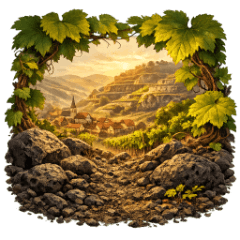
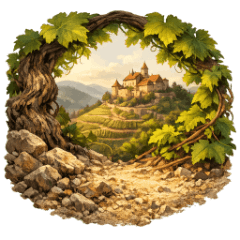
Germany usually gets typed as a fridge, but this extinct volcano acts like a massive solar panel. It gets incredibly toasty here, allowing red wines to ripen so well you might think you teleported to France.
Germany usually gets typed as a fridge, but this extinct volcano acts like a massive solar panel. It gets incredibly toasty here, allowing red wines to ripen so well you might think you teleported to France.
Ortenau
(
Baden
)
Located just south of Baden-Baden, this stretch of land feels like the Black Forest decided to take a dip in wine. It stands distinct from the rest of Baden because here, Riesling shares the throne with Pinot Noir.
Located just south of Baden-Baden, this stretch of land feels like the Black Forest decided to take a dip in wine. It stands distinct from the rest of Baden because here, Riesling shares the throne with Pinot Noir.
LOCAL WINE STYLES
German Riesling
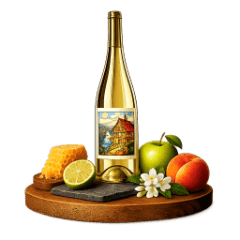
Imagine biting into a crisp green apple while sliding down a slate mountain. This style balances razor-sharp acidity with varying levels of sweetness, creating a tension that vibrates on your tongue like a plucked guitar string.
Imagine biting into a crisp green apple while sliding down a slate mountain. This style balances razor-sharp acidity with varying levels of sweetness, creating a tension that vibrates on your tongue like a plucked guitar string.
Imagine biting into a crisp green apple while sliding down a slate mountain. This style balances razor-sharp acidity with varying levels of sweetness, creating a tension that vibrates on your tongue like a plucked guitar string.
German Spätburgunder
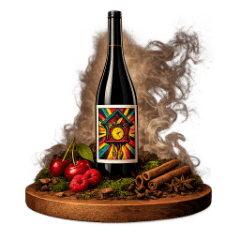
Forget everything you thought you knew about this region being only for sweet white wines. This red is proof that climate change and serious ambition have created a worthy rival to French classics, delivering earthiness and spice.
Forget everything you thought you knew about this region being only for sweet white wines. This red is proof that climate change and serious ambition have created a worthy rival to French classics, delivering earthiness and spice.
Forget everything you thought you knew about this region being only for sweet white wines. This red is proof that climate change and serious ambition have created a worthy rival to French classics, delivering earthiness and spice.
LATEST REVIEWS