«
Baden
,
Germany

Kaiserstuhl
Volcanic Heat Trap
Germany usually gets typed as a fridge, but this extinct volcano acts like a massive solar panel. It gets incredibly toasty here, allowing red wines to ripen so well you might think you teleported to France.
Germany usually gets typed as a fridge, but this extinct volcano acts like a massive solar panel. It gets incredibly toasty here, allowing red wines to ripen so well you might think you teleported to France.
Germany usually gets typed as a fridge, but this extinct volcano acts like a massive solar panel. It gets incredibly toasty here, allowing red wines to ripen so well you might think you teleported to France.
LEADERS




HELPERS








Taste profile
Muscular Reds
Smoky Earth
Oak Friendly
Big, bold, and surprisingly muscular. Spatburgunder here isn't the delicate flower you find elsewhere - it packs a punch with dark cherry, smoke, and earthy richness. Grauburgunder gets equally serious, offering golden, full-bodied whites that coat your palate. Winemakers love playing with oak here because the juice has enough substance to handle the wood without getting overpowered. It is high-octane stuff that demands a hearty meal.
Big, bold, and surprisingly muscular. Spatburgunder here isn't the delicate flower you find elsewhere - it packs a punch with dark cherry, smoke, and earthy richness. Grauburgunder gets equally serious, offering golden, full-bodied whites that coat your palate. Winemakers love playing with oak here because the juice has enough substance to handle the wood without getting overpowered. It is high-octane stuff that demands a hearty meal.
Big, bold, and surprisingly muscular. Spatburgunder here isn't the delicate flower you find elsewhere - it packs a punch with dark cherry, smoke, and earthy richness. Grauburgunder gets equally serious, offering golden, full-bodied whites that coat your palate. Winemakers love playing with oak here because the juice has enough substance to handle the wood without getting overpowered. It is high-octane stuff that demands a hearty meal.
The vibe
Giant Staircase
Mediterranean Heat
Volcanic Rock
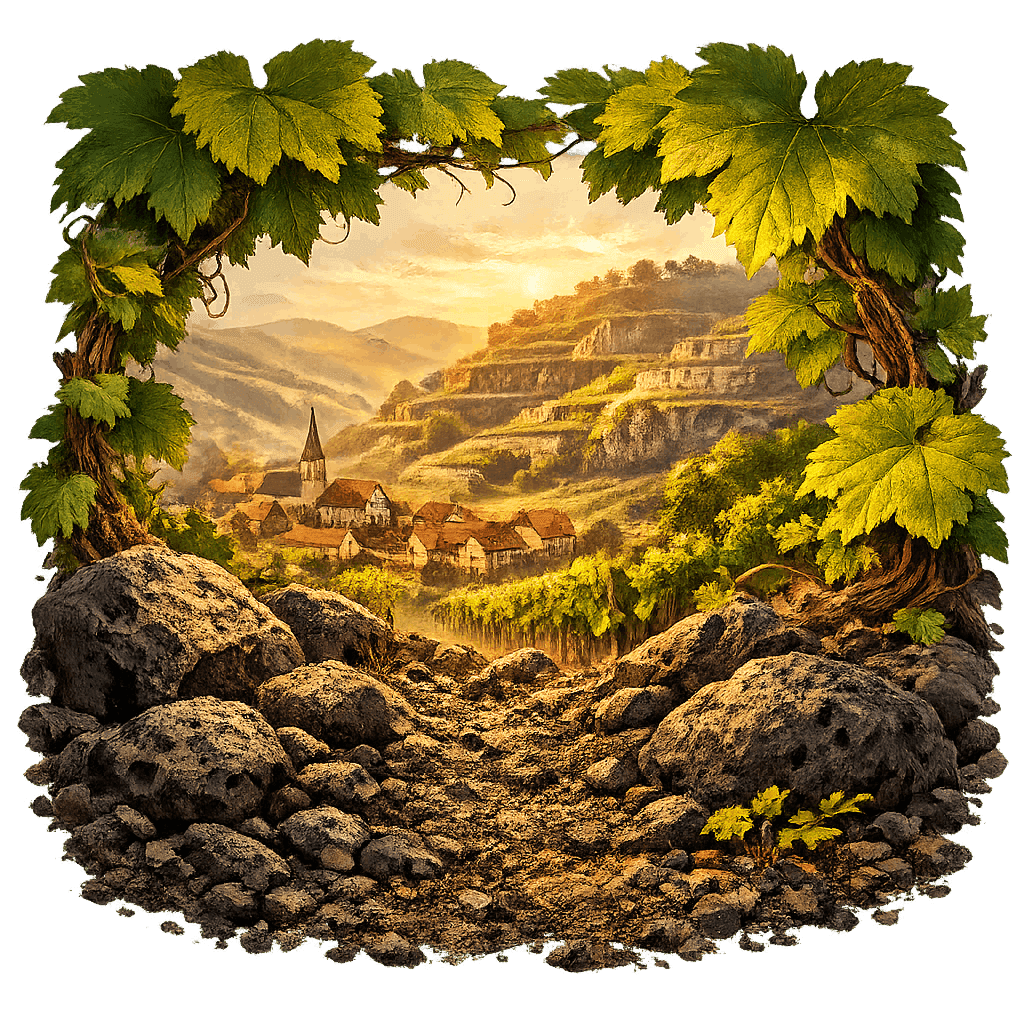
Picture a giant staircase carved into a mountain by giants. That is basically the layout here. Terraces define the landscape, trapping heat in the porous volcanic rock and fertile loess. It feels decidedly un-German in the best way possible, radiating a warmth that makes you want to sit on a patio and never leave. The soil is warm, the people are relaxed, and the sunshine is pleasantly endless.
Picture a giant staircase carved into a mountain by giants. That is basically the layout here. Terraces define the landscape, trapping heat in the porous volcanic rock and fertile loess. It feels decidedly un-German in the best way possible, radiating a warmth that makes you want to sit on a patio and never leave. The soil is warm, the people are relaxed, and the sunshine is pleasantly endless.
Picture a giant staircase carved into a mountain by giants. That is basically the layout here. Terraces define the landscape, trapping heat in the porous volcanic rock and fertile loess. It feels decidedly un-German in the best way possible, radiating a warmth that makes you want to sit on a patio and never leave. The soil is warm, the people are relaxed, and the sunshine is pleasantly endless.
Who's who
Keller Icons
Salwey Innovation
Heger Royalty
If you aren't drinking Dr. Heger or Franz Keller, are you even doing it right? These names are royalty in the region, pioneering dry styles when everyone else was making sugar water. Keep an eye on the Salwey family too - they are absolutely crushing it with minimal intervention and pure expressions of the volcanic terroir. It is a mix of old guard prestige and fresh energy striving for perfection.
If you aren't drinking Dr. Heger or Franz Keller, are you even doing it right? These names are royalty in the region, pioneering dry styles when everyone else was making sugar water. Keep an eye on the Salwey family too - they are absolutely crushing it with minimal intervention and pure expressions of the volcanic terroir. It is a mix of old guard prestige and fresh energy striving for perfection.
If you aren't drinking Dr. Heger or Franz Keller, are you even doing it right? These names are royalty in the region, pioneering dry styles when everyone else was making sugar water. Keep an eye on the Salwey family too - they are absolutely crushing it with minimal intervention and pure expressions of the volcanic terroir. It is a mix of old guard prestige and fresh energy striving for perfection.
LOCAL TALES
A Seat for a King
A Seat for a King
A Seat for a King
Back in 994 AD, King Otto III decided to hold court near this range to settle some disputes. The locals were so impressed they renamed the mountains 'Königsstuhl'—the King's Chair. When Otto was crowned Holy Roman Emperor shortly after, the title naturally upgraded to 'Kaiserstuhl.' While he didn't literally sit on the mountain like a giant, the name stuck. For centuries, this 'Emperor's Chair' has been the seat of power for German red wine. It is a nice reminder that while empires fall and kings turn to dust, a geological formation producing world-class Spatburgunder worthy of a coronation feast is forever.
Back in 994 AD, King Otto III decided to hold court near this range to settle some disputes. The locals were so impressed they renamed the mountains 'Königsstuhl'—the King's Chair. When Otto was crowned Holy Roman Emperor shortly after, the title naturally upgraded to 'Kaiserstuhl.' While he didn't literally sit on the mountain like a giant, the name stuck. For centuries, this 'Emperor's Chair' has been the seat of power for German red wine. It is a nice reminder that while empires fall and kings turn to dust, a geological formation producing world-class Spatburgunder worthy of a coronation feast is forever.
Enter the Dragons
Enter the Dragons
Enter the Dragons
You know it is hot when tropical-looking reptiles decide to move in. The Kaiserstuhl is so significantly warmer than the rest of Germany that it supports a thriving population of bright green Smaragdeidechsen - emerald lizards. These little guys love sunbathing on the warm volcanic rocks and loess terraces just as much as the vines do. They are basically the unofficial mascots of the region. If you spot one darting between the Spatburgunder vines during a hike, take it as a good omen. It means the vintage is going to be ripe, the sun is doing its job, and you are standing in a very special microclimate that defies the country's cold reputation.
You know it is hot when tropical-looking reptiles decide to move in. The Kaiserstuhl is so significantly warmer than the rest of Germany that it supports a thriving population of bright green Smaragdeidechsen - emerald lizards. These little guys love sunbathing on the warm volcanic rocks and loess terraces just as much as the vines do. They are basically the unofficial mascots of the region. If you spot one darting between the Spatburgunder vines during a hike, take it as a good omen. It means the vintage is going to be ripe, the sun is doing its job, and you are standing in a very special microclimate that defies the country's cold reputation.
Dust in the Wind
Dust in the Wind
Dust in the Wind
While the volcano gets all the headline credit, the secret weapon here is actually dust. Massive amounts of it. During the last Ice Age, winds blew fine particles known as loess over the landscape, blanketing the volcanic core in a thick, fertile layer. This dirt is like a sponge - it holds water perfectly but also warms up fast. Winemakers dig deep, labyrinthine caverns into this soft soil to age their bottles naturally. So when you taste that distinct mineral quality in your glass, you are technically drinking the result of an ancient dust storm that happened thousands of years ago. It turns out that Ice Age debris is the best fertilizer money can't buy.
While the volcano gets all the headline credit, the secret weapon here is actually dust. Massive amounts of it. During the last Ice Age, winds blew fine particles known as loess over the landscape, blanketing the volcanic core in a thick, fertile layer. This dirt is like a sponge - it holds water perfectly but also warms up fast. Winemakers dig deep, labyrinthine caverns into this soft soil to age their bottles naturally. So when you taste that distinct mineral quality in your glass, you are technically drinking the result of an ancient dust storm that happened thousands of years ago. It turns out that Ice Age debris is the best fertilizer money can't buy.
LOCAL WINE STYLES
German Spätburgunder
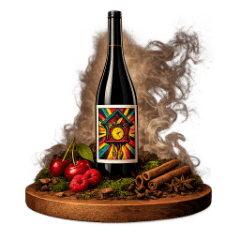
Forget everything you thought you knew about this region being only for sweet white wines. This red is proof that climate change and serious ambition have created a worthy rival to French classics, delivering earthiness and spice.
Forget everything you thought you knew about this region being only for sweet white wines. This red is proof that climate change and serious ambition have created a worthy rival to French classics, delivering earthiness and spice.
German Müller-Thurgau
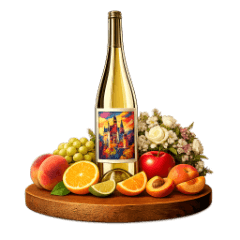
Often underestimated, this crossbreed delivers a glass full of unpretentious joy. It is not trying to be a complex masterpiece but rather serves as a reliable, aromatic companion for everyday moments when you just want refreshment.
Often underestimated, this crossbreed delivers a glass full of unpretentious joy. It is not trying to be a complex masterpiece but rather serves as a reliable, aromatic companion for everyday moments when you just want refreshment.
LATEST REVIEWS