«
BROWSE ALL
Germany
Germany

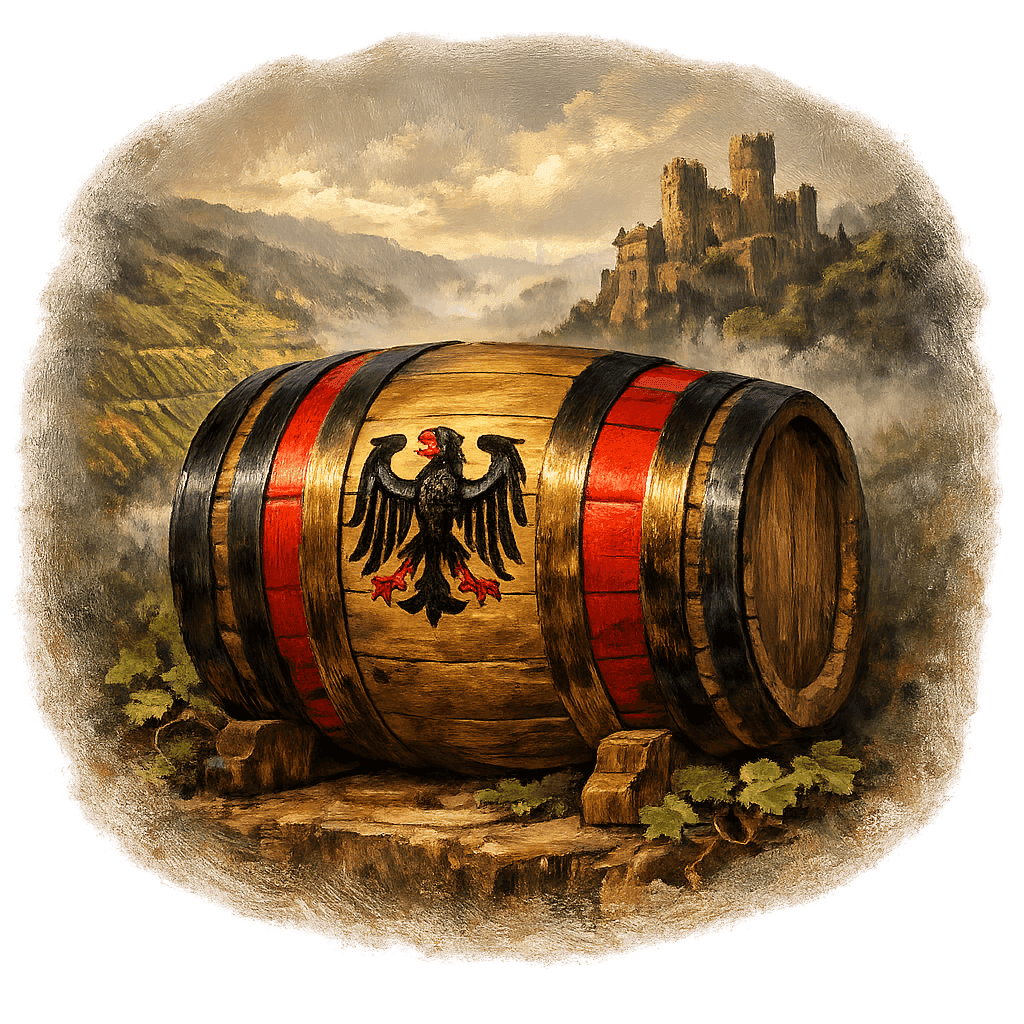
Forget the sugary stuff of the 1980s because this nation has undergone a complete dry wine revolution. It is the spiritual home of acid-driven whites that age for decades and home to some of the world's most heroic steep-slope vineyards.
Forget the sugary stuff of the 1980s because this nation has undergone a complete dry wine revolution. It is the spiritual home of acid-driven whites that age for decades and home to some of the world's most heroic steep-slope vineyards.
Forget the sugary stuff of the 1980s because this nation has undergone a complete dry wine revolution. It is the spiritual home of acid-driven whites that age for decades and home to some of the world's most heroic steep-slope vineyards.
What it's about
Cool Climate
Riesling Leader
Red Revolution
This northern powerhouse defines cool-climate viticulture, balancing on the knife-edge of ripeness to produce wines of unmatched clarity. While it ranks as the world's largest producer of Riesling, it has quietly become the third-largest grower of Pinot Noir globally. Production is split between large cooperatives and elite estates, with a fierce modern focus on terroir-driven dry wines rather than the mass-market sweet water that once tarnished its reputation.
This northern powerhouse defines cool-climate viticulture, balancing on the knife-edge of ripeness to produce wines of unmatched clarity. While it ranks as the world's largest producer of Riesling, it has quietly become the third-largest grower of Pinot Noir globally. Production is split between large cooperatives and elite estates, with a fierce modern focus on terroir-driven dry wines rather than the mass-market sweet water that once tarnished its reputation.
This northern powerhouse defines cool-climate viticulture, balancing on the knife-edge of ripeness to produce wines of unmatched clarity. While it ranks as the world's largest producer of Riesling, it has quietly become the third-largest grower of Pinot Noir globally. Production is split between large cooperatives and elite estates, with a fierce modern focus on terroir-driven dry wines rather than the mass-market sweet water that once tarnished its reputation.
What they're proud of
VDP Standards
Steep Slopes
World-Class Reds
Winemakers here worship the VDP classification system, a rigorous private standard that maps out the absolute best vineyards, or "Grosse Lage." They are incredibly boastful about their "heroic viticulture" in the Mosel, where harvest workers effectively need mountaineering gear to pick grapes on 65-degree gradients. Additionally, the recent global recognition of their Spätburgunder (Pinot Noir) as a serious rival to Burgundy is a massive badge of honor.
Winemakers here worship the VDP classification system, a rigorous private standard that maps out the absolute best vineyards, or "Grosse Lage." They are incredibly boastful about their "heroic viticulture" in the Mosel, where harvest workers effectively need mountaineering gear to pick grapes on 65-degree gradients. Additionally, the recent global recognition of their Spätburgunder (Pinot Noir) as a serious rival to Burgundy is a massive badge of honor.
Winemakers here worship the VDP classification system, a rigorous private standard that maps out the absolute best vineyards, or "Grosse Lage." They are incredibly boastful about their "heroic viticulture" in the Mosel, where harvest workers effectively need mountaineering gear to pick grapes on 65-degree gradients. Additionally, the recent global recognition of their Spätburgunder (Pinot Noir) as a serious rival to Burgundy is a massive badge of honor.
WHAT'S TRENDING
Premium Sekt
Dry Single-Vineyards
Organic Farming
While Riesling remains king, the real buzz is around the explosion of high-quality Sekt (sparkling wine) and the shift toward organic farming. Young winemakers are obsessively focused on single-vineyard dry wines (Grosses Gewächs) that express pure slate or limestone soils. Furthermore, climate change has turned formerly marginal red wine regions like the Ahr and Baden into hotbeds for powerful, complex Spätburgunder that demand high prices.
While Riesling remains king, the real buzz is around the explosion of high-quality Sekt (sparkling wine) and the shift toward organic farming. Young winemakers are obsessively focused on single-vineyard dry wines (Grosses Gewächs) that express pure slate or limestone soils. Furthermore, climate change has turned formerly marginal red wine regions like the Ahr and Baden into hotbeds for powerful, complex Spätburgunder that demand high prices.
While Riesling remains king, the real buzz is around the explosion of high-quality Sekt (sparkling wine) and the shift toward organic farming. Young winemakers are obsessively focused on single-vineyard dry wines (Grosses Gewächs) that express pure slate or limestone soils. Furthermore, climate change has turned formerly marginal red wine regions like the Ahr and Baden into hotbeds for powerful, complex Spätburgunder that demand high prices.
LOCAL TALES
The Late Rider
The Late Rider
The Late Rider
In 1775, the monks at Schloss Johannisberg were nervously tapping their feet. The grapes were ripe, but they couldn't harvest without permission from the Prince Abbot in Fulda. They sent a courier to get the paperwork, but he didn't return for weeks. Meanwhile, the grapes started rotting on the vines, turning into a shriveled, gray mess. The monks despaired, thinking the crop was ruined. When the rider finally showed up (legend says he was delayed by a romantic tryst), they harvested the "rotten" grapes anyway to salvage something. To their shock, the resulting wine was golden, honeyed nectar. They had accidentally discovered noble rot (botrytis) and the glory of Spätlese, changing sweet wine history forever.
In 1775, the monks at Schloss Johannisberg were nervously tapping their feet. The grapes were ripe, but they couldn't harvest without permission from the Prince Abbot in Fulda. They sent a courier to get the paperwork, but he didn't return for weeks. Meanwhile, the grapes started rotting on the vines, turning into a shriveled, gray mess. The monks despaired, thinking the crop was ruined. When the rider finally showed up (legend says he was delayed by a romantic tryst), they harvested the "rotten" grapes anyway to salvage something. To their shock, the resulting wine was golden, honeyed nectar. They had accidentally discovered noble rot (botrytis) and the glory of Spätlese, changing sweet wine history forever.
The Fat Emperor's Gift
The Fat Emperor's Gift
The Fat Emperor's Gift
While everyone associates this country with white wine, the roots of its red wine obsession go back to 884 AD. Emperor Charles the Fat, a man who clearly appreciated the finer things in life, brought Pinot Noir cuttings from Burgundy to the Bodensee (Lake Constance) region in Baden. For centuries, it remained a niche planting, often overshadowed by high-yielding white grapes. However, Cistercian monks, who were basically the medieval version of soil scientists, recognized the potential of these vines in the slate and limestone soils. Today, thanks to that early imperial delivery and centuries of monastic tweaking, Germany is the world's third-largest producer of Pinot Noir, now called Spätburgunder.
While everyone associates this country with white wine, the roots of its red wine obsession go back to 884 AD. Emperor Charles the Fat, a man who clearly appreciated the finer things in life, brought Pinot Noir cuttings from Burgundy to the Bodensee (Lake Constance) region in Baden. For centuries, it remained a niche planting, often overshadowed by high-yielding white grapes. However, Cistercian monks, who were basically the medieval version of soil scientists, recognized the potential of these vines in the slate and limestone soils. Today, thanks to that early imperial delivery and centuries of monastic tweaking, Germany is the world's third-largest producer of Pinot Noir, now called Spätburgunder.
Tax Maps and Terroir
Tax Maps and Terroir
Tax Maps and Terroir
Long before modern marketing gurus tried to classify wine quality, the Kingdom of Prussia did it with ruthless efficiency - but for taxes, not taste. In the 19th century, Prussian surveyors mapped out the vineyards of the Mosel and Saar, grading them based on how much net profit they generated. The logic was simple: if a plot made more money, the soil was better, and the tax should be higher. These ancient tax maps were so incredibly accurate regarding soil quality and sun exposure that they are still used today as the foundation for the prestigious VDP classification. Essentially, the government's greed accidentally created the world's most precise vineyard quality map.
Long before modern marketing gurus tried to classify wine quality, the Kingdom of Prussia did it with ruthless efficiency - but for taxes, not taste. In the 19th century, Prussian surveyors mapped out the vineyards of the Mosel and Saar, grading them based on how much net profit they generated. The logic was simple: if a plot made more money, the soil was better, and the tax should be higher. These ancient tax maps were so incredibly accurate regarding soil quality and sun exposure that they are still used today as the foundation for the prestigious VDP classification. Essentially, the government's greed accidentally created the world's most precise vineyard quality map.
REGIONS

Mosel
Your calves will burn just looking at pictures of these vineyards. This German river valley is the undisputed heavyweight champion of dangerously steep hills and laser-sharp white wines that basically vibrate in your glass.
Your calves will burn just looking at pictures of these vineyards. This German river valley is the undisputed heavyweight champion of dangerously steep hills and laser-sharp white wines that basically vibrate in your glass.
Rheingau
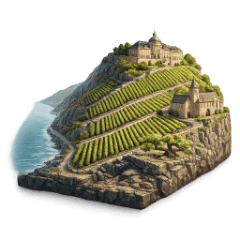
While neighbors scramble for attention, this stretch of the Rhine sits back and sips elegance. It is basically the Beverly Hills of German viticulture, compact and packed with historical heavyweight estates producing liquid gold.
While neighbors scramble for attention, this stretch of the Rhine sits back and sips elegance. It is basically the Beverly Hills of German viticulture, compact and packed with historical heavyweight estates producing liquid gold.
SUB-REGIONS

Saar
(
Mosel
)
Located on a chilly tributary just south of the main river, this spot defines high-wire winemaking. Ripening here is a gamble, but the payoff is liquid electricity that vibrates on your palate like a plucked guitar string.
Located on a chilly tributary just south of the main river, this spot defines high-wire winemaking. Ripening here is a gamble, but the payoff is liquid electricity that vibrates on your palate like a plucked guitar string.
Ruwer
(
Mosel
)
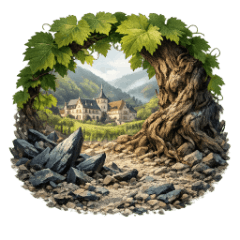
Tucked away in a side valley of the mighty Mosel, this tiny area packs a massive punch. It is often overshadowed by its bigger neighbors but holds some of Germany's most prestigious and historic monopoles within its forested slopes.
Tucked away in a side valley of the mighty Mosel, this tiny area packs a massive punch. It is often overshadowed by its bigger neighbors but holds some of Germany's most prestigious and historic monopoles within its forested slopes.
WINE STYLES
German Riesling
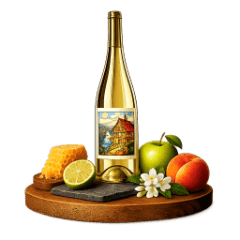
Imagine biting into a crisp green apple while sliding down a slate mountain. This style balances razor-sharp acidity with varying levels of sweetness, creating a tension that vibrates on your tongue like a plucked guitar string.
Imagine biting into a crisp green apple while sliding down a slate mountain. This style balances razor-sharp acidity with varying levels of sweetness, creating a tension that vibrates on your tongue like a plucked guitar string.
Imagine biting into a crisp green apple while sliding down a slate mountain. This style balances razor-sharp acidity with varying levels of sweetness, creating a tension that vibrates on your tongue like a plucked guitar string.
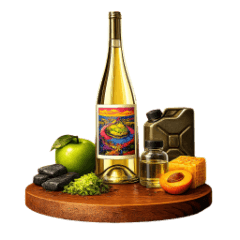
German Mosel Riesling
Licking a wet slate rock while chewing on a lemon drop sounds weird, but here it works. This wine balances piercing acidity with delicate sweetness, creating a tension that vibrates on your tongue like electricity.
Licking a wet slate rock while chewing on a lemon drop sounds weird, but here it works. This wine balances piercing acidity with delicate sweetness, creating a tension that vibrates on your tongue like electricity.
Licking a wet slate rock while chewing on a lemon drop sounds weird, but here it works. This wine balances piercing acidity with delicate sweetness, creating a tension that vibrates on your tongue like electricity.
LATEST REVIEWS