«
Portugal

Península de Setúbal
Península de Setúbal
Península de Setúbal
Sweet Sandy Coast
Across the bridge from the capital, you land in a playground of golden fortified treasures and juicy reds. It is basically a beach vacation in a bottle that pairs perfectly with doing absolutely nothing.
Across the bridge from the capital, you land in a playground of golden fortified treasures and juicy reds. It is basically a beach vacation in a bottle that pairs perfectly with doing absolutely nothing.
Across the bridge from the capital, you land in a playground of golden fortified treasures and juicy reds. It is basically a beach vacation in a bottle that pairs perfectly with doing absolutely nothing.

LEADERS


HELPERS







Why it's unique
Fortified legends
Castelão respect
Orange blossoms
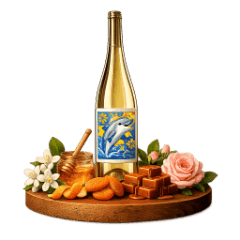
This place is the spiritual home of Moscatel de Setúbal, a fortified legend that smells like orange blossoms exploded in a honey pot. But don't sleep on the table wines either. It is one of the few places where Castelão actually gets the respect it deserves, thriving in soils that look more like a beach volleyball court than a traditional vineyard.
This place is the spiritual home of Moscatel de Setúbal, a fortified legend that smells like orange blossoms exploded in a honey pot. But don't sleep on the table wines either. It is one of the few places where Castelão actually gets the respect it deserves, thriving in soils that look more like a beach volleyball court than a traditional vineyard.
This place is the spiritual home of Moscatel de Setúbal, a fortified legend that smells like orange blossoms exploded in a honey pot. But don't sleep on the table wines either. It is one of the few places where Castelão actually gets the respect it deserves, thriving in soils that look more like a beach volleyball court than a traditional vineyard.
Terroir
Limestone heights
Palmela sands
Atlantic breeze
Two main landscapes dominate the scene here. You have the cool, high-altitude limestone of the Arrábida mountains providing freshness, and then the massive plains of warm sand called the Palmela sands. These distinct zones allow producers to craft biting, crisp whites and soft, sun-baked reds within a stone's throw of each other. The Atlantic breeze keeps everything from turning into raisins.
Two main landscapes dominate the scene here. You have the cool, high-altitude limestone of the Arrábida mountains providing freshness, and then the massive plains of warm sand called the Palmela sands. These distinct zones allow producers to craft biting, crisp whites and soft, sun-baked reds within a stone's throw of each other. The Atlantic breeze keeps everything from turning into raisins.
Two main landscapes dominate the scene here. You have the cool, high-altitude limestone of the Arrábida mountains providing freshness, and then the massive plains of warm sand called the Palmela sands. These distinct zones allow producers to craft biting, crisp whites and soft, sun-baked reds within a stone's throw of each other. The Atlantic breeze keeps everything from turning into raisins.
You gotta try
Moscatel Roxo
Juicy Castelão
Periquita style
Grab a bottle of Moscatel Roxo if you want your mind blown by floral complexity. It is a rare purple mutation of Moscatel Galego that tastes like roses and figs. For dinner, hunt down a juicy Castelão from the sandy vineyards of Palmela. It is affectionately called Periquita here and delivers raspberry jam vibes that make burgers taste expensive.
Grab a bottle of Moscatel Roxo if you want your mind blown by floral complexity. It is a rare purple mutation of Moscatel Galego that tastes like roses and figs. For dinner, hunt down a juicy Castelão from the sandy vineyards of Palmela. It is affectionately called Periquita here and delivers raspberry jam vibes that make burgers taste expensive.
Grab a bottle of Moscatel Roxo if you want your mind blown by floral complexity. It is a rare purple mutation of Moscatel Galego that tastes like roses and figs. For dinner, hunt down a juicy Castelão from the sandy vineyards of Palmela. It is affectionately called Periquita here and delivers raspberry jam vibes that make burgers taste expensive.
LOCAL TALES
The Brand That Became a Grape
The Brand That Became a Grape
The Brand That Became a Grape
Back in the mid-1800s, a visionary named José Maria da Fonseca decided to bottle red wine, which was a wild concept at the time since everyone just sold it in barrels. He planted Castelão on his estate, Cova da Periquita, and the wine was a massive hit. It was so good that locals stopped using the botanical name and just started asking for "that Periquita stuff." It became the first-ever bottled table wine in Portugal. Today, if you order Periquita, you are drinking history, even though the authorities get grumpy if you use that name for Castelão instead of the brand. It is a classic tale of a brand becoming bigger than the product itself.
Back in the mid-1800s, a visionary named José Maria da Fonseca decided to bottle red wine, which was a wild concept at the time since everyone just sold it in barrels. He planted Castelão on his estate, Cova da Periquita, and the wine was a massive hit. It was so good that locals stopped using the botanical name and just started asking for "that Periquita stuff." It became the first-ever bottled table wine in Portugal. Today, if you order Periquita, you are drinking history, even though the authorities get grumpy if you use that name for Castelão instead of the brand. It is a classic tale of a brand becoming bigger than the product itself.
Back in the mid-1800s, a visionary named José Maria da Fonseca decided to bottle red wine, which was a wild concept at the time since everyone just sold it in barrels. He planted Castelão on his estate, Cova da Periquita, and the wine was a massive hit. It was so good that locals stopped using the botanical name and just started asking for "that Periquita stuff." It became the first-ever bottled table wine in Portugal. Today, if you order Periquita, you are drinking history, even though the authorities get grumpy if you use that name for Castelão instead of the brand. It is a classic tale of a brand becoming bigger than the product itself.
Saving the Purple Unicorn
Saving the Purple Unicorn
Saving the Purple Unicorn
Moscatel Roxo is the unicorn of the region. This purple-skinned mutation of the white Moscatel Galego almost vanished from the face of the earth. In the 20th century, growers ripped it up because it was a total diva - low yields and incredibly hard to grow. We were down to just a few acres, essentially on life support. Luckily, a few stubborn winemakers realized that letting a heritage fruit that tastes like roses and lychee die out was a terrible idea. They launched a rescue mission to replant it. Now, it is the crown jewel of Setúbal, fetching high prices and proving that being high-maintenance is totally worth it if you taste this good.
Moscatel Roxo is the unicorn of the region. This purple-skinned mutation of the white Moscatel Galego almost vanished from the face of the earth. In the 20th century, growers ripped it up because it was a total diva - low yields and incredibly hard to grow. We were down to just a few acres, essentially on life support. Luckily, a few stubborn winemakers realized that letting a heritage fruit that tastes like roses and lychee die out was a terrible idea. They launched a rescue mission to replant it. Now, it is the crown jewel of Setúbal, fetching high prices and proving that being high-maintenance is totally worth it if you taste this good.
Moscatel Roxo is the unicorn of the region. This purple-skinned mutation of the white Moscatel Galego almost vanished from the face of the earth. In the 20th century, growers ripped it up because it was a total diva - low yields and incredibly hard to grow. We were down to just a few acres, essentially on life support. Luckily, a few stubborn winemakers realized that letting a heritage fruit that tastes like roses and lychee die out was a terrible idea. They launched a rescue mission to replant it. Now, it is the crown jewel of Setúbal, fetching high prices and proving that being high-maintenance is totally worth it if you taste this good.
Monks in the Mist
Monks in the Mist
Monks in the Mist
High up in the limestone crags of the Arrábida mountains, Franciscan monks established a convent in the 16th century. These guys weren't just praying - they were figuring out the microclimates. They realized the altitude and sea fog created a perfect natural refrigerator for agriculture. While the flatlands were baking, the monks were crafting a secret herbal liqueur that became legendary. Their isolation allowed them to study the local flora intimately without distractions. Today, you can still hike up there and see the old ruins. It is a reminder that before modern technology, all you needed for great terroir analysis was a habit, some silence, and a lot of thirsty patience.
High up in the limestone crags of the Arrábida mountains, Franciscan monks established a convent in the 16th century. These guys weren't just praying - they were figuring out the microclimates. They realized the altitude and sea fog created a perfect natural refrigerator for agriculture. While the flatlands were baking, the monks were crafting a secret herbal liqueur that became legendary. Their isolation allowed them to study the local flora intimately without distractions. Today, you can still hike up there and see the old ruins. It is a reminder that before modern technology, all you needed for great terroir analysis was a habit, some silence, and a lot of thirsty patience.
High up in the limestone crags of the Arrábida mountains, Franciscan monks established a convent in the 16th century. These guys weren't just praying - they were figuring out the microclimates. They realized the altitude and sea fog created a perfect natural refrigerator for agriculture. While the flatlands were baking, the monks were crafting a secret herbal liqueur that became legendary. Their isolation allowed them to study the local flora intimately without distractions. Today, you can still hike up there and see the old ruins. It is a reminder that before modern technology, all you needed for great terroir analysis was a habit, some silence, and a lot of thirsty patience.
SUB-REGIONS

Setúbal
(
Península de Setúbal
)
Tucked just south of Lisbon, this spot is globally worshipped for one thing: dessert in a glass. While dry reds exist here, the real headline is the amber nectar that ages forever and tastes like liquid sunshine.
Tucked just south of Lisbon, this spot is globally worshipped for one thing: dessert in a glass. While dry reds exist here, the real headline is the amber nectar that ages forever and tastes like liquid sunshine.

Palmela
(
Península de Setúbal
)
Here is where sand meets serious reds. While neighbors sip sweet fortified stuff, this spot grinds out incredible value wines that punch way above their weight class, proving affordable doesn't mean boring.
Here is where sand meets serious reds. While neighbors sip sweet fortified stuff, this spot grinds out incredible value wines that punch way above their weight class, proving affordable doesn't mean boring.
LATEST REVIEWS