«
Península de Setúbal
,
Portugal

Palmela
Sandy Castelão Champion
Here is where sand meets serious reds. While neighbors sip sweet fortified stuff, this spot grinds out incredible value wines that punch way above their weight class, proving affordable doesn't mean boring.
Here is where sand meets serious reds. While neighbors sip sweet fortified stuff, this spot grinds out incredible value wines that punch way above their weight class, proving affordable doesn't mean boring.
Here is where sand meets serious reds. While neighbors sip sweet fortified stuff, this spot grinds out incredible value wines that punch way above their weight class, proving affordable doesn't mean boring.






Taste profile
Juicy Raspberry
Meaty Notes
Soft Tannins
Castelão rules the roost here with an iron fist in a velvet glove. Expect juicy raspberry jams, hints of wild herbs, and a surprisingly meaty character that develops with age. On the white side, Fernão Pires brings floral aromatics to the party. The sandy terroir softens tannins, making these reds approachable young but sturdy enough to cellar if you have the patience for evolution.
Castelão rules the roost here with an iron fist in a velvet glove. Expect juicy raspberry jams, hints of wild herbs, and a surprisingly meaty character that develops with age. On the white side, Fernão Pires brings floral aromatics to the party. The sandy terroir softens tannins, making these reds approachable young but sturdy enough to cellar if you have the patience for evolution.
Castelão rules the roost here with an iron fist in a velvet glove. Expect juicy raspberry jams, hints of wild herbs, and a surprisingly meaty character that develops with age. On the white side, Fernão Pires brings floral aromatics to the party. The sandy terroir softens tannins, making these reds approachable young but sturdy enough to cellar if you have the patience for evolution.
The vibe
Medieval Fortress
Endless Sand
Atlantic Breeze
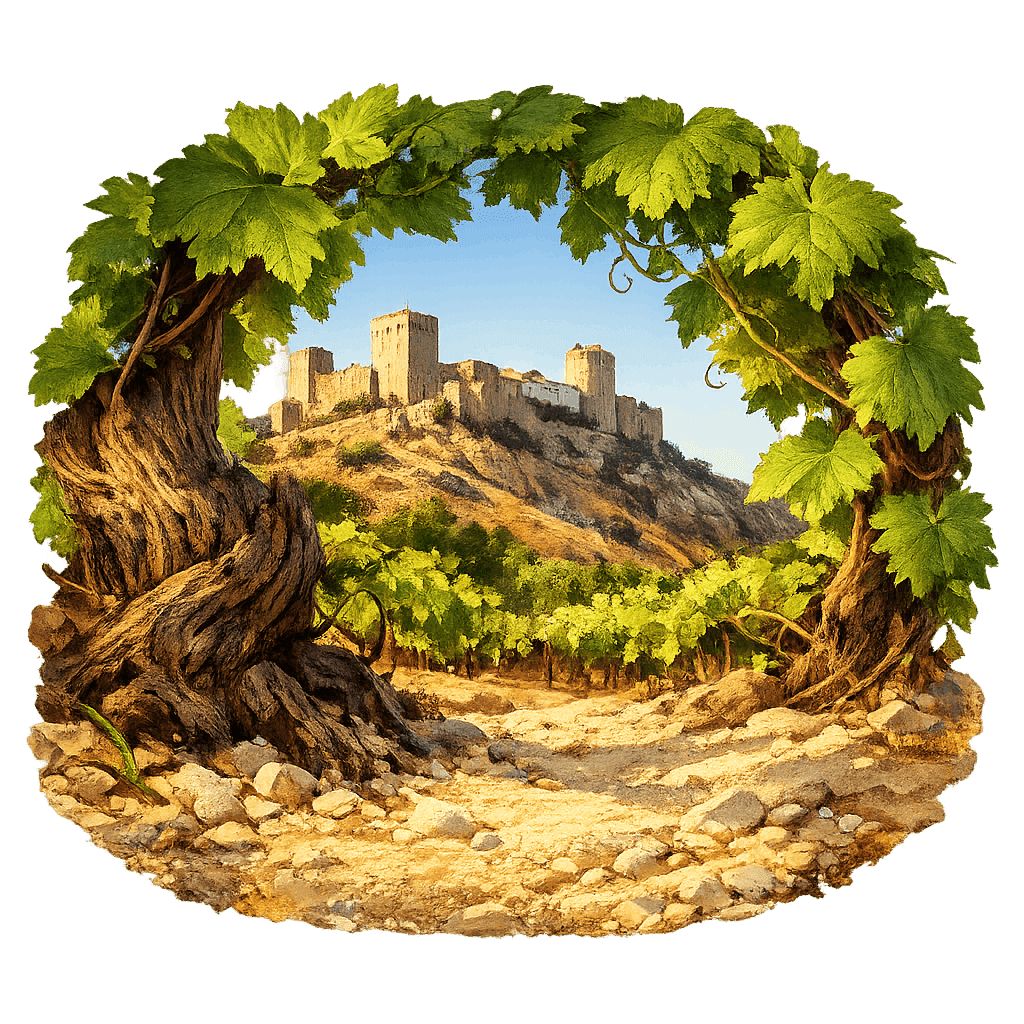
Driving across the Vasco da Gama bridge brings you straight into a landscape dominated by a massive medieval fortress and endless sandy vineyards. It is hot, dry, and feels like a beach vacation without the ocean dip. The Atlantic breeze saves the harvest from baking, creating a relaxed atmosphere where ancient knights seemingly watch over modern tractors churning through the dust.
Driving across the Vasco da Gama bridge brings you straight into a landscape dominated by a massive medieval fortress and endless sandy vineyards. It is hot, dry, and feels like a beach vacation without the ocean dip. The Atlantic breeze saves the harvest from baking, creating a relaxed atmosphere where ancient knights seemingly watch over modern tractors churning through the dust.
Driving across the Vasco da Gama bridge brings you straight into a landscape dominated by a massive medieval fortress and endless sandy vineyards. It is hot, dry, and feels like a beach vacation without the ocean dip. The Atlantic breeze saves the harvest from baking, creating a relaxed atmosphere where ancient knights seemingly watch over modern tractors churning through the dust.
Who's who
Historic Heavyweights
Modern Coops
Family Estates
Cooperatives historically ran the show, churning out liters of table wine, but the game has changed significantly. José Maria da Fonseca is the undisputed heavyweight champion, practically inventing the region's identity with the legendary Periquita brand. Look out for heavy hitters like Casa Ermelinda Freitas and Sivipa, who are polishing the rustic edges off local bottles and turning them into international darlings.
Cooperatives historically ran the show, churning out liters of table wine, but the game has changed significantly. José Maria da Fonseca is the undisputed heavyweight champion, practically inventing the region's identity with the legendary Periquita brand. Look out for heavy hitters like Casa Ermelinda Freitas and Sivipa, who are polishing the rustic edges off local bottles and turning them into international darlings.
Cooperatives historically ran the show, churning out liters of table wine, but the game has changed significantly. José Maria da Fonseca is the undisputed heavyweight champion, practically inventing the region's identity with the legendary Periquita brand. Look out for heavy hitters like Casa Ermelinda Freitas and Sivipa, who are polishing the rustic edges off local bottles and turning them into international darlings.
LOCAL TALES
The Parakeet Confusion
The Parakeet Confusion
The Parakeet Confusion
History took a weird turn in 1846 when José Maria da Fonseca, a man with magnificent vision and likely a great mustache, bought a property called Cova da Periquita. He planted Castelão cuttings brought from Ribatejo and made a wine so delicious that locals stopped asking for the specific fruit name and just demanded Periquita. It became the first bottled red wine in Portugal and caused a massive headache for botanists. For decades, people thought Periquita was the official name of Castelão. It took legal battles and strict regulations to clarify that Periquita is a brand owned by the Fonseca family, not the name of the fruit itself, though locals still use the names interchangeably.
History took a weird turn in 1846 when José Maria da Fonseca, a man with magnificent vision and likely a great mustache, bought a property called Cova da Periquita. He planted Castelão cuttings brought from Ribatejo and made a wine so delicious that locals stopped asking for the specific fruit name and just demanded Periquita. It became the first bottled red wine in Portugal and caused a massive headache for botanists. For decades, people thought Periquita was the official name of Castelão. It took legal battles and strict regulations to clarify that Periquita is a brand owned by the Fonseca family, not the name of the fruit itself, though locals still use the names interchangeably.
The Sand Whisperer
The Sand Whisperer
The Sand Whisperer
While neighboring Colares is famous for sand that repels bugs, Palmela’s deep sands perform a different magic trick: they tame the beast. The Castelão grape is naturally aggressive, with jagged tannins that bite back when grown in heavy clay. But in these warm, loose Pliocene sands, the vine struggles just enough to concentrate the fruit, melting those hard edges into velvet. It’s less about surviving an ancient plague and more about terroir therapy, turning a rustic workhorse grape into the smooth, crowd-pleasing red that defines the region today.
While neighboring Colares is famous for sand that repels bugs, Palmela’s deep sands perform a different magic trick: they tame the beast. The Castelão grape is naturally aggressive, with jagged tannins that bite back when grown in heavy clay. But in these warm, loose Pliocene sands, the vine struggles just enough to concentrate the fruit, melting those hard edges into velvet. It’s less about surviving an ancient plague and more about terroir therapy, turning a rustic workhorse grape into the smooth, crowd-pleasing red that defines the region today.
Burning The Castle
Burning The Castle
Burning The Castle
Every September, the Festa das Vindimas takes over the town, and it is not your average polite tasting event. We are talking about a full-blown carnival that celebrates the harvest with intense passion. There is the crowning of the Harvest Queen, massive parades, and the traditional treading of the grapes where tourists ruin their pants for fun. But the climax is the symbolic burning of the castle. Don't worry, they don't actually torch the medieval masonry. It is a spectacular firework display that simulates the fortress catching fire, illuminating the vineyards below. It is loud, chaotic, and fueled by copious amounts of local red wine, perfectly summarizing the spirit of the region.
Every September, the Festa das Vindimas takes over the town, and it is not your average polite tasting event. We are talking about a full-blown carnival that celebrates the harvest with intense passion. There is the crowning of the Harvest Queen, massive parades, and the traditional treading of the grapes where tourists ruin their pants for fun. But the climax is the symbolic burning of the castle. Don't worry, they don't actually torch the medieval masonry. It is a spectacular firework display that simulates the fortress catching fire, illuminating the vineyards below. It is loud, chaotic, and fueled by copious amounts of local red wine, perfectly summarizing the spirit of the region.
LATEST REVIEWS