«
BROWSE ALL
Portugal
Portugal

Imagine a place where "Cabernet" is a dirty word and foot-treading fruit is still cutting-edge technology. This coastal nation offers incredible value, mind-bending diversity with 250+ indigenous types, and a wine culture that comfortably predates the Roman Empire.
Imagine a place where "Cabernet" is a dirty word and foot-treading fruit is still cutting-edge technology. This coastal nation offers incredible value, mind-bending diversity with 250+ indigenous types, and a wine culture that comfortably predates the Roman Empire.
Imagine a place where "Cabernet" is a dirty word and foot-treading fruit is still cutting-edge technology. This coastal nation offers incredible value, mind-bending diversity with 250+ indigenous types, and a wine culture that comfortably predates the Roman Empire.
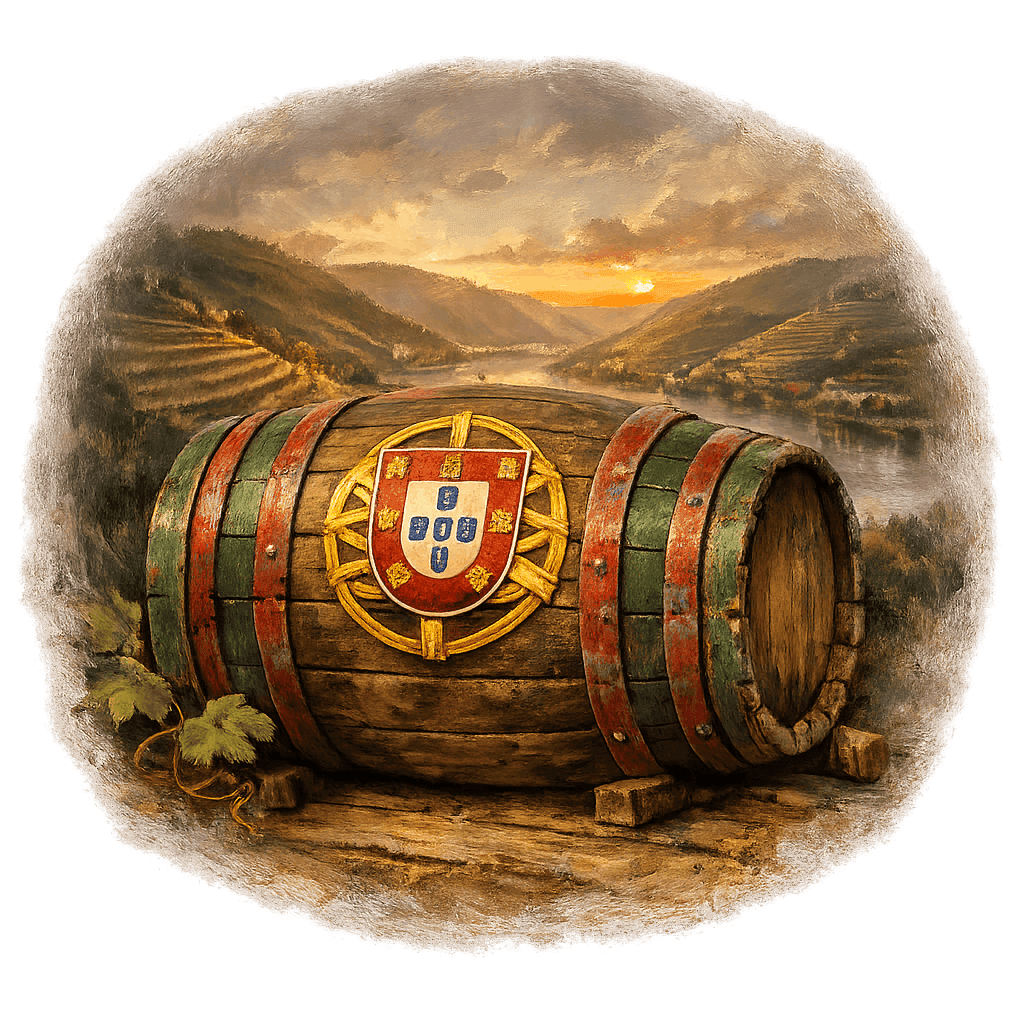
What it's about
native grapes
fortified wine
great value
Boasting the highest per capita wine consumption globally, this nation is a powerhouse of indigenous uniqueness. With over 250 native options, producers have successfully resisted the "French invasion" to preserve local flavors. While historically famous for fortified legends like Port and Madeira, the modern story is a massive shift toward high-quality, terroir-driven dry table wines that offer arguably the best quality-to-price ratio on Earth.
Boasting the highest per capita wine consumption globally, this nation is a powerhouse of indigenous uniqueness. With over 250 native options, producers have successfully resisted the "French invasion" to preserve local flavors. While historically famous for fortified legends like Port and Madeira, the modern story is a massive shift toward high-quality, terroir-driven dry table wines that offer arguably the best quality-to-price ratio on Earth.
Boasting the highest per capita wine consumption globally, this nation is a powerhouse of indigenous uniqueness. With over 250 native options, producers have successfully resisted the "French invasion" to preserve local flavors. While historically famous for fortified legends like Port and Madeira, the modern story is a massive shift toward high-quality, terroir-driven dry table wines that offer arguably the best quality-to-price ratio on Earth.
What they're proud of
Douro terraces
cork production
oldest region
Douro Valley’s UNESCO-recognized terraces are their crown jewel, but real pride lies in the stubborn preservation of local heroes like Touriga Nacional and Baga. They are the world’s leading cork producer - literally stopping your bottle from spilling - and hold the title for the oldest demarcated and regulated wine region in the world, established long before appellations were cool.
Douro Valley’s UNESCO-recognized terraces are their crown jewel, but real pride lies in the stubborn preservation of local heroes like Touriga Nacional and Baga. They are the world’s leading cork producer - literally stopping your bottle from spilling - and hold the title for the oldest demarcated and regulated wine region in the world, established long before appellations were cool.
Douro Valley’s UNESCO-recognized terraces are their crown jewel, but real pride lies in the stubborn preservation of local heroes like Touriga Nacional and Baga. They are the world’s leading cork producer - literally stopping your bottle from spilling - and hold the title for the oldest demarcated and regulated wine region in the world, established long before appellations were cool.
WHAT'S TRENDING
Amphora wines
Alvarinho aging
Sustainable viticulture
Ancient techniques are roaring back - specifically Talha (amphora) wines in Alentejo, where clay pot fermentation is the new cool. Meanwhile, Vinho Verde is shedding its "cheap and fizzy" reputation for serious, age-worthy Alvarinho whites. Sustainable viticulture is exploding, and young winemakers are experimenting with "Atlantic" low-alcohol reds from cool coastal pockets like Colares and Bairrada.
Ancient techniques are roaring back - specifically Talha (amphora) wines in Alentejo, where clay pot fermentation is the new cool. Meanwhile, Vinho Verde is shedding its "cheap and fizzy" reputation for serious, age-worthy Alvarinho whites. Sustainable viticulture is exploding, and young winemakers are experimenting with "Atlantic" low-alcohol reds from cool coastal pockets like Colares and Bairrada.
Ancient techniques are roaring back - specifically Talha (amphora) wines in Alentejo, where clay pot fermentation is the new cool. Meanwhile, Vinho Verde is shedding its "cheap and fizzy" reputation for serious, age-worthy Alvarinho whites. Sustainable viticulture is exploding, and young winemakers are experimenting with "Atlantic" low-alcohol reds from cool coastal pockets like Colares and Bairrada.
LOCAL TALES
The Prime Minister's Stone Lines
The Prime Minister's Stone Lines
The Prime Minister's Stone Lines
Imagine the year is 1756. The global wine trade is a mess of fraud, with elderberry juice being passed off as premium drink. Enter the Marquis of Pombal, a Prime Minister with an iron fist. He didn't just write a stern letter, he physically mapped out the Douro Valley with 335 massive granite pillars, creating the world's first demarcated region. He declared that only Port from inside these lines was authentic. When tavern owners and producers rioted against his website rules, he didn't back down - he executed the ringleaders and displayed their bodies at the city gates. It established a brutal but effective tradition of quality control that defined the region for centuries.
Imagine the year is 1756. The global wine trade is a mess of fraud, with elderberry juice being passed off as premium drink. Enter the Marquis of Pombal, a Prime Minister with an iron fist. He didn't just write a stern letter, he physically mapped out the Douro Valley with 335 massive granite pillars, creating the world's first demarcated region. He declared that only Port from inside these lines was authentic. When tavern owners and producers rioted against his website rules, he didn't back down - he executed the ringleaders and displayed their bodies at the city gates. It established a brutal but effective tradition of quality control that defined the region for centuries.
The Sand Dunes That Saved Wine
The Sand Dunes That Saved Wine
The Sand Dunes That Saved Wine
When the phylloxera louse ravaged Europe in the late 19th century, destroying almost every vineyard from Bordeaux to Tuscany, one tiny Portuguese village just shrugged. In Colares, located on cliffs overlooking the Atlantic, Ramisco plantings thrive in deep, sandy dunes. Farmers must dig trenches several meters deep just to reach the clay below so roots can settle. As it turned out, the deadly phylloxera bug couldn't tunnel through the shifting sand. While the rest of Europe drank water, Colares kept making wine, earning it the nickname "The Bordeaux of Europe" for a brief, glorious moment. These "sand wines" still exist, tasting like sea salt and survival.
When the phylloxera louse ravaged Europe in the late 19th century, destroying almost every vineyard from Bordeaux to Tuscany, one tiny Portuguese village just shrugged. In Colares, located on cliffs overlooking the Atlantic, Ramisco plantings thrive in deep, sandy dunes. Farmers must dig trenches several meters deep just to reach the clay below so roots can settle. As it turned out, the deadly phylloxera bug couldn't tunnel through the shifting sand. While the rest of Europe drank water, Colares kept making wine, earning it the nickname "The Bordeaux of Europe" for a brief, glorious moment. These "sand wines" still exist, tasting like sea salt and survival.
The Secret Boat to Bordeaux
The Secret Boat to Bordeaux
The Secret Boat to Bordeaux
In the 1940s, the Douro Valley was a one-trick pony: everyone made Port. But Fernando Nicolau de Almeida, a winemaker for the Ferreira family, had a wild idea. After visiting France and seeing how they made dry reds, he returned home obsessed. He wanted to craft a world-class dry wine in a region where heat usually cooked the fruit. He had to invent new fermentation tanks and supposedly ordered ice blocks trucked in from the coast to cool the juice - a logistical nightmare in the 1950s. He named the result Barca Velha after an old ferry boat. It became Portugal's first "cult wine," proving the Douro could do more than just sweet stuff.
In the 1940s, the Douro Valley was a one-trick pony: everyone made Port. But Fernando Nicolau de Almeida, a winemaker for the Ferreira family, had a wild idea. After visiting France and seeing how they made dry reds, he returned home obsessed. He wanted to craft a world-class dry wine in a region where heat usually cooked the fruit. He had to invent new fermentation tanks and supposedly ordered ice blocks trucked in from the coast to cool the juice - a logistical nightmare in the 1950s. He named the result Barca Velha after an old ferry boat. It became Portugal's first "cult wine," proving the Douro could do more than just sweet stuff.
REGIONS
Douro
Imagine a place where gravity is just a suggestion and winemaking feels like extreme mountaineering. This UNESCO heritage site isn't just about Port anymore - it is churning out serious table wines that demand attention.
Imagine a place where gravity is just a suggestion and winemaking feels like extreme mountaineering. This UNESCO heritage site isn't just about Port anymore - it is churning out serious table wines that demand attention.
Porto
It is the heavyweight champion of dessert drinks. While the fruit grows upriver, the magic happens in cool cellars where time stands still. This isn't just booze - it is liquid history with a serious sugar kick.
It is the heavyweight champion of dessert drinks. While the fruit grows upriver, the magic happens in cool cellars where time stands still. This isn't just booze - it is liquid history with a serious sugar kick.
SUB-REGIONS

Baixo Corgo
(
Douro
)
Acting as the rain-soaked doormat to the valley, this western zone catches all the Atlantic storms. While often dismissed as the bulk-wine workhorse, it actually produces the freshest, most drinkable reds when temperatures elsewhere spike.
Acting as the rain-soaked doormat to the valley, this western zone catches all the Atlantic storms. While often dismissed as the bulk-wine workhorse, it actually produces the freshest, most drinkable reds when temperatures elsewhere spike.
Cima Corgo
(
Douro
)
If you close your eyes and picture the Douro, this is it. Located upstream from the breezy west, it sits in the climatic sweet spot producing the region's most famous, high-scoring vintage bottles and powerful reds.
If you close your eyes and picture the Douro, this is it. Located upstream from the breezy west, it sits in the climatic sweet spot producing the region's most famous, high-scoring vintage bottles and powerful reds.
WINE STYLES
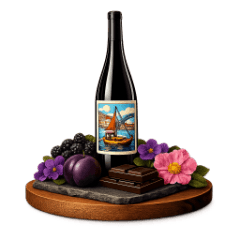
Portuguese Douro Red
Imagine all the intensity and flavor complexity of a vintage Port but stripped of the sweetness and fortification. It is a full-bodied, bone-dry experience that proves the Douro Valley can do serious table wine.
Imagine all the intensity and flavor complexity of a vintage Port but stripped of the sweetness and fortification. It is a full-bodied, bone-dry experience that proves the Douro Valley can do serious table wine.
Imagine all the intensity and flavor complexity of a vintage Port but stripped of the sweetness and fortification. It is a full-bodied, bone-dry experience that proves the Douro Valley can do serious table wine.
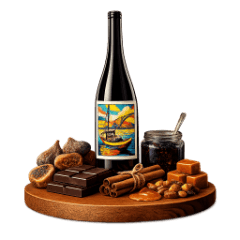
Portuguese Port Wine
Think of this as wine that went to the gym and refused to burn its carbs. It is fortified with brandy to keep it sweet and strong, making it the ultimate fireside companion for cold nights.
Think of this as wine that went to the gym and refused to burn its carbs. It is fortified with brandy to keep it sweet and strong, making it the ultimate fireside companion for cold nights.
Think of this as wine that went to the gym and refused to burn its carbs. It is fortified with brandy to keep it sweet and strong, making it the ultimate fireside companion for cold nights.
LATEST REVIEWS