«
Netherlands

Limburg
Limburg
Limburg
Dutch Hilly South
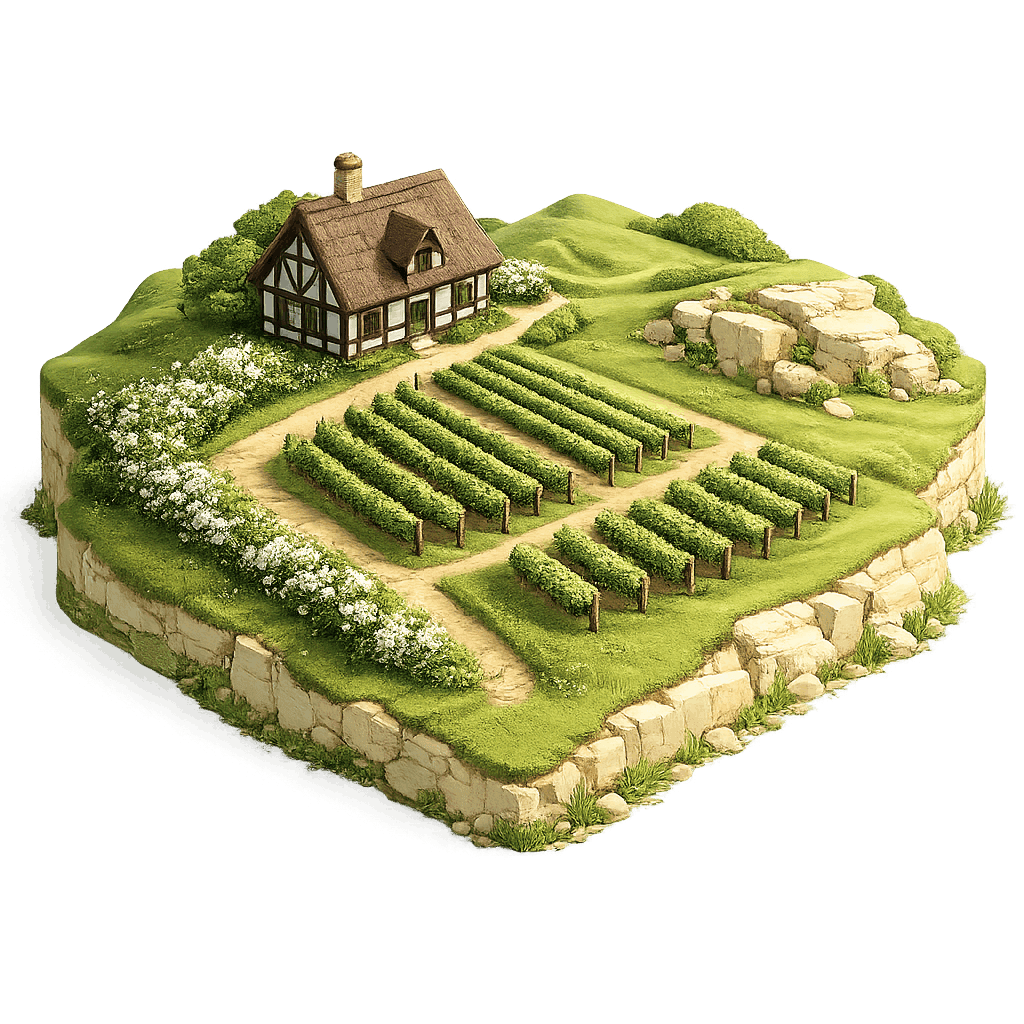
Forget everything you know about the flat Netherlands because here things actually go up and down. It is the gastronomic heart of the country where hills meet vines and limestone runs deep beneath the surface.
Forget everything you know about the flat Netherlands because here things actually go up and down. It is the gastronomic heart of the country where hills meet vines and limestone runs deep beneath the surface.
Forget everything you know about the flat Netherlands because here things actually go up and down. It is the gastronomic heart of the country where hills meet vines and limestone runs deep beneath the surface.





Why it's unique
Dutch elevation
French vibes
Oldest vineyards
While the rest of the country is busy building dikes and dodging bicycles on flat roads, this province pretends it is actually in France. It is the only place in the Netherlands with significant rolling hills, meaning vines get better sun exposure. You find the oldest commercial vineyards here, proving that Dutch wine isn't just a punchline - it is a serious business with serious flavor.
While the rest of the country is busy building dikes and dodging bicycles on flat roads, this province pretends it is actually in France. It is the only place in the Netherlands with significant rolling hills, meaning vines get better sun exposure. You find the oldest commercial vineyards here, proving that Dutch wine isn't just a punchline - it is a serious business with serious flavor.
While the rest of the country is busy building dikes and dodging bicycles on flat roads, this province pretends it is actually in France. It is the only place in the Netherlands with significant rolling hills, meaning vines get better sun exposure. You find the oldest commercial vineyards here, proving that Dutch wine isn't just a punchline - it is a serious business with serious flavor.
Terroir
Limestone layers
Loess topsoil
Heat retention
Loess and limestone are the absolute kings here. The soil composition looks suspiciously like Champagne or Burgundy, which is great news for the roots. These chalk-rich layers provide exceptional drainage while the steep slopes catch every ray of sun, helping ripeness in this cool climate. Plus, the rolling hills provide drainage and angles toward the sun that flat polders can only dream about.
Loess and limestone are the absolute kings here. The soil composition looks suspiciously like Champagne or Burgundy, which is great news for the roots. These chalk-rich layers provide exceptional drainage while the steep slopes catch every ray of sun, helping ripeness in this cool climate. Plus, the rolling hills provide drainage and angles toward the sun that flat polders can only dream about.
Loess and limestone are the absolute kings here. The soil composition looks suspiciously like Champagne or Burgundy, which is great news for the roots. These chalk-rich layers provide exceptional drainage while the steep slopes catch every ray of sun, helping ripeness in this cool climate. Plus, the rolling hills provide drainage and angles toward the sun that flat polders can only dream about.
You gotta try
Mineral Riesling
Crisp Auxerrois
Limestone Pinot
Grab a bottle of Riesling from the steep slopes or a crisp Auxerrois that pairs perfectly with the local white asparagus. If you are feeling fancy, Pinot Noir does surprisingly well here thanks to that limestone soil. Classic white varietals shine brightest, offering high acidity and mineral crunch that will make you rethink everything you thought you knew about northern viticulture.
Grab a bottle of Riesling from the steep slopes or a crisp Auxerrois that pairs perfectly with the local white asparagus. If you are feeling fancy, Pinot Noir does surprisingly well here thanks to that limestone soil. Classic white varietals shine brightest, offering high acidity and mineral crunch that will make you rethink everything you thought you knew about northern viticulture.
Grab a bottle of Riesling from the steep slopes or a crisp Auxerrois that pairs perfectly with the local white asparagus. If you are feeling fancy, Pinot Noir does surprisingly well here thanks to that limestone soil. Classic white varietals shine brightest, offering high acidity and mineral crunch that will make you rethink everything you thought you knew about northern viticulture.
LOCAL TALES
Romans, Monks, and Comebacks
Romans, Monks, and Comebacks
Romans, Monks, and Comebacks
Before clogs became the national footwear, Romans were marching through here in sandals and they got thirsty. They looked at the sun-drenched, south-facing slopes near Maastricht and thought jackpot. They planted the very first vines, though the official documentation kicks in around 968 AD. Monks kept the tradition alive through the Middle Ages until the cooling climate of the Little Ice Age and the rise of beer caused the industry to fade away. It wasn't until the 1970s that the first serious modern vineyard, De Apostelhoeve, decided to prove everyone wrong and brought viticulture back from the dead. Now, it is the grandfather of the Dutch wine renaissance.
Before clogs became the national footwear, Romans were marching through here in sandals and they got thirsty. They looked at the sun-drenched, south-facing slopes near Maastricht and thought jackpot. They planted the very first vines, though the official documentation kicks in around 968 AD. Monks kept the tradition alive through the Middle Ages until the cooling climate of the Little Ice Age and the rise of beer caused the industry to fade away. It wasn't until the 1970s that the first serious modern vineyard, De Apostelhoeve, decided to prove everyone wrong and brought viticulture back from the dead. Now, it is the grandfather of the Dutch wine renaissance.
Before clogs became the national footwear, Romans were marching through here in sandals and they got thirsty. They looked at the sun-drenched, south-facing slopes near Maastricht and thought jackpot. They planted the very first vines, though the official documentation kicks in around 968 AD. Monks kept the tradition alive through the Middle Ages until the cooling climate of the Little Ice Age and the rise of beer caused the industry to fade away. It wasn't until the 1970s that the first serious modern vineyard, De Apostelhoeve, decided to prove everyone wrong and brought viticulture back from the dead. Now, it is the grandfather of the Dutch wine renaissance.
The Underground Wine Fridge
The Underground Wine Fridge
The Underground Wine Fridge
Underneath the vineyards lies a massive network of man-made tunnels known as the marl caves. We are talking about hundreds of kilometers of subterranean passages dug out over centuries. While they were originally limestone quarries, winemakers realized they were sitting on top of nature's perfect wine fridge. It is dark, humid, and holds a constant temperature year-round. Some producers age their bottles down there in absolute darkness. During wars, locals hid art, cattle, and probably their best bottles in these tunnels. Today, you can take a tour, but don't wander off or you might end up aging alongside the vintage reserves until the next harvest season.
Underneath the vineyards lies a massive network of man-made tunnels known as the marl caves. We are talking about hundreds of kilometers of subterranean passages dug out over centuries. While they were originally limestone quarries, winemakers realized they were sitting on top of nature's perfect wine fridge. It is dark, humid, and holds a constant temperature year-round. Some producers age their bottles down there in absolute darkness. During wars, locals hid art, cattle, and probably their best bottles in these tunnels. Today, you can take a tour, but don't wander off or you might end up aging alongside the vintage reserves until the next harvest season.
Underneath the vineyards lies a massive network of man-made tunnels known as the marl caves. We are talking about hundreds of kilometers of subterranean passages dug out over centuries. While they were originally limestone quarries, winemakers realized they were sitting on top of nature's perfect wine fridge. It is dark, humid, and holds a constant temperature year-round. Some producers age their bottles down there in absolute darkness. During wars, locals hid art, cattle, and probably their best bottles in these tunnels. Today, you can take a tour, but don't wander off or you might end up aging alongside the vintage reserves until the next harvest season.
The Mountain Myth
The Mountain Myth
The Mountain Myth
Calling a hill a mountain is a classic Dutch exaggeration, but in this flat country, the Vaalserberg is basically Everest. The unique topography here creates a microclimate that defies the rainy, windy reputation of the north. Locals call it the Heuvelland or Hill Country. It is so distinct that when you drive south, the landscape shifts dramatically, and suddenly you feel like you took a wrong turn into Germany. This psychological separation from the Holland above the rivers allows the region to embrace a Burgundian lifestyle. They take long lunches, drink local wine, and generally enjoy life while the northerners are eating cheese sandwiches at their desks.
Calling a hill a mountain is a classic Dutch exaggeration, but in this flat country, the Vaalserberg is basically Everest. The unique topography here creates a microclimate that defies the rainy, windy reputation of the north. Locals call it the Heuvelland or Hill Country. It is so distinct that when you drive south, the landscape shifts dramatically, and suddenly you feel like you took a wrong turn into Germany. This psychological separation from the Holland above the rivers allows the region to embrace a Burgundian lifestyle. They take long lunches, drink local wine, and generally enjoy life while the northerners are eating cheese sandwiches at their desks.
Calling a hill a mountain is a classic Dutch exaggeration, but in this flat country, the Vaalserberg is basically Everest. The unique topography here creates a microclimate that defies the rainy, windy reputation of the north. Locals call it the Heuvelland or Hill Country. It is so distinct that when you drive south, the landscape shifts dramatically, and suddenly you feel like you took a wrong turn into Germany. This psychological separation from the Holland above the rivers allows the region to embrace a Burgundian lifestyle. They take long lunches, drink local wine, and generally enjoy life while the northerners are eating cheese sandwiches at their desks.
LOCAL WINE STYLES
Dutch Solaris
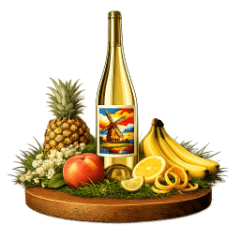
While you might expect tulips and rain, this bottle brings unexpected tropical vibes to the Low Countries. Solaris ripens effortlessly even when the sun plays hide and seek, delivering a glass full of pineapple and hope.
While you might expect tulips and rain, this bottle brings unexpected tropical vibes to the Low Countries. Solaris ripens effortlessly even when the sun plays hide and seek, delivering a glass full of pineapple and hope.
While you might expect tulips and rain, this bottle brings unexpected tropical vibes to the Low Countries. Solaris ripens effortlessly even when the sun plays hide and seek, delivering a glass full of pineapple and hope.
Dutch Johanniter
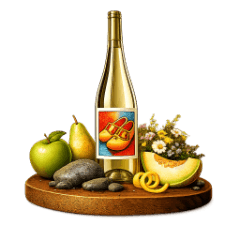
Bred to withstand humidity that would make lesser berries cry, Johanniter delivers a razor-sharp acidity profile reminiscent of noble German ancestors. It brings structure, melon notes, and citrus zest to the northern table without the fuss of traditional farming.
Bred to withstand humidity that would make lesser berries cry, Johanniter delivers a razor-sharp acidity profile reminiscent of noble German ancestors. It brings structure, melon notes, and citrus zest to the northern table without the fuss of traditional farming.
Bred to withstand humidity that would make lesser berries cry, Johanniter delivers a razor-sharp acidity profile reminiscent of noble German ancestors. It brings structure, melon notes, and citrus zest to the northern table without the fuss of traditional farming.
LATEST REVIEWS