«
BROWSE ALL
Netherlands
Netherlands

Beyond the tulips and windmills lies a rapidly expanding wine scene fueled by global warming and stubborn farmers. It is no longer a joke, these cool-climate whites are seriously crisp, clean, and winning international medals.
Beyond the tulips and windmills lies a rapidly expanding wine scene fueled by global warming and stubborn farmers. It is no longer a joke, these cool-climate whites are seriously crisp, clean, and winning international medals.
Beyond the tulips and windmills lies a rapidly expanding wine scene fueled by global warming and stubborn farmers. It is no longer a joke, these cool-climate whites are seriously crisp, clean, and winning international medals.

What it's about
Roman Roots
Climate Beneficiary
Explosive Growth
Roman legions likely planted the first vines here, but the Little Ice Age and protectionist laws crushed the industry until a revival in the 1970s. Today, production is exploding thanks to rising temperatures, with over 180 commercial vineyards covering 300+ hectares. While tiny compared to southern neighbors, the Netherlands is proving that viticulture above the 50th parallel is not just possible, but potentially delicious.
Roman legions likely planted the first vines here, but the Little Ice Age and protectionist laws crushed the industry until a revival in the 1970s. Today, production is exploding thanks to rising temperatures, with over 180 commercial vineyards covering 300+ hectares. While tiny compared to southern neighbors, the Netherlands is proving that viticulture above the 50th parallel is not just possible, but potentially delicious.
Roman legions likely planted the first vines here, but the Little Ice Age and protectionist laws crushed the industry until a revival in the 1970s. Today, production is exploding thanks to rising temperatures, with over 180 commercial vineyards covering 300+ hectares. While tiny compared to southern neighbors, the Netherlands is proving that viticulture above the 50th parallel is not just possible, but potentially delicious.
What they're proud of
Limburg Hills
PIWI Grapes
Sparkling Success
Limburg is the crown jewel, offering rolling hills and calcium-rich loess soils that mimic great French terroirs. Winemakers here champion classic grapes like Riesling and Pinot Noir, while the rest of the country embraces modern fungus-resistant varieties like Johanniter. They are also immensely satisfied that their sparkling wines are winning international gold medals, silencing the snobs who once laughed at Dutch viticulture.
Limburg is the crown jewel, offering rolling hills and calcium-rich loess soils that mimic great French terroirs. Winemakers here champion classic grapes like Riesling and Pinot Noir, while the rest of the country embraces modern fungus-resistant varieties like Johanniter. They are also immensely satisfied that their sparkling wines are winning international gold medals, silencing the snobs who once laughed at Dutch viticulture.
Limburg is the crown jewel, offering rolling hills and calcium-rich loess soils that mimic great French terroirs. Winemakers here champion classic grapes like Riesling and Pinot Noir, while the rest of the country embraces modern fungus-resistant varieties like Johanniter. They are also immensely satisfied that their sparkling wines are winning international gold medals, silencing the snobs who once laughed at Dutch viticulture.
WHAT'S TRENDING
Hybrid Heroes
Local Tourism
Cool Bubbles
Sustainability is the buzzword, with growers embracing hybrid varieties that require zero to minimal spraying against mildew. Sparkling wine production is soaring as the cool climate preserves the necessary acidity perfectly. Additionally, wine tourism is booming, with locals flocking to cellar doors in Achterhoek and Gelderland to buy bottles that rarely make it across the border.
Sustainability is the buzzword, with growers embracing hybrid varieties that require zero to minimal spraying against mildew. Sparkling wine production is soaring as the cool climate preserves the necessary acidity perfectly. Additionally, wine tourism is booming, with locals flocking to cellar doors in Achterhoek and Gelderland to buy bottles that rarely make it across the border.
Sustainability is the buzzword, with growers embracing hybrid varieties that require zero to minimal spraying against mildew. Sparkling wine production is soaring as the cool climate preserves the necessary acidity perfectly. Additionally, wine tourism is booming, with locals flocking to cellar doors in Achterhoek and Gelderland to buy bottles that rarely make it across the border.
LOCAL TALES
The Madman of Maastricht
The Madman of Maastricht
The Madman of Maastricht
Back in 1970, a fruit farmer named Hugo Hulst decided to replace his apple and pear trees with grapevines on the southern slopes of the Jeker Valley. His neighbors in Maastricht tapped their foreheads and called him a lunatic, convinced that the soggy Dutch weather would only produce vinegar. Hugo ignored the mockery and founded Apostelhoeve, the country's first modern commercial vineyard. The first few vintages were admittedly acidic enough to strip paint, but he persisted. Today, his estate is the most famous in the land, and those neighbors are probably begging for a bottle of his crisp Riesling to wash down their herring.
Back in 1970, a fruit farmer named Hugo Hulst decided to replace his apple and pear trees with grapevines on the southern slopes of the Jeker Valley. His neighbors in Maastricht tapped their foreheads and called him a lunatic, convinced that the soggy Dutch weather would only produce vinegar. Hugo ignored the mockery and founded Apostelhoeve, the country's first modern commercial vineyard. The first few vintages were admittedly acidic enough to strip paint, but he persisted. Today, his estate is the most famous in the land, and those neighbors are probably begging for a bottle of his crisp Riesling to wash down their herring.
Frankenstein Grapes No More
Frankenstein Grapes No More
Frankenstein Grapes No More
For decades, hybrid grapes were the ugly ducklings of the wine world - disease-resistant but smelling faintly of wet fox fur. Dutch winemakers, faced with endless rain and humidity, didn't have the luxury of snobbery. They went all-in on new-generation hybrids like Johanniter, Solaris, and Souvignier Gris. Instead of hiding these names, they put them on the front label with pride. The gamble paid off spectacularly when these "lab experiments" started winning gold medals against noble French varieties, proving that you don't need centuries of tradition, just smart science and very waterproof boots.
For decades, hybrid grapes were the ugly ducklings of the wine world - disease-resistant but smelling faintly of wet fox fur. Dutch winemakers, faced with endless rain and humidity, didn't have the luxury of snobbery. They went all-in on new-generation hybrids like Johanniter, Solaris, and Souvignier Gris. Instead of hiding these names, they put them on the front label with pride. The gamble paid off spectacularly when these "lab experiments" started winning gold medals against noble French varieties, proving that you don't need centuries of tradition, just smart science and very waterproof boots.
The Warming Winner
The Warming Winner
The Warming Winner
While southern Europe sweats and struggles with scorching heatwaves that turn grapes into raisins, the Netherlands is quietly doing a victory lap. Climate change has inadvertently shifted the ideal wine-growing zone northward, turning this flat, water-logged nation into a prime spot for fresh whites and sparkling wines. Farmers who spent generations fighting water are now realizing their land is becoming the new Burgundy - or at least the new Champagne. It is a strange irony that the biggest threat to the planet is currently the best marketing manager for the Dutch wine industry.
While southern Europe sweats and struggles with scorching heatwaves that turn grapes into raisins, the Netherlands is quietly doing a victory lap. Climate change has inadvertently shifted the ideal wine-growing zone northward, turning this flat, water-logged nation into a prime spot for fresh whites and sparkling wines. Farmers who spent generations fighting water are now realizing their land is becoming the new Burgundy - or at least the new Champagne. It is a strange irony that the biggest threat to the planet is currently the best marketing manager for the Dutch wine industry.
REGIONS

Limburg
Forget everything you know about the flat Netherlands because here things actually go up and down. It is the gastronomic heart of the country where hills meet vines and limestone runs deep beneath the surface.
Forget everything you know about the flat Netherlands because here things actually go up and down. It is the gastronomic heart of the country where hills meet vines and limestone runs deep beneath the surface.

Gelderland
Farmers are trading pitchforks for pruning shears from the Achterhoek to the Betuwe. It is a surprising hotspot for modern, disease-resistant vines that laugh in the face of rain. Expect crisp whites and lighter reds.
Farmers are trading pitchforks for pruning shears from the Achterhoek to the Betuwe. It is a surprising hotspot for modern, disease-resistant vines that laugh in the face of rain. Expect crisp whites and lighter reds.
WINE STYLES
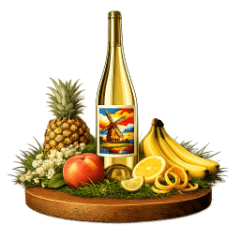
Dutch Solaris
While you might expect tulips and rain, this bottle brings unexpected tropical vibes to the Low Countries. Solaris ripens effortlessly even when the sun plays hide and seek, delivering a glass full of pineapple and hope.
While you might expect tulips and rain, this bottle brings unexpected tropical vibes to the Low Countries. Solaris ripens effortlessly even when the sun plays hide and seek, delivering a glass full of pineapple and hope.
While you might expect tulips and rain, this bottle brings unexpected tropical vibes to the Low Countries. Solaris ripens effortlessly even when the sun plays hide and seek, delivering a glass full of pineapple and hope.
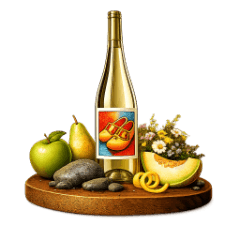
Dutch Johanniter
Bred to withstand humidity that would make lesser berries cry, Johanniter delivers a razor-sharp acidity profile reminiscent of noble German ancestors. It brings structure, melon notes, and citrus zest to the northern table without the fuss of traditional farming.
Bred to withstand humidity that would make lesser berries cry, Johanniter delivers a razor-sharp acidity profile reminiscent of noble German ancestors. It brings structure, melon notes, and citrus zest to the northern table without the fuss of traditional farming.
Bred to withstand humidity that would make lesser berries cry, Johanniter delivers a razor-sharp acidity profile reminiscent of noble German ancestors. It brings structure, melon notes, and citrus zest to the northern table without the fuss of traditional farming.
LATEST REVIEWS