«
Belgium

Haspengouw
Haspengouw
Haspengouw
Blossom Filled Bubbles
Historically known for pears and apples, this Limburg hotspot has swapped fruit baskets for bottle racks. It is currently the epicenter of Belgian viticulture, proving that grey skies can produce brilliant sparkling wines if you have patience.
Historically known for pears and apples, this Limburg hotspot has swapped fruit baskets for bottle racks. It is currently the epicenter of Belgian viticulture, proving that grey skies can produce brilliant sparkling wines if you have patience.
Historically known for pears and apples, this Limburg hotspot has swapped fruit baskets for bottle racks. It is currently the epicenter of Belgian viticulture, proving that grey skies can produce brilliant sparkling wines if you have patience.





Why it's unique
Orchard Conversion
Belgian Powerhouse
Castle Density
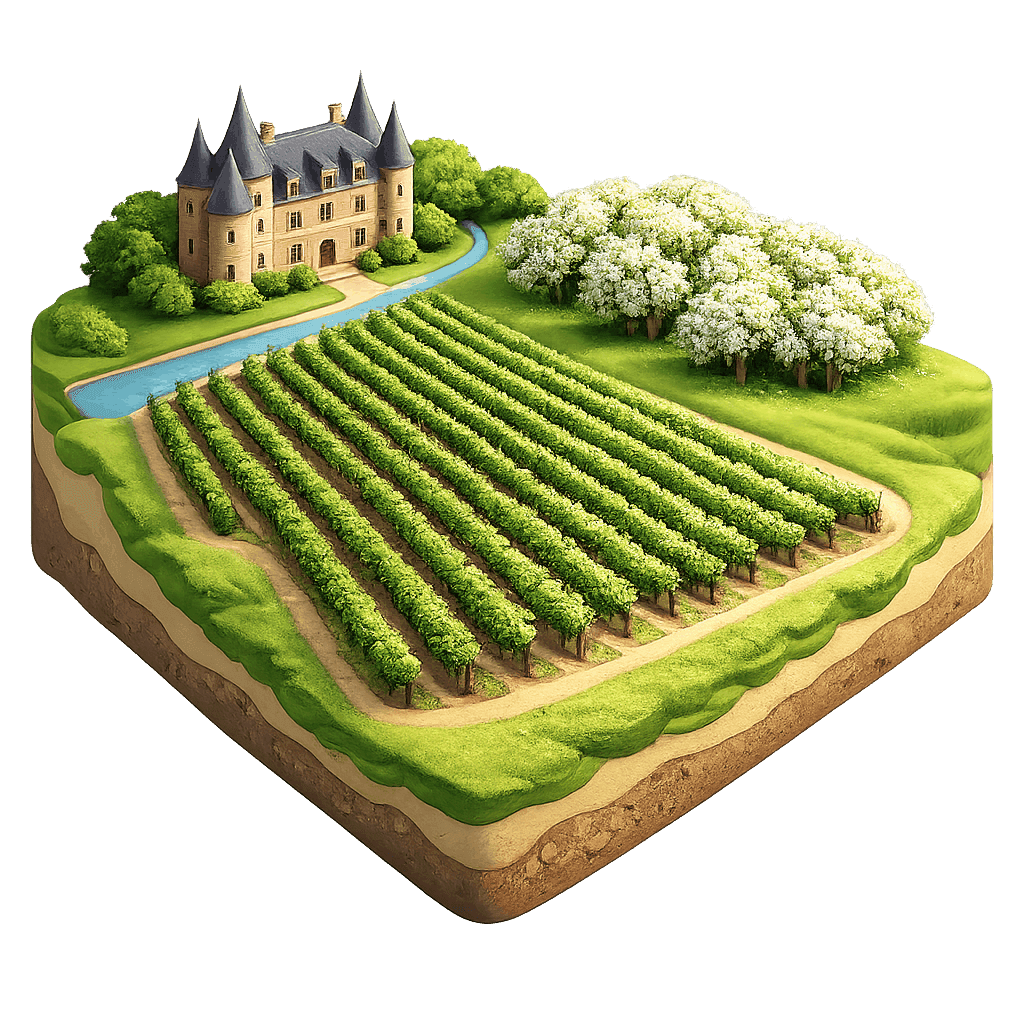
This isn't Champagne, but it sure tries hard to steal the spotlight. Haspengouw is where massive fruit orchards are rapidly converting into vineyards because farmers realized grapes pay better than apples. It is the powerhouse of Belgian wine production, boasting the most chateaus - yes, actual fancy castles - per square mile, offering a bizarre mix of medieval architecture and modern viticulture that feels like a fairytale with better booze.
This isn't Champagne, but it sure tries hard to steal the spotlight. Haspengouw is where massive fruit orchards are rapidly converting into vineyards because farmers realized grapes pay better than apples. It is the powerhouse of Belgian wine production, boasting the most chateaus - yes, actual fancy castles - per square mile, offering a bizarre mix of medieval architecture and modern viticulture that feels like a fairytale with better booze.
This isn't Champagne, but it sure tries hard to steal the spotlight. Haspengouw is where massive fruit orchards are rapidly converting into vineyards because farmers realized grapes pay better than apples. It is the powerhouse of Belgian wine production, boasting the most chateaus - yes, actual fancy castles - per square mile, offering a bizarre mix of medieval architecture and modern viticulture that feels like a fairytale with better booze.
Terroir
Limestone Soil
Cool Climate
Slow Ripening
You might expect mud, but beneath the topsoil lies a treasure trove of marl and limestone similar to regions way further south. The climate is cool - okay, sometimes it's just cold - which keeps acidity razor-sharp. This distinct combination ensures harvests ripen slowly, retaining zesty freshness while the mineral-rich soil injects a salty, chalky kick that makes the final glass dance on your tongue.
You might expect mud, but beneath the topsoil lies a treasure trove of marl and limestone similar to regions way further south. The climate is cool - okay, sometimes it's just cold - which keeps acidity razor-sharp. This distinct combination ensures harvests ripen slowly, retaining zesty freshness while the mineral-rich soil injects a salty, chalky kick that makes the final glass dance on your tongue.
You might expect mud, but beneath the topsoil lies a treasure trove of marl and limestone similar to regions way further south. The climate is cool - okay, sometimes it's just cold - which keeps acidity razor-sharp. This distinct combination ensures harvests ripen slowly, retaining zesty freshness while the mineral-rich soil injects a salty, chalky kick that makes the final glass dance on your tongue.
You gotta try
Sparkling Chardonnay
Aromatic Whites
Light Reds
Sparkling wine is king here, so grab a bottle of Chardonnay-based bubbles to see what the fuss is about. If you prefer still wines, Pinot Blanc and Pinot Gris thrive in this cool climate, offering aromatic floral notes without being cloying. Don't skip Pinot Noir if the summer was hot - it produces a light, crunchy red that pairs perfectly with the local skepticism about global warming.
Sparkling wine is king here, so grab a bottle of Chardonnay-based bubbles to see what the fuss is about. If you prefer still wines, Pinot Blanc and Pinot Gris thrive in this cool climate, offering aromatic floral notes without being cloying. Don't skip Pinot Noir if the summer was hot - it produces a light, crunchy red that pairs perfectly with the local skepticism about global warming.
Sparkling wine is king here, so grab a bottle of Chardonnay-based bubbles to see what the fuss is about. If you prefer still wines, Pinot Blanc and Pinot Gris thrive in this cool climate, offering aromatic floral notes without being cloying. Don't skip Pinot Noir if the summer was hot - it produces a light, crunchy red that pairs perfectly with the local skepticism about global warming.
LOCAL TALES
The Tipsy Monks of Herkenrode
The Tipsy Monks of Herkenrode
The Tipsy Monks of Herkenrode
Back in the Middle Ages, monks were the original party planners of Haspengouw. The Cistercians at Herkenrode Abbey weren't just praying - they were planting. They realized that water was dangerous to drink and milk was for babies, so wine was the logical hydration method. For centuries, this region flowed with everyday wine until the Little Ice Age froze the vines and Napoleon evicted the monks. The industry completely vanished for ages, leaving only paintings of drunk monks as proof. It wasn't until 1990 that brave souls decided to dig up the past, replanting vines on those same holy hillsides to bring the buzzing tradition back to life.
Back in the Middle Ages, monks were the original party planners of Haspengouw. The Cistercians at Herkenrode Abbey weren't just praying - they were planting. They realized that water was dangerous to drink and milk was for babies, so wine was the logical hydration method. For centuries, this region flowed with everyday wine until the Little Ice Age froze the vines and Napoleon evicted the monks. The industry completely vanished for ages, leaving only paintings of drunk monks as proof. It wasn't until 1990 that brave souls decided to dig up the past, replanting vines on those same holy hillsides to bring the buzzing tradition back to life.
Back in the Middle Ages, monks were the original party planners of Haspengouw. The Cistercians at Herkenrode Abbey weren't just praying - they were planting. They realized that water was dangerous to drink and milk was for babies, so wine was the logical hydration method. For centuries, this region flowed with everyday wine until the Little Ice Age froze the vines and Napoleon evicted the monks. The industry completely vanished for ages, leaving only paintings of drunk monks as proof. It wasn't until 1990 that brave souls decided to dig up the past, replanting vines on those same holy hillsides to bring the buzzing tradition back to life.
The Great Fruit Swap
The Great Fruit Swap
The Great Fruit Swap
Imagine owning acres of pear trees but watching your neighbors drive Ferraris because they sell fermented grape juice. That is the modern story of Haspengouw. For decades, this area was the fruit bowl of Belgium, famous for crispy apples and juicy pears. But as wine culture exploded, fruit farmers looked at their south-facing slopes and did the math. They started ripping out perfectly good apple trees to plant Chardonnay. It was a gamble that looked insane to the old locals who loved their applesauce, but when the first vintages won gold medals against French competitors, the laughing stopped. Now, driving through the region is a visual battle between fading orchards and conquering vineyards.
Imagine owning acres of pear trees but watching your neighbors drive Ferraris because they sell fermented grape juice. That is the modern story of Haspengouw. For decades, this area was the fruit bowl of Belgium, famous for crispy apples and juicy pears. But as wine culture exploded, fruit farmers looked at their south-facing slopes and did the math. They started ripping out perfectly good apple trees to plant Chardonnay. It was a gamble that looked insane to the old locals who loved their applesauce, but when the first vintages won gold medals against French competitors, the laughing stopped. Now, driving through the region is a visual battle between fading orchards and conquering vineyards.
Imagine owning acres of pear trees but watching your neighbors drive Ferraris because they sell fermented grape juice. That is the modern story of Haspengouw. For decades, this area was the fruit bowl of Belgium, famous for crispy apples and juicy pears. But as wine culture exploded, fruit farmers looked at their south-facing slopes and did the math. They started ripping out perfectly good apple trees to plant Chardonnay. It was a gamble that looked insane to the old locals who loved their applesauce, but when the first vintages won gold medals against French competitors, the laughing stopped. Now, driving through the region is a visual battle between fading orchards and conquering vineyards.
Castles in the Glass
Castles in the Glass
Castles in the Glass
Usually, when you visit wine country, you visit a shed or a modern tasting room. Here, you are likely to knock on the door of a legit castle. Haspengouw has an absurd density of chateaus, remnants of wealthy nobility who enjoyed the good life. Wineries like Wijnkasteel Genoels-Elderen settled right into these historic piles of stone. There is something profoundly satisfying about sipping a modern sparkling wine while standing in a rose garden that has been manicured since the 18th century. It gives the impression that Belgian wine has been around forever, even if the plants in the ground are younger than your car. It is instant heritage in a bottle.
Usually, when you visit wine country, you visit a shed or a modern tasting room. Here, you are likely to knock on the door of a legit castle. Haspengouw has an absurd density of chateaus, remnants of wealthy nobility who enjoyed the good life. Wineries like Wijnkasteel Genoels-Elderen settled right into these historic piles of stone. There is something profoundly satisfying about sipping a modern sparkling wine while standing in a rose garden that has been manicured since the 18th century. It gives the impression that Belgian wine has been around forever, even if the plants in the ground are younger than your car. It is instant heritage in a bottle.
Usually, when you visit wine country, you visit a shed or a modern tasting room. Here, you are likely to knock on the door of a legit castle. Haspengouw has an absurd density of chateaus, remnants of wealthy nobility who enjoyed the good life. Wineries like Wijnkasteel Genoels-Elderen settled right into these historic piles of stone. There is something profoundly satisfying about sipping a modern sparkling wine while standing in a rose garden that has been manicured since the 18th century. It gives the impression that Belgian wine has been around forever, even if the plants in the ground are younger than your car. It is instant heritage in a bottle.
LOCAL WINE STYLES
Belgian Chardonnay
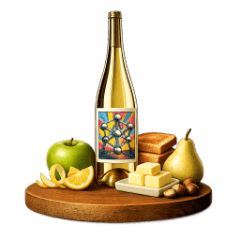
Forgot about the famous beers for a second because Chardonnay here is surprisingly legitimate. It mimics classic French styles with a cooler climate twist, delivering elegance without the heavy price tag often attached to its southern neighbors.
Forgot about the famous beers for a second because Chardonnay here is surprisingly legitimate. It mimics classic French styles with a cooler climate twist, delivering elegance without the heavy price tag often attached to its southern neighbors.
Forgot about the famous beers for a second because Chardonnay here is surprisingly legitimate. It mimics classic French styles with a cooler climate twist, delivering elegance without the heavy price tag often attached to its southern neighbors.
Belgian Auxerrois
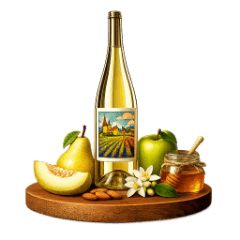
Often confused for Pinot Blanc, this unassuming white quietly saves the day with soft textures and low acidity. It doesn't need a cape to deliver melon and floral vibes that fit perfectly with rainy afternoons.
Often confused for Pinot Blanc, this unassuming white quietly saves the day with soft textures and low acidity. It doesn't need a cape to deliver melon and floral vibes that fit perfectly with rainy afternoons.
Often confused for Pinot Blanc, this unassuming white quietly saves the day with soft textures and low acidity. It doesn't need a cape to deliver melon and floral vibes that fit perfectly with rainy afternoons.
LATEST REVIEWS