«
BROWSE ALL
Belgium
Belgium
This nation is quietly orchestrating a viticultural revolution. With temperatures rising and chalky soils waiting, they are trading hops for vines and proving that cool climates produce serious fizz.
This nation is quietly orchestrating a viticultural revolution. With temperatures rising and chalky soils waiting, they are trading hops for vines and proving that cool climates produce serious fizz.
This nation is quietly orchestrating a viticultural revolution. With temperatures rising and chalky soils waiting, they are trading hops for vines and proving that cool climates produce serious fizz.
What it's about
Explosive growth
Climate beneficiary
Professional shift
Historically known as the world's best beer brewer, this small nation is currently staging one of the most exciting wine comebacks in Europe. Production has exploded from a mere curiosity to over three million liters annually, driven by a warming climate that now mimics the Champagne region. It is no longer a hobbyist's game, professional estates are popping up everywhere, focusing heavily on premium sparkling wines that rival their famous southern neighbors.
Historically known as the world's best beer brewer, this small nation is currently staging one of the most exciting wine comebacks in Europe. Production has exploded from a mere curiosity to over three million liters annually, driven by a warming climate that now mimics the Champagne region. It is no longer a hobbyist's game, professional estates are popping up everywhere, focusing heavily on premium sparkling wines that rival their famous southern neighbors.
Historically known as the world's best beer brewer, this small nation is currently staging one of the most exciting wine comebacks in Europe. Production has exploded from a mere curiosity to over three million liters annually, driven by a warming climate that now mimics the Champagne region. It is no longer a hobbyist's game, professional estates are popping up everywhere, focusing heavily on premium sparkling wines that rival their famous southern neighbors.
What they're proud of
Beating Champagne
Sparkling excellence
Hybrid pioneers
They absolutely love beating the French at their own game. Local winemakers swell with pride whenever one of their "Method Traditionelle" sparkling wines snatches a gold medal away from a prestigious Champagne house in blind tastings. Beyond the bubbles, they champion hybrid grapes like Solaris and Johanniter which thrive here with minimal intervention, proving that you do not need centuries of tradition to make a clean, world-class bottle.
They absolutely love beating the French at their own game. Local winemakers swell with pride whenever one of their "Method Traditionelle" sparkling wines snatches a gold medal away from a prestigious Champagne house in blind tastings. Beyond the bubbles, they champion hybrid grapes like Solaris and Johanniter which thrive here with minimal intervention, proving that you do not need centuries of tradition to make a clean, world-class bottle.
They absolutely love beating the French at their own game. Local winemakers swell with pride whenever one of their "Method Traditionelle" sparkling wines snatches a gold medal away from a prestigious Champagne house in blind tastings. Beyond the bubbles, they champion hybrid grapes like Solaris and Johanniter which thrive here with minimal intervention, proving that you do not need centuries of tradition to make a clean, world-class bottle.
WHAT'S TRENDING
Climate shifts
Noble grapes
BelBul branding
Global warming is the uninvited guest that everyone here is secretly thanking. As harvest dates creep forward by weeks, ripeness levels are hitting sweet spots previously thought impossible for this latitude. Consequently, we are seeing a massive surge in Chardonnay and Pinot Noir plantings, while the new "BelBul" label is uniting producers to give their sparkling wines a distinct, recognizable brand identity on the international stage.
Global warming is the uninvited guest that everyone here is secretly thanking. As harvest dates creep forward by weeks, ripeness levels are hitting sweet spots previously thought impossible for this latitude. Consequently, we are seeing a massive surge in Chardonnay and Pinot Noir plantings, while the new "BelBul" label is uniting producers to give their sparkling wines a distinct, recognizable brand identity on the international stage.
Global warming is the uninvited guest that everyone here is secretly thanking. As harvest dates creep forward by weeks, ripeness levels are hitting sweet spots previously thought impossible for this latitude. Consequently, we are seeing a massive surge in Chardonnay and Pinot Noir plantings, while the new "BelBul" label is uniting producers to give their sparkling wines a distinct, recognizable brand identity on the international stage.
LOCAL TALES
The Dukes' Lost Vineyard
The Dukes' Lost Vineyard
The Dukes' Lost Vineyard
Long before beer became the national religion, the Dukes of Burgundy were treating Brussels like their own personal wine cellar. In the Middle Ages, the slopes of the Coudenberg Palace were covered in vines, supplying the court with local juice that was reportedly quite decent. These vineyards were a symbol of power and luxury until the Little Ice Age and political shifts froze them out of existence. Today, if you wander near the Royal Palace, you are walking over the ghosts of a viticultural golden age that is only just now finding its way back to the surface after centuries of slumber.
Long before beer became the national religion, the Dukes of Burgundy were treating Brussels like their own personal wine cellar. In the Middle Ages, the slopes of the Coudenberg Palace were covered in vines, supplying the court with local juice that was reportedly quite decent. These vineyards were a symbol of power and luxury until the Little Ice Age and political shifts froze them out of existence. Today, if you wander near the Royal Palace, you are walking over the ghosts of a viticultural golden age that is only just now finding its way back to the surface after centuries of slumber.
The Castle That Restarted It All
The Castle That Restarted It All
The Castle That Restarted It All
By the late 20th century, Belgian wine was widely considered a joke - vinegar for the brave. Then came the van Rennes family, who bought the dilapidated Château Genoels-Elderen in the early 90s. Everyone called them crazy when they decided to plant vines on the ancient Roman foundations. But daughter Joyce didn't just plant, she went to France, studied oenology, and came back to apply rigorous Burgundian methods to the Limburg soil. Their success shocked the skeptics and single-handedly proved that if you treat the land right, this country can produce world-class Chardonnay, effectively kickstarting the entire modern industry.
By the late 20th century, Belgian wine was widely considered a joke - vinegar for the brave. Then came the van Rennes family, who bought the dilapidated Château Genoels-Elderen in the early 90s. Everyone called them crazy when they decided to plant vines on the ancient Roman foundations. But daughter Joyce didn't just plant, she went to France, studied oenology, and came back to apply rigorous Burgundian methods to the Limburg soil. Their success shocked the skeptics and single-handedly proved that if you treat the land right, this country can produce world-class Chardonnay, effectively kickstarting the entire modern industry.
The Day France Cried
The Day France Cried
The Day France Cried
There is a special kind of silence that falls over a room when a Belgian wine wins a blind tasting against top-tier Champagnes. It happened with the Chant d'Éole estate, whose sparkling wine was crowned the best in the world at a major competition in 2019. The French judges were reportedly baffled, assuming the exquisite bubbles had to be from Epernay or Reims. When the reveal happened, it wasn't just a win, it was a statement. Since that day, the local industry has walked with a different swagger, knowing their limestone soil is just as good as the one a few hundred kilometers south.
There is a special kind of silence that falls over a room when a Belgian wine wins a blind tasting against top-tier Champagnes. It happened with the Chant d'Éole estate, whose sparkling wine was crowned the best in the world at a major competition in 2019. The French judges were reportedly baffled, assuming the exquisite bubbles had to be from Epernay or Reims. When the reveal happened, it wasn't just a win, it was a statement. Since that day, the local industry has walked with a different swagger, knowing their limestone soil is just as good as the one a few hundred kilometers south.
REGIONS

Hageland
Forget beer for a second because this patch of Belgian countryside has been pumping out vino since the Middle Ages. It is basically the godfather of the modern Belgian wine renaissance and proudly wears its rust-colored soil on its sleeve.
Forget beer for a second because this patch of Belgian countryside has been pumping out vino since the Middle Ages. It is basically the godfather of the modern Belgian wine renaissance and proudly wears its rust-colored soil on its sleeve.

Haspengouw
Historically known for pears and apples, this Limburg hotspot has swapped fruit baskets for bottle racks. It is currently the epicenter of Belgian viticulture, proving that grey skies can produce brilliant sparkling wines if you have patience.
Historically known for pears and apples, this Limburg hotspot has swapped fruit baskets for bottle racks. It is currently the epicenter of Belgian viticulture, proving that grey skies can produce brilliant sparkling wines if you have patience.
WINE STYLES
Belgian Chardonnay
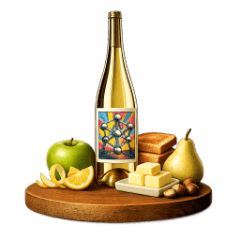
Forgot about the famous beers for a second because Chardonnay here is surprisingly legitimate. It mimics classic French styles with a cooler climate twist, delivering elegance without the heavy price tag often attached to its southern neighbors.
Forgot about the famous beers for a second because Chardonnay here is surprisingly legitimate. It mimics classic French styles with a cooler climate twist, delivering elegance without the heavy price tag often attached to its southern neighbors.
Forgot about the famous beers for a second because Chardonnay here is surprisingly legitimate. It mimics classic French styles with a cooler climate twist, delivering elegance without the heavy price tag often attached to its southern neighbors.
Belgian Auxerrois
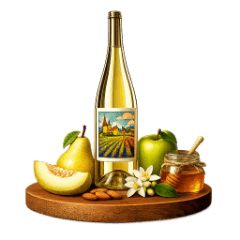
Often confused for Pinot Blanc, this unassuming white quietly saves the day with soft textures and low acidity. It doesn't need a cape to deliver melon and floral vibes that fit perfectly with rainy afternoons.
Often confused for Pinot Blanc, this unassuming white quietly saves the day with soft textures and low acidity. It doesn't need a cape to deliver melon and floral vibes that fit perfectly with rainy afternoons.
Often confused for Pinot Blanc, this unassuming white quietly saves the day with soft textures and low acidity. It doesn't need a cape to deliver melon and floral vibes that fit perfectly with rainy afternoons.
LATEST REVIEWS