«
Belgium

Hageland
Hageland
Hageland
Ironstone Wine Pioneer
Forget beer for a second because this patch of Belgian countryside has been pumping out vino since the Middle Ages. It is basically the godfather of the modern Belgian wine renaissance and proudly wears its rust-colored soil on its sleeve.
Forget beer for a second because this patch of Belgian countryside has been pumping out vino since the Middle Ages. It is basically the godfather of the modern Belgian wine renaissance and proudly wears its rust-colored soil on its sleeve.
Forget beer for a second because this patch of Belgian countryside has been pumping out vino since the Middle Ages. It is basically the godfather of the modern Belgian wine renaissance and proudly wears its rust-colored soil on its sleeve.





Why it's unique
First AOC
Historic Revival
Northern Pioneer
History buffs, listen up. While the rest of the country was obsessing over brewing monks, Hageland grabbed the very first protected designation of origin in Belgium back in 1997. It is a trailblazer. You find vineyards clinging to south-facing slopes that act like natural solar panels, proving that high-quality viticulture is not just a Mediterranean hobby but serious business up north.
History buffs, listen up. While the rest of the country was obsessing over brewing monks, Hageland grabbed the very first protected designation of origin in Belgium back in 1997. It is a trailblazer. You find vineyards clinging to south-facing slopes that act like natural solar panels, proving that high-quality viticulture is not just a Mediterranean hobby but serious business up north.
History buffs, listen up. While the rest of the country was obsessing over brewing monks, Hageland grabbed the very first protected designation of origin in Belgium back in 1997. It is a trailblazer. You find vineyards clinging to south-facing slopes that act like natural solar panels, proving that high-quality viticulture is not just a Mediterranean hobby but serious business up north.
Terroir
Iron Sandstone
Heat Retention
Rusty Soil
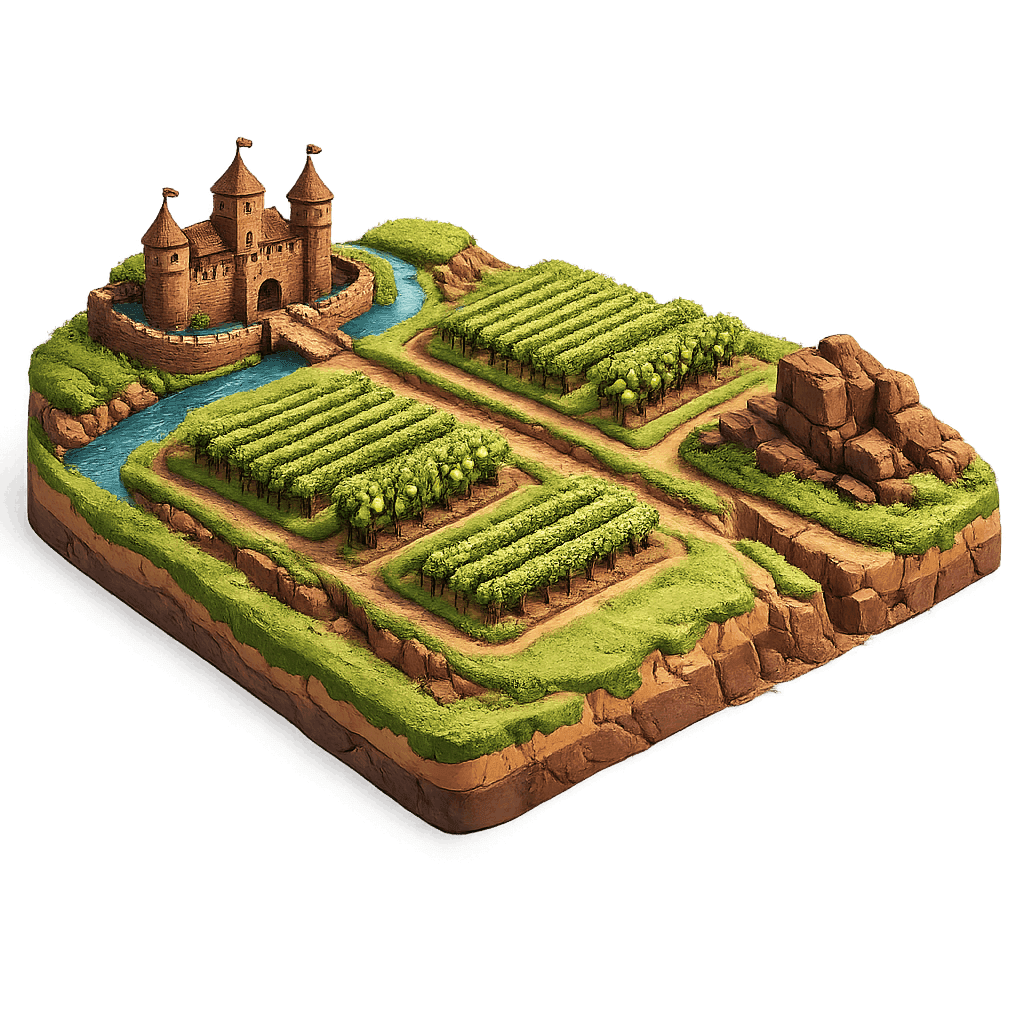
Rust is usually bad news, but here it is magic. The soil is packed with ferruginous sandstone, which gives the dirt a distinct reddish hue and does an amazing job at holding onto heat. During those chilly Belgian nights, that stored warmth radiates back up to the roots, helping Müller-Thurgau and Pinot Noir ripen fully when the weather tries to be difficult.
Rust is usually bad news, but here it is magic. The soil is packed with ferruginous sandstone, which gives the dirt a distinct reddish hue and does an amazing job at holding onto heat. During those chilly Belgian nights, that stored warmth radiates back up to the roots, helping Müller-Thurgau and Pinot Noir ripen fully when the weather tries to be difficult.
Rust is usually bad news, but here it is magic. The soil is packed with ferruginous sandstone, which gives the dirt a distinct reddish hue and does an amazing job at holding onto heat. During those chilly Belgian nights, that stored warmth radiates back up to the roots, helping Müller-Thurgau and Pinot Noir ripen fully when the weather tries to be difficult.
You gotta try
Crisp Whites
Müller-Thurgau
Surprising Reds
Grab a bottle of crisp Müller-Thurgau if you want to taste what started the hype. It is fresh, floral, and perfect for sunny afternoons. For something with a bit more grip, hunt down a Pinot Noir. Thanks to that heat-retaining ironstone, it develops lovely red fruit flavors that might just trick you into thinking you are drinking something from a much warmer latitude.
Grab a bottle of crisp Müller-Thurgau if you want to taste what started the hype. It is fresh, floral, and perfect for sunny afternoons. For something with a bit more grip, hunt down a Pinot Noir. Thanks to that heat-retaining ironstone, it develops lovely red fruit flavors that might just trick you into thinking you are drinking something from a much warmer latitude.
Grab a bottle of crisp Müller-Thurgau if you want to taste what started the hype. It is fresh, floral, and perfect for sunny afternoons. For something with a bit more grip, hunt down a Pinot Noir. Thanks to that heat-retaining ironstone, it develops lovely red fruit flavors that might just trick you into thinking you are drinking something from a much warmer latitude.
LOCAL TALES
The 1997 Breakthrough
The 1997 Breakthrough
The 1997 Breakthrough
Back in the 1990s, telling someone you made Belgian wine was like saying you grew pineapples in Alaska. People laughed. But a group of stubborn locals in Hageland ignored the giggles and lobbied hard for recognition. They knew their south-facing slopes had potential that exceeded backyard hobby status. Their persistence paid off massive dividends when Hageland became the very first region in the country to receive an official Controlled Designation of Origin in 1997. It was a mic-drop moment that legitimized the entire industry. Suddenly, restaurants started creating local wine lists, and the jokes stopped. It wasn't just fermented juice anymore - it was a protected cultural heritage that paved the way for every other Belgian appellation.
Back in the 1990s, telling someone you made Belgian wine was like saying you grew pineapples in Alaska. People laughed. But a group of stubborn locals in Hageland ignored the giggles and lobbied hard for recognition. They knew their south-facing slopes had potential that exceeded backyard hobby status. Their persistence paid off massive dividends when Hageland became the very first region in the country to receive an official Controlled Designation of Origin in 1997. It was a mic-drop moment that legitimized the entire industry. Suddenly, restaurants started creating local wine lists, and the jokes stopped. It wasn't just fermented juice anymore - it was a protected cultural heritage that paved the way for every other Belgian appellation.
Back in the 1990s, telling someone you made Belgian wine was like saying you grew pineapples in Alaska. People laughed. But a group of stubborn locals in Hageland ignored the giggles and lobbied hard for recognition. They knew their south-facing slopes had potential that exceeded backyard hobby status. Their persistence paid off massive dividends when Hageland became the very first region in the country to receive an official Controlled Designation of Origin in 1997. It was a mic-drop moment that legitimized the entire industry. Suddenly, restaurants started creating local wine lists, and the jokes stopped. It wasn't just fermented juice anymore - it was a protected cultural heritage that paved the way for every other Belgian appellation.
The Hill That Could
The Hill That Could
The Hill That Could
If you wander around the village of Wezemaal, you might stumble upon the historic stone wall, a spot that feels more like Tuscany than Flanders on a good day. The centerpiece here is the Wijngaardberg, a hill that serves as the spiritual home of the region's viticulture. Locals claim the microclimate here is so specific that it creates a thermal pocket, shielding the grapes from the biting North Sea winds. During the annual wine festivals, this hill transforms into a pilgrimage site where thousands of visitors hike up just to sip glasses of Pinot Noir. It stands as living proof that geography - specifically a well-placed hill - matters more than latitude when you are trying to ripen fruit on the edge.
If you wander around the village of Wezemaal, you might stumble upon the historic stone wall, a spot that feels more like Tuscany than Flanders on a good day. The centerpiece here is the Wijngaardberg, a hill that serves as the spiritual home of the region's viticulture. Locals claim the microclimate here is so specific that it creates a thermal pocket, shielding the grapes from the biting North Sea winds. During the annual wine festivals, this hill transforms into a pilgrimage site where thousands of visitors hike up just to sip glasses of Pinot Noir. It stands as living proof that geography - specifically a well-placed hill - matters more than latitude when you are trying to ripen fruit on the edge.
If you wander around the village of Wezemaal, you might stumble upon the historic stone wall, a spot that feels more like Tuscany than Flanders on a good day. The centerpiece here is the Wijngaardberg, a hill that serves as the spiritual home of the region's viticulture. Locals claim the microclimate here is so specific that it creates a thermal pocket, shielding the grapes from the biting North Sea winds. During the annual wine festivals, this hill transforms into a pilgrimage site where thousands of visitors hike up just to sip glasses of Pinot Noir. It stands as living proof that geography - specifically a well-placed hill - matters more than latitude when you are trying to ripen fruit on the edge.
Monks and Comebacks
Monks and Comebacks
Monks and Comebacks
Medieval monks were the original influencers here, planting vines long before beer became the national religion. In the Middle Ages, the Dukes of Brabant owned extensive vineyards in this area, shipping barrels to thirsty courts across Northern Europe. However, a combination of the Little Ice Age and the rise of cheaper French imports eventually killed off the industry. For centuries, the hills went silent, covered in grass instead of vines. The modern revival isn't a new invention but a resurrection of a lost legacy. When you drink a glass from Hageland today, you are essentially tasting a comeback story that took several hundred years to write. It is a delicious history lesson without the boring exam.
Medieval monks were the original influencers here, planting vines long before beer became the national religion. In the Middle Ages, the Dukes of Brabant owned extensive vineyards in this area, shipping barrels to thirsty courts across Northern Europe. However, a combination of the Little Ice Age and the rise of cheaper French imports eventually killed off the industry. For centuries, the hills went silent, covered in grass instead of vines. The modern revival isn't a new invention but a resurrection of a lost legacy. When you drink a glass from Hageland today, you are essentially tasting a comeback story that took several hundred years to write. It is a delicious history lesson without the boring exam.
Medieval monks were the original influencers here, planting vines long before beer became the national religion. In the Middle Ages, the Dukes of Brabant owned extensive vineyards in this area, shipping barrels to thirsty courts across Northern Europe. However, a combination of the Little Ice Age and the rise of cheaper French imports eventually killed off the industry. For centuries, the hills went silent, covered in grass instead of vines. The modern revival isn't a new invention but a resurrection of a lost legacy. When you drink a glass from Hageland today, you are essentially tasting a comeback story that took several hundred years to write. It is a delicious history lesson without the boring exam.
LOCAL WINE STYLES
Belgian Chardonnay
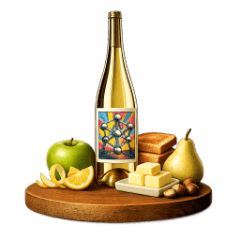
Forgot about the famous beers for a second because Chardonnay here is surprisingly legitimate. It mimics classic French styles with a cooler climate twist, delivering elegance without the heavy price tag often attached to its southern neighbors.
Forgot about the famous beers for a second because Chardonnay here is surprisingly legitimate. It mimics classic French styles with a cooler climate twist, delivering elegance without the heavy price tag often attached to its southern neighbors.
Forgot about the famous beers for a second because Chardonnay here is surprisingly legitimate. It mimics classic French styles with a cooler climate twist, delivering elegance without the heavy price tag often attached to its southern neighbors.
Belgian Auxerrois
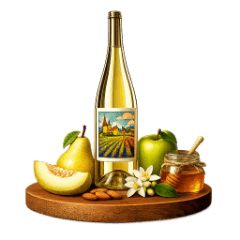
Often confused for Pinot Blanc, this unassuming white quietly saves the day with soft textures and low acidity. It doesn't need a cape to deliver melon and floral vibes that fit perfectly with rainy afternoons.
Often confused for Pinot Blanc, this unassuming white quietly saves the day with soft textures and low acidity. It doesn't need a cape to deliver melon and floral vibes that fit perfectly with rainy afternoons.
Often confused for Pinot Blanc, this unassuming white quietly saves the day with soft textures and low acidity. It doesn't need a cape to deliver melon and floral vibes that fit perfectly with rainy afternoons.
LATEST REVIEWS