«
Denmark

Fyn
Fyn
Fyn
Fairytale Fruit Haven
Sitting snugly between Zealand and Jutland, this island is famously Hans Christian Andersen's birthplace. It is not just about ugly ducklings, though - it is quickly becoming a hotspot for fruit wines and cold-hardy viticulture experiments that actually taste good.
Sitting snugly between Zealand and Jutland, this island is famously Hans Christian Andersen's birthplace. It is not just about ugly ducklings, though - it is quickly becoming a hotspot for fruit wines and cold-hardy viticulture experiments that actually taste good.
Sitting snugly between Zealand and Jutland, this island is famously Hans Christian Andersen's birthplace. It is not just about ugly ducklings, though - it is quickly becoming a hotspot for fruit wines and cold-hardy viticulture experiments that actually taste good.





Why it's unique
Garden reputation
Water radiator
Vineyard ambition
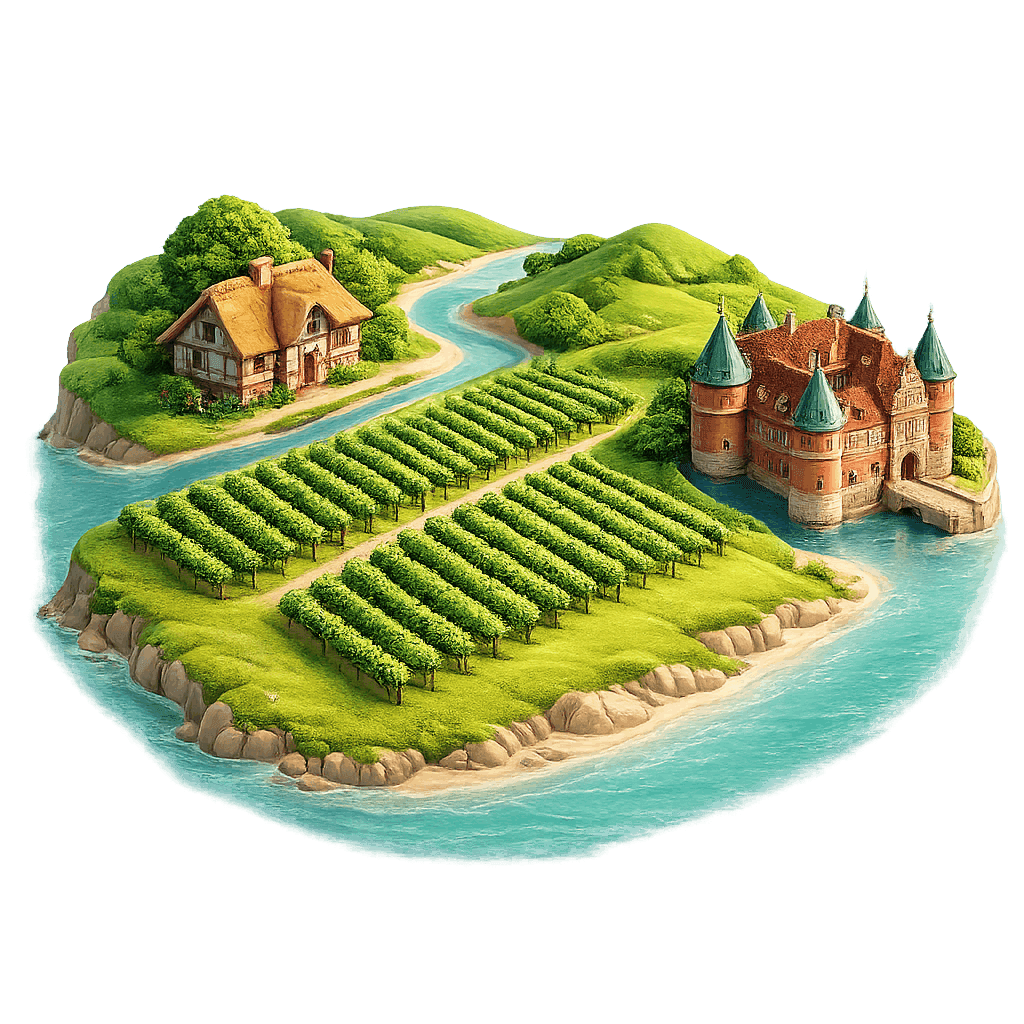
What makes this place pop is the sheer coziness mixed with agricultural prowess. Known historically as the Garden of Denmark, producers here are taking apples, pears, and grapes as seriously as traditional wine crops. But do not sleep on the vineyards - solaris and Pinot Noir are thriving here, benefiting from the surrounding water that acts like a massive radiator, keeping frost at bay longer than you would expect in Scandinavia.
What makes this place pop is the sheer coziness mixed with agricultural prowess. Known historically as the Garden of Denmark, producers here are taking apples, pears, and grapes as seriously as traditional wine crops. But do not sleep on the vineyards - solaris and Pinot Noir are thriving here, benefiting from the surrounding water that acts like a massive radiator, keeping frost at bay longer than you would expect in Scandinavia.
What makes this place pop is the sheer coziness mixed with agricultural prowess. Known historically as the Garden of Denmark, producers here are taking apples, pears, and grapes as seriously as traditional wine crops. But do not sleep on the vineyards - solaris and Pinot Noir are thriving here, benefiting from the surrounding water that acts like a massive radiator, keeping frost at bay longer than you would expect in Scandinavia.
Terroir
Glacial deposits
Clay sand
Maritime moderation
Glacial soil deposits define the landscape, offering a mix of clay and sand that drains well but holds enough moisture for thirsty roots. The surrounding belts of water moderate the temperature, extending the growing season just enough to ripen solaris fully. It is a cool climate zone, obviously, so acidity remains razor-sharp, preserving the fresh, aromatic profiles of white wines and the tart crunch of the reds.
Glacial soil deposits define the landscape, offering a mix of clay and sand that drains well but holds enough moisture for thirsty roots. The surrounding belts of water moderate the temperature, extending the growing season just enough to ripen solaris fully. It is a cool climate zone, obviously, so acidity remains razor-sharp, preserving the fresh, aromatic profiles of white wines and the tart crunch of the reds.
Glacial soil deposits define the landscape, offering a mix of clay and sand that drains well but holds enough moisture for thirsty roots. The surrounding belts of water moderate the temperature, extending the growing season just enough to ripen solaris fully. It is a cool climate zone, obviously, so acidity remains razor-sharp, preserving the fresh, aromatic profiles of white wines and the tart crunch of the reds.
You gotta try
Crisp Solaris
Elegant Pinot
Rustic Rondo
Grab a bottle of crisp solaris if you want to see how tropical Danish white wine can actually get. For the adventurous, seek out the ambitious red wines - specifically Pinot Noir from Stokkebye, which has gained international acclaim. It is structured, elegant, and nothing like the watery juice you might be fearing. Rondo blends here also offer a surprisingly rustic, spicy red experience.
Grab a bottle of crisp solaris if you want to see how tropical Danish white wine can actually get. For the adventurous, seek out the ambitious red wines - specifically Pinot Noir from Stokkebye, which has gained international acclaim. It is structured, elegant, and nothing like the watery juice you might be fearing. Rondo blends here also offer a surprisingly rustic, spicy red experience.
Grab a bottle of crisp solaris if you want to see how tropical Danish white wine can actually get. For the adventurous, seek out the ambitious red wines - specifically Pinot Noir from Stokkebye, which has gained international acclaim. It is structured, elegant, and nothing like the watery juice you might be fearing. Rondo blends here also offer a surprisingly rustic, spicy red experience.
LOCAL TALES
The Fairytale Factor
The Fairytale Factor
The Fairytale Factor
Hans Christian Andersen was born in Odense, right in the heart of Fyn. While he was busy writing about mermaids and tin soldiers, he probably didn't guess his backyard would one day produce award-winning alcohol. Locals love to say the landscape inspired his stories, and now that same magical, rolling terrain is nurturing vines. It is almost poetic that a region famous for storytelling is now rewriting the narrative on what Nordic wine can be - turning the ugly duckling of cold-climate farming into a beautiful swan of a beverage that critics actually enjoy drinking.
Hans Christian Andersen was born in Odense, right in the heart of Fyn. While he was busy writing about mermaids and tin soldiers, he probably didn't guess his backyard would one day produce award-winning alcohol. Locals love to say the landscape inspired his stories, and now that same magical, rolling terrain is nurturing vines. It is almost poetic that a region famous for storytelling is now rewriting the narrative on what Nordic wine can be - turning the ugly duckling of cold-climate farming into a beautiful swan of a beverage that critics actually enjoy drinking.
Hans Christian Andersen was born in Odense, right in the heart of Fyn. While he was busy writing about mermaids and tin soldiers, he probably didn't guess his backyard would one day produce award-winning alcohol. Locals love to say the landscape inspired his stories, and now that same magical, rolling terrain is nurturing vines. It is almost poetic that a region famous for storytelling is now rewriting the narrative on what Nordic wine can be - turning the ugly duckling of cold-climate farming into a beautiful swan of a beverage that critics actually enjoy drinking.
The Impossible Red
The Impossible Red
The Impossible Red
For years, Pinot Noir was considered a fantasy in these latitudes. Then visionaries on Fyn, like the Stokkebye family, decided to ignore the rulebook. By treating the vines with obsessive care and aging the wine in French oak, they created delicate, complex reds that blind-tasted their way into Michelin restaurants. It put the region on the global map, proving that with enough grit, you don't need a Mediterranean climate to make world-class wine.
For years, Pinot Noir was considered a fantasy in these latitudes. Then visionaries on Fyn, like the Stokkebye family, decided to ignore the rulebook. By treating the vines with obsessive care and aging the wine in French oak, they created delicate, complex reds that blind-tasted their way into Michelin restaurants. It put the region on the global map, proving that with enough grit, you don't need a Mediterranean climate to make world-class wine.
For years, Pinot Noir was considered a fantasy in these latitudes. Then visionaries on Fyn, like the Stokkebye family, decided to ignore the rulebook. By treating the vines with obsessive care and aging the wine in French oak, they created delicate, complex reds that blind-tasted their way into Michelin restaurants. It put the region on the global map, proving that with enough grit, you don't need a Mediterranean climate to make world-class wine.
The Island Radiator
The Island Radiator
The Island Radiator
Geographically, Fyn is lucky. It is completely surrounded by water - the Great Belt and the Little Belt. In the wine world, this is huge. These bodies of water heat up during the summer and release that warmth slowly as autumn creeps in. This natural radiator effect saves the crop from early frosts that would usually kill the party in October. It allows solaris to hang on just a few weeks longer, gathering that extra sugar needed to avoid tasting like squeezed lemons. Without those straits, viticulture here would be a much sadder story.
Geographically, Fyn is lucky. It is completely surrounded by water - the Great Belt and the Little Belt. In the wine world, this is huge. These bodies of water heat up during the summer and release that warmth slowly as autumn creeps in. This natural radiator effect saves the crop from early frosts that would usually kill the party in October. It allows solaris to hang on just a few weeks longer, gathering that extra sugar needed to avoid tasting like squeezed lemons. Without those straits, viticulture here would be a much sadder story.
Geographically, Fyn is lucky. It is completely surrounded by water - the Great Belt and the Little Belt. In the wine world, this is huge. These bodies of water heat up during the summer and release that warmth slowly as autumn creeps in. This natural radiator effect saves the crop from early frosts that would usually kill the party in October. It allows solaris to hang on just a few weeks longer, gathering that extra sugar needed to avoid tasting like squeezed lemons. Without those straits, viticulture here would be a much sadder story.
LOCAL WINE STYLES
Danish Solaris
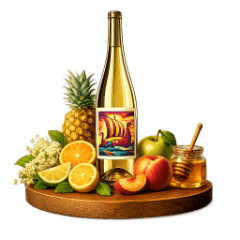
Imagine biting into a ripe pineapple while standing in a blizzard. That is basically what happens here. Solaris defies logic by ripening perfectly in Scandinavia, delivering a fruit basket of flavors despite the chilly northern latitude.
Imagine biting into a ripe pineapple while standing in a blizzard. That is basically what happens here. Solaris defies logic by ripening perfectly in Scandinavia, delivering a fruit basket of flavors despite the chilly northern latitude.
Imagine biting into a ripe pineapple while standing in a blizzard. That is basically what happens here. Solaris defies logic by ripening perfectly in Scandinavia, delivering a fruit basket of flavors despite the chilly northern latitude.
Danish Rondo
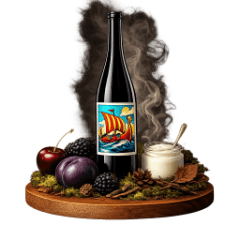
Don't let the latitude fool you - this red is seriously pigmented and surprisingly robust for a region better known for pastry. Rondo delivers a glass full of dark berries and a rustic charm that screams Scandinavia.
Don't let the latitude fool you - this red is seriously pigmented and surprisingly robust for a region better known for pastry. Rondo delivers a glass full of dark berries and a rustic charm that screams Scandinavia.
Don't let the latitude fool you - this red is seriously pigmented and surprisingly robust for a region better known for pastry. Rondo delivers a glass full of dark berries and a rustic charm that screams Scandinavia.
LATEST REVIEWS