«
BROWSE ALL
Denmark
Denmark

Forget the butter cookies and Lego for a second - something far more drinkable is happening up here. It is a land where vines battle frost, sunlight lasts until midnight, and skeptics are silenced by surprisingly crisp glasses.
Forget the butter cookies and Lego for a second - something far more drinkable is happening up here. It is a land where vines battle frost, sunlight lasts until midnight, and skeptics are silenced by surprisingly crisp glasses.
Forget the butter cookies and Lego for a second - something far more drinkable is happening up here. It is a land where vines battle frost, sunlight lasts until midnight, and skeptics are silenced by surprisingly crisp glasses.
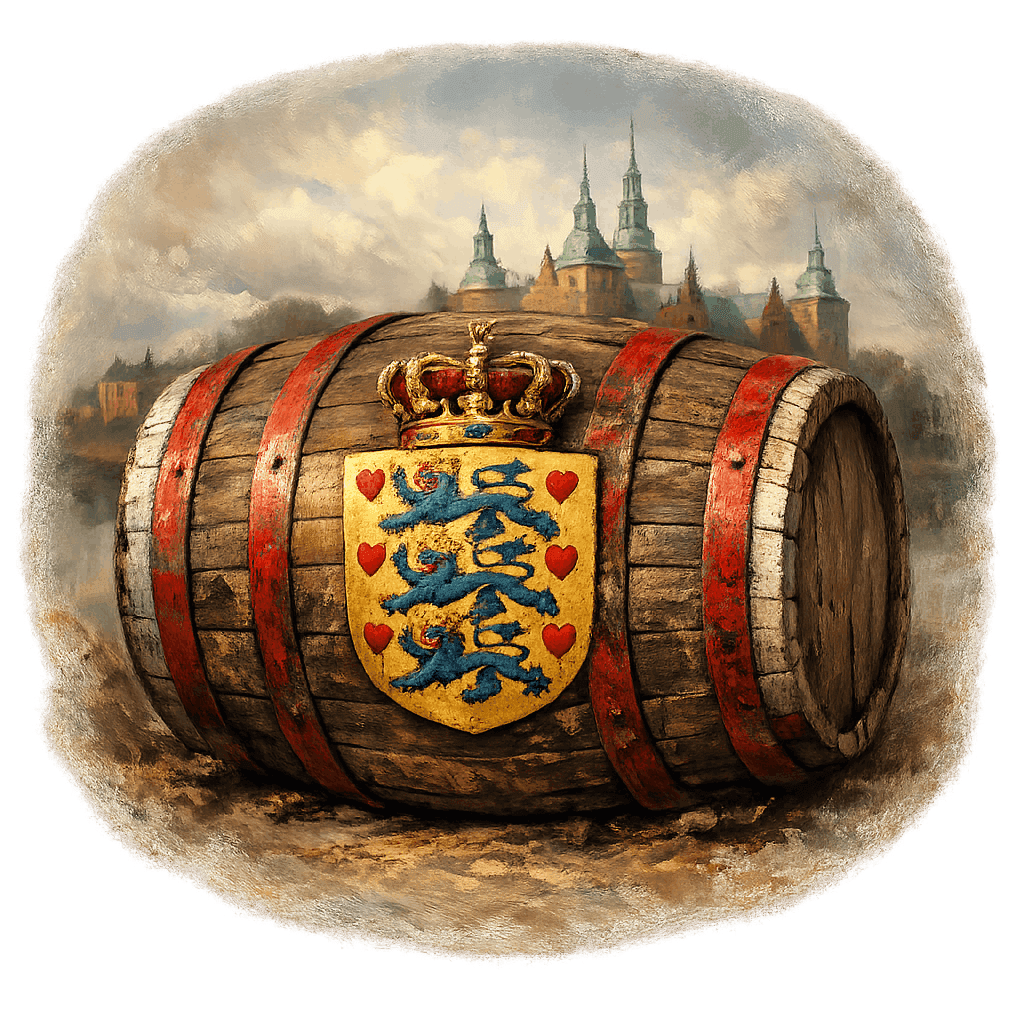
What it's about
Young Industry
Tiny Production
Cool Climate
Officially recognized by the EU only since August 2000, this tiny wine nation is the definition of an underdog story. Production is microscopic - around 175 hectares spread across Jutland and the islands - but it is growing faster than a vine in July. While hobbyists started the movement, serious commercial wineries are now proving that climate change and determination can turn the 55th parallel into a legitimate viticultural hotspot.
Officially recognized by the EU only since August 2000, this tiny wine nation is the definition of an underdog story. Production is microscopic - around 175 hectares spread across Jutland and the islands - but it is growing faster than a vine in July. While hobbyists started the movement, serious commercial wineries are now proving that climate change and determination can turn the 55th parallel into a legitimate viticultural hotspot.
Officially recognized by the EU only since August 2000, this tiny wine nation is the definition of an underdog story. Production is microscopic - around 175 hectares spread across Jutland and the islands - but it is growing faster than a vine in July. While hobbyists started the movement, serious commercial wineries are now proving that climate change and determination can turn the 55th parallel into a legitimate viticultural hotspot.
What they're proud of
Dons PDO
World Class
Hybrid Mastery
Dons is their golden child - the very first Protected Designation of Origin (PDO) in the country and the northernmost one in the entire EU. Located near Kolding, this tiny appellation produces sparkling wines that have beaten French competitors in blind tastings. They are also fiercely proud of mastering hybrids like Solaris, proving that you do not need centuries of tradition to make a bottle worth drinking.
Dons is their golden child - the very first Protected Designation of Origin (PDO) in the country and the northernmost one in the entire EU. Located near Kolding, this tiny appellation produces sparkling wines that have beaten French competitors in blind tastings. They are also fiercely proud of mastering hybrids like Solaris, proving that you do not need centuries of tradition to make a bottle worth drinking.
Dons is their golden child - the very first Protected Designation of Origin (PDO) in the country and the northernmost one in the entire EU. Located near Kolding, this tiny appellation produces sparkling wines that have beaten French competitors in blind tastings. They are also fiercely proud of mastering hybrids like Solaris, proving that you do not need centuries of tradition to make a bottle worth drinking.
WHAT'S TRENDING
Sparkling Wine
PIWI Grapes
Organic Farming
Acid is the new sugar here. Because the climate ensures sky-high acidity, sparkling wine is exploding in popularity, accounting for nearly 20% of all production. Winemakers are also doubling down on PIWI varieties - fungus-resistant grapes that survive the damp Danish autumns without heavy chemicals. Natural wine techniques are also creeping in, as a new generation of growers embraces the wild, untamed nature of Nordic viticulture.
Acid is the new sugar here. Because the climate ensures sky-high acidity, sparkling wine is exploding in popularity, accounting for nearly 20% of all production. Winemakers are also doubling down on PIWI varieties - fungus-resistant grapes that survive the damp Danish autumns without heavy chemicals. Natural wine techniques are also creeping in, as a new generation of growers embraces the wild, untamed nature of Nordic viticulture.
Acid is the new sugar here. Because the climate ensures sky-high acidity, sparkling wine is exploding in popularity, accounting for nearly 20% of all production. Winemakers are also doubling down on PIWI varieties - fungus-resistant grapes that survive the damp Danish autumns without heavy chemicals. Natural wine techniques are also creeping in, as a new generation of growers embraces the wild, untamed nature of Nordic viticulture.
LOCAL TALES
The Millennium Legalization
The Millennium Legalization
The Millennium Legalization
For decades, making wine in Denmark was legally comparable to moonshining - strictly a garage hobby banned from commercial sale by EU overproduction rules. But a group of stubborn enthusiasts, armed with spreadsheets and fermenting buckets, lobbied for years to prove their grapes weren't just sour berries. Their persistence paid off on August 1, 2000, when the EU finally gave the nod, allowing Denmark to become a commercial wine nation. The first vintage in 2001 was released with bated breath and sold out instantly. It wasn't just wine, it was liquid proof that the impossible had been bottled. Today, that original band of rebels has grown into over 100 commercial wineries.
For decades, making wine in Denmark was legally comparable to moonshining - strictly a garage hobby banned from commercial sale by EU overproduction rules. But a group of stubborn enthusiasts, armed with spreadsheets and fermenting buckets, lobbied for years to prove their grapes weren't just sour berries. Their persistence paid off on August 1, 2000, when the EU finally gave the nod, allowing Denmark to become a commercial wine nation. The first vintage in 2001 was released with bated breath and sold out instantly. It wasn't just wine, it was liquid proof that the impossible had been bottled. Today, that original band of rebels has grown into over 100 commercial wineries.
The Northernmost Pop
The Northernmost Pop
The Northernmost Pop
If you told a French sommelier twenty years ago that the EU's most northern Protected Designation of Origin would be near the chilly city of Kolding, they would have choked on their croissant. Enter Sven Moesgaard, a visionary who established Skærsøgaard Vin. He didn't just want to make Danish wine, he wanted a badge of honor. He fought for the creation of the 'Dons' PDO, a tiny region dedicated to sparkling wine. In 2018, he got it. Now, 'Dons' is the only Danish food or drink product with this elite EU protection, sitting at the same legal table as Champagne and Parmesan, proving that latitude is just a number when you have enough pressure in the bottle.
If you told a French sommelier twenty years ago that the EU's most northern Protected Designation of Origin would be near the chilly city of Kolding, they would have choked on their croissant. Enter Sven Moesgaard, a visionary who established Skærsøgaard Vin. He didn't just want to make Danish wine, he wanted a badge of honor. He fought for the creation of the 'Dons' PDO, a tiny region dedicated to sparkling wine. In 2018, he got it. Now, 'Dons' is the only Danish food or drink product with this elite EU protection, sitting at the same legal table as Champagne and Parmesan, proving that latitude is just a number when you have enough pressure in the bottle.
The Solar Saviour
The Solar Saviour
The Solar Saviour
For years, Danish viticulture was a tragic comedy of trying to ripen Pinot Noir in mud. Then came Solaris. Bred in Germany in 1975, this grape was the ugly duckling that became the swan of the North. It didn't care about the rain, it laughed at the fungus, and it ripened while other vines were still shivering. Today, Solaris is the country's most planted grape. It is the workhorse, the savior, and the superstar all in one. It yields wines with notes of elderflower and pineapple that taste like a tropical vacation, which is exactly what you need during a dark Scandinavian winter. Without this resilient plant, Danish wine might still be a myth.
For years, Danish viticulture was a tragic comedy of trying to ripen Pinot Noir in mud. Then came Solaris. Bred in Germany in 1975, this grape was the ugly duckling that became the swan of the North. It didn't care about the rain, it laughed at the fungus, and it ripened while other vines were still shivering. Today, Solaris is the country's most planted grape. It is the workhorse, the savior, and the superstar all in one. It yields wines with notes of elderflower and pineapple that taste like a tropical vacation, which is exactly what you need during a dark Scandinavian winter. Without this resilient plant, Danish wine might still be a myth.
REGIONS
Jylland
Believe it or not, Denmark isn't just about beer and butter cookies. This peninsula is the pioneering heart of Danish viticulture, proving that global warming has a silver lining - or at least a drinkable one.
Believe it or not, Denmark isn't just about beer and butter cookies. This peninsula is the pioneering heart of Danish viticulture, proving that global warming has a silver lining - or at least a drinkable one.
Fyn
Sitting snugly between Zealand and Jutland, this island is famously Hans Christian Andersen's birthplace. It is not just about ugly ducklings, though - it is quickly becoming a hotspot for fruit wines and cold-hardy viticulture experiments that actually taste good.
Sitting snugly between Zealand and Jutland, this island is famously Hans Christian Andersen's birthplace. It is not just about ugly ducklings, though - it is quickly becoming a hotspot for fruit wines and cold-hardy viticulture experiments that actually taste good.
WINE STYLES
Danish Solaris
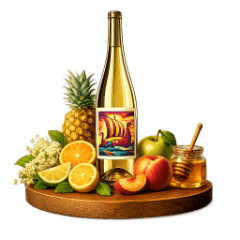
Imagine biting into a ripe pineapple while standing in a blizzard. That is basically what happens here. Solaris defies logic by ripening perfectly in Scandinavia, delivering a fruit basket of flavors despite the chilly northern latitude.
Imagine biting into a ripe pineapple while standing in a blizzard. That is basically what happens here. Solaris defies logic by ripening perfectly in Scandinavia, delivering a fruit basket of flavors despite the chilly northern latitude.
Imagine biting into a ripe pineapple while standing in a blizzard. That is basically what happens here. Solaris defies logic by ripening perfectly in Scandinavia, delivering a fruit basket of flavors despite the chilly northern latitude.
Danish Rondo
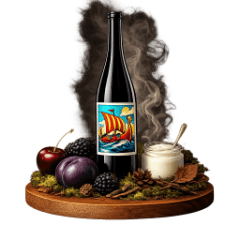
Don't let the latitude fool you - this red is seriously pigmented and surprisingly robust for a region better known for pastry. Rondo delivers a glass full of dark berries and a rustic charm that screams Scandinavia.
Don't let the latitude fool you - this red is seriously pigmented and surprisingly robust for a region better known for pastry. Rondo delivers a glass full of dark berries and a rustic charm that screams Scandinavia.
Don't let the latitude fool you - this red is seriously pigmented and surprisingly robust for a region better known for pastry. Rondo delivers a glass full of dark berries and a rustic charm that screams Scandinavia.
LATEST REVIEWS