«
Belgium

Côtes de Sambre et Meuse
Côtes de Sambre et Meuse
Côtes de Sambre et Meuse
Wallonia's River Wonder
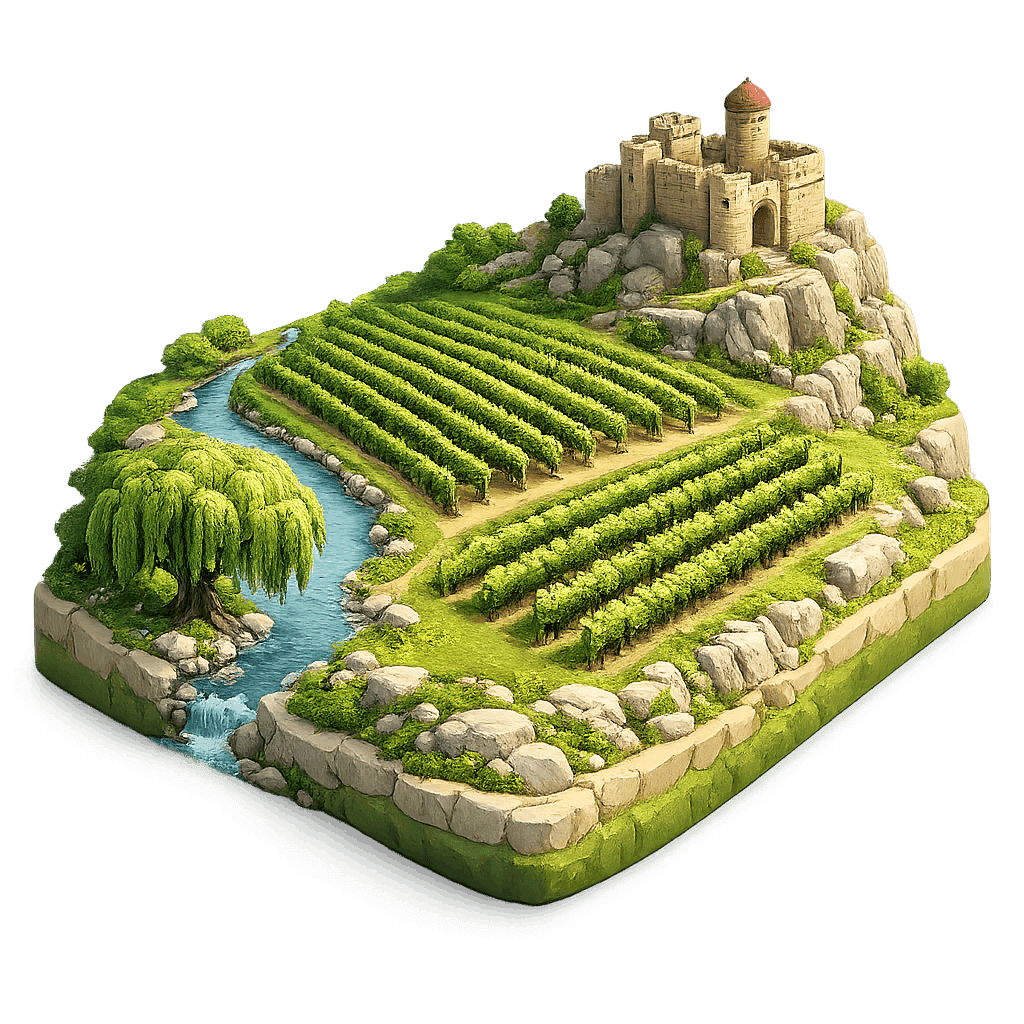
Nestled around winding waterways, this appellation proves that excellent wine isn't exclusive to southern Europe. It is a comeback story involving steep banks, stubborn growers, and a surprising amount of sunshine caught between two famous rivers.
Nestled around winding waterways, this appellation proves that excellent wine isn't exclusive to southern Europe. It is a comeback story involving steep banks, stubborn growers, and a surprising amount of sunshine caught between two famous rivers.
Nestled around winding waterways, this appellation proves that excellent wine isn't exclusive to southern Europe. It is a comeback story involving steep banks, stubborn growers, and a surprising amount of sunshine caught between two famous rivers.





Why it's unique
Heritage revived
Hybrid pioneers
Local secret
Traditionally known for beer, this slice of Belgium is reclaiming its viticultural heritage with gusto. What makes it special is the mix of traditional noble names and modern disease-resistant hybrids thriving side-by-side. It is tiny production, mostly consumed locally, meaning drinking a bottle here feels like being let in on a delicious national secret that the rest of the world hasn't discovered yet.
Traditionally known for beer, this slice of Belgium is reclaiming its viticultural heritage with gusto. What makes it special is the mix of traditional noble names and modern disease-resistant hybrids thriving side-by-side. It is tiny production, mostly consumed locally, meaning drinking a bottle here feels like being let in on a delicious national secret that the rest of the world hasn't discovered yet.
Traditionally known for beer, this slice of Belgium is reclaiming its viticultural heritage with gusto. What makes it special is the mix of traditional noble names and modern disease-resistant hybrids thriving side-by-side. It is tiny production, mostly consumed locally, meaning drinking a bottle here feels like being let in on a delicious national secret that the rest of the world hasn't discovered yet.
Terroir
River regulation
South slopes
Mineral soils
South-facing slopes are the heroes here, acting as natural solar panels to ripen fruit in a generally cool climate. The rivers regulate temperatures, preventing frost from ruining the party in spring. Soils range from limestone to shallow rocky patches, forcing roots to dig deep and resulting in wines with crisp acidity and distinct mineral backbones that reflect the river valley geology.
South-facing slopes are the heroes here, acting as natural solar panels to ripen fruit in a generally cool climate. The rivers regulate temperatures, preventing frost from ruining the party in spring. Soils range from limestone to shallow rocky patches, forcing roots to dig deep and resulting in wines with crisp acidity and distinct mineral backbones that reflect the river valley geology.
South-facing slopes are the heroes here, acting as natural solar panels to ripen fruit in a generally cool climate. The rivers regulate temperatures, preventing frost from ruining the party in spring. Soils range from limestone to shallow rocky patches, forcing roots to dig deep and resulting in wines with crisp acidity and distinct mineral backbones that reflect the river valley geology.
You gotta try
Crisp Johanniter
Spicy Regent
Elegant Pinot
Johanniter is a superstar here, offering Riesling-like vibes without the drama or need for constant chemical sprays. If you prefer reds, Regent produces surprisingly deep, spicy wines that defy northern latitude expectations. For the classics, Pinot Noir grown on the limestone patches near Namur delivers elegance and finesse that might just trick you into thinking you are sipping something from Burgundy.
Johanniter is a superstar here, offering Riesling-like vibes without the drama or need for constant chemical sprays. If you prefer reds, Regent produces surprisingly deep, spicy wines that defy northern latitude expectations. For the classics, Pinot Noir grown on the limestone patches near Namur delivers elegance and finesse that might just trick you into thinking you are sipping something from Burgundy.
Johanniter is a superstar here, offering Riesling-like vibes without the drama or need for constant chemical sprays. If you prefer reds, Regent produces surprisingly deep, spicy wines that defy northern latitude expectations. For the classics, Pinot Noir grown on the limestone patches near Namur delivers elegance and finesse that might just trick you into thinking you are sipping something from Burgundy.
LOCAL TALES
Monks And Mugs
Monks And Mugs
Monks And Mugs
Back in the Middle Ages, everyone drank wine here because local water was basically a distinct health hazard. The banks of the Meuse were covered in vines tended by hardworking monks who knew a thing or two about fermentation. But then came the Little Ice Age, some nasty wars, and eventually a volcanic winter that froze the vines. Beer eventually took over as the national obsession, and the vineyards vanished for nearly a century. It wasn't until the early 2000s that a few optimistic locals decided to dig up their gardens and start over, sparking a full renaissance.
Back in the Middle Ages, everyone drank wine here because local water was basically a distinct health hazard. The banks of the Meuse were covered in vines tended by hardworking monks who knew a thing or two about fermentation. But then came the Little Ice Age, some nasty wars, and eventually a volcanic winter that froze the vines. Beer eventually took over as the national obsession, and the vineyards vanished for nearly a century. It wasn't until the early 2000s that a few optimistic locals decided to dig up their gardens and start over, sparking a full renaissance.
Back in the Middle Ages, everyone drank wine here because local water was basically a distinct health hazard. The banks of the Meuse were covered in vines tended by hardworking monks who knew a thing or two about fermentation. But then came the Little Ice Age, some nasty wars, and eventually a volcanic winter that froze the vines. Beer eventually took over as the national obsession, and the vineyards vanished for nearly a century. It wasn't until the early 2000s that a few optimistic locals decided to dig up their gardens and start over, sparking a full renaissance.
Science Meets Soil
Science Meets Soil
Science Meets Soil
Farming here isn't easy when the weather decides to rain for three weeks straight during summer. That is why this region became a testing ground for tough guys like Solaris and Johanniter. These fungal-resistant crossbreeds were initially looked down upon by traditionalists, but the local winemakers proved the snobs wrong. By embracing agronomical science, they managed to produce organic wines without spraying chemicals every other day. It turns out you can have eco-friendly farming and great taste in a damp climate if you just pick the right team players for the vineyard.
Farming here isn't easy when the weather decides to rain for three weeks straight during summer. That is why this region became a testing ground for tough guys like Solaris and Johanniter. These fungal-resistant crossbreeds were initially looked down upon by traditionalists, but the local winemakers proved the snobs wrong. By embracing agronomical science, they managed to produce organic wines without spraying chemicals every other day. It turns out you can have eco-friendly farming and great taste in a damp climate if you just pick the right team players for the vineyard.
Farming here isn't easy when the weather decides to rain for three weeks straight during summer. That is why this region became a testing ground for tough guys like Solaris and Johanniter. These fungal-resistant crossbreeds were initially looked down upon by traditionalists, but the local winemakers proved the snobs wrong. By embracing agronomical science, they managed to produce organic wines without spraying chemicals every other day. It turns out you can have eco-friendly farming and great taste in a damp climate if you just pick the right team players for the vineyard.
Aristocratic Agriculture
Aristocratic Agriculture
Aristocratic Agriculture
You might think winemaking is solely for farmers with muddy boots, but here, it is also a hobby for castle owners. Several historic châteaux along the river valleys decided that maintaining a giant lawn was boring and expensive. Instead, they planted hectares of vines to put the land to work. It adds a touch of glamour to the appellation when your tasting room is actually inside an ancient castle dungeon. These estates have effectively elevated the region's reputation from backyard hobbyists to serious commercial contenders with stunning labels to match.
You might think winemaking is solely for farmers with muddy boots, but here, it is also a hobby for castle owners. Several historic châteaux along the river valleys decided that maintaining a giant lawn was boring and expensive. Instead, they planted hectares of vines to put the land to work. It adds a touch of glamour to the appellation when your tasting room is actually inside an ancient castle dungeon. These estates have effectively elevated the region's reputation from backyard hobbyists to serious commercial contenders with stunning labels to match.
You might think winemaking is solely for farmers with muddy boots, but here, it is also a hobby for castle owners. Several historic châteaux along the river valleys decided that maintaining a giant lawn was boring and expensive. Instead, they planted hectares of vines to put the land to work. It adds a touch of glamour to the appellation when your tasting room is actually inside an ancient castle dungeon. These estates have effectively elevated the region's reputation from backyard hobbyists to serious commercial contenders with stunning labels to match.
LOCAL WINE STYLES
Belgian Chardonnay
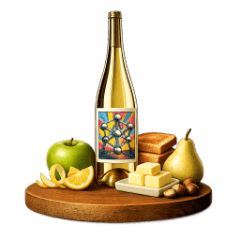
Forgot about the famous beers for a second because Chardonnay here is surprisingly legitimate. It mimics classic French styles with a cooler climate twist, delivering elegance without the heavy price tag often attached to its southern neighbors.
Forgot about the famous beers for a second because Chardonnay here is surprisingly legitimate. It mimics classic French styles with a cooler climate twist, delivering elegance without the heavy price tag often attached to its southern neighbors.
Forgot about the famous beers for a second because Chardonnay here is surprisingly legitimate. It mimics classic French styles with a cooler climate twist, delivering elegance without the heavy price tag often attached to its southern neighbors.
Belgian Auxerrois
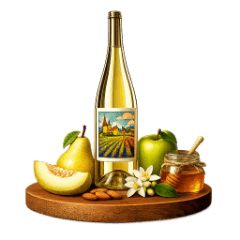
Often confused for Pinot Blanc, this unassuming white quietly saves the day with soft textures and low acidity. It doesn't need a cape to deliver melon and floral vibes that fit perfectly with rainy afternoons.
Often confused for Pinot Blanc, this unassuming white quietly saves the day with soft textures and low acidity. It doesn't need a cape to deliver melon and floral vibes that fit perfectly with rainy afternoons.
Often confused for Pinot Blanc, this unassuming white quietly saves the day with soft textures and low acidity. It doesn't need a cape to deliver melon and floral vibes that fit perfectly with rainy afternoons.
LATEST REVIEWS