«
Alentejo
,
Portugal

Redondo
Sun-baked Clay Potters
Sheltered by the looming Serra d'Ossa, this area operates like a sun-drenched amphitheater. While famous for crafting clay jugs, the locals are equally skilled at bottling smooth, approachable reds that don't need decades to soften up.
Sheltered by the looming Serra d'Ossa, this area operates like a sun-drenched amphitheater. While famous for crafting clay jugs, the locals are equally skilled at bottling smooth, approachable reds that don't need decades to soften up.
Sheltered by the looming Serra d'Ossa, this area operates like a sun-drenched amphitheater. While famous for crafting clay jugs, the locals are equally skilled at bottling smooth, approachable reds that don't need decades to soften up.
LEADERS




HELPERS





Taste profile
Velvety Texture
Juicy Fruit
Easy Drinking
Redondo pours glasses full of generosity. Unlike some stiffer neighbors, these reds tend to be velvety and round right out of the gate, thanks to that mountain shelter trapping the warmth. Aragonez and Trincadeira usually take the lead, offering juicy plum and berry notes without slapping you in the face with tannins. It is comfort drinking at its finest, perfect for a Tuesday taco night or a long lunch.
Redondo pours glasses full of generosity. Unlike some stiffer neighbors, these reds tend to be velvety and round right out of the gate, thanks to that mountain shelter trapping the warmth. Aragonez and Trincadeira usually take the lead, offering juicy plum and berry notes without slapping you in the face with tannins. It is comfort drinking at its finest, perfect for a Tuesday taco night or a long lunch.
Redondo pours glasses full of generosity. Unlike some stiffer neighbors, these reds tend to be velvety and round right out of the gate, thanks to that mountain shelter trapping the warmth. Aragonez and Trincadeira usually take the lead, offering juicy plum and berry notes without slapping you in the face with tannins. It is comfort drinking at its finest, perfect for a Tuesday taco night or a long lunch.
The vibe
Clay Pottery
Mountain Shadows
Slow Pace
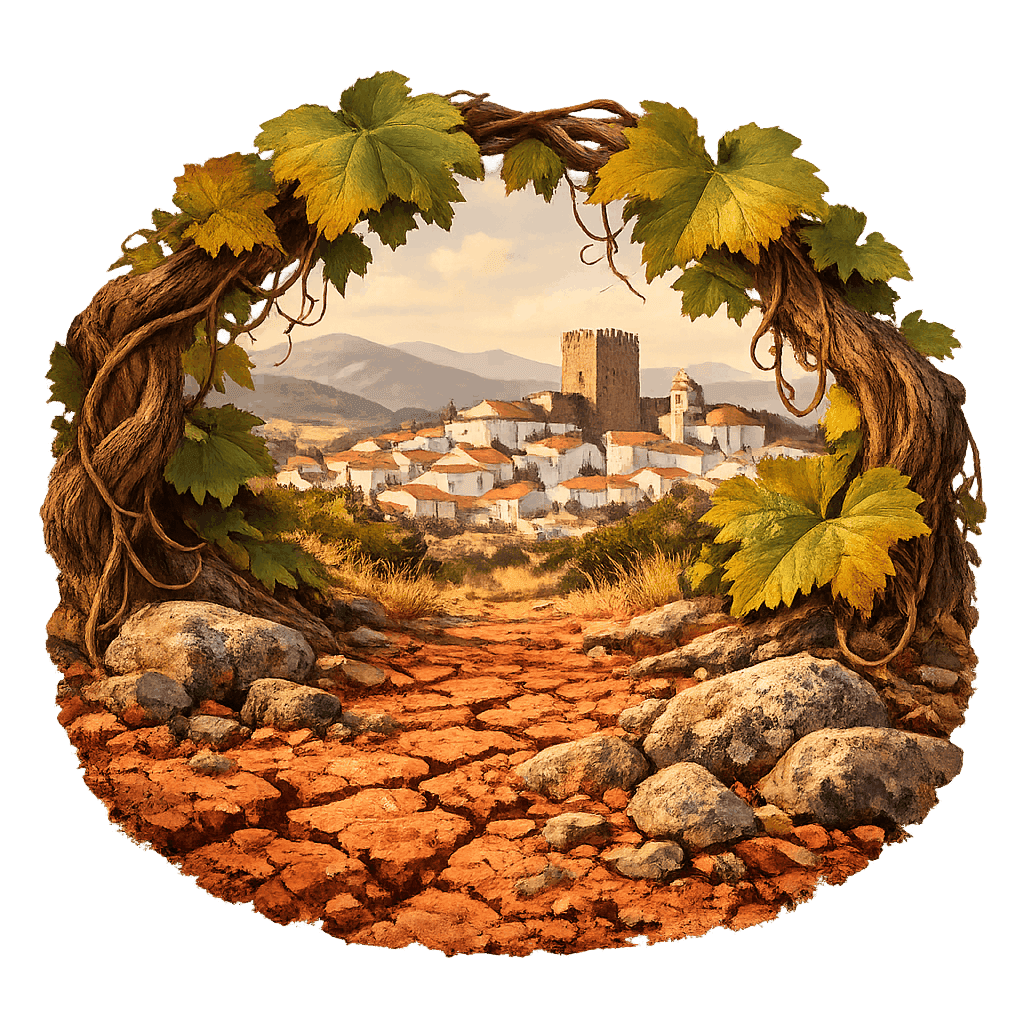
Potters wheels spinning and clay drying in the sun define the rhythm here. This is a place where time slows down under the shadow of the Serra d'Ossa. The landscape is a patchwork of cork oaks and vineyards, interrupted only by whitewashed villages and a very distinct medieval castle that looks like it belongs on a postcard sent from the 14th century.
Potters wheels spinning and clay drying in the sun define the rhythm here. This is a place where time slows down under the shadow of the Serra d'Ossa. The landscape is a patchwork of cork oaks and vineyards, interrupted only by whitewashed villages and a very distinct medieval castle that looks like it belongs on a postcard sent from the 14th century.
Potters wheels spinning and clay drying in the sun define the rhythm here. This is a place where time slows down under the shadow of the Serra d'Ossa. The landscape is a patchwork of cork oaks and vineyards, interrupted only by whitewashed villages and a very distinct medieval castle that looks like it belongs on a postcard sent from the 14th century.
Who's who
Mega Co-op
Ubiquitous Labels
Rising Independents
One giant casts a long shadow here, and that is the local Adega Cooperativa, responsible for the ubiquitous Porta da Ravessa label found on every Portuguese dinner table. However, independent quintas are starting to make noise with more artisanal approaches. Keep an eye out for ambitious projects like Casa Relvas or Herdade do Freixo, proving there is life beyond the mega-tanks.
One giant casts a long shadow here, and that is the local Adega Cooperativa, responsible for the ubiquitous Porta da Ravessa label found on every Portuguese dinner table. However, independent quintas are starting to make noise with more artisanal approaches. Keep an eye out for ambitious projects like Casa Relvas or Herdade do Freixo, proving there is life beyond the mega-tanks.
One giant casts a long shadow here, and that is the local Adega Cooperativa, responsible for the ubiquitous Porta da Ravessa label found on every Portuguese dinner table. However, independent quintas are starting to make noise with more artisanal approaches. Keep an eye out for ambitious projects like Casa Relvas or Herdade do Freixo, proving there is life beyond the mega-tanks.
LOCAL TALES
Of Roman Clay and Medieval Keeps
Of Roman Clay and Medieval Keeps
Of Roman Clay and Medieval Keeps
History runs deep in the soil here, quite literally. The clay of Redondo has been famous since the days of the Roman Empire, but not just for making pretty plates. For roughly two thousand years, the locals have used this specific earth to craft massive clay amphorae for fermenting wine. While King Dinis fortified the town with a castle in 1312 to keep invaders out, the farmers were busy ensuring their liquid assets were safe in these clay vessels. Today, the ancient 'Talha' method is trendy among hip sommeliers, but for the old guys in the village square, it is just the way their great-great-grandfathers made booze in the back shed.
History runs deep in the soil here, quite literally. The clay of Redondo has been famous since the days of the Roman Empire, but not just for making pretty plates. For roughly two thousand years, the locals have used this specific earth to craft massive clay amphorae for fermenting wine. While King Dinis fortified the town with a castle in 1312 to keep invaders out, the farmers were busy ensuring their liquid assets were safe in these clay vessels. Today, the ancient 'Talha' method is trendy among hip sommeliers, but for the old guys in the village square, it is just the way their great-great-grandfathers made booze in the back shed.
The Supermarket Superstar
The Supermarket Superstar
The Supermarket Superstar
If you have ever walked into a Portuguese supermarket, stopped at a gas station, or attended a casual family barbecue, you have seen the 'Porta da Ravessa' label. It is the unofficial wine of the people. This brand put Redondo on the modern map, not by chasing 100-point scores, but by delivering reliable, fruity wine for the price of a fancy coffee. The sheer volume produced by the local cooperative is mind-boggling, effectively turning this quiet medieval town into the engine room of the nation's daily dinner. It proves that you don't need a chateau and a helipad to win the hearts - and wallets - of an entire country.
If you have ever walked into a Portuguese supermarket, stopped at a gas station, or attended a casual family barbecue, you have seen the 'Porta da Ravessa' label. It is the unofficial wine of the people. This brand put Redondo on the modern map, not by chasing 100-point scores, but by delivering reliable, fruity wine for the price of a fancy coffee. The sheer volume produced by the local cooperative is mind-boggling, effectively turning this quiet medieval town into the engine room of the nation's daily dinner. It proves that you don't need a chateau and a helipad to win the hearts - and wallets - of an entire country.
The Race to the Top
The Race to the Top
The Race to the Top
While the plains are great for ripening fruit until it bursts with sugar, the Serra d'Ossa offers a vertical escape route. Recently, clever winemakers have started exploring the higher altitudes of these slopes to combat the intense Alentejo heat. By planting further up the mountain, they achieve cooler nights and significantly higher acidity in the grapes. It is a literal race to the top, transforming the region from a hot-weather powerhouse into a surprising source of fresh, elegant wines that actually have some zip. Hikers exploring the mountain trails are now stumbling upon high-altitude vineyards where only goats used to roam.
While the plains are great for ripening fruit until it bursts with sugar, the Serra d'Ossa offers a vertical escape route. Recently, clever winemakers have started exploring the higher altitudes of these slopes to combat the intense Alentejo heat. By planting further up the mountain, they achieve cooler nights and significantly higher acidity in the grapes. It is a literal race to the top, transforming the region from a hot-weather powerhouse into a surprising source of fresh, elegant wines that actually have some zip. Hikers exploring the mountain trails are now stumbling upon high-altitude vineyards where only goats used to roam.
LATEST REVIEWS