«
Portugal

Alentejo
Alentejo
Alentejo
Sunny Cork Kingdom
Imagine California met Tuscany but decided to speak Portuguese and eat way more pork. This vast southern stretch covers a third of the country, pumping out rich, jammy reds that are absolute crowd-pleasers.
Imagine California met Tuscany but decided to speak Portuguese and eat way more pork. This vast southern stretch covers a third of the country, pumping out rich, jammy reds that are absolute crowd-pleasers.
Imagine California met Tuscany but decided to speak Portuguese and eat way more pork. This vast southern stretch covers a third of the country, pumping out rich, jammy reds that are absolute crowd-pleasers.
LEADERS




HELPERS







Why it's unique
Clay Pots
Cork Capital
Ancient Methods
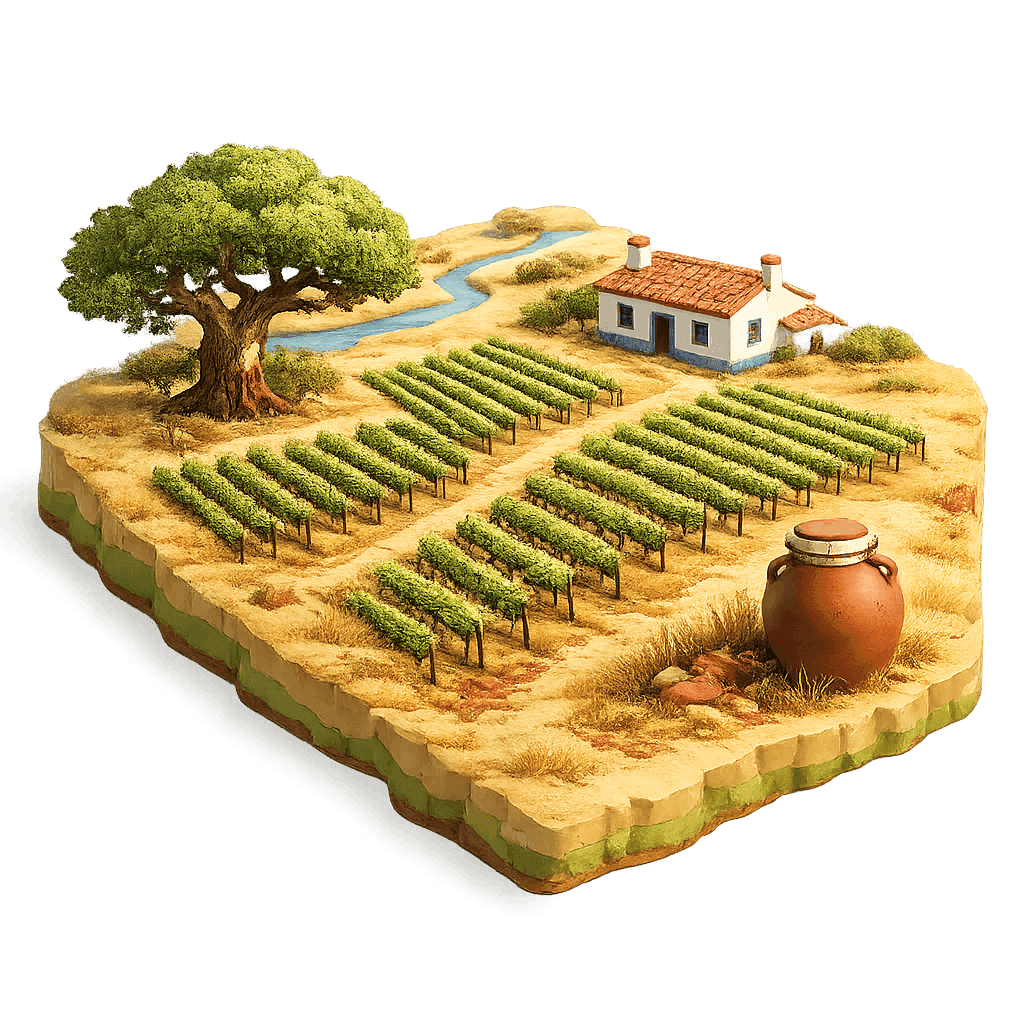
Time seems to slow down here. It is the world capital of cork production - seriously, those trees are everywhere - and the spiritual home of Talha wine. While the rest of the world moved to stainless steel, these guys kept fermenting juice in massive clay pots like Romans. It is ancient tradition meeting modern, fruity accessibility in a bottle.
Time seems to slow down here. It is the world capital of cork production - seriously, those trees are everywhere - and the spiritual home of Talha wine. While the rest of the world moved to stainless steel, these guys kept fermenting juice in massive clay pots like Romans. It is ancient tradition meeting modern, fruity accessibility in a bottle.
Time seems to slow down here. It is the world capital of cork production - seriously, those trees are everywhere - and the spiritual home of Talha wine. While the rest of the world moved to stainless steel, these guys kept fermenting juice in massive clay pots like Romans. It is ancient tradition meeting modern, fruity accessibility in a bottle.
Terroir
Intense Heat
Diverse Soils
Cool Nights
Relentless sunshine defines everything here. High temperatures bake the fruit into ripe, sugary submission, resulting in high-alcohol wines with massive body. The soils vary from granite to schist, but the real key is that scorching sun combined with cool nights, allowing acidity to hang on for dear life just long enough to keep things drinkable.
Relentless sunshine defines everything here. High temperatures bake the fruit into ripe, sugary submission, resulting in high-alcohol wines with massive body. The soils vary from granite to schist, but the real key is that scorching sun combined with cool nights, allowing acidity to hang on for dear life just long enough to keep things drinkable.
Relentless sunshine defines everything here. High temperatures bake the fruit into ripe, sugary submission, resulting in high-alcohol wines with massive body. The soils vary from granite to schist, but the real key is that scorching sun combined with cool nights, allowing acidity to hang on for dear life just long enough to keep things drinkable.
You gotta try
Spicy Blends
Antão Vaz
Alicante Bouschet
Grab a bottle of Tinto Alentejano blend. Winemakers here love mixing things up, often throwing Aragonez and Trincadeira together for a spicy, berry-loaded party. For whites, Antão Vaz is your new best friend because it handles the heat without turning into soup, staying crisp and tropical. If you want power, hunt down a pure Alicante Bouschet.
Grab a bottle of Tinto Alentejano blend. Winemakers here love mixing things up, often throwing Aragonez and Trincadeira together for a spicy, berry-loaded party. For whites, Antão Vaz is your new best friend because it handles the heat without turning into soup, staying crisp and tropical. If you want power, hunt down a pure Alicante Bouschet.
Grab a bottle of Tinto Alentejano blend. Winemakers here love mixing things up, often throwing Aragonez and Trincadeira together for a spicy, berry-loaded party. For whites, Antão Vaz is your new best friend because it handles the heat without turning into soup, staying crisp and tropical. If you want power, hunt down a pure Alicante Bouschet.
LOCAL TALES
Drinking Like Caesar
Drinking Like Caesar
Drinking Like Caesar
Romans left their mark everywhere, but in Alentejo, they left their fermentation tanks. The locals looked at these giant clay amphorae called Talhas and said, 'If it ain't broke, don't fix it.' For two thousand years, families have been crushing fruit and throwing it into these pots - skins, stems, and all. The seal is usually just a layer of olive oil on top to keep the air out. Come St. Martin's Day in November, the pots are tapped. It is raw, earthy, and tastes like history. You aren't just drinking wine - you are practically sharing a glass with a Roman centurion who just clocked out.
Romans left their mark everywhere, but in Alentejo, they left their fermentation tanks. The locals looked at these giant clay amphorae called Talhas and said, 'If it ain't broke, don't fix it.' For two thousand years, families have been crushing fruit and throwing it into these pots - skins, stems, and all. The seal is usually just a layer of olive oil on top to keep the air out. Come St. Martin's Day in November, the pots are tapped. It is raw, earthy, and tastes like history. You aren't just drinking wine - you are practically sharing a glass with a Roman centurion who just clocked out.
Romans left their mark everywhere, but in Alentejo, they left their fermentation tanks. The locals looked at these giant clay amphorae called Talhas and said, 'If it ain't broke, don't fix it.' For two thousand years, families have been crushing fruit and throwing it into these pots - skins, stems, and all. The seal is usually just a layer of olive oil on top to keep the air out. Come St. Martin's Day in November, the pots are tapped. It is raw, earthy, and tastes like history. You aren't just drinking wine - you are practically sharing a glass with a Roman centurion who just clocked out.
The Bark That Saves
The Bark That Saves
The Bark That Saves
You cannot drive five minutes here without seeing a cork oak that looks like it has been peeled. Portugal grows half the world's cork, mostly right here. But here is the kicker - it is illegal to cut these trees down. They are protected royalty. A harvester strips the bark every nine years, marks the tree with the harvest year in white paint, and lets it regenerate. This sustainable cycle has created a unique ecosystem called the Montado. Without the cork industry, this landscape would likely be a desert. So every time you pop a natural cork, you are basically hugging a Portuguese tree.
You cannot drive five minutes here without seeing a cork oak that looks like it has been peeled. Portugal grows half the world's cork, mostly right here. But here is the kicker - it is illegal to cut these trees down. They are protected royalty. A harvester strips the bark every nine years, marks the tree with the harvest year in white paint, and lets it regenerate. This sustainable cycle has created a unique ecosystem called the Montado. Without the cork industry, this landscape would likely be a desert. So every time you pop a natural cork, you are basically hugging a Portuguese tree.
You cannot drive five minutes here without seeing a cork oak that looks like it has been peeled. Portugal grows half the world's cork, mostly right here. But here is the kicker - it is illegal to cut these trees down. They are protected royalty. A harvester strips the bark every nine years, marks the tree with the harvest year in white paint, and lets it regenerate. This sustainable cycle has created a unique ecosystem called the Montado. Without the cork industry, this landscape would likely be a desert. So every time you pop a natural cork, you are basically hugging a Portuguese tree.
From Wheat to Wine
From Wheat to Wine
From Wheat to Wine
Alentejo wasn't always the wine powerhouse it is today. For the longest time, it was known as the Bread Basket of Portugal, covered in endless fields of wheat under a dictatorship regime that wanted to feed the nation at all costs. Vines were actually ripped up to make room for grain. It was tragic. But after the Carnation Revolution in the 70s, people reclaimed the land. They realized wheat was boring and fermenting grapes was fun. Investments poured in, irrigation improved, and suddenly, this sleeping giant woke up to become the most popular wine region in the country. Talk about a glow-up.
Alentejo wasn't always the wine powerhouse it is today. For the longest time, it was known as the Bread Basket of Portugal, covered in endless fields of wheat under a dictatorship regime that wanted to feed the nation at all costs. Vines were actually ripped up to make room for grain. It was tragic. But after the Carnation Revolution in the 70s, people reclaimed the land. They realized wheat was boring and fermenting grapes was fun. Investments poured in, irrigation improved, and suddenly, this sleeping giant woke up to become the most popular wine region in the country. Talk about a glow-up.
Alentejo wasn't always the wine powerhouse it is today. For the longest time, it was known as the Bread Basket of Portugal, covered in endless fields of wheat under a dictatorship regime that wanted to feed the nation at all costs. Vines were actually ripped up to make room for grain. It was tragic. But after the Carnation Revolution in the 70s, people reclaimed the land. They realized wheat was boring and fermenting grapes was fun. Investments poured in, irrigation improved, and suddenly, this sleeping giant woke up to become the most popular wine region in the country. Talk about a glow-up.
SUB-REGIONS
Reguengos
(
Alentejo
)
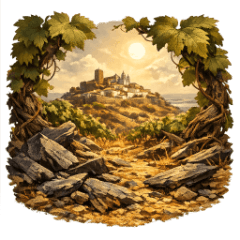
Buckle up because this region doesn't do subtle. Famous for its intense continental heat and sun-baked granite and schist soils, it acts as the engine room of Alentejo, pumping out powerful reds that have put Portugal on the global map.
Buckle up because this region doesn't do subtle. Famous for its intense continental heat and sun-baked granite and schist soils, it acts as the engine room of Alentejo, pumping out powerful reds that have put Portugal on the global map.
Évora
(
Alentejo
)
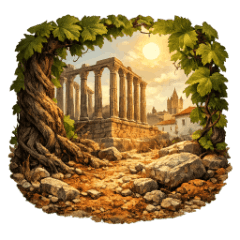
Located right in the cultural bullseye of Alentejo, this spot mixes ancient Roman ruins with thoroughly modern winemaking. It is where you go when you want your history lesson served with a glass of robust red.
Located right in the cultural bullseye of Alentejo, this spot mixes ancient Roman ruins with thoroughly modern winemaking. It is where you go when you want your history lesson served with a glass of robust red.
LATEST REVIEWS