«
Texas

Texas High Plains
Texas High Plains
Texas High Plains
Lone Star Powerhouse
Forget the rolling hills for a second. This flat, dusty plateau near Lubbock is actually the engine room of the state industry, pumping out the vast majority of fruit that eventually lands in your glass.
Forget the rolling hills for a second. This flat, dusty plateau near Lubbock is actually the engine room of the state industry, pumping out the vast majority of fruit that eventually lands in your glass.
Forget the rolling hills for a second. This flat, dusty plateau near Lubbock is actually the engine room of the state industry, pumping out the vast majority of fruit that eventually lands in your glass.
LEADERS



HELPERS



















Why it's unique
High Elevation
Fruit Source
Cool Nights
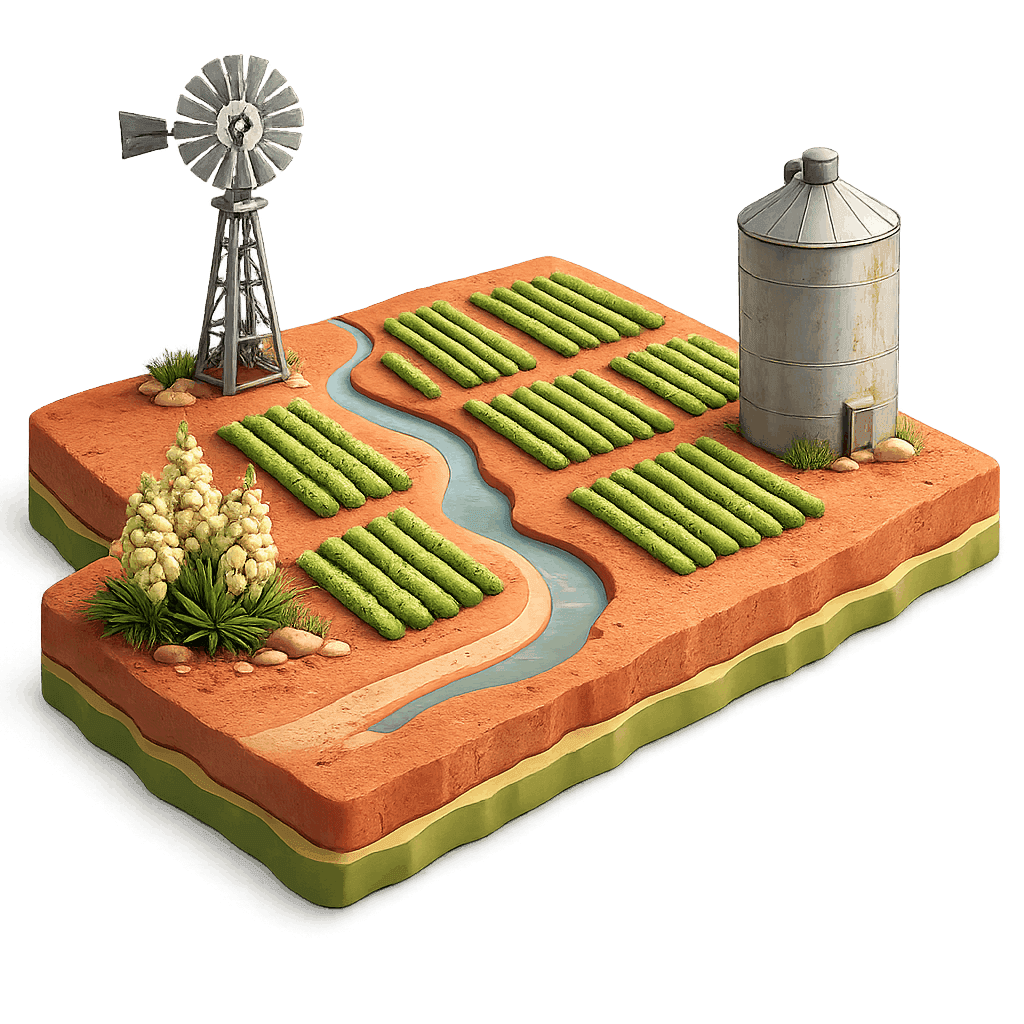
Lubbock might not look like Napa, but appearances deceive. Here, elevation sits between three and four thousand feet, providing cool nights that save acidity from the blazing sun. It produces over eighty percent of the state's fruit supply. Basically, if you are drinking Texan wine, it probably started its life fighting a dust storm up here on the high plains rather than relaxing near a bed and breakfast.
Lubbock might not look like Napa, but appearances deceive. Here, elevation sits between three and four thousand feet, providing cool nights that save acidity from the blazing sun. It produces over eighty percent of the state's fruit supply. Basically, if you are drinking Texan wine, it probably started its life fighting a dust storm up here on the high plains rather than relaxing near a bed and breakfast.
Lubbock might not look like Napa, but appearances deceive. Here, elevation sits between three and four thousand feet, providing cool nights that save acidity from the blazing sun. It produces over eighty percent of the state's fruit supply. Basically, if you are drinking Texan wine, it probably started its life fighting a dust storm up here on the high plains rather than relaxing near a bed and breakfast.
Terroir
Sandy Loam
Constant Wind
Hail Risk
Red sandy loam is the superstar dirt here, offering incredible drainage and a natural defense against root pests. The climate is semi-arid and intensely sunny, but the constant wind acts as a natural blow-dryer for the vines, keeping rot at bay. Just watch out for spring frosts and the occasional hail storm that threatens to turn the vintage into grape juice ahead of schedule.
Red sandy loam is the superstar dirt here, offering incredible drainage and a natural defense against root pests. The climate is semi-arid and intensely sunny, but the constant wind acts as a natural blow-dryer for the vines, keeping rot at bay. Just watch out for spring frosts and the occasional hail storm that threatens to turn the vintage into grape juice ahead of schedule.
Red sandy loam is the superstar dirt here, offering incredible drainage and a natural defense against root pests. The climate is semi-arid and intensely sunny, but the constant wind acts as a natural blow-dryer for the vines, keeping rot at bay. Just watch out for spring frosts and the occasional hail storm that threatens to turn the vintage into grape juice ahead of schedule.
You gotta try
Spicy Tempranillo
Earthy Mourvèdre
Floral Viognier
Tempranillo is the undisputed king of these plains, developing a leather-and-spice profile that rivals Spain. You also need to hunt down Mourvèdre, which loves the heat and delivers meaty, earthy deliciousness. On the white side, Viognier ripens beautifully without losing its floral charm. Don't overlook Sangiovese either - it keeps its zest despite the heat and pairs perfectly with local barbecue.
Tempranillo is the undisputed king of these plains, developing a leather-and-spice profile that rivals Spain. You also need to hunt down Mourvèdre, which loves the heat and delivers meaty, earthy deliciousness. On the white side, Viognier ripens beautifully without losing its floral charm. Don't overlook Sangiovese either - it keeps its zest despite the heat and pairs perfectly with local barbecue.
Tempranillo is the undisputed king of these plains, developing a leather-and-spice profile that rivals Spain. You also need to hunt down Mourvèdre, which loves the heat and delivers meaty, earthy deliciousness. On the white side, Viognier ripens beautifully without losing its floral charm. Don't overlook Sangiovese either - it keeps its zest despite the heat and pairs perfectly with local barbecue.
LOCAL TALES
The Chemistry Professor's Gamble
The Chemistry Professor's Gamble
The Chemistry Professor's Gamble
Back in the sixties and seventies, everyone thought growing quality wine fruit on the high plains was a fool's errand. Enter Clinton "Doc" McPherson, a chemistry professor at Texas Tech with a wild streak. He didn't just plant a garden, he planted the seeds of an industry. Doc co-founded Llano Estacado Winery and proved that the High Plains weren't just for cotton and cattle. He experimented with dozens of cultivars to see what stuck, essentially beta-testing the entire region. Thanks to his scientific curiosity and stubborn refusal to quit, everyone realized this high-altitude desert was actually a viticultural goldmine waiting to be tapped.
Back in the sixties and seventies, everyone thought growing quality wine fruit on the high plains was a fool's errand. Enter Clinton "Doc" McPherson, a chemistry professor at Texas Tech with a wild streak. He didn't just plant a garden, he planted the seeds of an industry. Doc co-founded Llano Estacado Winery and proved that the High Plains weren't just for cotton and cattle. He experimented with dozens of cultivars to see what stuck, essentially beta-testing the entire region. Thanks to his scientific curiosity and stubborn refusal to quit, everyone realized this high-altitude desert was actually a viticultural goldmine waiting to be tapped.
Back in the sixties and seventies, everyone thought growing quality wine fruit on the high plains was a fool's errand. Enter Clinton "Doc" McPherson, a chemistry professor at Texas Tech with a wild streak. He didn't just plant a garden, he planted the seeds of an industry. Doc co-founded Llano Estacado Winery and proved that the High Plains weren't just for cotton and cattle. He experimented with dozens of cultivars to see what stuck, essentially beta-testing the entire region. Thanks to his scientific curiosity and stubborn refusal to quit, everyone realized this high-altitude desert was actually a viticultural goldmine waiting to be tapped.
Trading Cotton for Cabernet
Trading Cotton for Cabernet
Trading Cotton for Cabernet
For generations, "King Cotton" ruled this land with an iron fist, sucking the Ogallala Aquifer dry. But modern farmers are a pragmatic bunch. They realized vines are actually camels in disguise, sipping a fraction of the water that thirsty cotton demands. It started as a trickle and became a wave - multi-generational cotton farmers swapping row crops for trellises. It wasn't just about saving water, it was about survival and profit. Now, you will see rugged tractors tailored for vineyards parked next to cotton strippers, as the local agricultural identity undergoes a boozy, water-saving makeover that is reshaping the economy.
For generations, "King Cotton" ruled this land with an iron fist, sucking the Ogallala Aquifer dry. But modern farmers are a pragmatic bunch. They realized vines are actually camels in disguise, sipping a fraction of the water that thirsty cotton demands. It started as a trickle and became a wave - multi-generational cotton farmers swapping row crops for trellises. It wasn't just about saving water, it was about survival and profit. Now, you will see rugged tractors tailored for vineyards parked next to cotton strippers, as the local agricultural identity undergoes a boozy, water-saving makeover that is reshaping the economy.
For generations, "King Cotton" ruled this land with an iron fist, sucking the Ogallala Aquifer dry. But modern farmers are a pragmatic bunch. They realized vines are actually camels in disguise, sipping a fraction of the water that thirsty cotton demands. It started as a trickle and became a wave - multi-generational cotton farmers swapping row crops for trellises. It wasn't just about saving water, it was about survival and profit. Now, you will see rugged tractors tailored for vineyards parked next to cotton strippers, as the local agricultural identity undergoes a boozy, water-saving makeover that is reshaping the economy.
The Great Grape Migration
The Great Grape Migration
The Great Grape Migration
There is a weird phenomenon in Texas wine. You visit a fancy tasting room in the lush, green Hill Country near Austin, buy a bottle, and look at the label. Surprise - it says High Plains. During harvest season, a massive migration occurs. Convoys of refrigerated semi-trucks thunder down the highways, carrying tons of freshly picked fruit four hundred miles south to where the tourists are. It is a logistical ballet involving midnight harvests and sleepless truckers ensuring the yield stays cold. This distinct separation between where the wine is grown and where it is sold is the quirk that defines the state's industry.
There is a weird phenomenon in Texas wine. You visit a fancy tasting room in the lush, green Hill Country near Austin, buy a bottle, and look at the label. Surprise - it says High Plains. During harvest season, a massive migration occurs. Convoys of refrigerated semi-trucks thunder down the highways, carrying tons of freshly picked fruit four hundred miles south to where the tourists are. It is a logistical ballet involving midnight harvests and sleepless truckers ensuring the yield stays cold. This distinct separation between where the wine is grown and where it is sold is the quirk that defines the state's industry.
There is a weird phenomenon in Texas wine. You visit a fancy tasting room in the lush, green Hill Country near Austin, buy a bottle, and look at the label. Surprise - it says High Plains. During harvest season, a massive migration occurs. Convoys of refrigerated semi-trucks thunder down the highways, carrying tons of freshly picked fruit four hundred miles south to where the tourists are. It is a logistical ballet involving midnight harvests and sleepless truckers ensuring the yield stays cold. This distinct separation between where the wine is grown and where it is sold is the quirk that defines the state's industry.
LOCAL WINE STYLES
Texas Tempranillo
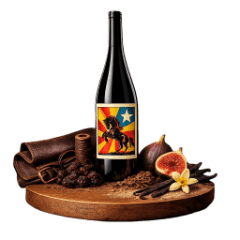
Saddle up because Tempranillo loves the heat just as much as a lizard on a hot rock. It offers a rugged mix of savory leather notes and dried cherries that fits perfectly at any cookout.
Saddle up because Tempranillo loves the heat just as much as a lizard on a hot rock. It offers a rugged mix of savory leather notes and dried cherries that fits perfectly at any cookout.
Saddle up because Tempranillo loves the heat just as much as a lizard on a hot rock. It offers a rugged mix of savory leather notes and dried cherries that fits perfectly at any cookout.
Texas High Plains Red
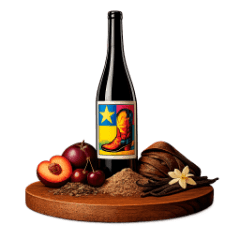
Imagine a cowboy riding through a sandstorm but carrying a basket of ripe berries. This style captures the intense heat and surprising altitude of the region, delivering big fruit flavors wrapped in a distinct, dusty earthiness.
Imagine a cowboy riding through a sandstorm but carrying a basket of ripe berries. This style captures the intense heat and surprising altitude of the region, delivering big fruit flavors wrapped in a distinct, dusty earthiness.
Imagine a cowboy riding through a sandstorm but carrying a basket of ripe berries. This style captures the intense heat and surprising altitude of the region, delivering big fruit flavors wrapped in a distinct, dusty earthiness.
LATEST REVIEWS