«
BROWSE ALL
Texas
Texas

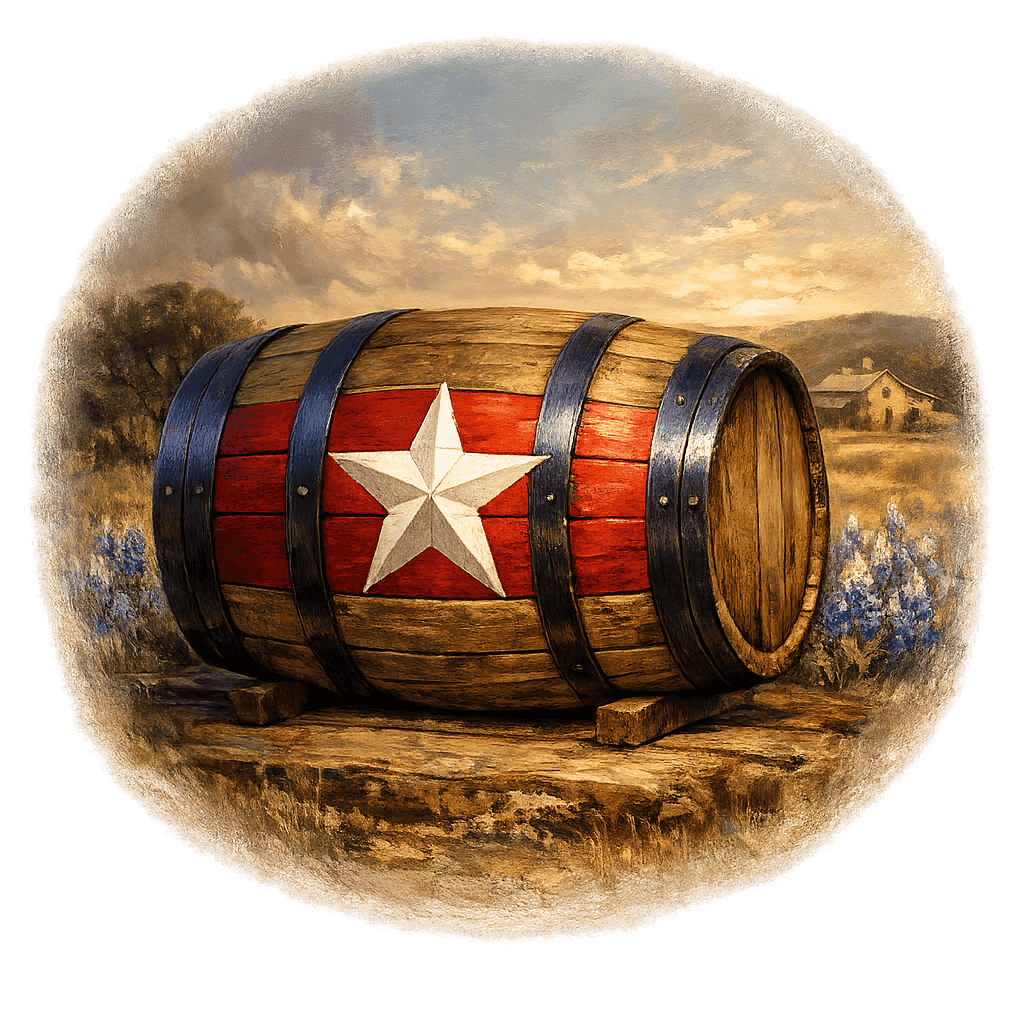
Forget what you think you know about American viticulture, this massive state is a sleeping giant that just woke up. It blends cowboy grit with serious winemaking ambition, turning arid plains into lush, productive vineyards.
Forget what you think you know about American viticulture, this massive state is a sleeping giant that just woke up. It blends cowboy grit with serious winemaking ambition, turning arid plains into lush, productive vineyards.
Forget what you think you know about American viticulture, this massive state is a sleeping giant that just woke up. It blends cowboy grit with serious winemaking ambition, turning arid plains into lush, productive vineyards.
What it's about
Fifth largest
Two regions
Warm climate
Sitting comfortably as the fifth-largest wine producer in the United States, this region is a tale of two lands. Most grapes grow in the high-altitude, dusty High Plains near Lubbock, while the wineries and tourism thrive in the lush Hill Country near Austin. With over 400 producers, they have moved past the hobby phase into a serious industry focused on warm-climate varieties that actually survive the brutal heat.
Sitting comfortably as the fifth-largest wine producer in the United States, this region is a tale of two lands. Most grapes grow in the high-altitude, dusty High Plains near Lubbock, while the wineries and tourism thrive in the lush Hill Country near Austin. With over 400 producers, they have moved past the hobby phase into a serious industry focused on warm-climate varieties that actually survive the brutal heat.
Sitting comfortably as the fifth-largest wine producer in the United States, this region is a tale of two lands. Most grapes grow in the high-altitude, dusty High Plains near Lubbock, while the wineries and tourism thrive in the lush Hill Country near Austin. With over 400 producers, they have moved past the hobby phase into a serious industry focused on warm-climate varieties that actually survive the brutal heat.
What they're proud of
Saving France
Resilient spirit
Unique identity
History buffs here will never let you forget that a local horticulturist saved the entire French wine industry from ruin. Beyond that global savior complex, producers are incredibly proud of their resilience against hail, frost, and heat. They have embraced their own identity, finally realizing that trying to copy Napa is a losing game, and are championing grapes that love the intense sun and wild weather.
History buffs here will never let you forget that a local horticulturist saved the entire French wine industry from ruin. Beyond that global savior complex, producers are incredibly proud of their resilience against hail, frost, and heat. They have embraced their own identity, finally realizing that trying to copy Napa is a losing game, and are championing grapes that love the intense sun and wild weather.
History buffs here will never let you forget that a local horticulturist saved the entire French wine industry from ruin. Beyond that global savior complex, producers are incredibly proud of their resilience against hail, frost, and heat. They have embraced their own identity, finally realizing that trying to copy Napa is a losing game, and are championing grapes that love the intense sun and wild weather.
WHAT'S TRENDING
Heat lovers
Tempranillo & Mourvèdre
Authenticity labels
Spanish and Rhône varieties are absolutely exploding right now because they handle the heat like champions. You will see a massive shift toward Tempranillo, Mourvèdre, and Viognier, alongside rising stars like Tannat and Picpoul Blanc. There is also a strong consumer push for "100% Texas Grown" labels, forcing wineries to prove their fruit didn't secretly truck in from the West Coast.
Spanish and Rhône varieties are absolutely exploding right now because they handle the heat like champions. You will see a massive shift toward Tempranillo, Mourvèdre, and Viognier, alongside rising stars like Tannat and Picpoul Blanc. There is also a strong consumer push for "100% Texas Grown" labels, forcing wineries to prove their fruit didn't secretly truck in from the West Coast.
Spanish and Rhône varieties are absolutely exploding right now because they handle the heat like champions. You will see a massive shift toward Tempranillo, Mourvèdre, and Viognier, alongside rising stars like Tannat and Picpoul Blanc. There is also a strong consumer push for "100% Texas Grown" labels, forcing wineries to prove their fruit didn't secretly truck in from the West Coast.
LOCAL TALES
The Savior of Bordeaux
The Savior of Bordeaux
The Savior of Bordeaux
It sounds like a tall tale, but the French wine industry owes its existence to a man from Denison named Thomas Volney Munson. In the late 19th century, when the phylloxera louse was decimating European vineyards, French scientists were desperate. They realized American vines were immune, but they needed a specific rootstock that could thrive in their chalky soil. Munson, a horticultural wizard, identified the perfect match in the Texas wild. He shipped carloads of rootstock across the Atlantic, and the French grafted their noble varieties onto them. To this day, if you are drinking a fine Bordeaux, you are technically drinking from the roots of Texas.
It sounds like a tall tale, but the French wine industry owes its existence to a man from Denison named Thomas Volney Munson. In the late 19th century, when the phylloxera louse was decimating European vineyards, French scientists were desperate. They realized American vines were immune, but they needed a specific rootstock that could thrive in their chalky soil. Munson, a horticultural wizard, identified the perfect match in the Texas wild. He shipped carloads of rootstock across the Atlantic, and the French grafted their noble varieties onto them. To this day, if you are drinking a fine Bordeaux, you are technically drinking from the roots of Texas.
Surviving the Dry Spell
Surviving the Dry Spell
Surviving the Dry Spell
While Prohibition killed off nearly every winery in the state, one brave establishment in Del Rio refused to die. Val Verde Winery, founded in 1883 by Italian immigrant Frank Qualia, managed to stay open by securing a government permit to make sacramental wine for the church. It wasn't just a loophole, it was a lifeline that kept the family business running through the dark ages of American alcohol. Today, it stands as the oldest continuously operating bonded winery in the state, a living testament to the fact that with enough faith - and perhaps a few thirsty priests - you can outlast any government ban.
While Prohibition killed off nearly every winery in the state, one brave establishment in Del Rio refused to die. Val Verde Winery, founded in 1883 by Italian immigrant Frank Qualia, managed to stay open by securing a government permit to make sacramental wine for the church. It wasn't just a loophole, it was a lifeline that kept the family business running through the dark ages of American alcohol. Today, it stands as the oldest continuously operating bonded winery in the state, a living testament to the fact that with enough faith - and perhaps a few thirsty priests - you can outlast any government ban.
The Midnight Harvest
The Midnight Harvest
The Midnight Harvest
Farming grapes in the High Plains is an extreme sport. The heat during the day can be blistering, risking early fermentation before the grapes even hit the crusher. To combat this, harvest crews often turn into creatures of the night. Giant mechanical harvesters with bright floodlights roam the endless rows at 3:00 AM, shaking fruit off the vines while the air is cool and crisp. This ensures the juice retains its acidity and freshness. Seeing these lights bobbing in the pitch-black distance of the flat Panhandle looks less like farming and more like an alien invasion, but the resulting wine is definitely down to earth.
Farming grapes in the High Plains is an extreme sport. The heat during the day can be blistering, risking early fermentation before the grapes even hit the crusher. To combat this, harvest crews often turn into creatures of the night. Giant mechanical harvesters with bright floodlights roam the endless rows at 3:00 AM, shaking fruit off the vines while the air is cool and crisp. This ensures the juice retains its acidity and freshness. Seeing these lights bobbing in the pitch-black distance of the flat Panhandle looks less like farming and more like an alien invasion, but the resulting wine is definitely down to earth.
REGIONS
Texas High Plains
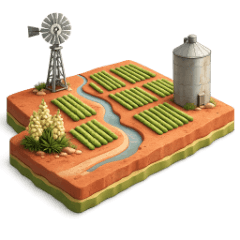
Forget the rolling hills for a second. This flat, dusty plateau near Lubbock is actually the engine room of the state industry, pumping out the vast majority of fruit that eventually lands in your glass.
Forget the rolling hills for a second. This flat, dusty plateau near Lubbock is actually the engine room of the state industry, pumping out the vast majority of fruit that eventually lands in your glass.
Texas Hill Country
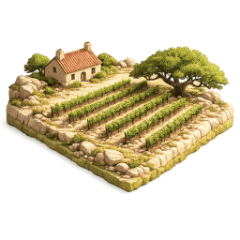
Just a stone's throw from the state capital, this sprawling area offers a scenic escape filled with wildflowers and winding roads. It is the heart of local wine tourism, where hospitality meets surprisingly serious viticulture.
Just a stone's throw from the state capital, this sprawling area offers a scenic escape filled with wildflowers and winding roads. It is the heart of local wine tourism, where hospitality meets surprisingly serious viticulture.
SUB-REGIONS
Fredericksburg
(
Texas Hill Country
)
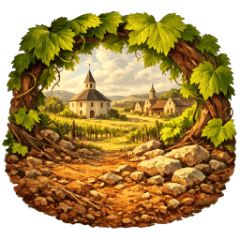
Imagine Munich crashed a rodeo. This town is the absolute epicenter of Texas wine tourism, blending bratwurst heritage with serious Tempranillo ambition. It is crowded, loud, and unapologetically fun for weekend warriors looking for a good time.
Imagine Munich crashed a rodeo. This town is the absolute epicenter of Texas wine tourism, blending bratwurst heritage with serious Tempranillo ambition. It is crowded, loud, and unapologetically fun for weekend warriors looking for a good time.
Bell Mountain
(
Texas Hill Country
)
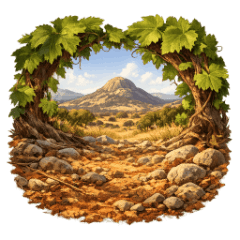
Tucked away on the northeastern edge of the Hill Country, this tiny appellation holds the bragging rights as the first designated wine growing area entirely within the state, proving that size isn't everything.
Tucked away on the northeastern edge of the Hill Country, this tiny appellation holds the bragging rights as the first designated wine growing area entirely within the state, proving that size isn't everything.
WINE STYLES
Texas Tempranillo
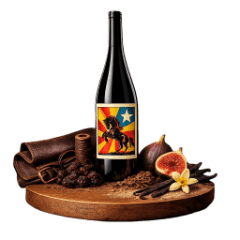
Saddle up because Tempranillo loves the heat just as much as a lizard on a hot rock. It offers a rugged mix of savory leather notes and dried cherries that fits perfectly at any cookout.
Saddle up because Tempranillo loves the heat just as much as a lizard on a hot rock. It offers a rugged mix of savory leather notes and dried cherries that fits perfectly at any cookout.
Saddle up because Tempranillo loves the heat just as much as a lizard on a hot rock. It offers a rugged mix of savory leather notes and dried cherries that fits perfectly at any cookout.
Texas High Plains Red
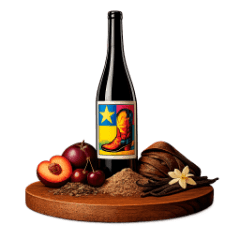
Imagine a cowboy riding through a sandstorm but carrying a basket of ripe berries. This style captures the intense heat and surprising altitude of the region, delivering big fruit flavors wrapped in a distinct, dusty earthiness.
Imagine a cowboy riding through a sandstorm but carrying a basket of ripe berries. This style captures the intense heat and surprising altitude of the region, delivering big fruit flavors wrapped in a distinct, dusty earthiness.
Imagine a cowboy riding through a sandstorm but carrying a basket of ripe berries. This style captures the intense heat and surprising altitude of the region, delivering big fruit flavors wrapped in a distinct, dusty earthiness.
LATEST REVIEWS