«
Germany

Pfalz
Pfalz
Pfalz
Germany's Sunny Patio
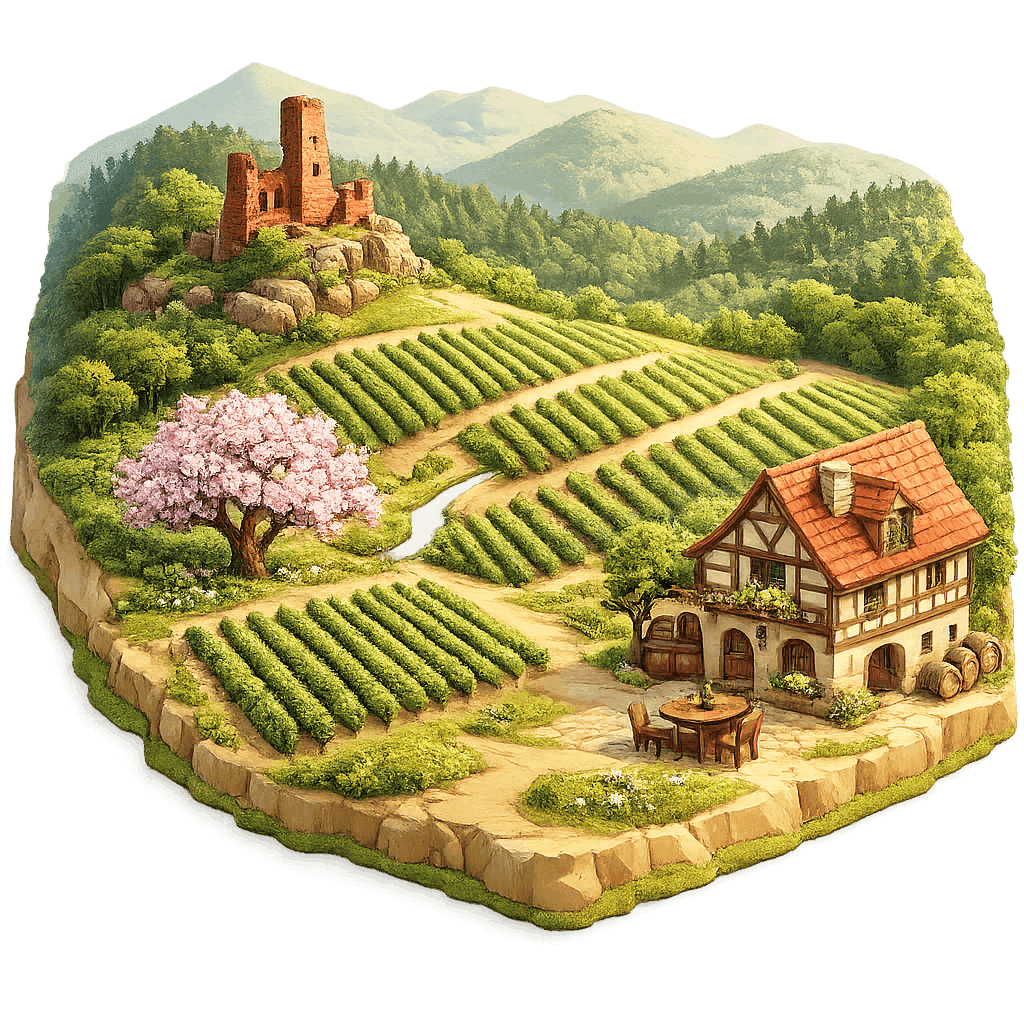
Imagine a place so warm that almond trees bloom alongside the vines. It feels more Mediterranean than Teutonic here, offering a relaxed vibe where quantity meets surprisingly high quality in a glass.
Imagine a place so warm that almond trees bloom alongside the vines. It feels more Mediterranean than Teutonic here, offering a relaxed vibe where quantity meets surprisingly high quality in a glass.
Imagine a place so warm that almond trees bloom alongside the vines. It feels more Mediterranean than Teutonic here, offering a relaxed vibe where quantity meets surprisingly high quality in a glass.
LEADERS
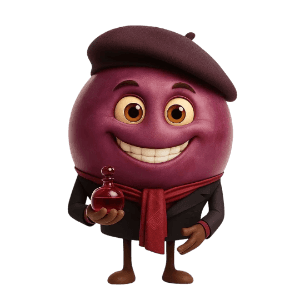
Pinot Noir

Dornfelder
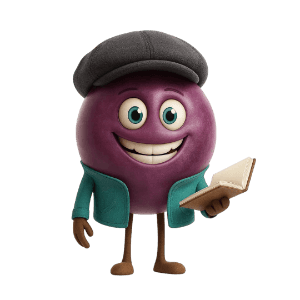
Blauer Portugieser
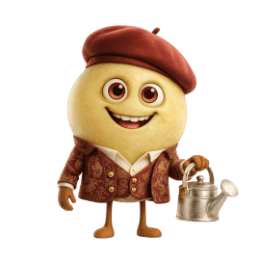
Gewürztraminer

Riesling

Müller-Thurgau
Pinot Gris

Scheurebe

Pinot Blanc
HELPERS














Why it's unique
Giant Festivals
Southern Vibes
Experimental Spirit
It is basically the continuation of Alsace, just slightly cooler and definitely louder. They hold the world's biggest wine festival here because apparently, drinking pint-sized glasses of Riesling requires a celebration. Unlike its stricter northern neighbors, this area embraces experimentation, meaning you might find a cheeky Sauvignon Blanc or a brooding Syrah hiding among the classics.
It is basically the continuation of Alsace, just slightly cooler and definitely louder. They hold the world's biggest wine festival here because apparently, drinking pint-sized glasses of Riesling requires a celebration. Unlike its stricter northern neighbors, this area embraces experimentation, meaning you might find a cheeky Sauvignon Blanc or a brooding Syrah hiding among the classics.
It is basically the continuation of Alsace, just slightly cooler and definitely louder. They hold the world's biggest wine festival here because apparently, drinking pint-sized glasses of Riesling requires a celebration. Unlike its stricter northern neighbors, this area embraces experimentation, meaning you might find a cheeky Sauvignon Blanc or a brooding Syrah hiding among the classics.
Terroir
Rain Shadow
Geological Mess
Sunny Climate
Mountains matter here. The Haardt range acts as a rain shadow, shielding the vines from wet weather and creating a uniquely dry, sunny climate. Soils are a complete geological mess - in a good way - ranging from sandstone to limestone and basalt. This patchwork allows Riesling to be rich and spicy while Pinot Noir gets ripe enough to actually taste like red wine.
Mountains matter here. The Haardt range acts as a rain shadow, shielding the vines from wet weather and creating a uniquely dry, sunny climate. Soils are a complete geological mess - in a good way - ranging from sandstone to limestone and basalt. This patchwork allows Riesling to be rich and spicy while Pinot Noir gets ripe enough to actually taste like red wine.
Mountains matter here. The Haardt range acts as a rain shadow, shielding the vines from wet weather and creating a uniquely dry, sunny climate. Soils are a complete geological mess - in a good way - ranging from sandstone to limestone and basalt. This patchwork allows Riesling to be rich and spicy while Pinot Noir gets ripe enough to actually taste like red wine.
You gotta try
Spicy Riesling
Elegant Spätburgunder
Aromatic Scheurebe
Dry Riesling is the undisputed king here, often fuller and spicier than what you get elsewhere in the country. But don't sleep on Spätburgunder. These Pinot Noirs have gained serious muscle and elegance recently. For something wild, hunt down a Scheurebe. It smells like a grapefruit exploded in a flower shop and tastes absolutely electric on a hot afternoon.
Dry Riesling is the undisputed king here, often fuller and spicier than what you get elsewhere in the country. But don't sleep on Spätburgunder. These Pinot Noirs have gained serious muscle and elegance recently. For something wild, hunt down a Scheurebe. It smells like a grapefruit exploded in a flower shop and tastes absolutely electric on a hot afternoon.
Dry Riesling is the undisputed king here, often fuller and spicier than what you get elsewhere in the country. But don't sleep on Spätburgunder. These Pinot Noirs have gained serious muscle and elegance recently. For something wild, hunt down a Scheurebe. It smells like a grapefruit exploded in a flower shop and tastes absolutely electric on a hot afternoon.
LOCAL TALES
The Gate to Happiness
The Gate to Happiness
The Gate to Happiness
Back in the 1930s, the locals decided they needed a proper entrance to their beloved Wine Road. They built the Deutsches Weintor, a massive stone gate that marks the start of Germany's first tourist route dedicated entirely to fermented grape juice. It wasn't just about directing traffic - it was a statement. By creating this monumental archway in Schweigen-Rechtenbach, they essentially told the world that what lies beyond is holy ground. Today, passing through it feels like crossing a border into a land where water is optional, and wine is mandatory. It remains a symbol of regional pride and the official starting line for many glorious tasting trips.
Back in the 1930s, the locals decided they needed a proper entrance to their beloved Wine Road. They built the Deutsches Weintor, a massive stone gate that marks the start of Germany's first tourist route dedicated entirely to fermented grape juice. It wasn't just about directing traffic - it was a statement. By creating this monumental archway in Schweigen-Rechtenbach, they essentially told the world that what lies beyond is holy ground. Today, passing through it feels like crossing a border into a land where water is optional, and wine is mandatory. It remains a symbol of regional pride and the official starting line for many glorious tasting trips.
Back in the 1930s, the locals decided they needed a proper entrance to their beloved Wine Road. They built the Deutsches Weintor, a massive stone gate that marks the start of Germany's first tourist route dedicated entirely to fermented grape juice. It wasn't just about directing traffic - it was a statement. By creating this monumental archway in Schweigen-Rechtenbach, they essentially told the world that what lies beyond is holy ground. Today, passing through it feels like crossing a border into a land where water is optional, and wine is mandatory. It remains a symbol of regional pride and the official starting line for many glorious tasting trips.
The Anti-Slip Glass
The Anti-Slip Glass
The Anti-Slip Glass
If you visit a local festival, you will be handed a monstrosity called a Dubbeglas. It is a half-liter glass covered in dimples, looking somewhat like a giant golf ball. Legend says butchers from Dürkheim invented it because their hands were too greasy from handling sausages to hold smooth glasses. They needed grip to ensure not a single drop of precious Riesling was lost to gravity. These glasses are iconic now and demand respect. You don't sip delicately from a Dubbeglas - you hoist it with conviction. It is the ultimate proof that wine culture here is not about pinkies out, but about hearty enjoyment and practical drinking solutions.
If you visit a local festival, you will be handed a monstrosity called a Dubbeglas. It is a half-liter glass covered in dimples, looking somewhat like a giant golf ball. Legend says butchers from Dürkheim invented it because their hands were too greasy from handling sausages to hold smooth glasses. They needed grip to ensure not a single drop of precious Riesling was lost to gravity. These glasses are iconic now and demand respect. You don't sip delicately from a Dubbeglas - you hoist it with conviction. It is the ultimate proof that wine culture here is not about pinkies out, but about hearty enjoyment and practical drinking solutions.
If you visit a local festival, you will be handed a monstrosity called a Dubbeglas. It is a half-liter glass covered in dimples, looking somewhat like a giant golf ball. Legend says butchers from Dürkheim invented it because their hands were too greasy from handling sausages to hold smooth glasses. They needed grip to ensure not a single drop of precious Riesling was lost to gravity. These glasses are iconic now and demand respect. You don't sip delicately from a Dubbeglas - you hoist it with conviction. It is the ultimate proof that wine culture here is not about pinkies out, but about hearty enjoyment and practical drinking solutions.
Sausage Market Madness
Sausage Market Madness
Sausage Market Madness
You might think a festival named Sausage Market focuses on meat, but the Dürkheimer Wurstmarkt is actually the largest wine festival in the world. Dating back to 1417, it started as a pilgrimage for farmers and evolved into a chaotic, joyous celebration of the vintage. Over 600,000 visitors descend upon this town every September to ride ferris wheels and consume unimaginable amounts of Riesling. It is not a stuffy tasting event with spit buckets. It is a full-contact sport where locals mix wine with sparkling water in half-liter servings and party on beer benches. This event put the region on the global map as the capital of unpretentious, high-volume wine enjoyment.
You might think a festival named Sausage Market focuses on meat, but the Dürkheimer Wurstmarkt is actually the largest wine festival in the world. Dating back to 1417, it started as a pilgrimage for farmers and evolved into a chaotic, joyous celebration of the vintage. Over 600,000 visitors descend upon this town every September to ride ferris wheels and consume unimaginable amounts of Riesling. It is not a stuffy tasting event with spit buckets. It is a full-contact sport where locals mix wine with sparkling water in half-liter servings and party on beer benches. This event put the region on the global map as the capital of unpretentious, high-volume wine enjoyment.
You might think a festival named Sausage Market focuses on meat, but the Dürkheimer Wurstmarkt is actually the largest wine festival in the world. Dating back to 1417, it started as a pilgrimage for farmers and evolved into a chaotic, joyous celebration of the vintage. Over 600,000 visitors descend upon this town every September to ride ferris wheels and consume unimaginable amounts of Riesling. It is not a stuffy tasting event with spit buckets. It is a full-contact sport where locals mix wine with sparkling water in half-liter servings and party on beer benches. This event put the region on the global map as the capital of unpretentious, high-volume wine enjoyment.
SUB-REGIONS
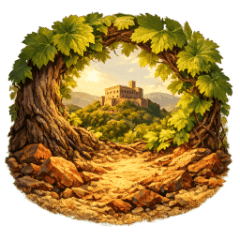
Mittelhaardt
(
Pfalz
)
Welcome to the true heartbeat of the region, where Riesling gets royal treatment without the stuffy attitude. Think glorious sunshine, legendary vineyards, and bottles that have been making connoisseurs weep with joy for centuries.
Welcome to the true heartbeat of the region, where Riesling gets royal treatment without the stuffy attitude. Think glorious sunshine, legendary vineyards, and bottles that have been making connoisseurs weep with joy for centuries.
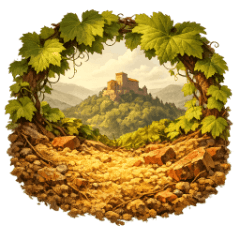
Südliche Weinstrasse
(
Pfalz
)
Forget everything you know about stiff German wine culture because this area is practically Mediterranean. While the north gets the glory, this southern stretch delivers warmer vibes and wines that could trick you into thinking you're in France.
Forget everything you know about stiff German wine culture because this area is practically Mediterranean. While the north gets the glory, this southern stretch delivers warmer vibes and wines that could trick you into thinking you're in France.
LOCAL WINE STYLES
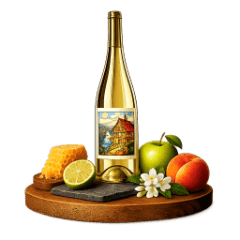
German Riesling
Imagine biting into a crisp green apple while sliding down a slate mountain. This style balances razor-sharp acidity with varying levels of sweetness, creating a tension that vibrates on your tongue like a plucked guitar string.
Imagine biting into a crisp green apple while sliding down a slate mountain. This style balances razor-sharp acidity with varying levels of sweetness, creating a tension that vibrates on your tongue like a plucked guitar string.
Imagine biting into a crisp green apple while sliding down a slate mountain. This style balances razor-sharp acidity with varying levels of sweetness, creating a tension that vibrates on your tongue like a plucked guitar string.
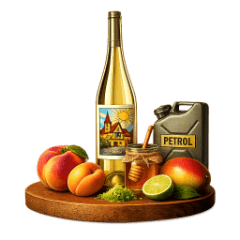
German Pfalz Riesling
Located just north of Alsace, this region is basically Germany's Mediterranean holiday spot. Because it is warmer here, Riesling gets riper, fuller, and decidedly more spicy, packing a punch of lush fruit that feels almost tropical in the glass.
Located just north of Alsace, this region is basically Germany's Mediterranean holiday spot. Because it is warmer here, Riesling gets riper, fuller, and decidedly more spicy, packing a punch of lush fruit that feels almost tropical in the glass.
Located just north of Alsace, this region is basically Germany's Mediterranean holiday spot. Because it is warmer here, Riesling gets riper, fuller, and decidedly more spicy, packing a punch of lush fruit that feels almost tropical in the glass.
LATEST REVIEWS