«
Netherlands

Overijssel
Overijssel
Overijssel
Eastern Estate Bubbles
Tucked away in the east, this province trades sandy beaches for historic manor houses and river valleys. It is a surprising pocket of viticulture where modern hybrid grapes thrive alongside ancient Hanseatic history.
Tucked away in the east, this province trades sandy beaches for historic manor houses and river valleys. It is a surprising pocket of viticulture where modern hybrid grapes thrive alongside ancient Hanseatic history.
Tucked away in the east, this province trades sandy beaches for historic manor houses and river valleys. It is a surprising pocket of viticulture where modern hybrid grapes thrive alongside ancient Hanseatic history.
LEADERS




Why it's unique
Boutique plots
Passion projects
Historic estates
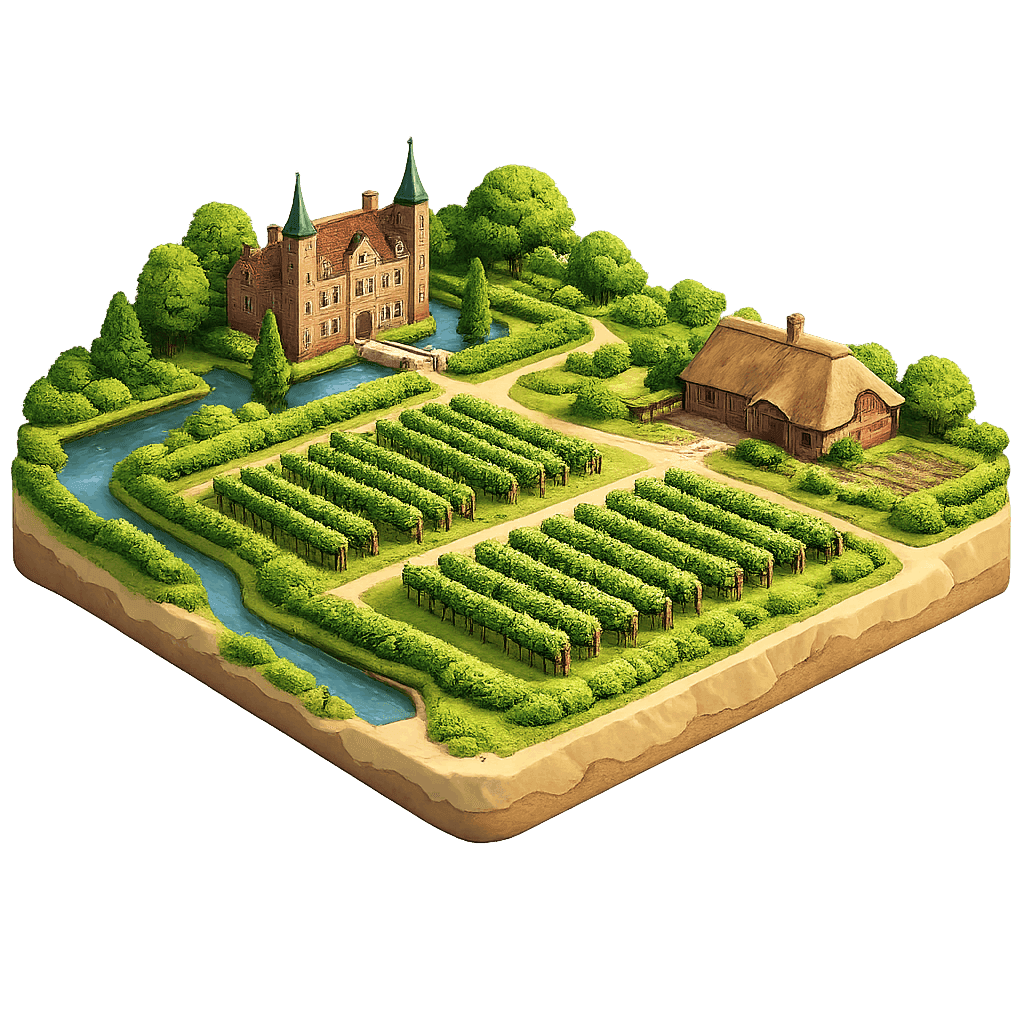
What sets this area apart is the sheer determination to make wine where glaciers used to roam. You won't find endless acres of vines here, but rather boutique plots nestled near castles and old farmhouses. It is the definition of artisanal winemaking, where passion projects turn into award-winning bottles that baffle the skeptics who think Dutch wine is a myth.
What sets this area apart is the sheer determination to make wine where glaciers used to roam. You won't find endless acres of vines here, but rather boutique plots nestled near castles and old farmhouses. It is the definition of artisanal winemaking, where passion projects turn into award-winning bottles that baffle the skeptics who think Dutch wine is a myth.
What sets this area apart is the sheer determination to make wine where glaciers used to roam. You won't find endless acres of vines here, but rather boutique plots nestled near castles and old farmhouses. It is the definition of artisanal winemaking, where passion projects turn into award-winning bottles that baffle the skeptics who think Dutch wine is a myth.
Terroir
Sandy loam
Continental influence
Well-drained
Sandy soils and loam dominate the ground beneath your feet, leftovers from the Ice Age that shape the flavors here. The climate is slightly more continental than the coast, offering warm summers that help Johanniter and Solaris ripen fully. While it can get chilly, the well-drained earth ensures the roots don't get cold feet, resulting in crisp, aromatic whites.
Sandy soils and loam dominate the ground beneath your feet, leftovers from the Ice Age that shape the flavors here. The climate is slightly more continental than the coast, offering warm summers that help Johanniter and Solaris ripen fully. While it can get chilly, the well-drained earth ensures the roots don't get cold feet, resulting in crisp, aromatic whites.
Sandy soils and loam dominate the ground beneath your feet, leftovers from the Ice Age that shape the flavors here. The climate is slightly more continental than the coast, offering warm summers that help Johanniter and Solaris ripen fully. While it can get chilly, the well-drained earth ensures the roots don't get cold feet, resulting in crisp, aromatic whites.
You gotta try
Zesty Johanniter
Fruity Regent
Sparkling Solaris
Johanniter is the absolute star here, often produced as a crisp white that rivals Riesling in zestiness. If you prefer red, give Regent a shot - it produces a surprisingly dark and fruity glass perfect for a rainy Tuesday. For a celebration, seek out the sparkling wines made from Solaris, which pack enough bubbles and tropical fruit notes to start any party.
Johanniter is the absolute star here, often produced as a crisp white that rivals Riesling in zestiness. If you prefer red, give Regent a shot - it produces a surprisingly dark and fruity glass perfect for a rainy Tuesday. For a celebration, seek out the sparkling wines made from Solaris, which pack enough bubbles and tropical fruit notes to start any party.
Johanniter is the absolute star here, often produced as a crisp white that rivals Riesling in zestiness. If you prefer red, give Regent a shot - it produces a surprisingly dark and fruity glass perfect for a rainy Tuesday. For a celebration, seek out the sparkling wines made from Solaris, which pack enough bubbles and tropical fruit notes to start any party.
LOCAL TALES
Glaciers and Grapes
Glaciers and Grapes
Glaciers and Grapes
It sounds wild, but the landscape here was sculpted by massive glaciers during the Saalian Ice Age. They pushed up ridges like the Sallandse Heuvelrug, creating distinct elevations that arguably act as the Netherlands' very tiny mountains. Modern vintners looked at these sandy, well-drained ridges and realized they were perfect for planting vines. Instead of fighting waterlogged clay, they utilize this prehistoric landscaping to grow grapes that actually struggle just enough to create character. It is geology helping oenology in the coolest way possible, turning ancient ice movements into your Friday night drink.
It sounds wild, but the landscape here was sculpted by massive glaciers during the Saalian Ice Age. They pushed up ridges like the Sallandse Heuvelrug, creating distinct elevations that arguably act as the Netherlands' very tiny mountains. Modern vintners looked at these sandy, well-drained ridges and realized they were perfect for planting vines. Instead of fighting waterlogged clay, they utilize this prehistoric landscaping to grow grapes that actually struggle just enough to create character. It is geology helping oenology in the coolest way possible, turning ancient ice movements into your Friday night drink.
It sounds wild, but the landscape here was sculpted by massive glaciers during the Saalian Ice Age. They pushed up ridges like the Sallandse Heuvelrug, creating distinct elevations that arguably act as the Netherlands' very tiny mountains. Modern vintners looked at these sandy, well-drained ridges and realized they were perfect for planting vines. Instead of fighting waterlogged clay, they utilize this prehistoric landscaping to grow grapes that actually struggle just enough to create character. It is geology helping oenology in the coolest way possible, turning ancient ice movements into your Friday night drink.
The Bentelo Bet
The Bentelo Bet
The Bentelo Bet
Let's talk about Bentelo. In a country famous for flatness, the Hof van Twente vineyard in this tiny village decided to go big. They are one of the largest in the Netherlands. When the owners started, neighbors probably thought they had hit the local beer too hard. But by planting fungus-resistant varieties, they proved everyone wrong. Now, people flock to the Twente countryside not just for cycling, but to sip award-winning wines right on the estate. It is the ultimate 'I told you so' story in liquid form, putting this rural patch on the map.
Let's talk about Bentelo. In a country famous for flatness, the Hof van Twente vineyard in this tiny village decided to go big. They are one of the largest in the Netherlands. When the owners started, neighbors probably thought they had hit the local beer too hard. But by planting fungus-resistant varieties, they proved everyone wrong. Now, people flock to the Twente countryside not just for cycling, but to sip award-winning wines right on the estate. It is the ultimate 'I told you so' story in liquid form, putting this rural patch on the map.
Let's talk about Bentelo. In a country famous for flatness, the Hof van Twente vineyard in this tiny village decided to go big. They are one of the largest in the Netherlands. When the owners started, neighbors probably thought they had hit the local beer too hard. But by planting fungus-resistant varieties, they proved everyone wrong. Now, people flock to the Twente countryside not just for cycling, but to sip award-winning wines right on the estate. It is the ultimate 'I told you so' story in liquid form, putting this rural patch on the map.
Trading More Than Salt
Trading More Than Salt
Trading More Than Salt
Long before local vines were planted, the Hanseatic cities along the river IJssel like Zwolle and Kampen were importing barrels of wine from Germany and France. The river was a superhighway for commerce in the Middle Ages. Wealthy merchants developed a taste for the good stuff centuries ago, setting a cultural foundation for appreciation in the region. Today, the tables have turned completely, and locals are pouring their own vintages in the historic town squares where foreign barrels used to roll off the ships. It is a delicious full-circle moment.
Long before local vines were planted, the Hanseatic cities along the river IJssel like Zwolle and Kampen were importing barrels of wine from Germany and France. The river was a superhighway for commerce in the Middle Ages. Wealthy merchants developed a taste for the good stuff centuries ago, setting a cultural foundation for appreciation in the region. Today, the tables have turned completely, and locals are pouring their own vintages in the historic town squares where foreign barrels used to roll off the ships. It is a delicious full-circle moment.
Long before local vines were planted, the Hanseatic cities along the river IJssel like Zwolle and Kampen were importing barrels of wine from Germany and France. The river was a superhighway for commerce in the Middle Ages. Wealthy merchants developed a taste for the good stuff centuries ago, setting a cultural foundation for appreciation in the region. Today, the tables have turned completely, and locals are pouring their own vintages in the historic town squares where foreign barrels used to roll off the ships. It is a delicious full-circle moment.
LOCAL WINE STYLES
Dutch Solaris
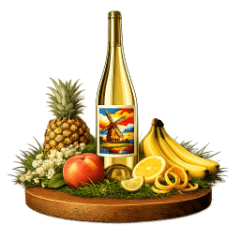
While you might expect tulips and rain, this bottle brings unexpected tropical vibes to the Low Countries. Solaris ripens effortlessly even when the sun plays hide and seek, delivering a glass full of pineapple and hope.
While you might expect tulips and rain, this bottle brings unexpected tropical vibes to the Low Countries. Solaris ripens effortlessly even when the sun plays hide and seek, delivering a glass full of pineapple and hope.
While you might expect tulips and rain, this bottle brings unexpected tropical vibes to the Low Countries. Solaris ripens effortlessly even when the sun plays hide and seek, delivering a glass full of pineapple and hope.
Dutch Johanniter
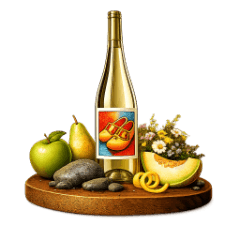
Bred to withstand humidity that would make lesser berries cry, Johanniter delivers a razor-sharp acidity profile reminiscent of noble German ancestors. It brings structure, melon notes, and citrus zest to the northern table without the fuss of traditional farming.
Bred to withstand humidity that would make lesser berries cry, Johanniter delivers a razor-sharp acidity profile reminiscent of noble German ancestors. It brings structure, melon notes, and citrus zest to the northern table without the fuss of traditional farming.
Bred to withstand humidity that would make lesser berries cry, Johanniter delivers a razor-sharp acidity profile reminiscent of noble German ancestors. It brings structure, melon notes, and citrus zest to the northern table without the fuss of traditional farming.
LATEST REVIEWS