«
Baden
,
Germany

Markgräflerland
Gutedel's Sunny Lounge
Tucked way down south near Switzerland, this patch of land is obsessed with a vine everyone else forgot. It is Germany's warmest corner, offering laid-back vibes and a distinct love affair with ancient Gutedel.
Tucked way down south near Switzerland, this patch of land is obsessed with a vine everyone else forgot. It is Germany's warmest corner, offering laid-back vibes and a distinct love affair with ancient Gutedel.
Tucked way down south near Switzerland, this patch of land is obsessed with a vine everyone else forgot. It is Germany's warmest corner, offering laid-back vibes and a distinct love affair with ancient Gutedel.






Taste profile
Soft Whites
Nutty Flavors
Structured Reds
If you enjoy low-acid white wines that don't strip the enamel off your teeth, you have found paradise. Gutedel rules here, delivering soft, nutty, and incredibly drinkable whites perfect for lunch. But don't sleep on Spätburgunder! These reds are becoming powerful and structured, shaking off their rustic reputation for something far more elegant and driven by the limestone soils found in key pockets.
If you enjoy low-acid white wines that don't strip the enamel off your teeth, you have found paradise. Gutedel rules here, delivering soft, nutty, and incredibly drinkable whites perfect for lunch. But don't sleep on Spätburgunder! These reds are becoming powerful and structured, shaking off their rustic reputation for something far more elegant and driven by the limestone soils found in key pockets.
If you enjoy low-acid white wines that don't strip the enamel off your teeth, you have found paradise. Gutedel rules here, delivering soft, nutty, and incredibly drinkable whites perfect for lunch. But don't sleep on Spätburgunder! These reds are becoming powerful and structured, shaking off their rustic reputation for something far more elegant and driven by the limestone soils found in key pockets.
The vibe
Sunny Hills
Thermal Spas
Border Culture
Locals call this the Tuscany of Germany, and they aren't joking about the sunshine hours. You will find a rolling landscape filled with thermal baths and restaurants serving heavy Baden cuisine. It sits right on the border with Switzerland and France, creating a cultural melting pot where life moves at a glacial pace. It is about hedonism, hot springs, and never rushing a glass of wine.
Locals call this the Tuscany of Germany, and they aren't joking about the sunshine hours. You will find a rolling landscape filled with thermal baths and restaurants serving heavy Baden cuisine. It sits right on the border with Switzerland and France, creating a cultural melting pot where life moves at a glacial pace. It is about hedonism, hot springs, and never rushing a glass of wine.
Locals call this the Tuscany of Germany, and they aren't joking about the sunshine hours. You will find a rolling landscape filled with thermal baths and restaurants serving heavy Baden cuisine. It sits right on the border with Switzerland and France, creating a cultural melting pot where life moves at a glacial pace. It is about hedonism, hot springs, and never rushing a glass of wine.
Who's who
Maverick Growers
Cooperative Giants
Ziereisen Rules
Hanspeter Ziereisen is the undeniable rockstar here, proving that Gutedel can actually age and taste profound rather than just being simple table wine. He refuses to follow appellation rules, labeling his top wines as Landwein. Martin Waßmer adds serious polish to the region's reds. While cooperatives still churn out oceans of easy drinking liters, the independent growers are rapidly turning this into a fine wine destination.
Hanspeter Ziereisen is the undeniable rockstar here, proving that Gutedel can actually age and taste profound rather than just being simple table wine. He refuses to follow appellation rules, labeling his top wines as Landwein. Martin Waßmer adds serious polish to the region's reds. While cooperatives still churn out oceans of easy drinking liters, the independent growers are rapidly turning this into a fine wine destination.
Hanspeter Ziereisen is the undeniable rockstar here, proving that Gutedel can actually age and taste profound rather than just being simple table wine. He refuses to follow appellation rules, labeling his top wines as Landwein. Martin Waßmer adds serious polish to the region's reds. While cooperatives still churn out oceans of easy drinking liters, the independent growers are rapidly turning this into a fine wine destination.
LOCAL TALES
The Margrave's Souvenir
The Margrave's Souvenir
The Margrave's Souvenir
Back in 1780, Margrave Karl Friedrich of Baden decided his local vineyards needed a serious upgrade. Being a man of taste and influence, he brought cuttings of a specific vine from Vevey, Switzerland, back to his home turf. That import was Gutedel, and it essentially became the monoculture of the entire area. While the rest of the world largely abandoned this low-acid producer for trendier options, Markgräflerland held onto it with an iron grip. Today, it remains one of the oldest cultivated vines in the world still grown on a commercial scale here. It is a stubborn dedication to history that defines the local palate, proving that sometimes grandfathers actually knew best about what to drink on a hot afternoon.
Back in 1780, Margrave Karl Friedrich of Baden decided his local vineyards needed a serious upgrade. Being a man of taste and influence, he brought cuttings of a specific vine from Vevey, Switzerland, back to his home turf. That import was Gutedel, and it essentially became the monoculture of the entire area. While the rest of the world largely abandoned this low-acid producer for trendier options, Markgräflerland held onto it with an iron grip. Today, it remains one of the oldest cultivated vines in the world still grown on a commercial scale here. It is a stubborn dedication to history that defines the local palate, proving that sometimes grandfathers actually knew best about what to drink on a hot afternoon.
Rebellion in a Bottle
Rebellion in a Bottle
Rebellion in a Bottle
For years, this region was dismissed as a producer of simple, cheap mouthwash, but Hanspeter Ziereisen changed the game entirely. He realized the strict German wine laws were stifling quality, so he famously opted out of the prestigious quality wine system. Instead, he labels his world-class, complex bottles as humble Landwein. It was a massive middle finger to bureaucracy that paid off beautifully. Now, sommeliers fight over his Landwein which sells for premium prices and beats certified Grand Crus in blind tastings. He proved that Gutedel and Spätburgunder here have souls, inspiring a whole new generation of winemakers to prioritize flavor over fancy government stamps on the label.
For years, this region was dismissed as a producer of simple, cheap mouthwash, but Hanspeter Ziereisen changed the game entirely. He realized the strict German wine laws were stifling quality, so he famously opted out of the prestigious quality wine system. Instead, he labels his world-class, complex bottles as humble Landwein. It was a massive middle finger to bureaucracy that paid off beautifully. Now, sommeliers fight over his Landwein which sells for premium prices and beats certified Grand Crus in blind tastings. He proved that Gutedel and Spätburgunder here have souls, inspiring a whole new generation of winemakers to prioritize flavor over fancy government stamps on the label.
Mediterranean Without the Sea
Mediterranean Without the Sea
Mediterranean Without the Sea
You might think you know Germany as a cold, gray place where potatoes grow, but this specific strip of land breaks every stereotype. Known as the Sun Room of the nation, warm air currents flow in through the Belfort Gap from the Mediterranean, giving it a climate nearly identical to Burgundy. This weather phenomenon allows almond and fig trees to grow alongside the vineyards, creating a lush, southern atmosphere that feels completely un-German. It is so warm that harvest often starts weeks earlier than in the north. This heat is the secret weapon for their red wines, allowing Spätburgunder to ripen fully without that harsh, green bite you might find elsewhere. It is essentially the Mediterranean without the salt water.
You might think you know Germany as a cold, gray place where potatoes grow, but this specific strip of land breaks every stereotype. Known as the Sun Room of the nation, warm air currents flow in through the Belfort Gap from the Mediterranean, giving it a climate nearly identical to Burgundy. This weather phenomenon allows almond and fig trees to grow alongside the vineyards, creating a lush, southern atmosphere that feels completely un-German. It is so warm that harvest often starts weeks earlier than in the north. This heat is the secret weapon for their red wines, allowing Spätburgunder to ripen fully without that harsh, green bite you might find elsewhere. It is essentially the Mediterranean without the salt water.
LOCAL WINE STYLES
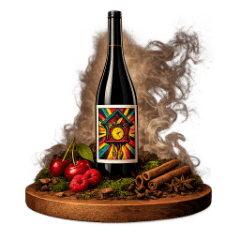
German Spätburgunder
Forget everything you thought you knew about this region being only for sweet white wines. This red is proof that climate change and serious ambition have created a worthy rival to French classics, delivering earthiness and spice.
Forget everything you thought you knew about this region being only for sweet white wines. This red is proof that climate change and serious ambition have created a worthy rival to French classics, delivering earthiness and spice.
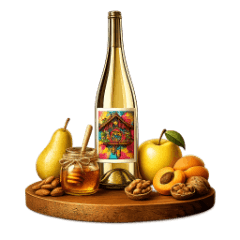
German Grauburgunder
While its Italian cousin plays it safe by the pool, Grauburgunder puts on a suit and orders a steak. It delivers a full-bodied experience packed with ripe stone fruit and a nutty finish that screams sophistication.
While its Italian cousin plays it safe by the pool, Grauburgunder puts on a suit and orders a steak. It delivers a full-bodied experience packed with ripe stone fruit and a nutty finish that screams sophistication.
LATEST REVIEWS