«
Catalonia
,
Spain

Conca de Barberà
Trepat's Spicy Kingdom
If Trepat is royalty, this geological basin is its throne room. Situated in a depression that traps cool air, the area has pivoted from bulk production to crafting elegant, spicy reds that are finally getting the respect they deserve.
If Trepat is royalty, this geological basin is its throne room. Situated in a depression that traps cool air, the area has pivoted from bulk production to crafting elegant, spicy reds that are finally getting the respect they deserve.
If Trepat is royalty, this geological basin is its throne room. Situated in a depression that traps cool air, the area has pivoted from bulk production to crafting elegant, spicy reds that are finally getting the respect they deserve.





Taste profile
Peppery Reds
Crunchy Fruit
Fresh Whites
Trepat steals the show here with a profile that screams fresh pepper and wild red berries. It is light, crunchy, and dangerously drinkable, often compared to Pinot Noir but with a distinctive spicy kick. You will also find excellent Cava bases using Macabeu and Parellada, providing sharp acidity. The whites are floral and lean, while international reds here tend to be fresher than their Priorat neighbors thanks to the elevation.
Trepat steals the show here with a profile that screams fresh pepper and wild red berries. It is light, crunchy, and dangerously drinkable, often compared to Pinot Noir but with a distinctive spicy kick. You will also find excellent Cava bases using Macabeu and Parellada, providing sharp acidity. The whites are floral and lean, while international reds here tend to be fresher than their Priorat neighbors thanks to the elevation.
Trepat steals the show here with a profile that screams fresh pepper and wild red berries. It is light, crunchy, and dangerously drinkable, often compared to Pinot Noir but with a distinctive spicy kick. You will also find excellent Cava bases using Macabeu and Parellada, providing sharp acidity. The whites are floral and lean, while international reds here tend to be fresher than their Priorat neighbors thanks to the elevation.
The vibe
Medieval History
Wine Cathedrals
Cool Basin
Imagine stepping into a time machine that oscillates between medieval monk life and early 20th-century architectural grandeur. This basin is home to the stunning Poblet Monastery and awe-inspiring cooperative wineries known as Wine Cathedrals. It feels sacred yet industrious. The air is cooler here, nestled in a natural bowl that protects the harvest from the harshness of the Mediterranean coast, creating a serene and almost spiritual atmosphere for touring.
Imagine stepping into a time machine that oscillates between medieval monk life and early 20th-century architectural grandeur. This basin is home to the stunning Poblet Monastery and awe-inspiring cooperative wineries known as Wine Cathedrals. It feels sacred yet industrious. The air is cooler here, nestled in a natural bowl that protects the harvest from the harshness of the Mediterranean coast, creating a serene and almost spiritual atmosphere for touring.
Imagine stepping into a time machine that oscillates between medieval monk life and early 20th-century architectural grandeur. This basin is home to the stunning Poblet Monastery and awe-inspiring cooperative wineries known as Wine Cathedrals. It feels sacred yet industrious. The air is cooler here, nestled in a natural bowl that protects the harvest from the harshness of the Mediterranean coast, creating a serene and almost spiritual atmosphere for touring.
Who's who
Familia Torres
Trepat Pioneers
Historic Co-ops
Familia Torres made a huge splash here by investing in historic vineyards and recovering ancestral varieties, proving the region's elite potential. However, the soul of the area lies with producers like Josep Foraster and Carles Andreu, who champion Trepat as a serious wine rather than just Cava filler. The cooperative movement is strong, with Celler Modernista de Sarral showing that quantity and architectural beauty can coexist with quality.
Familia Torres made a huge splash here by investing in historic vineyards and recovering ancestral varieties, proving the region's elite potential. However, the soul of the area lies with producers like Josep Foraster and Carles Andreu, who champion Trepat as a serious wine rather than just Cava filler. The cooperative movement is strong, with Celler Modernista de Sarral showing that quantity and architectural beauty can coexist with quality.
Familia Torres made a huge splash here by investing in historic vineyards and recovering ancestral varieties, proving the region's elite potential. However, the soul of the area lies with producers like Josep Foraster and Carles Andreu, who champion Trepat as a serious wine rather than just Cava filler. The cooperative movement is strong, with Celler Modernista de Sarral showing that quantity and architectural beauty can coexist with quality.
LOCAL TALES
Monks Who Understood Terroir
Monks Who Understood Terroir
Monks Who Understood Terroir
Long before hipsters discovered the joy of light reds, Cistercian monks were the original influencers here. Founded in the 12th century, the Royal Abbey of Santa Maria de Poblet is not just a UNESCO World Heritage site - it is the spiritual anchor of Catalan winemaking. These robed viticulturists understood the climate perfectly. They didn't just pray - they planted. For centuries, they tended the land, establishing a symbiotic relationship between the divine and the fermentation vat. Even today, wine is still crafted inside the monastery walls, maintaining a tradition that has survived wars, phylloxera, and changing tastes. It is living history in a glass, proving that patience really is a virtue when winemaking is involved.
Long before hipsters discovered the joy of light reds, Cistercian monks were the original influencers here. Founded in the 12th century, the Royal Abbey of Santa Maria de Poblet is not just a UNESCO World Heritage site - it is the spiritual anchor of Catalan winemaking. These robed viticulturists understood the climate perfectly. They didn't just pray - they planted. For centuries, they tended the land, establishing a symbiotic relationship between the divine and the fermentation vat. Even today, wine is still crafted inside the monastery walls, maintaining a tradition that has survived wars, phylloxera, and changing tastes. It is living history in a glass, proving that patience really is a virtue when winemaking is involved.
Temples for Fermentation
Temples for Fermentation
Temples for Fermentation
While Gaudí was busy making Barcelona wavy, his disciple Cèsar Martinell decided that wine deserved a palace too. In the early 20th century, agriculture needed a boost, so they built cooperatives. But these weren't just warehouses - they were dubbed Wine Cathedrals. Using parabolic arches and breathtaking brickwork, Martinell turned industrial spaces into temples of light and efficiency. The cellar in Rocafort de Queralt or Montblanc isn't just a place to crush berries - it is an architectural marvel. Walking into one feels like entering a basilica, except the incense is replaced by the smell of fermenting juice. It was a golden era where farmers pooled resources to build functional art that still stands tall today.
While Gaudí was busy making Barcelona wavy, his disciple Cèsar Martinell decided that wine deserved a palace too. In the early 20th century, agriculture needed a boost, so they built cooperatives. But these weren't just warehouses - they were dubbed Wine Cathedrals. Using parabolic arches and breathtaking brickwork, Martinell turned industrial spaces into temples of light and efficiency. The cellar in Rocafort de Queralt or Montblanc isn't just a place to crush berries - it is an architectural marvel. Walking into one feels like entering a basilica, except the incense is replaced by the smell of fermenting juice. It was a golden era where farmers pooled resources to build functional art that still stands tall today.
The Ugly Duckling Grape
The Ugly Duckling Grape
The Ugly Duckling Grape
For decades, Trepat was the Rodney Dangerfield of Catalan viticulture - it got no respect. Farmers used it primarily to bulk up rosé Cava or make simple table wines because it was pale and low in alcohol. Big, heavy reds were in fashion, so Trepat was cast aside as too wimpy. Then, tastes changed. Suddenly, sommeliers started craving fresh, lower-alcohol wines with peppercorn notes. Enter the local visionaries who stopped treating Trepat like a filler and started vinifying it with care. Now, it is the darling of the region. It is the Cinderella story of Catalan wine, transforming from a workhorse into a highly sought-after unicorn that has put Conca de Barberà back on the global map.
For decades, Trepat was the Rodney Dangerfield of Catalan viticulture - it got no respect. Farmers used it primarily to bulk up rosé Cava or make simple table wines because it was pale and low in alcohol. Big, heavy reds were in fashion, so Trepat was cast aside as too wimpy. Then, tastes changed. Suddenly, sommeliers started craving fresh, lower-alcohol wines with peppercorn notes. Enter the local visionaries who stopped treating Trepat like a filler and started vinifying it with care. Now, it is the darling of the region. It is the Cinderella story of Catalan wine, transforming from a workhorse into a highly sought-after unicorn that has put Conca de Barberà back on the global map.
LOCAL WINE STYLES
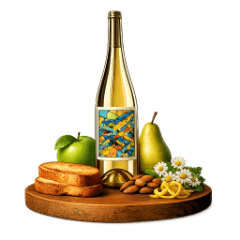
Spanish Cava
It is the answer to your sophisticated sparkling dreams on a beer budget. Created using the traditional method, this sparkling delight brings toasted almond vibes and zesty citrus notes without forcing you to sell your car.
It is the answer to your sophisticated sparkling dreams on a beer budget. Created using the traditional method, this sparkling delight brings toasted almond vibes and zesty citrus notes without forcing you to sell your car.
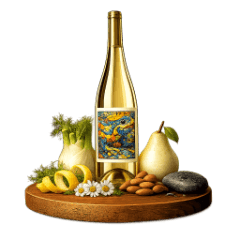
Catalonia Xarel·lo
Xarel·lo steps out of the sparkling shadows to prove it has serious swagger as a still wine. Think fresh herbs, saline kicks, and a texture that coats your palate like a gentle Mediterranean breeze.
Xarel·lo steps out of the sparkling shadows to prove it has serious swagger as a still wine. Think fresh herbs, saline kicks, and a texture that coats your palate like a gentle Mediterranean breeze.
LATEST REVIEWS