«
Spain

Catalonia
Catalonia
Catalonia
Bubbly Sunny Rebel
This northeastern corner of Spain isn't just about Barcelona beaches or architectural wonders. It is the spiritual home of Cava and heavy red hitters like Priorat, mixing Mediterranean sunshine with a fierce independent streak that tastes absolutely delicious.
This northeastern corner of Spain isn't just about Barcelona beaches or architectural wonders. It is the spiritual home of Cava and heavy red hitters like Priorat, mixing Mediterranean sunshine with a fierce independent streak that tastes absolutely delicious.
This northeastern corner of Spain isn't just about Barcelona beaches or architectural wonders. It is the spiritual home of Cava and heavy red hitters like Priorat, mixing Mediterranean sunshine with a fierce independent streak that tastes absolutely delicious.
LEADERS





HELPERS











Why it's unique
Diverse styles
Art nouveau
Cava capital
Diversity is the name of the game here. You can go from sipping crisp Cava by the sea to climbing steep slate hills in Priorat for intense Garnacha within a few hours. It is one of the few places where cooperative wineries built cathedral-like cellars that look more like art museums than factories. Innovation runs deep in Catalan veins so expect modern techniques alongside ancient traditions.
Diversity is the name of the game here. You can go from sipping crisp Cava by the sea to climbing steep slate hills in Priorat for intense Garnacha within a few hours. It is one of the few places where cooperative wineries built cathedral-like cellars that look more like art museums than factories. Innovation runs deep in Catalan veins so expect modern techniques alongside ancient traditions.
Diversity is the name of the game here. You can go from sipping crisp Cava by the sea to climbing steep slate hills in Priorat for intense Garnacha within a few hours. It is one of the few places where cooperative wineries built cathedral-like cellars that look more like art museums than factories. Innovation runs deep in Catalan veins so expect modern techniques alongside ancient traditions.
Terroir
Llicorella slate
Sea breezes
Rugged mountains
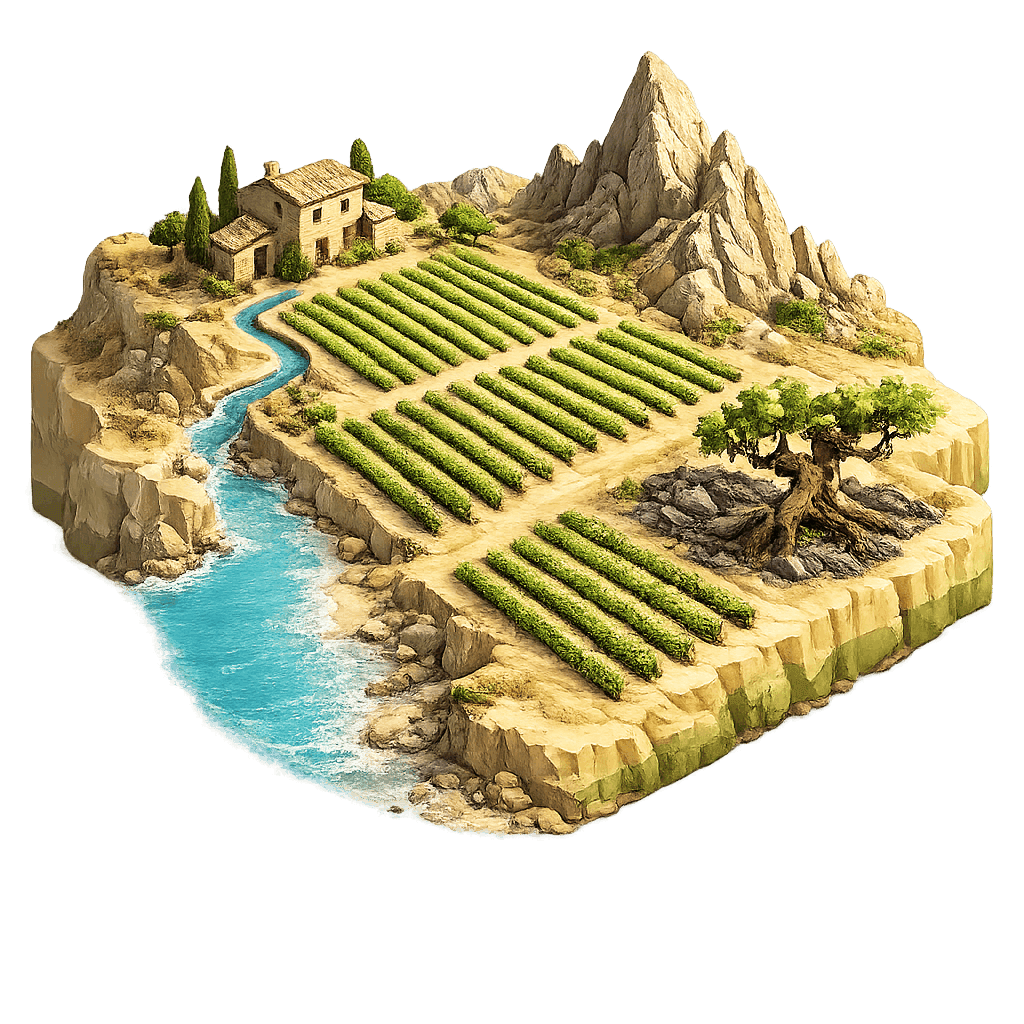
Mediterranean influence dominates the coast keeping things mild for Xarel-lo, while cooler peaks are perfect for Parellada. Move inland towards the mountains and things get dramatic. The famous llicorella slate soils of Priorat reflect heat and force roots to dig deep for water. This combination of sea breezes and rugged terrain creates wines that are vibrant yet structured. It is a geologist's playground.
Mediterranean influence dominates the coast keeping things mild for Xarel-lo, while cooler peaks are perfect for Parellada. Move inland towards the mountains and things get dramatic. The famous llicorella slate soils of Priorat reflect heat and force roots to dig deep for water. This combination of sea breezes and rugged terrain creates wines that are vibrant yet structured. It is a geologist's playground.
Mediterranean influence dominates the coast keeping things mild for Xarel-lo, while cooler peaks are perfect for Parellada. Move inland towards the mountains and things get dramatic. The famous llicorella slate soils of Priorat reflect heat and force roots to dig deep for water. This combination of sea breezes and rugged terrain creates wines that are vibrant yet structured. It is a geologist's playground.
You gotta try
Premium bubbles
Intense reds
Salty whites
Start your journey with a bottle of Corpinnat or Cava because bubbles are non-negotiable here. Then you absolutely must tackle a powerful red blend from Priorat or Montsant featuring Garnacha and Cariñena. For something lighter look for Alella whites which offer a salty kick that screams summer vacation. Don't skip the vermouth hour before dinner either as it is a local religion.
Start your journey with a bottle of Corpinnat or Cava because bubbles are non-negotiable here. Then you absolutely must tackle a powerful red blend from Priorat or Montsant featuring Garnacha and Cariñena. For something lighter look for Alella whites which offer a salty kick that screams summer vacation. Don't skip the vermouth hour before dinner either as it is a local religion.
Start your journey with a bottle of Corpinnat or Cava because bubbles are non-negotiable here. Then you absolutely must tackle a powerful red blend from Priorat or Montsant featuring Garnacha and Cariñena. For something lighter look for Alella whites which offer a salty kick that screams summer vacation. Don't skip the vermouth hour before dinner either as it is a local religion.
LOCAL TALES
The Wine Cathedrals
The Wine Cathedrals
The Wine Cathedrals
Imagine walking into a winery and feeling like you need to whisper a prayer. In the early 20th century specifically around the 1910s and 20s agriculture got a modernist makeover. Architects like Cèsar Martinell who was a disciple of the famous Antoni Gaudí decided that processing grapes shouldn't happen in dark dungeons. They built soaring arches and beautiful brick vaults known as the Wine Cathedrals or Catedrales del Vino. These cooperative buildings weren't just for show. The design actually helped with ventilation and temperature control. It turns out that making wine in a masterpiece of Art Nouveau architecture makes the final product taste just a little bit holier.
Imagine walking into a winery and feeling like you need to whisper a prayer. In the early 20th century specifically around the 1910s and 20s agriculture got a modernist makeover. Architects like Cèsar Martinell who was a disciple of the famous Antoni Gaudí decided that processing grapes shouldn't happen in dark dungeons. They built soaring arches and beautiful brick vaults known as the Wine Cathedrals or Catedrales del Vino. These cooperative buildings weren't just for show. The design actually helped with ventilation and temperature control. It turns out that making wine in a masterpiece of Art Nouveau architecture makes the final product taste just a little bit holier.
Imagine walking into a winery and feeling like you need to whisper a prayer. In the early 20th century specifically around the 1910s and 20s agriculture got a modernist makeover. Architects like Cèsar Martinell who was a disciple of the famous Antoni Gaudí decided that processing grapes shouldn't happen in dark dungeons. They built soaring arches and beautiful brick vaults known as the Wine Cathedrals or Catedrales del Vino. These cooperative buildings weren't just for show. The design actually helped with ventilation and temperature control. It turns out that making wine in a masterpiece of Art Nouveau architecture makes the final product taste just a little bit holier.
The Champagne Imposter
The Champagne Imposter
The Champagne Imposter
Josep Raventós was a man on a mission back in 1872. After a trip to France where he saw how much money Champagne houses were making with their fancy bubbles he returned to Penedès with a glint in his eye. He decided to apply the traditional method to local stars like Macabeo and Xarel-lo instead of Chardonnay or Pinot Noir. The result was Cava. For the longest time people called it Spanish Champagne but legal battles eventually put an end to that copycat naming. Today Cava stands proud on its own two feet offering toaster-strudel complexity without requiring you to sell a kidney to afford a bottle for your Tuesday night tacos.
Josep Raventós was a man on a mission back in 1872. After a trip to France where he saw how much money Champagne houses were making with their fancy bubbles he returned to Penedès with a glint in his eye. He decided to apply the traditional method to local stars like Macabeo and Xarel-lo instead of Chardonnay or Pinot Noir. The result was Cava. For the longest time people called it Spanish Champagne but legal battles eventually put an end to that copycat naming. Today Cava stands proud on its own two feet offering toaster-strudel complexity without requiring you to sell a kidney to afford a bottle for your Tuesday night tacos.
Josep Raventós was a man on a mission back in 1872. After a trip to France where he saw how much money Champagne houses were making with their fancy bubbles he returned to Penedès with a glint in his eye. He decided to apply the traditional method to local stars like Macabeo and Xarel-lo instead of Chardonnay or Pinot Noir. The result was Cava. For the longest time people called it Spanish Champagne but legal battles eventually put an end to that copycat naming. Today Cava stands proud on its own two feet offering toaster-strudel complexity without requiring you to sell a kidney to afford a bottle for your Tuesday night tacos.
The Hippie Revolution
The Hippie Revolution
The Hippie Revolution
Priorat wasn't always the luxury icon it is today. By the 1970s the region was practically dead with vineyards abandoned and the population fleeing to cities. Then came a group of dreamers led by René Barbier in the 1980s. They were a scruffy bunch of friends often called the Gratallops 5 who saw potential in the rugged slate slopes where nobody else dared to farm. They bought old plots of Garnacha and Cariñena for pennies and shared a single cellar to craft their debut vintages. Critics laughed until they tasted the wine. Suddenly these intense mineral bombs were scoring perfect points globally. They proved that sometimes you have to be a little crazy to make world-class magic.
Priorat wasn't always the luxury icon it is today. By the 1970s the region was practically dead with vineyards abandoned and the population fleeing to cities. Then came a group of dreamers led by René Barbier in the 1980s. They were a scruffy bunch of friends often called the Gratallops 5 who saw potential in the rugged slate slopes where nobody else dared to farm. They bought old plots of Garnacha and Cariñena for pennies and shared a single cellar to craft their debut vintages. Critics laughed until they tasted the wine. Suddenly these intense mineral bombs were scoring perfect points globally. They proved that sometimes you have to be a little crazy to make world-class magic.
Priorat wasn't always the luxury icon it is today. By the 1970s the region was practically dead with vineyards abandoned and the population fleeing to cities. Then came a group of dreamers led by René Barbier in the 1980s. They were a scruffy bunch of friends often called the Gratallops 5 who saw potential in the rugged slate slopes where nobody else dared to farm. They bought old plots of Garnacha and Cariñena for pennies and shared a single cellar to craft their debut vintages. Critics laughed until they tasted the wine. Suddenly these intense mineral bombs were scoring perfect points globally. They proved that sometimes you have to be a little crazy to make world-class magic.
SUB-REGIONS
Penedès
(
Catalonia
)
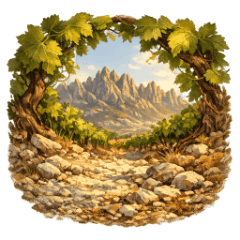
Think of this spot as the spiritual home of Cava but do not ignore the still wines. It is a bubbling cauldron of innovation just southwest of Barcelona where tradition meets modern organic farming head-on.
Think of this spot as the spiritual home of Cava but do not ignore the still wines. It is a bubbling cauldron of innovation just southwest of Barcelona where tradition meets modern organic farming head-on.
Costers del Segre
(
Catalonia
)
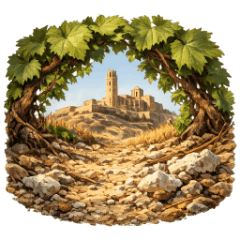
Tucked away from the Mediterranean breeze, this scattered appellation is a playground for winemakers who refuse to sit still. It is less of a contiguous vineyard map and more of a greatest hits compilation of soils and altitudes.
Tucked away from the Mediterranean breeze, this scattered appellation is a playground for winemakers who refuse to sit still. It is less of a contiguous vineyard map and more of a greatest hits compilation of soils and altitudes.
LOCAL WINE STYLES
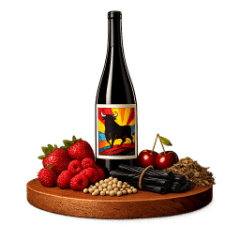
Spanish Garnacha Red
Imagine a bowl of smashed strawberries and raspberries that decided to get a little boozy. This style is all about easy drinking and vibrant fruitiness, acting like the friend who brings good vibes to every gathering.
Imagine a bowl of smashed strawberries and raspberries that decided to get a little boozy. This style is all about easy drinking and vibrant fruitiness, acting like the friend who brings good vibes to every gathering.
Imagine a bowl of smashed strawberries and raspberries that decided to get a little boozy. This style is all about easy drinking and vibrant fruitiness, acting like the friend who brings good vibes to every gathering.
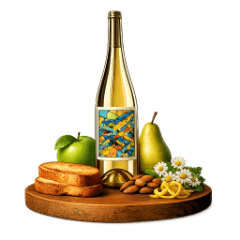
Spanish Cava
It is the answer to your sophisticated sparkling dreams on a beer budget. Created using the traditional method, this sparkling delight brings toasted almond vibes and zesty citrus notes without forcing you to sell your car.
It is the answer to your sophisticated sparkling dreams on a beer budget. Created using the traditional method, this sparkling delight brings toasted almond vibes and zesty citrus notes without forcing you to sell your car.
It is the answer to your sophisticated sparkling dreams on a beer budget. Created using the traditional method, this sparkling delight brings toasted almond vibes and zesty citrus notes without forcing you to sell your car.
LATEST REVIEWS