«
Texas

Texas Hill Country
Texas Hill Country
Texas Hill Country
Austin's Backyard Vineyard
Just a stone's throw from the state capital, this sprawling area offers a scenic escape filled with wildflowers and winding roads. It is the heart of local wine tourism, where hospitality meets surprisingly serious viticulture.
Just a stone's throw from the state capital, this sprawling area offers a scenic escape filled with wildflowers and winding roads. It is the heart of local wine tourism, where hospitality meets surprisingly serious viticulture.
Just a stone's throw from the state capital, this sprawling area offers a scenic escape filled with wildflowers and winding roads. It is the heart of local wine tourism, where hospitality meets surprisingly serious viticulture.
LEADERS


HELPERS










Why it's unique
Massive size
German heritage
Tourist hub
Spanning a massive nine million acres, this place is actually the third largest AVA in the entire country. While it pulls in millions of tourists annually for the scenery and B&Bs, the winemaking is rapidly evolving from sweet souvenirs to complex reds. It is a melting pot where German heritage meets Texan grit, resulting in a vibrant community that parties as hard as it farms.
Spanning a massive nine million acres, this place is actually the third largest AVA in the entire country. While it pulls in millions of tourists annually for the scenery and B&Bs, the winemaking is rapidly evolving from sweet souvenirs to complex reds. It is a melting pot where German heritage meets Texan grit, resulting in a vibrant community that parties as hard as it farms.
Spanning a massive nine million acres, this place is actually the third largest AVA in the entire country. While it pulls in millions of tourists annually for the scenery and B&Bs, the winemaking is rapidly evolving from sweet souvenirs to complex reds. It is a melting pot where German heritage meets Texan grit, resulting in a vibrant community that parties as hard as it farms.
Terroir
Limestone soil
Humidity battles
Early harvest
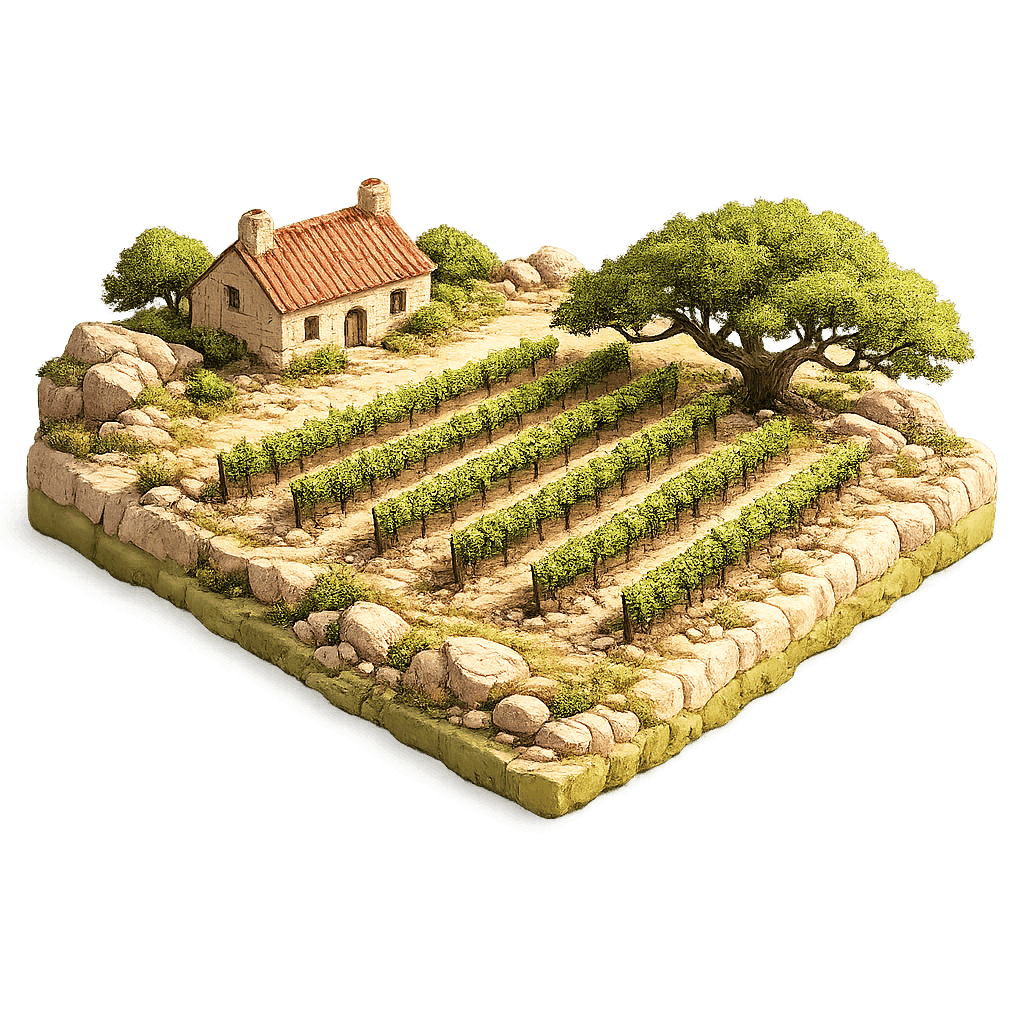
Humidity is the uninvited guest here, making fungal pressure a constant headache for growers. The soil is mostly limestone and granite, which provides excellent drainage and imparts a nice mineral kick to the wines. Because the elevation is lower than the High Plains, harvest comes early and fast to beat the heat. Frost is also a gamble, meaning vintage variation is the only thing you can truly count on.
Humidity is the uninvited guest here, making fungal pressure a constant headache for growers. The soil is mostly limestone and granite, which provides excellent drainage and imparts a nice mineral kick to the wines. Because the elevation is lower than the High Plains, harvest comes early and fast to beat the heat. Frost is also a gamble, meaning vintage variation is the only thing you can truly count on.
Humidity is the uninvited guest here, making fungal pressure a constant headache for growers. The soil is mostly limestone and granite, which provides excellent drainage and imparts a nice mineral kick to the wines. Because the elevation is lower than the High Plains, harvest comes early and fast to beat the heat. Frost is also a gamble, meaning vintage variation is the only thing you can truly count on.
You gotta try
Peppery Syrah
Lush Viognier
Earthy Mourvèdre
Syrah loves the limestone here, often showing meaty, peppery notes that rival the Rhone. If you want something white, Viognier ripens beautifully in the heat, offering lush stone fruit flavors without getting flabby. Mourvèdre is another winner, handling the unpredictable weather like a champ and delivering earthy, robust reds that pair perfectly with local brisket.
Syrah loves the limestone here, often showing meaty, peppery notes that rival the Rhone. If you want something white, Viognier ripens beautifully in the heat, offering lush stone fruit flavors without getting flabby. Mourvèdre is another winner, handling the unpredictable weather like a champ and delivering earthy, robust reds that pair perfectly with local brisket.
Syrah loves the limestone here, often showing meaty, peppery notes that rival the Rhone. If you want something white, Viognier ripens beautifully in the heat, offering lush stone fruit flavors without getting flabby. Mourvèdre is another winner, handling the unpredictable weather like a champ and delivering earthy, robust reds that pair perfectly with local brisket.
LOCAL TALES
Willkommen to Texas
Willkommen to Texas
Willkommen to Texas
Back in the mid-19th century, German immigrants settled here, bringing their thirst for beer and wine along with their bratwurst. They founded towns like Fredericksburg and New Braunfels, expecting a farming paradise. Instead, they found rocky soil and Comanche raids. But they were stubborn. They planted native Mustang grapes because European vines died faster than a snowman in July. This persistence laid the cultural foundation for the region. Even today, you will see German greeting signs everywhere, proving that while the wine list has changed to Tempranillo and Viognier, the spirit remains distinctly, stubbornly Teutonic. It is a lederhosen-wearing legacy that refuses to quit.
Back in the mid-19th century, German immigrants settled here, bringing their thirst for beer and wine along with their bratwurst. They founded towns like Fredericksburg and New Braunfels, expecting a farming paradise. Instead, they found rocky soil and Comanche raids. But they were stubborn. They planted native Mustang grapes because European vines died faster than a snowman in July. This persistence laid the cultural foundation for the region. Even today, you will see German greeting signs everywhere, proving that while the wine list has changed to Tempranillo and Viognier, the spirit remains distinctly, stubbornly Teutonic. It is a lederhosen-wearing legacy that refuses to quit.
Back in the mid-19th century, German immigrants settled here, bringing their thirst for beer and wine along with their bratwurst. They founded towns like Fredericksburg and New Braunfels, expecting a farming paradise. Instead, they found rocky soil and Comanche raids. But they were stubborn. They planted native Mustang grapes because European vines died faster than a snowman in July. This persistence laid the cultural foundation for the region. Even today, you will see German greeting signs everywhere, proving that while the wine list has changed to Tempranillo and Viognier, the spirit remains distinctly, stubbornly Teutonic. It is a lederhosen-wearing legacy that refuses to quit.
The Traffic Jam Miracle
The Traffic Jam Miracle
The Traffic Jam Miracle
Highway 290 used to be a boring stretch of asphalt between Austin and Fredericksburg, dotted with peach stands and absolutely nothing else. Then someone realized that thirsty tourists needed a place to stop. Now, it is affectionately dubbed "Wine Road 290" and rivals Napa for weekend traffic jams. On a Saturday, bachelorette parties in matching sashes spill out of limos, mingling with serious oenophiles hunting for the perfect Tannat. It is a chaotic, joyous mess where tasting rooms pop up like wildflowers. This explosion of tourism turned a sleepy hill country drive into the second most visited wine region in the US.
Highway 290 used to be a boring stretch of asphalt between Austin and Fredericksburg, dotted with peach stands and absolutely nothing else. Then someone realized that thirsty tourists needed a place to stop. Now, it is affectionately dubbed "Wine Road 290" and rivals Napa for weekend traffic jams. On a Saturday, bachelorette parties in matching sashes spill out of limos, mingling with serious oenophiles hunting for the perfect Tannat. It is a chaotic, joyous mess where tasting rooms pop up like wildflowers. This explosion of tourism turned a sleepy hill country drive into the second most visited wine region in the US.
Highway 290 used to be a boring stretch of asphalt between Austin and Fredericksburg, dotted with peach stands and absolutely nothing else. Then someone realized that thirsty tourists needed a place to stop. Now, it is affectionately dubbed "Wine Road 290" and rivals Napa for weekend traffic jams. On a Saturday, bachelorette parties in matching sashes spill out of limos, mingling with serious oenophiles hunting for the perfect Tannat. It is a chaotic, joyous mess where tasting rooms pop up like wildflowers. This explosion of tourism turned a sleepy hill country drive into the second most visited wine region in the US.
Presidential Pouring
Presidential Pouring
Presidential Pouring
President Lyndon B. Johnson was born and raised right here in the hills, and he knew how to host a party. The "Texas White House" on the Pedernales River was famous for barbecue diplomacy. While LBJ was more of a Scotch drinker, his legacy put this rugged terrain on the national map. He would drive visitors around his ranch at terrifying speeds, showing off the land that now hosts sprawling vineyards. Today, winemakers channel that same big, bold presidential energy. They are not afraid to twist arms - or grape skins - to get the result they want, proving that politics and winemaking both require a bit of wrangling.
President Lyndon B. Johnson was born and raised right here in the hills, and he knew how to host a party. The "Texas White House" on the Pedernales River was famous for barbecue diplomacy. While LBJ was more of a Scotch drinker, his legacy put this rugged terrain on the national map. He would drive visitors around his ranch at terrifying speeds, showing off the land that now hosts sprawling vineyards. Today, winemakers channel that same big, bold presidential energy. They are not afraid to twist arms - or grape skins - to get the result they want, proving that politics and winemaking both require a bit of wrangling.
President Lyndon B. Johnson was born and raised right here in the hills, and he knew how to host a party. The "Texas White House" on the Pedernales River was famous for barbecue diplomacy. While LBJ was more of a Scotch drinker, his legacy put this rugged terrain on the national map. He would drive visitors around his ranch at terrifying speeds, showing off the land that now hosts sprawling vineyards. Today, winemakers channel that same big, bold presidential energy. They are not afraid to twist arms - or grape skins - to get the result they want, proving that politics and winemaking both require a bit of wrangling.
SUB-REGIONS
Fredericksburg
(
Texas Hill Country
)
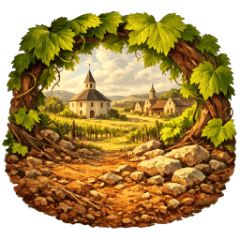
Imagine Munich crashed a rodeo. This town is the absolute epicenter of Texas wine tourism, blending bratwurst heritage with serious Tempranillo ambition. It is crowded, loud, and unapologetically fun for weekend warriors looking for a good time.
Imagine Munich crashed a rodeo. This town is the absolute epicenter of Texas wine tourism, blending bratwurst heritage with serious Tempranillo ambition. It is crowded, loud, and unapologetically fun for weekend warriors looking for a good time.

Bell Mountain
(
Texas Hill Country
)
Tucked away on the northeastern edge of the Hill Country, this tiny appellation holds the bragging rights as the first designated wine growing area entirely within the state, proving that size isn't everything.
Tucked away on the northeastern edge of the Hill Country, this tiny appellation holds the bragging rights as the first designated wine growing area entirely within the state, proving that size isn't everything.
LOCAL WINE STYLES
Texas Tempranillo
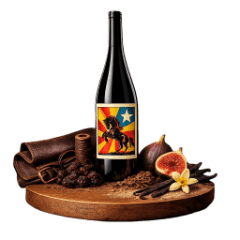
Saddle up because Tempranillo loves the heat just as much as a lizard on a hot rock. It offers a rugged mix of savory leather notes and dried cherries that fits perfectly at any cookout.
Saddle up because Tempranillo loves the heat just as much as a lizard on a hot rock. It offers a rugged mix of savory leather notes and dried cherries that fits perfectly at any cookout.
Saddle up because Tempranillo loves the heat just as much as a lizard on a hot rock. It offers a rugged mix of savory leather notes and dried cherries that fits perfectly at any cookout.
Texas GSM Blend
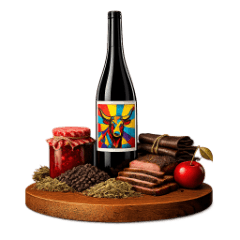
Taking inspiration from France but adding a ten-gallon hat, this trio proves that heat-loving grapes belong in the Lone Star State. It offers a spicy, savory kick that feels right at home with barbecue.
Taking inspiration from France but adding a ten-gallon hat, this trio proves that heat-loving grapes belong in the Lone Star State. It offers a spicy, savory kick that feels right at home with barbecue.
Taking inspiration from France but adding a ten-gallon hat, this trio proves that heat-loving grapes belong in the Lone Star State. It offers a spicy, savory kick that feels right at home with barbecue.
LATEST REVIEWS