«
Germany

Rheinhessen
Rheinhessen
Rheinhessen
Germany's Gentle Giant
Size matters here, but so does style. Once known for sugary bulk juice, this massive area has pulled a total 180. Today, young winemakers are crafting thrilling bottles that prove bigger can indeed be better.
Size matters here, but so does style. Once known for sugary bulk juice, this massive area has pulled a total 180. Today, young winemakers are crafting thrilling bottles that prove bigger can indeed be better.
Size matters here, but so does style. Once known for sugary bulk juice, this massive area has pulled a total 180. Today, young winemakers are crafting thrilling bottles that prove bigger can indeed be better.
LEADERS

Dornfelder

Blauer Portugieser

Gewürztraminer

Riesling

Müller-Thurgau

Pinot Gris

Scheurebe

Silvaner

Pinot Blanc
HELPERS














Why it's unique
Diverse landscapes
Young growers
Dry wines
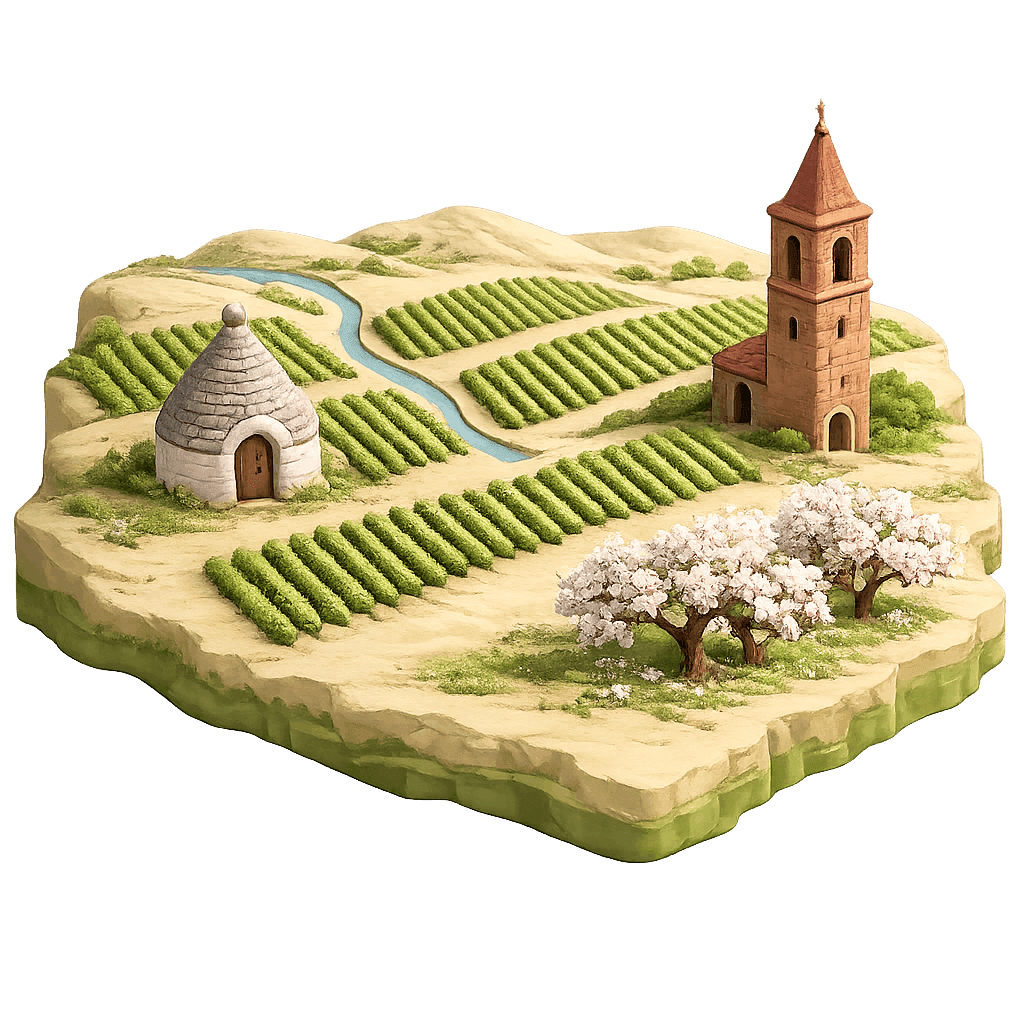
Diversity is the name of the game in this sprawling playground. You have got everything from riverfront vineyards to rolling inland hills. While it used to pump out cheap Liebfraumilch, a revolution led by ambitious young growers turned this spot into the hottest scene for dry Riesling and Pinot Noir. It is basically the hipster Berlin of the wine world right now.
Diversity is the name of the game in this sprawling playground. You have got everything from riverfront vineyards to rolling inland hills. While it used to pump out cheap Liebfraumilch, a revolution led by ambitious young growers turned this spot into the hottest scene for dry Riesling and Pinot Noir. It is basically the hipster Berlin of the wine world right now.
Diversity is the name of the game in this sprawling playground. You have got everything from riverfront vineyards to rolling inland hills. While it used to pump out cheap Liebfraumilch, a revolution led by ambitious young growers turned this spot into the hottest scene for dry Riesling and Pinot Noir. It is basically the hipster Berlin of the wine world right now.
Terroir
Warm basin
Mixed soils
Low rain
Surrounded by protective hills on three sides, this basin acts like a warm, dry amphitheater. Soils are a chaotic mix of loess, limestone, and red slate, giving roots plenty of options. This climate allows grapes to ripen fully without losing that zesty acid kick, resulting in wines that are juicy yet structured and generally softer than their northern neighbors.
Surrounded by protective hills on three sides, this basin acts like a warm, dry amphitheater. Soils are a chaotic mix of loess, limestone, and red slate, giving roots plenty of options. This climate allows grapes to ripen fully without losing that zesty acid kick, resulting in wines that are juicy yet structured and generally softer than their northern neighbors.
Surrounded by protective hills on three sides, this basin acts like a warm, dry amphitheater. Soils are a chaotic mix of loess, limestone, and red slate, giving roots plenty of options. This climate allows grapes to ripen fully without losing that zesty acid kick, resulting in wines that are juicy yet structured and generally softer than their northern neighbors.
You gotta try
Slate Riesling
Creamy Silvaner
Ingelheim Spätburgunder
Grab a bottle of dry Riesling from the Roter Hang to taste smoky red slate magic. Silvaner is the secret weapon here, offering creamy textures and herbal notes that pair with almost anything. If you crave red, Spätburgunder from Ingelheim shows just how elegant and Burgundy-like German reds have become.
Grab a bottle of dry Riesling from the Roter Hang to taste smoky red slate magic. Silvaner is the secret weapon here, offering creamy textures and herbal notes that pair with almost anything. If you crave red, Spätburgunder from Ingelheim shows just how elegant and Burgundy-like German reds have become.
Grab a bottle of dry Riesling from the Roter Hang to taste smoky red slate magic. Silvaner is the secret weapon here, offering creamy textures and herbal notes that pair with almost anything. If you crave red, Spätburgunder from Ingelheim shows just how elegant and Burgundy-like German reds have become.
LOCAL TALES
The Sweet Scandal
The Sweet Scandal
The Sweet Scandal
Once upon a time, Liebfraumilch was actually a fancy wine made by monks in Worms near the Church of Our Lady. It was good stuff! But then, laws got loose, and suddenly any sweet, blended white wine from the region could slap that name on the label. By the 1980s, it became the sugary supermarket swill that gave German wine a headache - literally and figuratively. It took decades for local vintners to shake off that cheap reputation, but they did it by focusing on low yields and high quality, effectively burying the sweet ghosts of the past under superior dry wines.
Once upon a time, Liebfraumilch was actually a fancy wine made by monks in Worms near the Church of Our Lady. It was good stuff! But then, laws got loose, and suddenly any sweet, blended white wine from the region could slap that name on the label. By the 1980s, it became the sugary supermarket swill that gave German wine a headache - literally and figuratively. It took decades for local vintners to shake off that cheap reputation, but they did it by focusing on low yields and high quality, effectively burying the sweet ghosts of the past under superior dry wines.
Once upon a time, Liebfraumilch was actually a fancy wine made by monks in Worms near the Church of Our Lady. It was good stuff! But then, laws got loose, and suddenly any sweet, blended white wine from the region could slap that name on the label. By the 1980s, it became the sugary supermarket swill that gave German wine a headache - literally and figuratively. It took decades for local vintners to shake off that cheap reputation, but they did it by focusing on low yields and high quality, effectively burying the sweet ghosts of the past under superior dry wines.
The Red Slope
The Red Slope
The Red Slope
Between Nierstein and Nackenheim lies a dramatic stretch of vineyards that looks like it rusted. This is the Roter Hang, or Red Slope, and it is legendary. The soil here is packed with iron compounds from the Permian period - we are talking 280 million years ago - which dyes the ground a striking terracotta red. This cliff faces the Rhine directly, catching sunlight reflecting off the water like a natural solar panel. The result? Riesling that tastes like licking a spicy, smoky rock. It is intense, mineral-heavy, and completely unlike the fluffy wines found further inland.
Between Nierstein and Nackenheim lies a dramatic stretch of vineyards that looks like it rusted. This is the Roter Hang, or Red Slope, and it is legendary. The soil here is packed with iron compounds from the Permian period - we are talking 280 million years ago - which dyes the ground a striking terracotta red. This cliff faces the Rhine directly, catching sunlight reflecting off the water like a natural solar panel. The result? Riesling that tastes like licking a spicy, smoky rock. It is intense, mineral-heavy, and completely unlike the fluffy wines found further inland.
Between Nierstein and Nackenheim lies a dramatic stretch of vineyards that looks like it rusted. This is the Roter Hang, or Red Slope, and it is legendary. The soil here is packed with iron compounds from the Permian period - we are talking 280 million years ago - which dyes the ground a striking terracotta red. This cliff faces the Rhine directly, catching sunlight reflecting off the water like a natural solar panel. The result? Riesling that tastes like licking a spicy, smoky rock. It is intense, mineral-heavy, and completely unlike the fluffy wines found further inland.
Emperor's Favorite Spot
Emperor's Favorite Spot
Emperor's Favorite Spot
Charlemagne, the big boss of the Holy Roman Empire, had a castle in Ingelheim and he loved looking out at the snow melting on the hills across the river. Legend has it he noticed the snow melted faster on the Rudesheim side, so he ordered vines planted there. But Ingelheim itself became a red wine hub because the Emperor had a taste for Burgundy-style reds. To this day, Ingelheim is considered the red wine capital of the region. While the rest of Germany was obsessed with white grapes, this town kept the red tradition alive, all thanks to an observant Emperor with a thirsty palate.
Charlemagne, the big boss of the Holy Roman Empire, had a castle in Ingelheim and he loved looking out at the snow melting on the hills across the river. Legend has it he noticed the snow melted faster on the Rudesheim side, so he ordered vines planted there. But Ingelheim itself became a red wine hub because the Emperor had a taste for Burgundy-style reds. To this day, Ingelheim is considered the red wine capital of the region. While the rest of Germany was obsessed with white grapes, this town kept the red tradition alive, all thanks to an observant Emperor with a thirsty palate.
Charlemagne, the big boss of the Holy Roman Empire, had a castle in Ingelheim and he loved looking out at the snow melting on the hills across the river. Legend has it he noticed the snow melted faster on the Rudesheim side, so he ordered vines planted there. But Ingelheim itself became a red wine hub because the Emperor had a taste for Burgundy-style reds. To this day, Ingelheim is considered the red wine capital of the region. While the rest of Germany was obsessed with white grapes, this town kept the red tradition alive, all thanks to an observant Emperor with a thirsty palate.
SUB-REGIONS

Wonnegau
(
Rheinhessen
)
Translating to the District of Delight, this region’s name fits perfectly. Home to limestone-heavy soils and Germany’s most aggressive dry whites, it is currently the absolute epicenter of the cool kids.
Translating to the District of Delight, this region’s name fits perfectly. Home to limestone-heavy soils and Germany’s most aggressive dry whites, it is currently the absolute epicenter of the cool kids.
Roter Hang
(
Rheinhessen
)
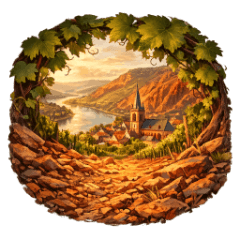
Imagine a dramatic stretch of red slate right next to the Rhine that acts like a solar panel for Riesling. This isn't just dirt, it is a legendary formation giving wines a fiery kick.
Imagine a dramatic stretch of red slate right next to the Rhine that acts like a solar panel for Riesling. This isn't just dirt, it is a legendary formation giving wines a fiery kick.
LOCAL WINE STYLES
German Riesling
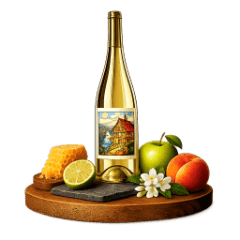
Imagine biting into a crisp green apple while sliding down a slate mountain. This style balances razor-sharp acidity with varying levels of sweetness, creating a tension that vibrates on your tongue like a plucked guitar string.
Imagine biting into a crisp green apple while sliding down a slate mountain. This style balances razor-sharp acidity with varying levels of sweetness, creating a tension that vibrates on your tongue like a plucked guitar string.
Imagine biting into a crisp green apple while sliding down a slate mountain. This style balances razor-sharp acidity with varying levels of sweetness, creating a tension that vibrates on your tongue like a plucked guitar string.
German Silvaner
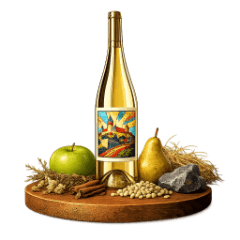
Often pushed into the corner by louder siblings, Silvaner is actually the quiet genius of Franconia. It delivers subtle herbal punches and earthy tones that make it an absolute weapon when dinner is served.
Often pushed into the corner by louder siblings, Silvaner is actually the quiet genius of Franconia. It delivers subtle herbal punches and earthy tones that make it an absolute weapon when dinner is served.
Often pushed into the corner by louder siblings, Silvaner is actually the quiet genius of Franconia. It delivers subtle herbal punches and earthy tones that make it an absolute weapon when dinner is served.
LATEST REVIEWS