«
Poland
Podkarpackie
Podkarpackie
Podkarpackie
Poland's Sunny Corner
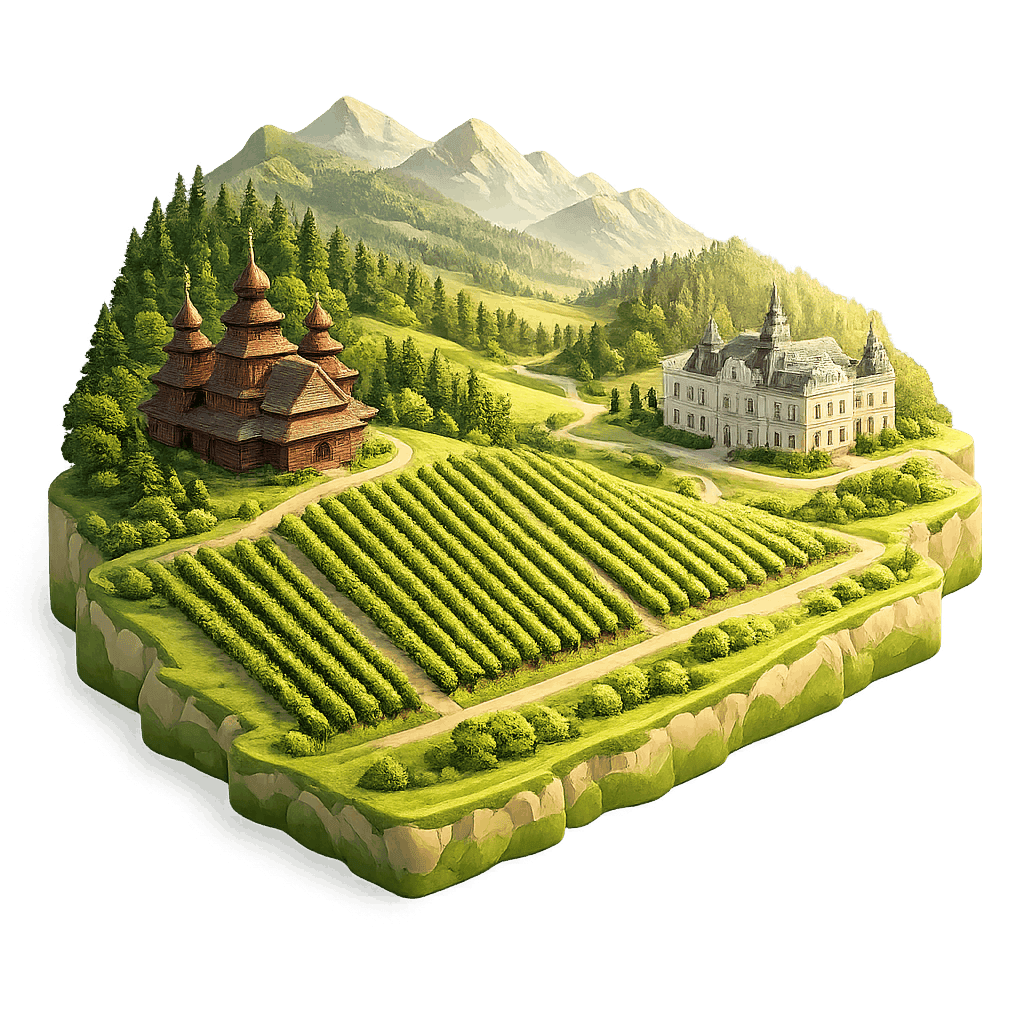
Positioned in the southeast, this borderland region acts as the incubator for the country's winemaking renaissance. It boasts a historic density of vineyards and a surprisingly milder climate that actually lets grapes ripen properly.
Positioned in the southeast, this borderland region acts as the incubator for the country's winemaking renaissance. It boasts a historic density of vineyards and a surprisingly milder climate that actually lets grapes ripen properly.
Positioned in the southeast, this borderland region acts as the incubator for the country's winemaking renaissance. It boasts a historic density of vineyards and a surprisingly milder climate that actually lets grapes ripen properly.





Why it's unique
Modern Cradle
High Concentration
Government Support
Often called the cradle of modern Polish enology, this area took a gamble on viticulture when everyone else was drinking vodka. It has a pioneering density of wineries in the nation. Local authorities actually support winemakers here, creating specific wine trails and training centers. It feels like a movement rather than just farming, with a strong community spirit driving quality up every single vintage.
Often called the cradle of modern Polish enology, this area took a gamble on viticulture when everyone else was drinking vodka. It has a pioneering density of wineries in the nation. Local authorities actually support winemakers here, creating specific wine trails and training centers. It feels like a movement rather than just farming, with a strong community spirit driving quality up every single vintage.
Often called the cradle of modern Polish enology, this area took a gamble on viticulture when everyone else was drinking vodka. It has a pioneering density of wineries in the nation. Local authorities actually support winemakers here, creating specific wine trails and training centers. It feels like a movement rather than just farming, with a strong community spirit driving quality up every single vintage.
Terroir
Hill Protection
Heavy Clay
Steep Slopes
Rolling hills of the Carpathians protect vines from savage northern winds, creating a distinct microclimate that is slightly warmer than most of the country. Soils here vary from heavy clay to loess, providing decent water retention during dry spells. Steep slopes ensure maximum sun exposure, which is absolutely critical at this latitude to squeeze every drop of sugar out of the fruit before winter hits.
Rolling hills of the Carpathians protect vines from savage northern winds, creating a distinct microclimate that is slightly warmer than most of the country. Soils here vary from heavy clay to loess, providing decent water retention during dry spells. Steep slopes ensure maximum sun exposure, which is absolutely critical at this latitude to squeeze every drop of sugar out of the fruit before winter hits.
Rolling hills of the Carpathians protect vines from savage northern winds, creating a distinct microclimate that is slightly warmer than most of the country. Soils here vary from heavy clay to loess, providing decent water retention during dry spells. Steep slopes ensure maximum sun exposure, which is absolutely critical at this latitude to squeeze every drop of sugar out of the fruit before winter hits.
You gotta try
Aromatic Hibernal
Structured Regent
Sweet Icewine
If you want to understand the local palate, pour yourself a glass of Hibernal. This aromatic white punches above its weight with grassy notes and tropical fruit explosions. For reds, Regent produces dark, structured wines that might trick you into thinking you are much further south. Don't overlook the icy sweetness of local ice wines when the frost hits hard enough in December.
If you want to understand the local palate, pour yourself a glass of Hibernal. This aromatic white punches above its weight with grassy notes and tropical fruit explosions. For reds, Regent produces dark, structured wines that might trick you into thinking you are much further south. Don't overlook the icy sweetness of local ice wines when the frost hits hard enough in December.
If you want to understand the local palate, pour yourself a glass of Hibernal. This aromatic white punches above its weight with grassy notes and tropical fruit explosions. For reds, Regent produces dark, structured wines that might trick you into thinking you are much further south. Don't overlook the icy sweetness of local ice wines when the frost hits hard enough in December.
LOCAL TALES
The Godfather of Golesz
The Godfather of Golesz
The Godfather of Golesz
Back in the gray reality of the 1980s, when store shelves were empty and wine meant cheap fruit ferment, a visionary named Roman Myśliwiec decided to plant a vineyard in Jasło. People thought he was absolutely bonkers. Why grow grapes when you have potatoes? But Roman persisted, establishing Golesz Vineyard and effectively becoming the father of modern Polish winemaking. He experimented with resistant hybrids that could survive the brutal winters, proving that you didn't need Italian sunshine to make drinkable booze. His nursery supplied seedlings to virtually everyone who followed, kickstarting the entire revolution you see today. If you drink Polish wine now, you probably owe him a toast.
Back in the gray reality of the 1980s, when store shelves were empty and wine meant cheap fruit ferment, a visionary named Roman Myśliwiec decided to plant a vineyard in Jasło. People thought he was absolutely bonkers. Why grow grapes when you have potatoes? But Roman persisted, establishing Golesz Vineyard and effectively becoming the father of modern Polish winemaking. He experimented with resistant hybrids that could survive the brutal winters, proving that you didn't need Italian sunshine to make drinkable booze. His nursery supplied seedlings to virtually everyone who followed, kickstarting the entire revolution you see today. If you drink Polish wine now, you probably owe him a toast.
Back in the gray reality of the 1980s, when store shelves were empty and wine meant cheap fruit ferment, a visionary named Roman Myśliwiec decided to plant a vineyard in Jasło. People thought he was absolutely bonkers. Why grow grapes when you have potatoes? But Roman persisted, establishing Golesz Vineyard and effectively becoming the father of modern Polish winemaking. He experimented with resistant hybrids that could survive the brutal winters, proving that you didn't need Italian sunshine to make drinkable booze. His nursery supplied seedlings to virtually everyone who followed, kickstarting the entire revolution you see today. If you drink Polish wine now, you probably owe him a toast.
Party in Jasło
Party in Jasło
Party in Jasło
Jasło isn't just a dot on the map - it is the unofficial capital of Polish wine. Every year, the International Wine Days transform the town square into a massive tasting room. It started small, just a few enthusiasts huddled together comparing bottles, but now it draws crowds from all over Europe. What makes it hilarious and charming is the mix of serious sommeliers and locals who just want a good party. They hold a contest for the best Polish wine, and winning here is like getting an Oscar in this part of the world. It’s a loud, joyous proof that wine culture has firmly replaced the vodka-only stereotypes of the past.
Jasło isn't just a dot on the map - it is the unofficial capital of Polish wine. Every year, the International Wine Days transform the town square into a massive tasting room. It started small, just a few enthusiasts huddled together comparing bottles, but now it draws crowds from all over Europe. What makes it hilarious and charming is the mix of serious sommeliers and locals who just want a good party. They hold a contest for the best Polish wine, and winning here is like getting an Oscar in this part of the world. It’s a loud, joyous proof that wine culture has firmly replaced the vodka-only stereotypes of the past.
Jasło isn't just a dot on the map - it is the unofficial capital of Polish wine. Every year, the International Wine Days transform the town square into a massive tasting room. It started small, just a few enthusiasts huddled together comparing bottles, but now it draws crowds from all over Europe. What makes it hilarious and charming is the mix of serious sommeliers and locals who just want a good party. They hold a contest for the best Polish wine, and winning here is like getting an Oscar in this part of the world. It’s a loud, joyous proof that wine culture has firmly replaced the vodka-only stereotypes of the past.
The Frozen Monk Dilemma
The Frozen Monk Dilemma
The Frozen Monk Dilemma
Centuries ago, before wars and winters wiped them out, vines were actually common here thanks to the church. Monks needed wine for liturgy, and importing it over the muddy Carpathian passes was a logistic nightmare. So, Cistercians and Benedictines planted vines on the sunny slopes of the river valleys. For a while, it worked splendidly, and the region flowed with sacramental wine. However, a cooling climate in the 17th century, known as the Little Ice Age, combined with trade wars, killed the industry dead. The vines withered, and for hundreds of years, the hills went silent until the recent revival brought the noise back.
Centuries ago, before wars and winters wiped them out, vines were actually common here thanks to the church. Monks needed wine for liturgy, and importing it over the muddy Carpathian passes was a logistic nightmare. So, Cistercians and Benedictines planted vines on the sunny slopes of the river valleys. For a while, it worked splendidly, and the region flowed with sacramental wine. However, a cooling climate in the 17th century, known as the Little Ice Age, combined with trade wars, killed the industry dead. The vines withered, and for hundreds of years, the hills went silent until the recent revival brought the noise back.
Centuries ago, before wars and winters wiped them out, vines were actually common here thanks to the church. Monks needed wine for liturgy, and importing it over the muddy Carpathian passes was a logistic nightmare. So, Cistercians and Benedictines planted vines on the sunny slopes of the river valleys. For a while, it worked splendidly, and the region flowed with sacramental wine. However, a cooling climate in the 17th century, known as the Little Ice Age, combined with trade wars, killed the industry dead. The vines withered, and for hundreds of years, the hills went silent until the recent revival brought the noise back.
LOCAL WINE STYLES
Polish Solaris
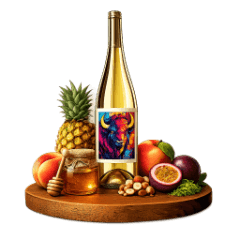
Imagine finding a pineapple in a snowbank because that is essentially what drinking this feels like. It brings shocking ripeness and exotic fruit flavors to a latitude where traditional vines struggle, redefining expectations of cool-climate winemaking.
Imagine finding a pineapple in a snowbank because that is essentially what drinking this feels like. It brings shocking ripeness and exotic fruit flavors to a latitude where traditional vines struggle, redefining expectations of cool-climate winemaking.
Imagine finding a pineapple in a snowbank because that is essentially what drinking this feels like. It brings shocking ripeness and exotic fruit flavors to a latitude where traditional vines struggle, redefining expectations of cool-climate winemaking.
Polish Hibernal
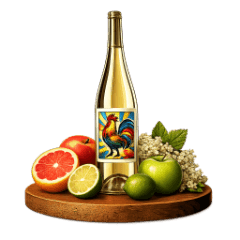
Think of this as Riesling that went to the gym and learned to survive in the arctic. It brings intense aromatics and a backbone of acidity that wakes up your palate faster than a double espresso.
Think of this as Riesling that went to the gym and learned to survive in the arctic. It brings intense aromatics and a backbone of acidity that wakes up your palate faster than a double espresso.
Think of this as Riesling that went to the gym and learned to survive in the arctic. It brings intense aromatics and a backbone of acidity that wakes up your palate faster than a double espresso.
LATEST REVIEWS