«
Poland
Lubuskie
Lubuskie
Lubuskie
Poland's Vineyard Capital
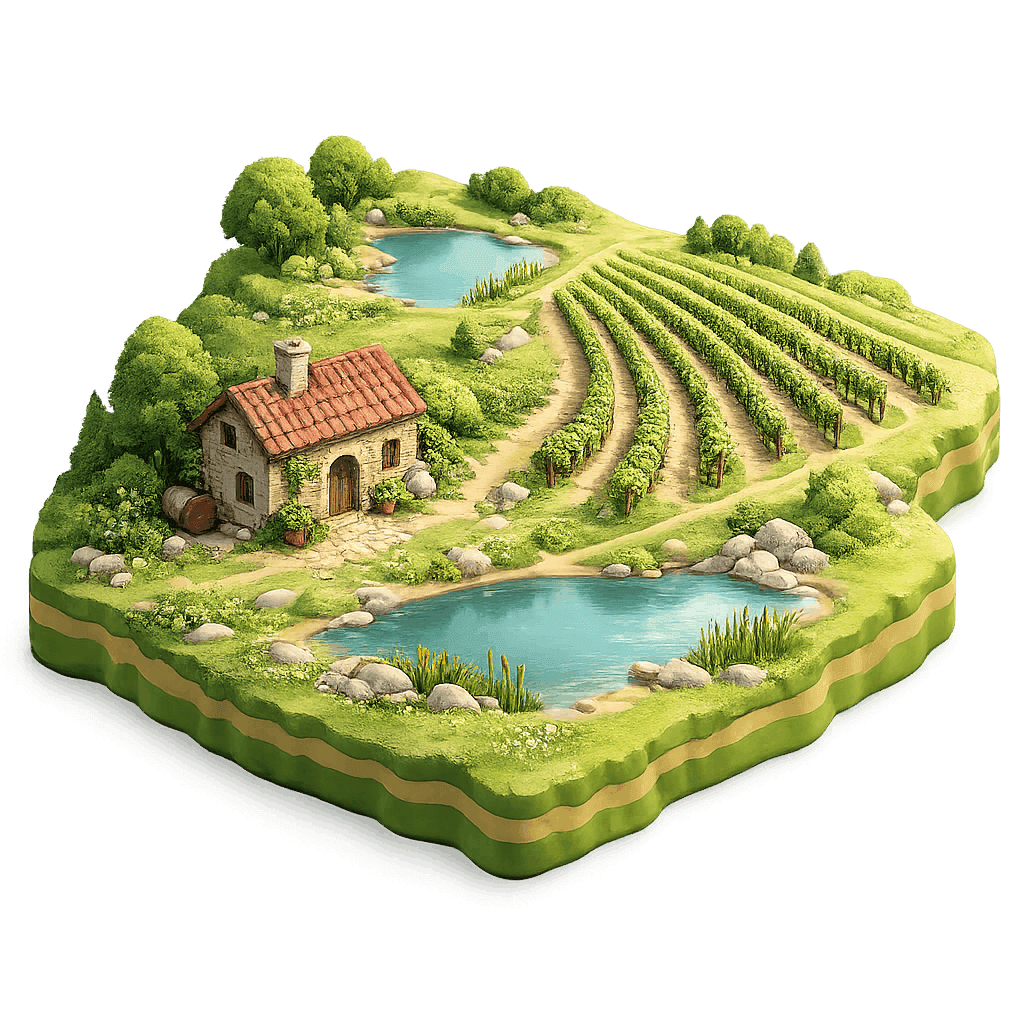
Believe it or not, this area has been fermenting grapes since medieval times. While vodka usually steals the spotlight here, locals are reclaiming their heritage with crisp whites and surprisingly elegant reds that defy latitude expectations.
Believe it or not, this area has been fermenting grapes since medieval times. While vodka usually steals the spotlight here, locals are reclaiming their heritage with crisp whites and surprisingly elegant reds that defy latitude expectations.
Believe it or not, this area has been fermenting grapes since medieval times. While vodka usually steals the spotlight here, locals are reclaiming their heritage with crisp whites and surprisingly elegant reds that defy latitude expectations.





Why it's unique
Urban vines
Winobranie festival
Historic survival
Zielona Góra acts as the beating heart where winemaking never truly died, even during the communist era. You will find urban vineyards right in the city center surrounding a massive palm house, which is delightfully absurd. It holds the longest continuous winemaking tradition in the country, celebrating an annual harvest festival called Winobranie that shuts down the whole town for a week of drinking.
Zielona Góra acts as the beating heart where winemaking never truly died, even during the communist era. You will find urban vineyards right in the city center surrounding a massive palm house, which is delightfully absurd. It holds the longest continuous winemaking tradition in the country, celebrating an annual harvest festival called Winobranie that shuts down the whole town for a week of drinking.
Zielona Góra acts as the beating heart where winemaking never truly died, even during the communist era. You will find urban vineyards right in the city center surrounding a massive palm house, which is delightfully absurd. It holds the longest continuous winemaking tradition in the country, celebrating an annual harvest festival called Winobranie that shuts down the whole town for a week of drinking.
Terroir
Sandy loam
River influence
High acidity
Glaciers carved out these rolling hills, leaving behind sandy loam and clay soils that drain well. Being this far north means growing seasons are shorter and riskier, but the Oder River helps moderate temperatures. This struggle for ripeness results in high acidity and lower alcohol levels, creating wines that feel fresh, zesty, and incredibly light on their feet rather than heavy jammy fruit bombs.
Glaciers carved out these rolling hills, leaving behind sandy loam and clay soils that drain well. Being this far north means growing seasons are shorter and riskier, but the Oder River helps moderate temperatures. This struggle for ripeness results in high acidity and lower alcohol levels, creating wines that feel fresh, zesty, and incredibly light on their feet rather than heavy jammy fruit bombs.
Glaciers carved out these rolling hills, leaving behind sandy loam and clay soils that drain well. Being this far north means growing seasons are shorter and riskier, but the Oder River helps moderate temperatures. This struggle for ripeness results in high acidity and lower alcohol levels, creating wines that feel fresh, zesty, and incredibly light on their feet rather than heavy jammy fruit bombs.
You gotta try
Tropical Solaris
Zesty Riesling
Polish Sparkling
Solaris is the undisputed king here because it ripens before the frost bites, offering tropical notes you wouldn't expect at this latitude. Riesling shows off a razor-sharp acidity that pairs perfectly with fatty local dishes. If you are feeling adventurous, hunt for a sparkling wine made using traditional methods, as the cool weather preserves the tension needed for high-quality bubbles that rival pricier neighbors.
Solaris is the undisputed king here because it ripens before the frost bites, offering tropical notes you wouldn't expect at this latitude. Riesling shows off a razor-sharp acidity that pairs perfectly with fatty local dishes. If you are feeling adventurous, hunt for a sparkling wine made using traditional methods, as the cool weather preserves the tension needed for high-quality bubbles that rival pricier neighbors.
Solaris is the undisputed king here because it ripens before the frost bites, offering tropical notes you wouldn't expect at this latitude. Riesling shows off a razor-sharp acidity that pairs perfectly with fatty local dishes. If you are feeling adventurous, hunt for a sparkling wine made using traditional methods, as the cool weather preserves the tension needed for high-quality bubbles that rival pricier neighbors.
LOCAL TALES
The Palm House Survivor
The Palm House Survivor
The Palm House Survivor
While most of Europe was busy replanting vineyards after phylloxera, this region faced a different threat during the communist era when authorities preferred vodka production over wine. However, one specific spot in Zielona Góra defied the odds. The historic vineyard, established in 1818, managed to keep its vines alive right in the city center. In the 1960s, rather than bulldozing the site, they built a massive Palm House right in the middle of it. Today, you can sip local vintages inside a glass jungle while looking out at rows of historic vines that have survived political upheavals and changing borders. It is a living monument to stubborn horticultural resistance.
While most of Europe was busy replanting vineyards after phylloxera, this region faced a different threat during the communist era when authorities preferred vodka production over wine. However, one specific spot in Zielona Góra defied the odds. The historic vineyard, established in 1818, managed to keep its vines alive right in the city center. In the 1960s, rather than bulldozing the site, they built a massive Palm House right in the middle of it. Today, you can sip local vintages inside a glass jungle while looking out at rows of historic vines that have survived political upheavals and changing borders. It is a living monument to stubborn horticultural resistance.
While most of Europe was busy replanting vineyards after phylloxera, this region faced a different threat during the communist era when authorities preferred vodka production over wine. However, one specific spot in Zielona Góra defied the odds. The historic vineyard, established in 1818, managed to keep its vines alive right in the city center. In the 1960s, rather than bulldozing the site, they built a massive Palm House right in the middle of it. Today, you can sip local vintages inside a glass jungle while looking out at rows of historic vines that have survived political upheavals and changing borders. It is a living monument to stubborn horticultural resistance.
The Bachus Hunt
The Bachus Hunt
The Bachus Hunt
Walking through Zielona Góra feels like a mythical scavenger hunt thanks to the Bachusiki. These are small bronze statues of Bacchus, the Roman god of wine, scattered all over the city. It started as a small artistic project but exploded into a full-blown obsession. There are over 70 of these little guys hiding on windowsills, climbing lamp posts, and lurking near shop entrances. Each one has a funny name and a specific personality, often related to the business they guard. Tourists spend hours trying to photograph them all. It is a quirky reminder that despite the cold weather, this town takes its drinking culture and Roman roots very seriously.
Walking through Zielona Góra feels like a mythical scavenger hunt thanks to the Bachusiki. These are small bronze statues of Bacchus, the Roman god of wine, scattered all over the city. It started as a small artistic project but exploded into a full-blown obsession. There are over 70 of these little guys hiding on windowsills, climbing lamp posts, and lurking near shop entrances. Each one has a funny name and a specific personality, often related to the business they guard. Tourists spend hours trying to photograph them all. It is a quirky reminder that despite the cold weather, this town takes its drinking culture and Roman roots very seriously.
Walking through Zielona Góra feels like a mythical scavenger hunt thanks to the Bachusiki. These are small bronze statues of Bacchus, the Roman god of wine, scattered all over the city. It started as a small artistic project but exploded into a full-blown obsession. There are over 70 of these little guys hiding on windowsills, climbing lamp posts, and lurking near shop entrances. Each one has a funny name and a specific personality, often related to the business they guard. Tourists spend hours trying to photograph them all. It is a quirky reminder that despite the cold weather, this town takes its drinking culture and Roman roots very seriously.
The Festival Shutdown
The Festival Shutdown
The Festival Shutdown
Every September, normal life ceases to exist here. The Winobranie festival is not just a weekend market - it is a total municipal takeover. The keys to the city are ceremonially handed over to Bacchus, and for nine days, the god of wine technically rules the town. We are talking about parades, concerts, and street stalls selling everything from artisan cheese to gallons of young wine. It is the oldest wine festival in Poland, dating back to 1852. Even when wine production was practically non-existent in the 20th century, the locals kept celebrating the harvest out of sheer habit. Now that the vineyards are back in full swing, the party is bigger, louder, and tastier than ever.
Every September, normal life ceases to exist here. The Winobranie festival is not just a weekend market - it is a total municipal takeover. The keys to the city are ceremonially handed over to Bacchus, and for nine days, the god of wine technically rules the town. We are talking about parades, concerts, and street stalls selling everything from artisan cheese to gallons of young wine. It is the oldest wine festival in Poland, dating back to 1852. Even when wine production was practically non-existent in the 20th century, the locals kept celebrating the harvest out of sheer habit. Now that the vineyards are back in full swing, the party is bigger, louder, and tastier than ever.
Every September, normal life ceases to exist here. The Winobranie festival is not just a weekend market - it is a total municipal takeover. The keys to the city are ceremonially handed over to Bacchus, and for nine days, the god of wine technically rules the town. We are talking about parades, concerts, and street stalls selling everything from artisan cheese to gallons of young wine. It is the oldest wine festival in Poland, dating back to 1852. Even when wine production was practically non-existent in the 20th century, the locals kept celebrating the harvest out of sheer habit. Now that the vineyards are back in full swing, the party is bigger, louder, and tastier than ever.
LOCAL WINE STYLES
Polish Solaris
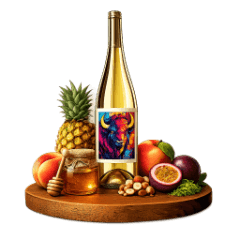
Imagine finding a pineapple in a snowbank because that is essentially what drinking this feels like. It brings shocking ripeness and exotic fruit flavors to a latitude where traditional vines struggle, redefining expectations of cool-climate winemaking.
Imagine finding a pineapple in a snowbank because that is essentially what drinking this feels like. It brings shocking ripeness and exotic fruit flavors to a latitude where traditional vines struggle, redefining expectations of cool-climate winemaking.
Imagine finding a pineapple in a snowbank because that is essentially what drinking this feels like. It brings shocking ripeness and exotic fruit flavors to a latitude where traditional vines struggle, redefining expectations of cool-climate winemaking.
Polish Hibernal
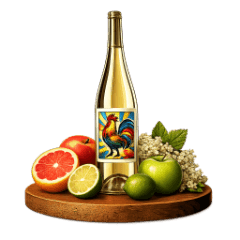
Think of this as Riesling that went to the gym and learned to survive in the arctic. It brings intense aromatics and a backbone of acidity that wakes up your palate faster than a double espresso.
Think of this as Riesling that went to the gym and learned to survive in the arctic. It brings intense aromatics and a backbone of acidity that wakes up your palate faster than a double espresso.
Think of this as Riesling that went to the gym and learned to survive in the arctic. It brings intense aromatics and a backbone of acidity that wakes up your palate faster than a double espresso.
LATEST REVIEWS