«
France
Languedoc-Roussillon
Languedoc-Roussillon
Languedoc-Roussillon
Sunny Value Playground
Imagine a place where the sun never clocks out and wine flows cheaper than bottled water. This massive southern stretch offers endless variety, from crisp whites to muscular reds, all without bankrupting your wallet.
Imagine a place where the sun never clocks out and wine flows cheaper than bottled water. This massive southern stretch offers endless variety, from crisp whites to muscular reds, all without bankrupting your wallet.
Imagine a place where the sun never clocks out and wine flows cheaper than bottled water. This massive southern stretch offers endless variety, from crisp whites to muscular reds, all without bankrupting your wallet.
LEADERS







HELPERS


















Why it's unique
Largest vineyard
Value champion
Rule breaker
Sheer scale sets Languedoc-Roussillon apart as the single biggest vineyard area in France. Quantity used to be the only goal here, but a quality revolution transformed things. Now you find daring winemakers crafting organic masterpieces alongside cooperative jug wines. It is the Wild West of France where rules are merely suggestions and innovation thrives under the Mediterranean sun.
Sheer scale sets Languedoc-Roussillon apart as the single biggest vineyard area in France. Quantity used to be the only goal here, but a quality revolution transformed things. Now you find daring winemakers crafting organic masterpieces alongside cooperative jug wines. It is the Wild West of France where rules are merely suggestions and innovation thrives under the Mediterranean sun.
Sheer scale sets Languedoc-Roussillon apart as the single biggest vineyard area in France. Quantity used to be the only goal here, but a quality revolution transformed things. Now you find daring winemakers crafting organic masterpieces alongside cooperative jug wines. It is the Wild West of France where rules are merely suggestions and innovation thrives under the Mediterranean sun.
Terroir
Garrigue scrubland
Tramontane wind
Coastal plains
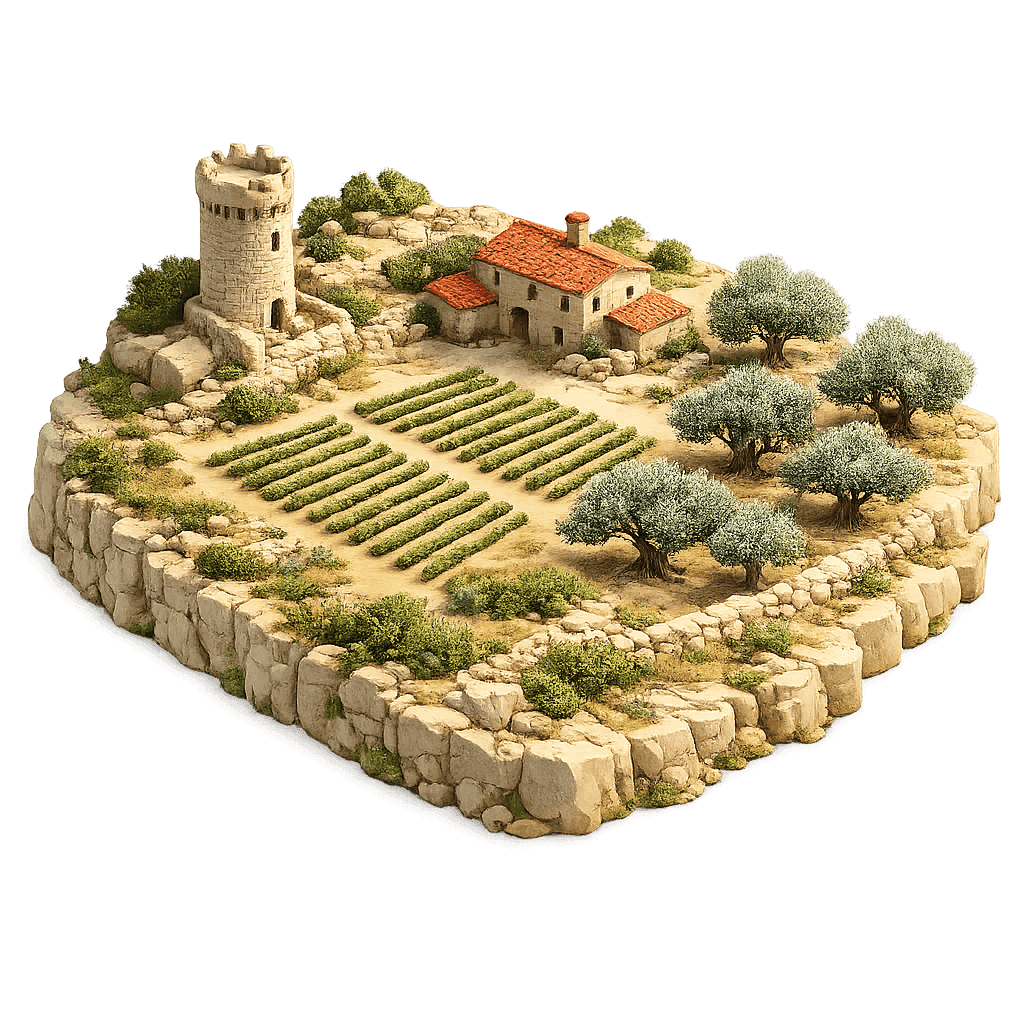
Garrigue defines the scent here, a mix of wild rosemary, thyme, and lavender growing everywhere. Hot Mediterranean summers bake the clay and limestone soils while the Tramontane wind acts like a giant hair dryer keeping mildew away. From coastal plains hugging the sea to rugged inland mountains, diverse microclimates allow almost anything to ripen perfectly.
Garrigue defines the scent here, a mix of wild rosemary, thyme, and lavender growing everywhere. Hot Mediterranean summers bake the clay and limestone soils while the Tramontane wind acts like a giant hair dryer keeping mildew away. From coastal plains hugging the sea to rugged inland mountains, diverse microclimates allow almost anything to ripen perfectly.
Garrigue defines the scent here, a mix of wild rosemary, thyme, and lavender growing everywhere. Hot Mediterranean summers bake the clay and limestone soils while the Tramontane wind acts like a giant hair dryer keeping mildew away. From coastal plains hugging the sea to rugged inland mountains, diverse microclimates allow almost anything to ripen perfectly.
You gotta try
Spicy reds
Ancient bubbles
Sweet Banyuls
Grenache leads the charge in red blends, bringing jammy fruit and spice rack flavors. Syrah adds peppery backbone while Mourvèdre contributes earthy funk. For bubbles, Blanquette de Limoux claims to be the original sparkling wine before Champagne stole the spotlight. Do not skip sweet fortified wines like Banyuls which pair surprisingly well with dark chocolate desserts.
Grenache leads the charge in red blends, bringing jammy fruit and spice rack flavors. Syrah adds peppery backbone while Mourvèdre contributes earthy funk. For bubbles, Blanquette de Limoux claims to be the original sparkling wine before Champagne stole the spotlight. Do not skip sweet fortified wines like Banyuls which pair surprisingly well with dark chocolate desserts.
Grenache leads the charge in red blends, bringing jammy fruit and spice rack flavors. Syrah adds peppery backbone while Mourvèdre contributes earthy funk. For bubbles, Blanquette de Limoux claims to be the original sparkling wine before Champagne stole the spotlight. Do not skip sweet fortified wines like Banyuls which pair surprisingly well with dark chocolate desserts.
LOCAL TALES
Bubbles Before Champagne
Bubbles Before Champagne
Bubbles Before Champagne
Long before Monk Dom Pérignon started tasting stars in Champagne, Benedictine monks down in Limoux were already popping corks. In 1531, at the Abbey of Saint-Hilaire, monks noticed their white wine had started fermenting again in the flask, creating natural bubbles. Instead of calling it a mistake or devil's work, they realized it was delicious. Blanquette de Limoux was born right there in the foothills of the Pyrenees. History books might focus on the north, but the south holds the true birth certificate of sparkling wine. It remains a tasty secret that locals love to brag about while sipping their fizzy history for a fraction of the price of their northern cousins.
Long before Monk Dom Pérignon started tasting stars in Champagne, Benedictine monks down in Limoux were already popping corks. In 1531, at the Abbey of Saint-Hilaire, monks noticed their white wine had started fermenting again in the flask, creating natural bubbles. Instead of calling it a mistake or devil's work, they realized it was delicious. Blanquette de Limoux was born right there in the foothills of the Pyrenees. History books might focus on the north, but the south holds the true birth certificate of sparkling wine. It remains a tasty secret that locals love to brag about while sipping their fizzy history for a fraction of the price of their northern cousins.
Long before Monk Dom Pérignon started tasting stars in Champagne, Benedictine monks down in Limoux were already popping corks. In 1531, at the Abbey of Saint-Hilaire, monks noticed their white wine had started fermenting again in the flask, creating natural bubbles. Instead of calling it a mistake or devil's work, they realized it was delicious. Blanquette de Limoux was born right there in the foothills of the Pyrenees. History books might focus on the north, but the south holds the true birth certificate of sparkling wine. It remains a tasty secret that locals love to brag about while sipping their fizzy history for a fraction of the price of their northern cousins.
The Revolt of 1907
The Revolt of 1907
The Revolt of 1907
Things got heated in 1907 when local growers faced a crisis. Cheap imports and fraudulent sugar-wines flooded the market, crashing prices so hard that starvation became a real threat. Half a million angry southerners marched through Montpellier in a massive revolt. Even the army was sent to quell the uprising, but the soldiers, who were local boys, turned their guns upside down and refused to fire on their own families. This dramatic standoff forced the government to finally create strict wine laws. It was a defining moment where the little guys stood up, shouted enough is enough, and changed French wine legislation forever.
Things got heated in 1907 when local growers faced a crisis. Cheap imports and fraudulent sugar-wines flooded the market, crashing prices so hard that starvation became a real threat. Half a million angry southerners marched through Montpellier in a massive revolt. Even the army was sent to quell the uprising, but the soldiers, who were local boys, turned their guns upside down and refused to fire on their own families. This dramatic standoff forced the government to finally create strict wine laws. It was a defining moment where the little guys stood up, shouted enough is enough, and changed French wine legislation forever.
Things got heated in 1907 when local growers faced a crisis. Cheap imports and fraudulent sugar-wines flooded the market, crashing prices so hard that starvation became a real threat. Half a million angry southerners marched through Montpellier in a massive revolt. Even the army was sent to quell the uprising, but the soldiers, who were local boys, turned their guns upside down and refused to fire on their own families. This dramatic standoff forced the government to finally create strict wine laws. It was a defining moment where the little guys stood up, shouted enough is enough, and changed French wine legislation forever.
Hippies Saved the Soil
Hippies Saved the Soil
Hippies Saved the Soil
During the 1970s and 80s, the region attracted a wave of back-to-the-land dreamers and hippies looking for cheap earth. They bought neglected plots of old Carignan and Grenache that nobody else wanted. While the locals thought these newcomers were crazy for not planting high-yield crops, the new arrivals saw potential in low-intervention farming. Today, Languedoc-Roussillon is the organic vineyard capital of France. Those scruffy plots are now producing some of the most sought-after natural wines in the world. It turns out that ignoring industrial chemicals and listening to the land was the smartest business move of all, turning a bulk-wine factory into an artisanal hotbed.
During the 1970s and 80s, the region attracted a wave of back-to-the-land dreamers and hippies looking for cheap earth. They bought neglected plots of old Carignan and Grenache that nobody else wanted. While the locals thought these newcomers were crazy for not planting high-yield crops, the new arrivals saw potential in low-intervention farming. Today, Languedoc-Roussillon is the organic vineyard capital of France. Those scruffy plots are now producing some of the most sought-after natural wines in the world. It turns out that ignoring industrial chemicals and listening to the land was the smartest business move of all, turning a bulk-wine factory into an artisanal hotbed.
During the 1970s and 80s, the region attracted a wave of back-to-the-land dreamers and hippies looking for cheap earth. They bought neglected plots of old Carignan and Grenache that nobody else wanted. While the locals thought these newcomers were crazy for not planting high-yield crops, the new arrivals saw potential in low-intervention farming. Today, Languedoc-Roussillon is the organic vineyard capital of France. Those scruffy plots are now producing some of the most sought-after natural wines in the world. It turns out that ignoring industrial chemicals and listening to the land was the smartest business move of all, turning a bulk-wine factory into an artisanal hotbed.
SUB-REGIONS
Languedoc
(
Languedoc-Roussillon
)
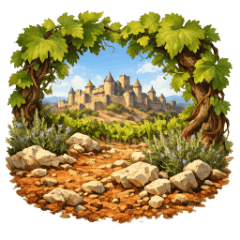
Covers a massive chunk of southern France, acting as the catch-all bucket for wines that don't fit into smaller, stricter clubs. It is where you find amazing reliability without needing to secure a bank loan first.
Covers a massive chunk of southern France, acting as the catch-all bucket for wines that don't fit into smaller, stricter clubs. It is where you find amazing reliability without needing to secure a bank loan first.
Minervois
(
Languedoc-Roussillon
)
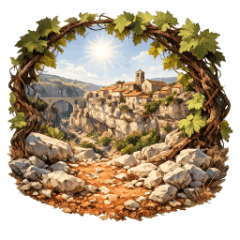
Named after the goddess Minerva, this spot sits like a massive limestone amphitheater looking toward the Mediterranean. It offers exceptional value reds that balance sun-baked ripeness with fresh, herbal lift from the surrounding scrubland.
Named after the goddess Minerva, this spot sits like a massive limestone amphitheater looking toward the Mediterranean. It offers exceptional value reds that balance sun-baked ripeness with fresh, herbal lift from the surrounding scrubland.
LATEST REVIEWS