«
Germany

Franken
Franken
Franken
Bulbous Bottles' Kingdom
Seeing a squat, flat bottle usually means you have found this Bavarian gem. Locals cherish their distinctive flask shapes almost as much as the earthy, mineral-driven whites filling them up.
Seeing a squat, flat bottle usually means you have found this Bavarian gem. Locals cherish their distinctive flask shapes almost as much as the earthy, mineral-driven whites filling them up.
Seeing a squat, flat bottle usually means you have found this Bavarian gem. Locals cherish their distinctive flask shapes almost as much as the earthy, mineral-driven whites filling them up.

LEADERS


HELPERS










Why it's unique
Bocksbeutel Bottles
Silvaner Dominance
Bavarian Roots
Germany usually shouts about Riesling, but Silvaner actually wears the crown here. You will spot the difference immediately thanks to the Bocksbeutel, a flattened, ellipsoid bottle resembling a field canteen that has become the area's trademark. It is less about high-tech exports and more about drinking hearty, earthy whites alongside heavy Bavarian food at a local village festival.
Germany usually shouts about Riesling, but Silvaner actually wears the crown here. You will spot the difference immediately thanks to the Bocksbeutel, a flattened, ellipsoid bottle resembling a field canteen that has become the area's trademark. It is less about high-tech exports and more about drinking hearty, earthy whites alongside heavy Bavarian food at a local village festival.
Germany usually shouts about Riesling, but Silvaner actually wears the crown here. You will spot the difference immediately thanks to the Bocksbeutel, a flattened, ellipsoid bottle resembling a field canteen that has become the area's trademark. It is less about high-tech exports and more about drinking hearty, earthy whites alongside heavy Bavarian food at a local village festival.
Terroir
Shell Limestone
Continental Climate
River Reflection
Shell limestone, locally called Muschelkalk, defines the ground under your feet. This ancient sediment imparts a distinct smoky, herbal kick to the juice that feels delightfully savory. Coupled with a continental climate boasting hot summers and frosty winters, the Main river acts as a crucial reflector, bouncing sunlight onto steep slopes to ensure everything gets ripe enough to handle the acidity.
Shell limestone, locally called Muschelkalk, defines the ground under your feet. This ancient sediment imparts a distinct smoky, herbal kick to the juice that feels delightfully savory. Coupled with a continental climate boasting hot summers and frosty winters, the Main river acts as a crucial reflector, bouncing sunlight onto steep slopes to ensure everything gets ripe enough to handle the acidity.
Shell limestone, locally called Muschelkalk, defines the ground under your feet. This ancient sediment imparts a distinct smoky, herbal kick to the juice that feels delightfully savory. Coupled with a continental climate boasting hot summers and frosty winters, the Main river acts as a crucial reflector, bouncing sunlight onto steep slopes to ensure everything gets ripe enough to handle the acidity.
You gotta try
Earthy Silvaner
Surprising Müller-Thurgau
Spicy Spätburgunder
Grab a Silvaner poured from that funny round bottle immediately. It offers a texture and earthiness that Riesling often lacks, pairing perfectly with white asparagus. Müller-Thurgau also surprises many skeptics here, delivering floral freshness rather than watery boredom. If you crave red, Spätburgunder grown on these limestone soils provides a spicy, warming hug that rivals its French cousins.
Grab a Silvaner poured from that funny round bottle immediately. It offers a texture and earthiness that Riesling often lacks, pairing perfectly with white asparagus. Müller-Thurgau also surprises many skeptics here, delivering floral freshness rather than watery boredom. If you crave red, Spätburgunder grown on these limestone soils provides a spicy, warming hug that rivals its French cousins.
Grab a Silvaner poured from that funny round bottle immediately. It offers a texture and earthiness that Riesling often lacks, pairing perfectly with white asparagus. Müller-Thurgau also surprises many skeptics here, delivering floral freshness rather than watery boredom. If you crave red, Spätburgunder grown on these limestone soils provides a spicy, warming hug that rivals its French cousins.
LOCAL TALES
The Canteen Bottle
The Canteen Bottle
The Canteen Bottle
Why is the bottle shaped like a squashed balloon? Legend says it mimics the shape of field canteens used by shepherds or soldiers, designed specifically so they wouldn't roll away if dropped on uneven ground. In 1726, the city of Würzburg decided that their best wines were being faked too often. To stop the fraudsters, the city council decreed that only true Stein wine could be filled into this specific glass shape. It was essentially one of the world's first anti-piracy measures for alcohol. Today, the EU protects this weird little flask, ensuring that only specific regions can use it. It is ergonomic, historical, and annoyingly impossible to stack in a modern wine rack.
Why is the bottle shaped like a squashed balloon? Legend says it mimics the shape of field canteens used by shepherds or soldiers, designed specifically so they wouldn't roll away if dropped on uneven ground. In 1726, the city of Würzburg decided that their best wines were being faked too often. To stop the fraudsters, the city council decreed that only true Stein wine could be filled into this specific glass shape. It was essentially one of the world's first anti-piracy measures for alcohol. Today, the EU protects this weird little flask, ensuring that only specific regions can use it. It is ergonomic, historical, and annoyingly impossible to stack in a modern wine rack.
Why is the bottle shaped like a squashed balloon? Legend says it mimics the shape of field canteens used by shepherds or soldiers, designed specifically so they wouldn't roll away if dropped on uneven ground. In 1726, the city of Würzburg decided that their best wines were being faked too often. To stop the fraudsters, the city council decreed that only true Stein wine could be filled into this specific glass shape. It was essentially one of the world's first anti-piracy measures for alcohol. Today, the EU protects this weird little flask, ensuring that only specific regions can use it. It is ergonomic, historical, and annoyingly impossible to stack in a modern wine rack.
Goethe's Liquid Obsession
Goethe's Liquid Obsession
Goethe's Liquid Obsession
Johann Wolfgang von Goethe wasn't just a literary genius, he was a serious drinker with very specific taste. He famously wrote to his wife complaining about other beverages, stating that he was annoyed by them and strictly demanded "Würzburger Stein" wine. He claimed no other drop tasted as good or agreed with him as much. In one year alone, records suggest he ordered a massive quantity of this Franconian juice to keep his creativity flowing. It is comforting to know that even the greatest minds in history had their comfort beverages. Next time you struggle with writer's block, maybe skip the coffee and pour a glass of Silvaner to channel your inner German poet.
Johann Wolfgang von Goethe wasn't just a literary genius, he was a serious drinker with very specific taste. He famously wrote to his wife complaining about other beverages, stating that he was annoyed by them and strictly demanded "Würzburger Stein" wine. He claimed no other drop tasted as good or agreed with him as much. In one year alone, records suggest he ordered a massive quantity of this Franconian juice to keep his creativity flowing. It is comforting to know that even the greatest minds in history had their comfort beverages. Next time you struggle with writer's block, maybe skip the coffee and pour a glass of Silvaner to channel your inner German poet.
Johann Wolfgang von Goethe wasn't just a literary genius, he was a serious drinker with very specific taste. He famously wrote to his wife complaining about other beverages, stating that he was annoyed by them and strictly demanded "Würzburger Stein" wine. He claimed no other drop tasted as good or agreed with him as much. In one year alone, records suggest he ordered a massive quantity of this Franconian juice to keep his creativity flowing. It is comforting to know that even the greatest minds in history had their comfort beverages. Next time you struggle with writer's block, maybe skip the coffee and pour a glass of Silvaner to channel your inner German poet.
The Oldest Liquid
The Oldest Liquid
The Oldest Liquid
Deep inside the cellar of the Bürgerspital in Würzburg lies a treasure that technically shouldn't exist. It is a bottle of Steinwein from the 1540 vintage. We are talking about wine made before Shakespeare was even born. It is considered one of the oldest authentic white wines in existence. While most of it has likely turned to vinegar or sherry-like sludge by now, a rare tasting in the 1960s using a sibling bottle revealed it was still alive, albeit very tired. It sits there like a silent guardian of the cellar, proving that German winemaking engineering extends to longevity. Just don't ask the sommelier to pop the cork for dinner.
Deep inside the cellar of the Bürgerspital in Würzburg lies a treasure that technically shouldn't exist. It is a bottle of Steinwein from the 1540 vintage. We are talking about wine made before Shakespeare was even born. It is considered one of the oldest authentic white wines in existence. While most of it has likely turned to vinegar or sherry-like sludge by now, a rare tasting in the 1960s using a sibling bottle revealed it was still alive, albeit very tired. It sits there like a silent guardian of the cellar, proving that German winemaking engineering extends to longevity. Just don't ask the sommelier to pop the cork for dinner.
Deep inside the cellar of the Bürgerspital in Würzburg lies a treasure that technically shouldn't exist. It is a bottle of Steinwein from the 1540 vintage. We are talking about wine made before Shakespeare was even born. It is considered one of the oldest authentic white wines in existence. While most of it has likely turned to vinegar or sherry-like sludge by now, a rare tasting in the 1960s using a sibling bottle revealed it was still alive, albeit very tired. It sits there like a silent guardian of the cellar, proving that German winemaking engineering extends to longevity. Just don't ask the sommelier to pop the cork for dinner.
SUB-REGIONS

Maindreieck
(
Franken
)
Imagine a geometric shape made entirely of vines and river bends. This is the heart of Franken, anchored by Würzburg, where that weird flattened bottle reigns supreme and fossil-rich soils dictate the flavor rules.
Imagine a geometric shape made entirely of vines and river bends. This is the heart of Franken, anchored by Würzburg, where that weird flattened bottle reigns supreme and fossil-rich soils dictate the flavor rules.

Mainviereck
(
Franken
)
Tucked away in the western corner, this spot breaks all the Franconian white wine rules. Instead of Silvaner, you find glorious red slopes soaking up heat on red sandstone. It is basically a rebellion against the status quo.
Tucked away in the western corner, this spot breaks all the Franconian white wine rules. Instead of Silvaner, you find glorious red slopes soaking up heat on red sandstone. It is basically a rebellion against the status quo.
LOCAL WINE STYLES
German Riesling
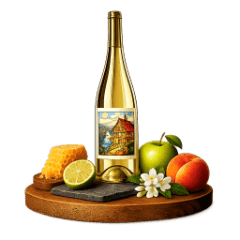
Imagine biting into a crisp green apple while sliding down a slate mountain. This style balances razor-sharp acidity with varying levels of sweetness, creating a tension that vibrates on your tongue like a plucked guitar string.
Imagine biting into a crisp green apple while sliding down a slate mountain. This style balances razor-sharp acidity with varying levels of sweetness, creating a tension that vibrates on your tongue like a plucked guitar string.
Imagine biting into a crisp green apple while sliding down a slate mountain. This style balances razor-sharp acidity with varying levels of sweetness, creating a tension that vibrates on your tongue like a plucked guitar string.
German Silvaner
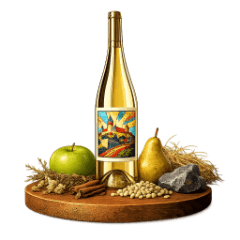
Often pushed into the corner by louder siblings, Silvaner is actually the quiet genius of Franconia. It delivers subtle herbal punches and earthy tones that make it an absolute weapon when dinner is served.
Often pushed into the corner by louder siblings, Silvaner is actually the quiet genius of Franconia. It delivers subtle herbal punches and earthy tones that make it an absolute weapon when dinner is served.
Often pushed into the corner by louder siblings, Silvaner is actually the quiet genius of Franconia. It delivers subtle herbal punches and earthy tones that make it an absolute weapon when dinner is served.
LATEST REVIEWS