«
New York
Finger Lakes
Finger Lakes
Finger Lakes
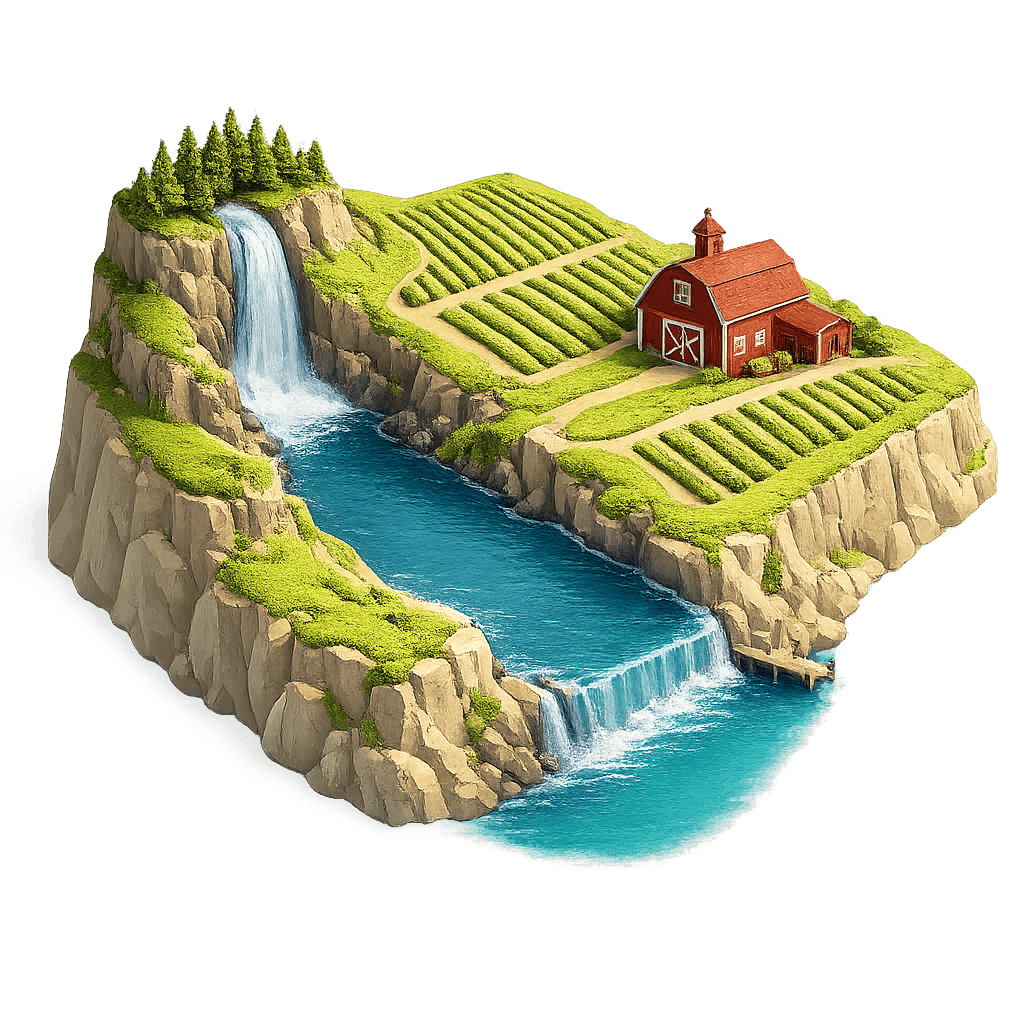
Glacial Riesling Empire
Forget everything you know about American wine being just warm California sunshine. This spot is defined by deep, skinny lakes that act like giant heaters, allowing world-class whites to thrive where snow usually dominates.
Forget everything you know about American wine being just warm California sunshine. This spot is defined by deep, skinny lakes that act like giant heaters, allowing world-class whites to thrive where snow usually dominates.
Forget everything you know about American wine being just warm California sunshine. This spot is defined by deep, skinny lakes that act like giant heaters, allowing world-class whites to thrive where snow usually dominates.
LEADERS

HELPERS






Why it's unique
Cool Climate
German Style
Electric Acidity
It is basically the Rhineland of America but with more Wegmans grocery stores nearby. While other regions chase high alcohol and massive tannins, producers here focus on electric acidity and delicate aromatics. It’s one of the few places in the US where European cool-climate styles aren't just an aspiration but a natural reality, producing age-worthy bottles that honestly shock blind tasters.
It is basically the Rhineland of America but with more Wegmans grocery stores nearby. While other regions chase high alcohol and massive tannins, producers here focus on electric acidity and delicate aromatics. It’s one of the few places in the US where European cool-climate styles aren't just an aspiration but a natural reality, producing age-worthy bottles that honestly shock blind tasters.
It is basically the Rhineland of America but with more Wegmans grocery stores nearby. While other regions chase high alcohol and massive tannins, producers here focus on electric acidity and delicate aromatics. It’s one of the few places in the US where European cool-climate styles aren't just an aspiration but a natural reality, producing age-worthy bottles that honestly shock blind tasters.
Terroir
Lake Effect
Slate Soils
Thermal Mass
Those massive claw-mark lakes create a crucial "lake effect" that saves vines from freezing to death during brutal winters. Slope is everything here, planting too far from the water means game over. The soils are a chaotic mix of shale, limestone, and sandstone that forces roots to dig deep, imparting a distinct mineral crunch to the wines that feels like licking a wet stone - in a good way.
Those massive claw-mark lakes create a crucial "lake effect" that saves vines from freezing to death during brutal winters. Slope is everything here, planting too far from the water means game over. The soils are a chaotic mix of shale, limestone, and sandstone that forces roots to dig deep, imparting a distinct mineral crunch to the wines that feels like licking a wet stone - in a good way.
Those massive claw-mark lakes create a crucial "lake effect" that saves vines from freezing to death during brutal winters. Slope is everything here, planting too far from the water means game over. The soils are a chaotic mix of shale, limestone, and sandstone that forces roots to dig deep, imparting a distinct mineral crunch to the wines that feels like licking a wet stone - in a good way.
You gotta try
Dry Riesling
Cabernet Franc
Sparkling Wine
Riesling is the undisputed king here, ranging from bone-dry to dessert-sweet, and you need to taste the whole spectrum to get it. Don't sleep on Cabernet Franc, though. It ripens beautifully in this cooler weather, offering savory notes of pencil shavings and raspberry rather than jam. For something sparkling, the traditional method bubbles here rival Champagne for a fraction of the price.
Riesling is the undisputed king here, ranging from bone-dry to dessert-sweet, and you need to taste the whole spectrum to get it. Don't sleep on Cabernet Franc, though. It ripens beautifully in this cooler weather, offering savory notes of pencil shavings and raspberry rather than jam. For something sparkling, the traditional method bubbles here rival Champagne for a fraction of the price.
Riesling is the undisputed king here, ranging from bone-dry to dessert-sweet, and you need to taste the whole spectrum to get it. Don't sleep on Cabernet Franc, though. It ripens beautifully in this cooler weather, offering savory notes of pencil shavings and raspberry rather than jam. For something sparkling, the traditional method bubbles here rival Champagne for a fraction of the price.
LOCAL TALES
The Doctor Who Knew Better
The Doctor Who Knew Better
The Doctor Who Knew Better
Back in the 1950s, everyone thought New York was too cold for Vitis vinifera - the fancy European vines responsible for Merlot and Chardonnay. Locals stuck to hardy native plants that tasted a bit like grape jelly. Enter Dr. Konstantin Frank, a Ukrainian immigrant with a PhD in viticulture who basically told everyone they were wrong. He knew cold climates from home and insisted that with the right rootstocks, European vines could survive the upstate freeze. He planted Riesling when neighbors laughed at him, and when his crops didn't die during the winter, he revolutionized the entire East Coast wine industry. Legend status achieved.
Back in the 1950s, everyone thought New York was too cold for Vitis vinifera - the fancy European vines responsible for Merlot and Chardonnay. Locals stuck to hardy native plants that tasted a bit like grape jelly. Enter Dr. Konstantin Frank, a Ukrainian immigrant with a PhD in viticulture who basically told everyone they were wrong. He knew cold climates from home and insisted that with the right rootstocks, European vines could survive the upstate freeze. He planted Riesling when neighbors laughed at him, and when his crops didn't die during the winter, he revolutionized the entire East Coast wine industry. Legend status achieved.
Back in the 1950s, everyone thought New York was too cold for Vitis vinifera - the fancy European vines responsible for Merlot and Chardonnay. Locals stuck to hardy native plants that tasted a bit like grape jelly. Enter Dr. Konstantin Frank, a Ukrainian immigrant with a PhD in viticulture who basically told everyone they were wrong. He knew cold climates from home and insisted that with the right rootstocks, European vines could survive the upstate freeze. He planted Riesling when neighbors laughed at him, and when his crops didn't die during the winter, he revolutionized the entire East Coast wine industry. Legend status achieved.
Ice Age Scars
Ice Age Scars
Ice Age Scars
Nature really flexed its muscles here about two million years ago during the Ice Age. Massive sheets of ice, over a mile thick, gouged out deep trenches in the earth as they crept south. When the ice finally melted, it left behind eleven long, narrow lakes that look like scratch marks from a giant bear. These aren't just pretty swimming spots, they are incredibly deep - Seneca Lake goes down over 600 feet! This immense volume of water holds heat, moderating the freezing air temperatures and creating a microclimate that makes viticulture possible in a zone that should technically be a tundra.
Nature really flexed its muscles here about two million years ago during the Ice Age. Massive sheets of ice, over a mile thick, gouged out deep trenches in the earth as they crept south. When the ice finally melted, it left behind eleven long, narrow lakes that look like scratch marks from a giant bear. These aren't just pretty swimming spots, they are incredibly deep - Seneca Lake goes down over 600 feet! This immense volume of water holds heat, moderating the freezing air temperatures and creating a microclimate that makes viticulture possible in a zone that should technically be a tundra.
Nature really flexed its muscles here about two million years ago during the Ice Age. Massive sheets of ice, over a mile thick, gouged out deep trenches in the earth as they crept south. When the ice finally melted, it left behind eleven long, narrow lakes that look like scratch marks from a giant bear. These aren't just pretty swimming spots, they are incredibly deep - Seneca Lake goes down over 600 feet! This immense volume of water holds heat, moderating the freezing air temperatures and creating a microclimate that makes viticulture possible in a zone that should technically be a tundra.
From Juice to Jewels
From Juice to Jewels
From Juice to Jewels
Before the wine snobs arrived with their swirl-and-sniff routines, this area was the sweet wine capital of the East. We are talking about Concord and Niagara, the kind that taste like purple candy and school lunches. For decades, the region was famous for sweet, foxy wines that were... let's say, an acquired taste. It took a massive shift in mindset to rip out those profitable native vines and replace them with sensitive, low-yield plants like Pinot Noir. Today, while you can still find a killer grape pie (a local delicacy you absolutely must eat), the reputation has shifted from sticky-sweet jug wines to bottles that sommeliers fight over in Manhattan.
Before the wine snobs arrived with their swirl-and-sniff routines, this area was the sweet wine capital of the East. We are talking about Concord and Niagara, the kind that taste like purple candy and school lunches. For decades, the region was famous for sweet, foxy wines that were... let's say, an acquired taste. It took a massive shift in mindset to rip out those profitable native vines and replace them with sensitive, low-yield plants like Pinot Noir. Today, while you can still find a killer grape pie (a local delicacy you absolutely must eat), the reputation has shifted from sticky-sweet jug wines to bottles that sommeliers fight over in Manhattan.
Before the wine snobs arrived with their swirl-and-sniff routines, this area was the sweet wine capital of the East. We are talking about Concord and Niagara, the kind that taste like purple candy and school lunches. For decades, the region was famous for sweet, foxy wines that were... let's say, an acquired taste. It took a massive shift in mindset to rip out those profitable native vines and replace them with sensitive, low-yield plants like Pinot Noir. Today, while you can still find a killer grape pie (a local delicacy you absolutely must eat), the reputation has shifted from sticky-sweet jug wines to bottles that sommeliers fight over in Manhattan.
SUB-REGIONS
Seneca Lake
(
Finger Lakes
)
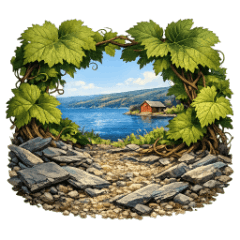
Holding the title for the deepest of the Finger Lakes, this body of water acts like a giant radiator for the vines. You get everything from bone-dry crispness to luscious ice wines here.
Holding the title for the deepest of the Finger Lakes, this body of water acts like a giant radiator for the vines. You get everything from bone-dry crispness to luscious ice wines here.
Cayuga Lake
(
Finger Lakes
)
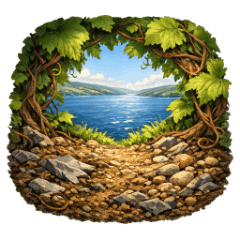
Often playing second fiddle to its deeper neighbor, this massive stretch of water actually boasts the longest shoreline in the region. It is a playground for diverse styles, ranging from serious Riesling to slushies.
Often playing second fiddle to its deeper neighbor, this massive stretch of water actually boasts the longest shoreline in the region. It is a playground for diverse styles, ranging from serious Riesling to slushies.
LOCAL WINE STYLES
New York Orange Wine
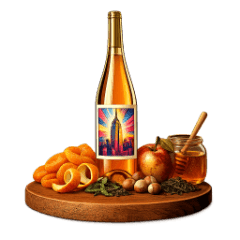
White grapes treated like reds create this textured, amber-hued beauty that's taking over wine bars from Brooklyn to the Finger Lakes. It is savory, grippy, and definitely not your grandmother's Riesling or Chardonnay.
White grapes treated like reds create this textured, amber-hued beauty that's taking over wine bars from Brooklyn to the Finger Lakes. It is savory, grippy, and definitely not your grandmother's Riesling or Chardonnay.
White grapes treated like reds create this textured, amber-hued beauty that's taking over wine bars from Brooklyn to the Finger Lakes. It is savory, grippy, and definitely not your grandmother's Riesling or Chardonnay.
Finger Lakes Riesling
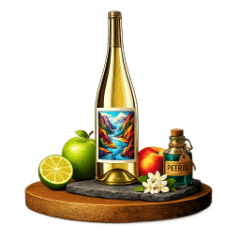
Upstate New York produces liquid lightning in a bottle. Riesling here thrives in the chilly air, offering a spectrum from bone-dry to lusciously sweet, all underpinned by an electric backbone of ripping acidity.
Upstate New York produces liquid lightning in a bottle. Riesling here thrives in the chilly air, offering a spectrum from bone-dry to lusciously sweet, all underpinned by an electric backbone of ripping acidity.
Upstate New York produces liquid lightning in a bottle. Riesling here thrives in the chilly air, offering a spectrum from bone-dry to lusciously sweet, all underpinned by an electric backbone of ripping acidity.
LATEST REVIEWS