«
Finger Lakes
,
New York
Seneca Lake
Deep Glacial King
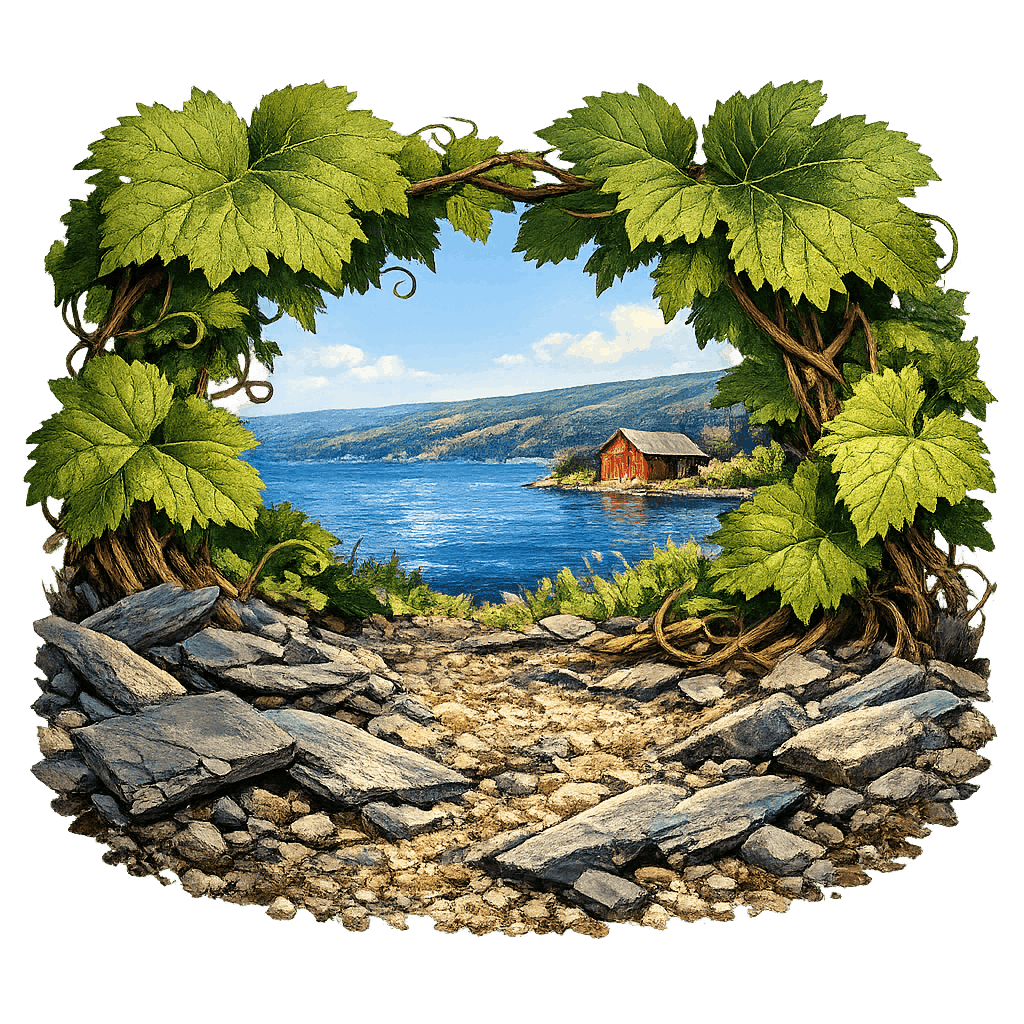
Holding the title for the deepest of the Finger Lakes, this body of water acts like a giant radiator for the vines. You get everything from bone-dry crispness to luscious ice wines here.
Holding the title for the deepest of the Finger Lakes, this body of water acts like a giant radiator for the vines. You get everything from bone-dry crispness to luscious ice wines here.
Holding the title for the deepest of the Finger Lakes, this body of water acts like a giant radiator for the vines. You get everything from bone-dry crispness to luscious ice wines here.
LEADERS

HELPERS



Taste profile
Laser Acid
Versatile Riesling
Spicy Reds
Expect Riesling to dominate your glass, ranging from laser-focused dry styles to sweet, unctuous dessert nectars. But do not sleep on the reds. Cabernet Franc shows up with spicy, herbal grit, while Pinot Noir offers crunchy red fruit. Acid levels here are high enough to strip enamel if you aren't careful, providing a refreshing slap to the palate that demands heavy, fatty food.
Expect Riesling to dominate your glass, ranging from laser-focused dry styles to sweet, unctuous dessert nectars. But do not sleep on the reds. Cabernet Franc shows up with spicy, herbal grit, while Pinot Noir offers crunchy red fruit. Acid levels here are high enough to strip enamel if you aren't careful, providing a refreshing slap to the palate that demands heavy, fatty food.
Expect Riesling to dominate your glass, ranging from laser-focused dry styles to sweet, unctuous dessert nectars. But do not sleep on the reds. Cabernet Franc shows up with spicy, herbal grit, while Pinot Noir offers crunchy red fruit. Acid levels here are high enough to strip enamel if you aren't careful, providing a refreshing slap to the palate that demands heavy, fatty food.
The vibe
Oceanic Depth
Rural Chic
Windy Roads
Glacial carving left behind a massive trench that feels almost oceanic when the wind picks up. Driving Route 14 feels like a pilgrimage through history and farmland, where tasting rooms range from old barns to slick modern glass structures. It is serious winemaking country without the pretension, where flannel shirts are more common than suits and the stunning lake view is always the star.
Glacial carving left behind a massive trench that feels almost oceanic when the wind picks up. Driving Route 14 feels like a pilgrimage through history and farmland, where tasting rooms range from old barns to slick modern glass structures. It is serious winemaking country without the pretension, where flannel shirts are more common than suits and the stunning lake view is always the star.
Glacial carving left behind a massive trench that feels almost oceanic when the wind picks up. Driving Route 14 feels like a pilgrimage through history and farmland, where tasting rooms range from old barns to slick modern glass structures. It is serious winemaking country without the pretension, where flannel shirts are more common than suits and the stunning lake view is always the star.
Who's who
Hermann Wiemer
Forge Cellars
Nathan Kendall
Hermann J. Wiemer remains the benchmark for quality, proving decades ago that vinifera belongs here. Forge Cellars is shaking things up with small-batch, single-vineyard obsessions that geeky somms adore. Keep an eye on boundary pushers like Nathan Kendall, who is crafting minimal intervention bottles that are redefining what cold-climate winemaking looks like in the modern era.
Hermann J. Wiemer remains the benchmark for quality, proving decades ago that vinifera belongs here. Forge Cellars is shaking things up with small-batch, single-vineyard obsessions that geeky somms adore. Keep an eye on boundary pushers like Nathan Kendall, who is crafting minimal intervention bottles that are redefining what cold-climate winemaking looks like in the modern era.
Hermann J. Wiemer remains the benchmark for quality, proving decades ago that vinifera belongs here. Forge Cellars is shaking things up with small-batch, single-vineyard obsessions that geeky somms adore. Keep an eye on boundary pushers like Nathan Kendall, who is crafting minimal intervention bottles that are redefining what cold-climate winemaking looks like in the modern era.
LOCAL TALES
The Naval Underworld
The Naval Underworld
The Naval Underworld
You might sip a delicate white while a submarine pings below the surface. This lake is incredibly deep - over 600 feet in spots - which prevents it from freezing over completely. This thermal mass saves the vines from killing frosts. But amusingly, the US Navy utilizes this depth for sonar testing. There is a barge in the middle of the lake used for acoustic research because the thermal layers mimic the ocean. So while you are debating the petrol notes in your glass, military tech is being calibrated just offshore. It adds a layer of industrial intrigue to an otherwise pastoral, quiet landscape dominated by agriculture.
You might sip a delicate white while a submarine pings below the surface. This lake is incredibly deep - over 600 feet in spots - which prevents it from freezing over completely. This thermal mass saves the vines from killing frosts. But amusingly, the US Navy utilizes this depth for sonar testing. There is a barge in the middle of the lake used for acoustic research because the thermal layers mimic the ocean. So while you are debating the petrol notes in your glass, military tech is being calibrated just offshore. It adds a layer of industrial intrigue to an otherwise pastoral, quiet landscape dominated by agriculture.
Wiemer vs The World
Wiemer vs The World
Wiemer vs The World
Back in the 1970s, local wisdom held that European vines—specifically Vitis vinifera—could not survive the brutal New York winters. The industry pushed hardy hybrids that made wines tasting like grape jelly. Hermann J. Wiemer, a German immigrant with viticulture in his blood, looked at the shale soils and the lake effect and politely disagreed. He bought an old soybean farm and planted Riesling anyway. He did not just survive, he thrived. His success effectively silenced the naysayers and set the benchmark for quality in the region. Every bottle of world-class dry wine produced here today owes a debt to his stubborn refusal to listen to authority.
Back in the 1970s, local wisdom held that European vines—specifically Vitis vinifera—could not survive the brutal New York winters. The industry pushed hardy hybrids that made wines tasting like grape jelly. Hermann J. Wiemer, a German immigrant with viticulture in his blood, looked at the shale soils and the lake effect and politely disagreed. He bought an old soybean farm and planted Riesling anyway. He did not just survive, he thrived. His success effectively silenced the naysayers and set the benchmark for quality in the region. Every bottle of world-class dry wine produced here today owes a debt to his stubborn refusal to listen to authority.
The Terroir Awakening
The Terroir Awakening
The Terroir Awakening
For years, the region suffered from a reputation for producing sugary, indistinguishable blends sold in jugs. That era is dead. Producers like Forge Cellars are now treating Seneca Lake like Burgundy. They are obsessed with specific plots of dirt, bottling single-vineyard wines that highlight slight differences in soil composition and microclimate. They hand-harvest and use spontaneous fermentation to let the place speak. It is a massive shift from mass production to artisanal precision. This hyper-focus on terroir has caught the attention of international critics who are finally realizing that this cold, windy corridor is capable of producing wines with serious complexity and ageability.
For years, the region suffered from a reputation for producing sugary, indistinguishable blends sold in jugs. That era is dead. Producers like Forge Cellars are now treating Seneca Lake like Burgundy. They are obsessed with specific plots of dirt, bottling single-vineyard wines that highlight slight differences in soil composition and microclimate. They hand-harvest and use spontaneous fermentation to let the place speak. It is a massive shift from mass production to artisanal precision. This hyper-focus on terroir has caught the attention of international critics who are finally realizing that this cold, windy corridor is capable of producing wines with serious complexity and ageability.
LOCAL WINE STYLES
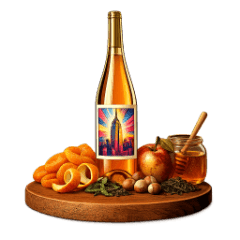
New York Orange Wine
White grapes treated like reds create this textured, amber-hued beauty that's taking over wine bars from Brooklyn to the Finger Lakes. It is savory, grippy, and definitely not your grandmother's Riesling or Chardonnay.
White grapes treated like reds create this textured, amber-hued beauty that's taking over wine bars from Brooklyn to the Finger Lakes. It is savory, grippy, and definitely not your grandmother's Riesling or Chardonnay.
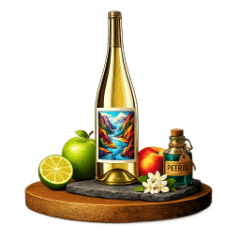
Finger Lakes Riesling
Upstate New York produces liquid lightning in a bottle. Riesling here thrives in the chilly air, offering a spectrum from bone-dry to lusciously sweet, all underpinned by an electric backbone of ripping acidity.
Upstate New York produces liquid lightning in a bottle. Riesling here thrives in the chilly air, offering a spectrum from bone-dry to lusciously sweet, all underpinned by an electric backbone of ripping acidity.
LATEST REVIEWS