«
BROWSE ALL
New York
New York
Home to high-acid wonders and urban grit, this region proves that great fermentation isn't reserved for the West Coast. From potato fields turned vineyards to glacial lakes, it delivers serious diversity.
Home to high-acid wonders and urban grit, this region proves that great fermentation isn't reserved for the West Coast. From potato fields turned vineyards to glacial lakes, it delivers serious diversity.
Home to high-acid wonders and urban grit, this region proves that great fermentation isn't reserved for the West Coast. From potato fields turned vineyards to glacial lakes, it delivers serious diversity.
What it's about
Third Largest
Extreme Climate
Diverse Regions
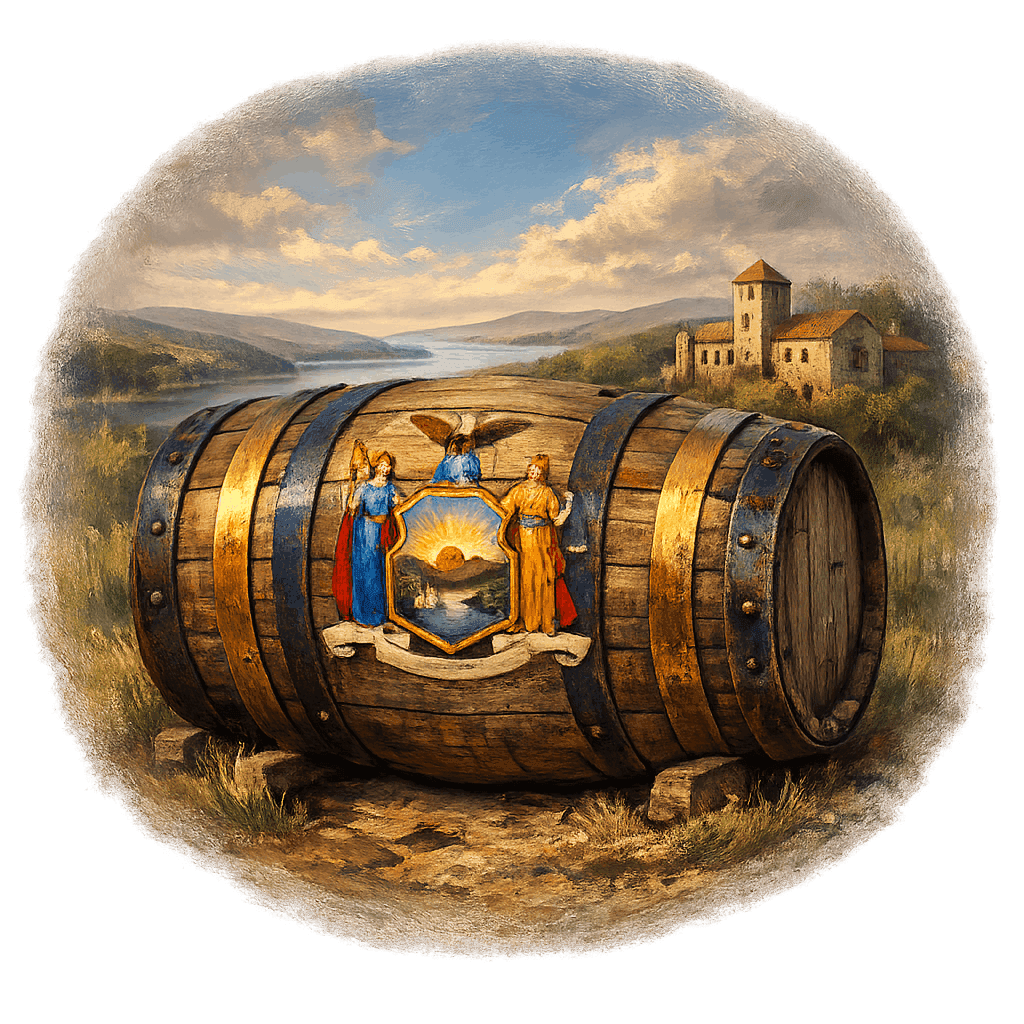
Ranked third in US wine production, this powerhouse produces far more than just juice for the city. While vast plantings of Concord still dominate specifically for grape juice, the premium sector is exploding with world-class Riesling from the Finger Lakes and elegant Bordeaux blends from Long Island. It is a battleground of extreme climates, where winemakers fight humidity and frost to craft wines with genuine nerve and character.
Ranked third in US wine production, this powerhouse produces far more than just juice for the city. While vast plantings of Concord still dominate specifically for grape juice, the premium sector is exploding with world-class Riesling from the Finger Lakes and elegant Bordeaux blends from Long Island. It is a battleground of extreme climates, where winemakers fight humidity and frost to craft wines with genuine nerve and character.
Ranked third in US wine production, this powerhouse produces far more than just juice for the city. While vast plantings of Concord still dominate specifically for grape juice, the premium sector is exploding with world-class Riesling from the Finger Lakes and elegant Bordeaux blends from Long Island. It is a battleground of extreme climates, where winemakers fight humidity and frost to craft wines with genuine nerve and character.
What they're proud of
World-Class Riesling
Oldest Winery
Defying Odds
New Yorkers boast loudly about their Riesling, which many argue rivals the best German bottlings thanks to the shale soils and cool temperatures. They also celebrate their history, hosting America’s oldest continuously operating winery, Brotherhood. But mostly, they pride themselves on proving the skeptics wrong - successfully growing European Vitis vinifera varieties in a region once deemed too cold for anything but jelly grapes.
New Yorkers boast loudly about their Riesling, which many argue rivals the best German bottlings thanks to the shale soils and cool temperatures. They also celebrate their history, hosting America’s oldest continuously operating winery, Brotherhood. But mostly, they pride themselves on proving the skeptics wrong - successfully growing European Vitis vinifera varieties in a region once deemed too cold for anything but jelly grapes.
New Yorkers boast loudly about their Riesling, which many argue rivals the best German bottlings thanks to the shale soils and cool temperatures. They also celebrate their history, hosting America’s oldest continuously operating winery, Brotherhood. But mostly, they pride themselves on proving the skeptics wrong - successfully growing European Vitis vinifera varieties in a region once deemed too cold for anything but jelly grapes.
WHAT'S TRENDING
Sustainability Push
Cabernet Franc
Hipster Bubbles
Sustainable farming is the current buzz, with a new certification program sweeping through the vineyards. Cabernet Franc has emerged as the darling red, finding a perfect balance of ripeness and herbal freshness that Napa can’t mimic. Meanwhile, hip producers are experimenting with Pet-Nat sparkling styles and skin-contact whites, capitalizing on the high natural acidity that comes from freezing winters.
Sustainable farming is the current buzz, with a new certification program sweeping through the vineyards. Cabernet Franc has emerged as the darling red, finding a perfect balance of ripeness and herbal freshness that Napa can’t mimic. Meanwhile, hip producers are experimenting with Pet-Nat sparkling styles and skin-contact whites, capitalizing on the high natural acidity that comes from freezing winters.
Sustainable farming is the current buzz, with a new certification program sweeping through the vineyards. Cabernet Franc has emerged as the darling red, finding a perfect balance of ripeness and herbal freshness that Napa can’t mimic. Meanwhile, hip producers are experimenting with Pet-Nat sparkling styles and skin-contact whites, capitalizing on the high natural acidity that comes from freezing winters.
LOCAL TALES
The Dishwasher Who Saved Wine
The Dishwasher Who Saved Wine
The Dishwasher Who Saved Wine
Before the 1950s, experts insisted that European Vitis vinifera vines would freeze to death in upstate New York, leaving locals stuck with foxy, jelly-tasting native varieties. Enter Dr. Konstantin Frank, a Ukrainian immigrant holding a PhD in viticulture who was washing dishes in NYC to survive. He knew that if vines could survive in Ukraine, they could survive here. Ignoring the naysayers, he headed to the Finger Lakes and planted Riesling on phylloxera-resistant rootstocks. Everyone waited for the plants to die. They didn't. His success sparked the "Vinifera Revolution," forever changing the East Coast from a juice factory into a serious wine region.
Before the 1950s, experts insisted that European Vitis vinifera vines would freeze to death in upstate New York, leaving locals stuck with foxy, jelly-tasting native varieties. Enter Dr. Konstantin Frank, a Ukrainian immigrant holding a PhD in viticulture who was washing dishes in NYC to survive. He knew that if vines could survive in Ukraine, they could survive here. Ignoring the naysayers, he headed to the Finger Lakes and planted Riesling on phylloxera-resistant rootstocks. Everyone waited for the plants to die. They didn't. His success sparked the "Vinifera Revolution," forever changing the East Coast from a juice factory into a serious wine region.
Holy Loopholes
Holy Loopholes
Holy Loopholes
Brotherhood Winery in the Hudson Valley holds the title of America's oldest winery, established in 1839. You might wonder how it survived the thirteen dry years of Prohibition when almost everyone else went bust. The secret wasn't a speakeasy, but salvation. They pivoted aggressively to producing sacramental wine for the church, a legal loophole that kept the lights on. They also marketed "medicinal" wines because, apparently, a glass of port was just what the doctor ordered. This holy hustle allowed them to stay in continuous operation, preserving their underground cellars while others were selling off their equipment for scrap.
Brotherhood Winery in the Hudson Valley holds the title of America's oldest winery, established in 1839. You might wonder how it survived the thirteen dry years of Prohibition when almost everyone else went bust. The secret wasn't a speakeasy, but salvation. They pivoted aggressively to producing sacramental wine for the church, a legal loophole that kept the lights on. They also marketed "medicinal" wines because, apparently, a glass of port was just what the doctor ordered. This holy hustle allowed them to stay in continuous operation, preserving their underground cellars while others were selling off their equipment for scrap.
Potatoes to Pinot
Potatoes to Pinot
Potatoes to Pinot
In 1973, Alex and Louisa Hargrave decided Long Island looked a lot like Bordeaux, just with more potatoes. They bought a potato farm to plant grapes, a move locals thought was absolute lunacy. Seeking advice, they asked a Californian expert who said to prune the side shoots, then a Cornell expert who said to keep them. Confused by the conflicting professional opinions, they just winged it. Their gamble paid off, proving that the maritime climate could ripen Cabernet Sauvignon and Merlot beautifully. Today, those former potato fields are the North Fork, a haven for premium reds that has Hamptons crowds trading martinis for local pours.
In 1973, Alex and Louisa Hargrave decided Long Island looked a lot like Bordeaux, just with more potatoes. They bought a potato farm to plant grapes, a move locals thought was absolute lunacy. Seeking advice, they asked a Californian expert who said to prune the side shoots, then a Cornell expert who said to keep them. Confused by the conflicting professional opinions, they just winged it. Their gamble paid off, proving that the maritime climate could ripen Cabernet Sauvignon and Merlot beautifully. Today, those former potato fields are the North Fork, a haven for premium reds that has Hamptons crowds trading martinis for local pours.
REGIONS
Long Island
Picture sipping elegant reds while dipping your toes in the Atlantic. This isn't just a summer playground for the wealthy. It is a serious maritime region producing crisp whites and savory reds that scream elegance.
Picture sipping elegant reds while dipping your toes in the Atlantic. This isn't just a summer playground for the wealthy. It is a serious maritime region producing crisp whites and savory reds that scream elegance.
Finger Lakes
Forget everything you know about American wine being just warm California sunshine. This spot is defined by deep, skinny lakes that act like giant heaters, allowing world-class whites to thrive where snow usually dominates.
Forget everything you know about American wine being just warm California sunshine. This spot is defined by deep, skinny lakes that act like giant heaters, allowing world-class whites to thrive where snow usually dominates.
SUB-REGIONS
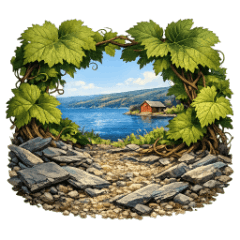
Seneca Lake
(
Finger Lakes
)
Holding the title for the deepest of the Finger Lakes, this body of water acts like a giant radiator for the vines. You get everything from bone-dry crispness to luscious ice wines here.
Holding the title for the deepest of the Finger Lakes, this body of water acts like a giant radiator for the vines. You get everything from bone-dry crispness to luscious ice wines here.
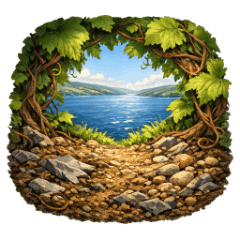
Cayuga Lake
(
Finger Lakes
)
Often playing second fiddle to its deeper neighbor, this massive stretch of water actually boasts the longest shoreline in the region. It is a playground for diverse styles, ranging from serious Riesling to slushies.
Often playing second fiddle to its deeper neighbor, this massive stretch of water actually boasts the longest shoreline in the region. It is a playground for diverse styles, ranging from serious Riesling to slushies.
WINE STYLES
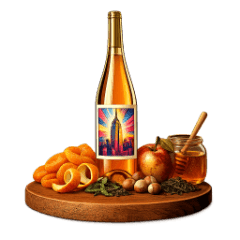
New York Orange Wine
White grapes treated like reds create this textured, amber-hued beauty that's taking over wine bars from Brooklyn to the Finger Lakes. It is savory, grippy, and definitely not your grandmother's Riesling or Chardonnay.
White grapes treated like reds create this textured, amber-hued beauty that's taking over wine bars from Brooklyn to the Finger Lakes. It is savory, grippy, and definitely not your grandmother's Riesling or Chardonnay.
White grapes treated like reds create this textured, amber-hued beauty that's taking over wine bars from Brooklyn to the Finger Lakes. It is savory, grippy, and definitely not your grandmother's Riesling or Chardonnay.
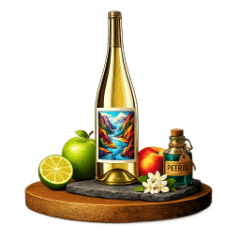
Finger Lakes Riesling
Upstate New York produces liquid lightning in a bottle. Riesling here thrives in the chilly air, offering a spectrum from bone-dry to lusciously sweet, all underpinned by an electric backbone of ripping acidity.
Upstate New York produces liquid lightning in a bottle. Riesling here thrives in the chilly air, offering a spectrum from bone-dry to lusciously sweet, all underpinned by an electric backbone of ripping acidity.
Upstate New York produces liquid lightning in a bottle. Riesling here thrives in the chilly air, offering a spectrum from bone-dry to lusciously sweet, all underpinned by an electric backbone of ripping acidity.
LATEST REVIEWS