«
BROWSE ALL
Slovakia
Slovakia
Nestled deep in Central Europe, this nation offers a surprising diversity of terroir, from ancient volcanic slopes to cool-climate river valleys. It is a land where history breathes through every cellar, merging imperial traditions with modern, authentic craftsmanship.
Nestled deep in Central Europe, this nation offers a surprising diversity of terroir, from ancient volcanic slopes to cool-climate river valleys. It is a land where history breathes through every cellar, merging imperial traditions with modern, authentic craftsmanship.
Nestled deep in Central Europe, this nation offers a surprising diversity of terroir, from ancient volcanic slopes to cool-climate river valleys. It is a land where history breathes through every cellar, merging imperial traditions with modern, authentic craftsmanship.

What it's about
Small Production
Central Bridge
Rising Quality
Slovakia is a compact yet dynamic player in the Central European wine scene, often overshadowed by its neighbors but punching well above its weight in quality. With roughly 10,000 hectares under vine, production is small-scale and focused on domestic consumption, though exports are slowly rising. The country acts as a bridge between the northern cool-climate white wine belt and the warmer, red-wine-friendly Danube basin.
Slovakia is a compact yet dynamic player in the Central European wine scene, often overshadowed by its neighbors but punching well above its weight in quality. With roughly 10,000 hectares under vine, production is small-scale and focused on domestic consumption, though exports are slowly rising. The country acts as a bridge between the northern cool-climate white wine belt and the warmer, red-wine-friendly Danube basin.
Slovakia is a compact yet dynamic player in the Central European wine scene, often overshadowed by its neighbors but punching well above its weight in quality. With roughly 10,000 hectares under vine, production is small-scale and focused on domestic consumption, though exports are slowly rising. The country acts as a bridge between the northern cool-climate white wine belt and the warmer, red-wine-friendly Danube basin.
What they're proud of
Tokaj Heritage
Frankovka Modrá
Unique Crossings
Local producers endlessly boast about their share of the legendary Tokaj region, which they fiercely defended in court against Hungary. Beyond sweet elixirs, they revere Frankovka Modrá as their red king, often claiming it heals everything from a broken heart to a bad mood. Recently, they have embraced unique crossings like Dunaj and Devin, created specifically to thrive in their diverse microclimates.
Local producers endlessly boast about their share of the legendary Tokaj region, which they fiercely defended in court against Hungary. Beyond sweet elixirs, they revere Frankovka Modrá as their red king, often claiming it heals everything from a broken heart to a bad mood. Recently, they have embraced unique crossings like Dunaj and Devin, created specifically to thrive in their diverse microclimates.
Local producers endlessly boast about their share of the legendary Tokaj region, which they fiercely defended in court against Hungary. Beyond sweet elixirs, they revere Frankovka Modrá as their red king, often claiming it heals everything from a broken heart to a bad mood. Recently, they have embraced unique crossings like Dunaj and Devin, created specifically to thrive in their diverse microclimates.
WHAT'S TRENDING
Natural Wine
Dry Tokaj
Terroir Focus
A vibrant wave of natural winemaking is sweeping through the south, particularly around Strekov, where producers are ditching sulfur and embracing skin contact. There is also a shift toward dry styles of Tokaj wines, making the region more accessible to modern palates. Young winemakers are rediscovering forgotten vineyards and focusing on terroir-driven expression rather than volume, putting authentic Slovak juice on the global map.
A vibrant wave of natural winemaking is sweeping through the south, particularly around Strekov, where producers are ditching sulfur and embracing skin contact. There is also a shift toward dry styles of Tokaj wines, making the region more accessible to modern palates. Young winemakers are rediscovering forgotten vineyards and focusing on terroir-driven expression rather than volume, putting authentic Slovak juice on the global map.
A vibrant wave of natural winemaking is sweeping through the south, particularly around Strekov, where producers are ditching sulfur and embracing skin contact. There is also a shift toward dry styles of Tokaj wines, making the region more accessible to modern palates. Young winemakers are rediscovering forgotten vineyards and focusing on terroir-driven expression rather than volume, putting authentic Slovak juice on the global map.
LOCAL TALES
The Sweetest Cold War
The Sweetest Cold War
The Sweetest Cold War
Imagine fighting a decades-long legal battle just to call your wine by its own name. That is exactly what happened between Slovakia and Hungary over the legendary Tokaj brand. While the region geographically straddles both countries, Hungary tried for years to claim exclusive rights to the "Tokaj" label, effectively trying to erase the Slovak side from existence. It wasn't just a trademark dispute, it was a matter of national honor. After years of bitter lawsuits and EU court rulings, Slovakia finally won the right to keep using the name. Today, you can sip a Slovak Tokaj and taste the sweet victory of a little guy who refused to be bullied out of his own history.
Imagine fighting a decades-long legal battle just to call your wine by its own name. That is exactly what happened between Slovakia and Hungary over the legendary Tokaj brand. While the region geographically straddles both countries, Hungary tried for years to claim exclusive rights to the "Tokaj" label, effectively trying to erase the Slovak side from existence. It wasn't just a trademark dispute, it was a matter of national honor. After years of bitter lawsuits and EU court rulings, Slovakia finally won the right to keep using the name. Today, you can sip a Slovak Tokaj and taste the sweet victory of a little guy who refused to be bullied out of his own history.
An Empress's Prescription
An Empress's Prescription
An Empress's Prescription
Long before doctors prescribed pills, Empress Maria Theresa had her own remedy for health issues: copious amounts of Frankovka Modrá from the Rača district. Legend says that during her visits to Bratislava, she fell ill and was offered a glass of this dense, spicy red wine by local vintners. Miraculously - or perhaps just drunkenly - she felt better immediately. She was so convinced of its medicinal properties that she issued a royal decree granting the village of Rača the official privilege of supplying her court with this "healing potion." To this day, locals will tell you with a straight face that a glass a day keeps the doctor away, provided it’s genuine Račianska Frankovka.
Long before doctors prescribed pills, Empress Maria Theresa had her own remedy for health issues: copious amounts of Frankovka Modrá from the Rača district. Legend says that during her visits to Bratislava, she fell ill and was offered a glass of this dense, spicy red wine by local vintners. Miraculously - or perhaps just drunkenly - she felt better immediately. She was so convinced of its medicinal properties that she issued a royal decree granting the village of Rača the official privilege of supplying her court with this "healing potion." To this day, locals will tell you with a straight face that a glass a day keeps the doctor away, provided it’s genuine Račianska Frankovka.
The Mother of Grapes
The Mother of Grapes
The Mother of Grapes
While most countries rely on French imports, Slovakia decided to build its own grapes from scratch. Enter Dorota Pospíšilová, the legendary "First Lady" of Slovak viticulture. For decades, she worked tirelessly in research stations, crossing varieties to create grapes that could survive brutal winters and ripen during short summers. Her masterpiece is Dunaj, a complex cross involving Muscat Bouchet, Blauer Portugieser, and St. Laurent. It took nearly 40 years of testing before it was officially registered. Today, Dunaj is celebrated as a national treasure - a dark, velvety red wine that exists solely because one woman refused to accept that foreign vines were the only option for her homeland.
While most countries rely on French imports, Slovakia decided to build its own grapes from scratch. Enter Dorota Pospíšilová, the legendary "First Lady" of Slovak viticulture. For decades, she worked tirelessly in research stations, crossing varieties to create grapes that could survive brutal winters and ripen during short summers. Her masterpiece is Dunaj, a complex cross involving Muscat Bouchet, Blauer Portugieser, and St. Laurent. It took nearly 40 years of testing before it was officially registered. Today, Dunaj is celebrated as a national treasure - a dark, velvety red wine that exists solely because one woman refused to accept that foreign vines were the only option for her homeland.
REGIONS

Malokarpatská
Just a short tram ride from downtown Bratislava, you stumble into ancient cellars and goose roasts. It is the beating heart of Slovak winemaking, mixing city vibes with serious tradition and some truly electric whites.
Just a short tram ride from downtown Bratislava, you stumble into ancient cellars and goose roasts. It is the beating heart of Slovak winemaking, mixing city vibes with serious tradition and some truly electric whites.

Južnoslovenská
Located right along the southern border near the Danube, this area acts like a massive solar panel. It absorbs serious heat to produce the country's most robust reds and delightfully aromatic, full-bodied white wines.
Located right along the southern border near the Danube, this area acts like a massive solar panel. It absorbs serious heat to produce the country's most robust reds and delightfully aromatic, full-bodied white wines.
WINE STYLES
Malokarpatska Grüner Veltliner
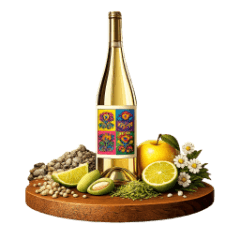
Think of this as Austria’s cooler cousin who hikes in the mountains. It brings a trademark spice but wraps it in a texture that feels like biting into a crisp green apple on a misty morning.
Think of this as Austria’s cooler cousin who hikes in the mountains. It brings a trademark spice but wraps it in a texture that feels like biting into a crisp green apple on a misty morning.
Think of this as Austria’s cooler cousin who hikes in the mountains. It brings a trademark spice but wraps it in a texture that feels like biting into a crisp green apple on a misty morning.
Malokarpatska Riesling
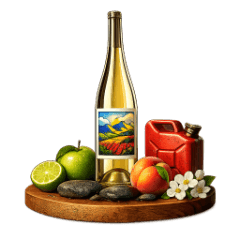
Riesling here digs deep into granitic bedrock to deliver a zesty punch that wakes up your entire palate. It is sharp, focused, and demands attention, balancing intense citrus flavors with a distinctive stony finish that lingers forever.
Riesling here digs deep into granitic bedrock to deliver a zesty punch that wakes up your entire palate. It is sharp, focused, and demands attention, balancing intense citrus flavors with a distinctive stony finish that lingers forever.
Riesling here digs deep into granitic bedrock to deliver a zesty punch that wakes up your entire palate. It is sharp, focused, and demands attention, balancing intense citrus flavors with a distinctive stony finish that lingers forever.
LATEST REVIEWS