«
BROWSE ALL
Italy
Italy
A boot-shaped peninsula where practically every backyard features a trellis. From snowy Alpine slopes to sun-baked volcanic islands, this nation doesn't just produce fermented juice, it lives, breathes, and occasionally bathes in it.
A boot-shaped peninsula where practically every backyard features a trellis. From snowy Alpine slopes to sun-baked volcanic islands, this nation doesn't just produce fermented juice, it lives, breathes, and occasionally bathes in it.
A boot-shaped peninsula where practically every backyard features a trellis. From snowy Alpine slopes to sun-baked volcanic islands, this nation doesn't just produce fermented juice, it lives, breathes, and occasionally bathes in it.
What it's about
Production Giant
Infinite Diversity
Regional Chaos
Standing tall as the heavyweight champion of global volume, this Mediterranean powerhouse reclaiming the top production spot in 2024 is a chaotic masterpiece. It is home to a staggering 400+ authorized native cultivars that create a landscape where every village seems to have its own appellation. It is a place where quantity meets obsessive regionality, exporting billions of liters while maintaining a distinct, acidic backbone that screams for food.
Standing tall as the heavyweight champion of global volume, this Mediterranean powerhouse reclaiming the top production spot in 2024 is a chaotic masterpiece. It is home to a staggering 400+ authorized native cultivars that create a landscape where every village seems to have its own appellation. It is a place where quantity meets obsessive regionality, exporting billions of liters while maintaining a distinct, acidic backbone that screams for food.
Standing tall as the heavyweight champion of global volume, this Mediterranean powerhouse reclaiming the top production spot in 2024 is a chaotic masterpiece. It is home to a staggering 400+ authorized native cultivars that create a landscape where every village seems to have its own appellation. It is a place where quantity meets obsessive regionality, exporting billions of liters while maintaining a distinct, acidic backbone that screams for food.
What they're proud of
Native Grapes
Food Friendliness
Roman Heritage
Locals hold an unshakeable belief that their indigenous vines are superior to international intruders. They boast endlessly about the aggressive tannins of Nebbiolo and the savory, tart cherry notes of Sangiovese, claiming these traits make their bottles the only true match for dinner. Beyond the glass, there is immense pride in their 'Made in Italy' brand, viewing their winemaking heritage as a direct line back to the Roman Empire.
Locals hold an unshakeable belief that their indigenous vines are superior to international intruders. They boast endlessly about the aggressive tannins of Nebbiolo and the savory, tart cherry notes of Sangiovese, claiming these traits make their bottles the only true match for dinner. Beyond the glass, there is immense pride in their 'Made in Italy' brand, viewing their winemaking heritage as a direct line back to the Roman Empire.
Locals hold an unshakeable belief that their indigenous vines are superior to international intruders. They boast endlessly about the aggressive tannins of Nebbiolo and the savory, tart cherry notes of Sangiovese, claiming these traits make their bottles the only true match for dinner. Beyond the glass, there is immense pride in their 'Made in Italy' brand, viewing their winemaking heritage as a direct line back to the Roman Empire.
WHAT'S TRENDING
Volcanic Freshness
Organic Boom
Chillable Reds
Heavy, oak-laden bombs are out, and crisp, high-altitude freshness is in. Drinkers are flocking to volcanic whites from Etna and lighter, chillable reds that don't require a nap after one glass. Organic viticulture is exploding as farmers try to save their soil, while Prosecco continues its relentless conquest of the world's aperitivo hour, proving that bubbles don't need a mortgage-level price tag to be fun.
Heavy, oak-laden bombs are out, and crisp, high-altitude freshness is in. Drinkers are flocking to volcanic whites from Etna and lighter, chillable reds that don't require a nap after one glass. Organic viticulture is exploding as farmers try to save their soil, while Prosecco continues its relentless conquest of the world's aperitivo hour, proving that bubbles don't need a mortgage-level price tag to be fun.
Heavy, oak-laden bombs are out, and crisp, high-altitude freshness is in. Drinkers are flocking to volcanic whites from Etna and lighter, chillable reds that don't require a nap after one glass. Organic viticulture is exploding as farmers try to save their soil, while Prosecco continues its relentless conquest of the world's aperitivo hour, proving that bubbles don't need a mortgage-level price tag to be fun.
LOCAL TALES
The Starving Rooster
The Starving Rooster
The Starving Rooster
Legend says the boundary between Chianti and rival Siena was decided by a race. A knight from each city would ride out at the first rooster crow, and the border would be drawn where they met. The Florentines, being deviously clever, chose a black rooster and starved it for days. Desperate for food, the poor bird started screaming in the pitch-black middle of the night, waking the Florentine knight hours before dawn. He rode practically to Siena's walls before meeting his sleepy opponent. That hungry, early-rising bird, the Gallo Nero, is now the proud seal on every bottle of Chianti Classico.
Legend says the boundary between Chianti and rival Siena was decided by a race. A knight from each city would ride out at the first rooster crow, and the border would be drawn where they met. The Florentines, being deviously clever, chose a black rooster and starved it for days. Desperate for food, the poor bird started screaming in the pitch-black middle of the night, waking the Florentine knight hours before dawn. He rode practically to Siena's walls before meeting his sleepy opponent. That hungry, early-rising bird, the Gallo Nero, is now the proud seal on every bottle of Chianti Classico.
The Table Wine Rebellion
The Table Wine Rebellion
The Table Wine Rebellion
In the 1970s, strict laws stifled creativity - Chianti blends *had* to include white grapes, and foreign varieties were largely forbidden. Frustrated winemakers like Piero Antinori and Mario Incisa della Rocchetta decided to break the rules. They eliminated white grapes, planted French vines like Cabernet Sauvignon, and ignored the appellation laws, forcing authorities to label their masterpieces as lowly 'Vino da Tavola' (table wine). These illegal bottles, later dubbed 'Super Tuscans,' ended up tasting better - and costing more - than the official stuff. The government eventually surrendered, creating new categories just to accommodate these rebellious, high-dollar icons.
In the 1970s, strict laws stifled creativity - Chianti blends *had* to include white grapes, and foreign varieties were largely forbidden. Frustrated winemakers like Piero Antinori and Mario Incisa della Rocchetta decided to break the rules. They eliminated white grapes, planted French vines like Cabernet Sauvignon, and ignored the appellation laws, forcing authorities to label their masterpieces as lowly 'Vino da Tavola' (table wine). These illegal bottles, later dubbed 'Super Tuscans,' ended up tasting better - and costing more - than the official stuff. The government eventually surrendered, creating new categories just to accommodate these rebellious, high-dollar icons.
The Land of Wine
The Land of Wine
The Land of Wine
Long before the Romans started conquering everyone, ancient Greeks arrived on these shores around the 8th century BC. They were absolutely stunned by what they found: wild vines were already growing everywhere, twisting around trees and thriving without any human help. Impressed by this natural abundance, the Greeks named the southern territory 'Oenotria,' which translates to 'The Land of Wine.' It was a prophetic nickname, considering that thousands of years later, you still can't walk five feet in this country without tripping over a trellis or being handed a glass of something delicious.
Long before the Romans started conquering everyone, ancient Greeks arrived on these shores around the 8th century BC. They were absolutely stunned by what they found: wild vines were already growing everywhere, twisting around trees and thriving without any human help. Impressed by this natural abundance, the Greeks named the southern territory 'Oenotria,' which translates to 'The Land of Wine.' It was a prophetic nickname, considering that thousands of years later, you still can't walk five feet in this country without tripping over a trellis or being handed a glass of something delicious.
REGIONS
Piedmont
Pressed hard against the Alps, Piedmont serves as the spiritual home for serious reds that love to meditate in the fog. Truffles and tannins define the landscape where Nebbiolo rules and Barbera keeps dinner parties lively.
Pressed hard against the Alps, Piedmont serves as the spiritual home for serious reds that love to meditate in the fog. Truffles and tannins define the landscape where Nebbiolo rules and Barbera keeps dinner parties lively.
Tuscany
Imagine a postcard coming to life because that is basically this place. It is not just about Chianti bottles in straw baskets anymore. You get world-class reds, stunning landscapes, and enough steak to feed an army.
Imagine a postcard coming to life because that is basically this place. It is not just about Chianti bottles in straw baskets anymore. You get world-class reds, stunning landscapes, and enough steak to feed an army.
SUB-REGIONS
Barolo
(
Piedmont
)
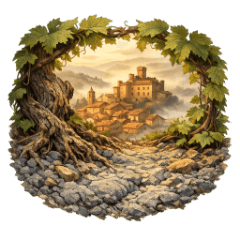
Imagine a wine so intense it needs a decade-long nap before it is polite enough to drink. This heavyweight champion of Piedmont demands patience but rewards you with ethereal complexity that haunts your palate forever.
Imagine a wine so intense it needs a decade-long nap before it is polite enough to drink. This heavyweight champion of Piedmont demands patience but rewards you with ethereal complexity that haunts your palate forever.
Barbaresco
(
Piedmont
)
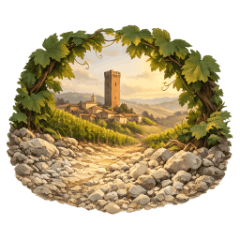
Think of this spot as the sophisticated younger sibling who went to art school while the big brother took over the family business. It offers Nebbiolo that is approachable sooner but still packs a serious punch.
Think of this spot as the sophisticated younger sibling who went to art school while the big brother took over the family business. It offers Nebbiolo that is approachable sooner but still packs a serious punch.
WINE STYLES
Piedmont Barolo
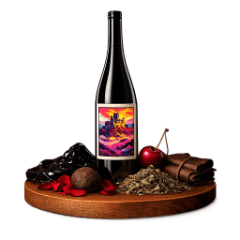
Imagine a delicate ballerina who can effortlessly squat 300 pounds. That is this wine style. It looks light, translucent, and innocent in the glass, but the moment you take a sip, it grips your palate with iron strength.
Imagine a delicate ballerina who can effortlessly squat 300 pounds. That is this wine style. It looks light, translucent, and innocent in the glass, but the moment you take a sip, it grips your palate with iron strength.
Imagine a delicate ballerina who can effortlessly squat 300 pounds. That is this wine style. It looks light, translucent, and innocent in the glass, but the moment you take a sip, it grips your palate with iron strength.
Piedmont Barbaresco
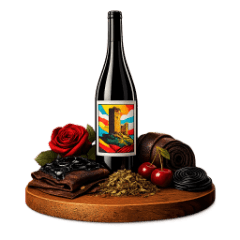
Often overshadowed by its louder neighbor, this wine brings just as much complexity but with a velvet glove rather than an iron fist. It hits you with perfume and grace before gripping your palate tight.
Often overshadowed by its louder neighbor, this wine brings just as much complexity but with a velvet glove rather than an iron fist. It hits you with perfume and grace before gripping your palate tight.
Often overshadowed by its louder neighbor, this wine brings just as much complexity but with a velvet glove rather than an iron fist. It hits you with perfume and grace before gripping your palate tight.
LATEST REVIEWS