«
Piedmont
,
Italy
Barolo
Foggy Royal Giant
Imagine a wine so intense it needs a decade-long nap before it is polite enough to drink. This heavyweight champion of Piedmont demands patience but rewards you with ethereal complexity that haunts your palate forever.
Imagine a wine so intense it needs a decade-long nap before it is polite enough to drink. This heavyweight champion of Piedmont demands patience but rewards you with ethereal complexity that haunts your palate forever.
Imagine a wine so intense it needs a decade-long nap before it is polite enough to drink. This heavyweight champion of Piedmont demands patience but rewards you with ethereal complexity that haunts your palate forever.
LEADERS

Taste profile
High Tannins
Tar Roses
Age Worthy
Prepare your gums because Nebbiolo doesn't play nice immediately. Young bottles feel like chewing on tea bags and dried roses while getting slapped by cherry pits. Give it time, though. With age, these monsters transform into velvet potions smelling of tar, truffles, and faded flowers. It is the ultimate exercise in delayed gratification, offering structure that could hold up a bridge and acidity that cuts through the richest stews.
Prepare your gums because Nebbiolo doesn't play nice immediately. Young bottles feel like chewing on tea bags and dried roses while getting slapped by cherry pits. Give it time, though. With age, these monsters transform into velvet potions smelling of tar, truffles, and faded flowers. It is the ultimate exercise in delayed gratification, offering structure that could hold up a bridge and acidity that cuts through the richest stews.
Prepare your gums because Nebbiolo doesn't play nice immediately. Young bottles feel like chewing on tea bags and dried roses while getting slapped by cherry pits. Give it time, though. With age, these monsters transform into velvet potions smelling of tar, truffles, and faded flowers. It is the ultimate exercise in delayed gratification, offering structure that could hold up a bridge and acidity that cuts through the richest stews.
The vibe
Foggy Hills
Prestigious Soil
Serious Mood
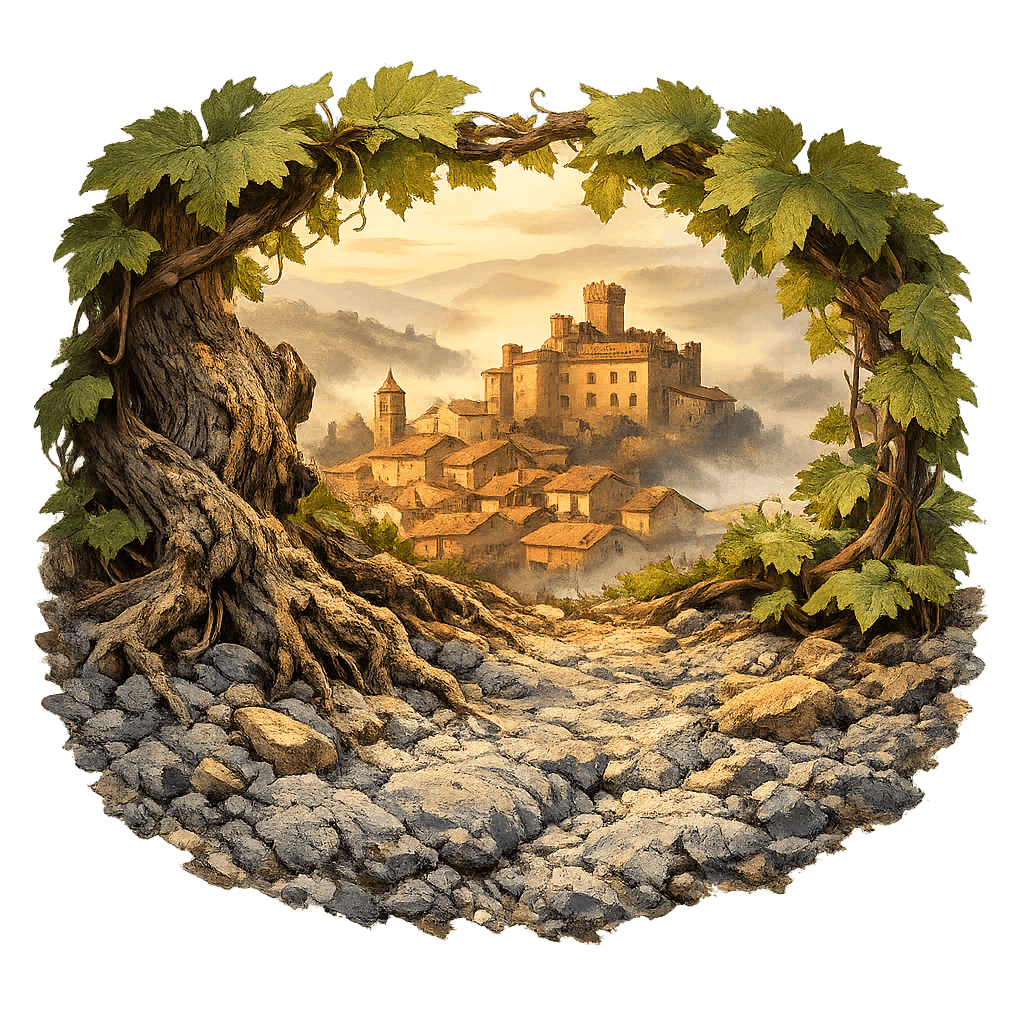
Rolling hills shrouded in the infamous nebbia fog create a moody, cinematic atmosphere here. It is prestigious, expensive, and quietly confident. You won't find wild parties, but rather serious contemplation over plates of tajarin pasta. The air smells of money and wet earth. Every slope has a name, and every producer treats their specific patch of dirt like it is the absolute center of the known universe.
Rolling hills shrouded in the infamous nebbia fog create a moody, cinematic atmosphere here. It is prestigious, expensive, and quietly confident. You won't find wild parties, but rather serious contemplation over plates of tajarin pasta. The air smells of money and wet earth. Every slope has a name, and every producer treats their specific patch of dirt like it is the absolute center of the known universe.
Rolling hills shrouded in the infamous nebbia fog create a moody, cinematic atmosphere here. It is prestigious, expensive, and quietly confident. You won't find wild parties, but rather serious contemplation over plates of tajarin pasta. The air smells of money and wet earth. Every slope has a name, and every producer treats their specific patch of dirt like it is the absolute center of the known universe.
Who's who
Mascarello Icon
Conterno Cult
Vajra Value
Giants roam this land. Bartolo Mascarello and Giacomo Conterno are the holy grails for traditionalists who hate new oak. For a slightly more modern touch, look at Elio Altare. If you don't want to sell a kidney, GD Vajra and Massolino deliver incredible quality without the astronomical price tag. Keep an eye on Trediberri for a fresh, energetic take on the classics that won't require a bank loan.
Giants roam this land. Bartolo Mascarello and Giacomo Conterno are the holy grails for traditionalists who hate new oak. For a slightly more modern touch, look at Elio Altare. If you don't want to sell a kidney, GD Vajra and Massolino deliver incredible quality without the astronomical price tag. Keep an eye on Trediberri for a fresh, energetic take on the classics that won't require a bank loan.
Giants roam this land. Bartolo Mascarello and Giacomo Conterno are the holy grails for traditionalists who hate new oak. For a slightly more modern touch, look at Elio Altare. If you don't want to sell a kidney, GD Vajra and Massolino deliver incredible quality without the astronomical price tag. Keep an eye on Trediberri for a fresh, energetic take on the classics that won't require a bank loan.
LOCAL TALES
The French Connection
The French Connection
The French Connection
Back in the 19th century, Nebbiolo was often a sweet, fizzy mess because the cold weather stopped fermentation early. Enter the Marchesa Juliette Colbert de Maulévrier. She wasn't having any of that sugar. With help from General Paolo Staglieno, she figured out how to ferment the wine completely dry in clean cellars. The result was so good she sent three hundred barrels to King Carlo Alberto in Turin. He loved it so much he bought an estate here to make his own supply. That is literally how it earned the moniker King of Wines and Wine of Kings. It wasn't marketing fluff - it was actual royal inventory born from a noblewoman's stubbornness.
Back in the 19th century, Nebbiolo was often a sweet, fizzy mess because the cold weather stopped fermentation early. Enter the Marchesa Juliette Colbert de Maulévrier. She wasn't having any of that sugar. With help from General Paolo Staglieno, she figured out how to ferment the wine completely dry in clean cellars. The result was so good she sent three hundred barrels to King Carlo Alberto in Turin. He loved it so much he bought an estate here to make his own supply. That is literally how it earned the moniker King of Wines and Wine of Kings. It wasn't marketing fluff - it was actual royal inventory born from a noblewoman's stubbornness.
The Barolo Wars
The Barolo Wars
The Barolo Wars
If you think wine is boring, you missed the 1990s in Piedmont. We call it the Barolo Wars. On one side, the Traditionalists defended massive Slavonian casks and long macerations that created wines needing twenty years to soften. On the other, the Modernist rebels grabbed French barriques and rotary fermenters to make softer, fruitier wines ready to drink sooner. Families stopped talking to each other. Tires were slashed - metaphorically, maybe literally. Bartolo Mascarello even printed labels saying No Barrique, No Berlusconi. Today, the dust has settled. Most producers blend both styles, finding a happy middle ground, but the scars of that stylistic civil war still add spice to the region's lore.
If you think wine is boring, you missed the 1990s in Piedmont. We call it the Barolo Wars. On one side, the Traditionalists defended massive Slavonian casks and long macerations that created wines needing twenty years to soften. On the other, the Modernist rebels grabbed French barriques and rotary fermenters to make softer, fruitier wines ready to drink sooner. Families stopped talking to each other. Tires were slashed - metaphorically, maybe literally. Bartolo Mascarello even printed labels saying No Barrique, No Berlusconi. Today, the dust has settled. Most producers blend both styles, finding a happy middle ground, but the scars of that stylistic civil war still add spice to the region's lore.
A Tale of Two Soils
A Tale of Two Soils
A Tale of Two Soils
People here treat dirt with religious fervor. The region is split into two main soil types that dictate your entire drinking experience. To the west, you have Tortonian soil which is blue-grey marl. It makes the wines more fragrant, elegant, and slightly friendlier in their youth - think La Morra. To the east, the Serravallian soils are poor, chalky, and beige. This is where the beasts come from - wines with structure so rigid they could frame a skyscraper. Knowing which hill you are standing on is crucial. It is not just dirt. It is the difference between waiting ten years or waiting twenty before pulling the cork. Choose your side of the valley wisely.
People here treat dirt with religious fervor. The region is split into two main soil types that dictate your entire drinking experience. To the west, you have Tortonian soil which is blue-grey marl. It makes the wines more fragrant, elegant, and slightly friendlier in their youth - think La Morra. To the east, the Serravallian soils are poor, chalky, and beige. This is where the beasts come from - wines with structure so rigid they could frame a skyscraper. Knowing which hill you are standing on is crucial. It is not just dirt. It is the difference between waiting ten years or waiting twenty before pulling the cork. Choose your side of the valley wisely.
LOCAL WINE STYLES
Piedmont Barolo
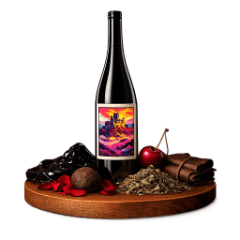
Imagine a delicate ballerina who can effortlessly squat 300 pounds. That is this wine style. It looks light, translucent, and innocent in the glass, but the moment you take a sip, it grips your palate with iron strength.
Imagine a delicate ballerina who can effortlessly squat 300 pounds. That is this wine style. It looks light, translucent, and innocent in the glass, but the moment you take a sip, it grips your palate with iron strength.
Northern Italy Nebbiolo
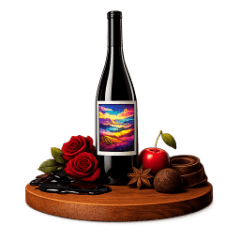
Think of this as the younger sibling of Barolo who didn't want to wait ten years to party. It delivers that signature punch of tannins wrapped in velvet gloves, offering accessibility without sacrificing that noble, brooding character.
Think of this as the younger sibling of Barolo who didn't want to wait ten years to party. It delivers that signature punch of tannins wrapped in velvet gloves, offering accessibility without sacrificing that noble, brooding character.
LATEST REVIEWS