«
Maule Valley
,
Chile

Loncomilla
River Red Revolution
Straddling its namesake river, this area is actively shedding its bulk-wine reputation for something much sexier. It is a treasure trove of heritage vines where quantity is finally taking a backseat to serious quality.
Straddling its namesake river, this area is actively shedding its bulk-wine reputation for something much sexier. It is a treasure trove of heritage vines where quantity is finally taking a backseat to serious quality.
Straddling its namesake river, this area is actively shedding its bulk-wine reputation for something much sexier. It is a treasure trove of heritage vines where quantity is finally taking a backseat to serious quality.





Taste profile
Lush Textures
Chocolatey Notes
Rustic Crunch
Expect a mouthful of sunshine. Cabernet Sauvignon and Merlot ripen fully here, delivering lush, chocolatey textures that coat your palate. It is not just about power, though, the best examples maintain a savory, herbal edge that keeps things interesting. Carignan from these parts offers a rustic, high-acid crunch that pairs perfectly with fatty meats. It is bold, honest winemaking that usually skips the heavy makeup.
Expect a mouthful of sunshine. Cabernet Sauvignon and Merlot ripen fully here, delivering lush, chocolatey textures that coat your palate. It is not just about power, though, the best examples maintain a savory, herbal edge that keeps things interesting. Carignan from these parts offers a rustic, high-acid crunch that pairs perfectly with fatty meats. It is bold, honest winemaking that usually skips the heavy makeup.
Expect a mouthful of sunshine. Cabernet Sauvignon and Merlot ripen fully here, delivering lush, chocolatey textures that coat your palate. It is not just about power, though, the best examples maintain a savory, herbal edge that keeps things interesting. Carignan from these parts offers a rustic, high-acid crunch that pairs perfectly with fatty meats. It is bold, honest winemaking that usually skips the heavy makeup.
The vibe
Farm Country
North Flowing
Zero Pretension
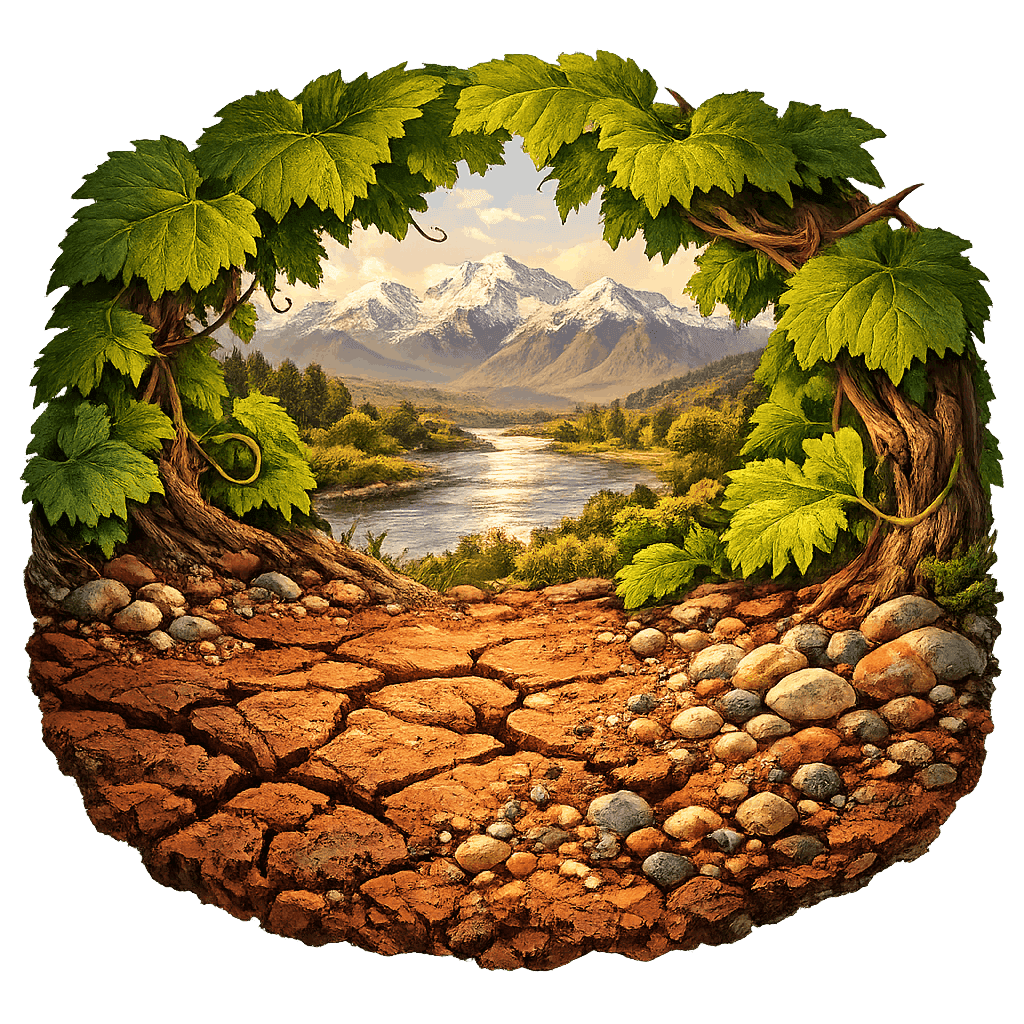
Dust off your boots because this is real farm country. The landscape is defined by the Loncomilla River, which confusingly flows north, providing cooling relief to the sun-baked valley floor. There is zero pretension here - just generations of farmers working the land. It feels like a place where time slowed down just enough to let the vines get gnarled, twisted, and incredibly beautiful.
Dust off your boots because this is real farm country. The landscape is defined by the Loncomilla River, which confusingly flows north, providing cooling relief to the sun-baked valley floor. There is zero pretension here - just generations of farmers working the land. It feels like a place where time slowed down just enough to let the vines get gnarled, twisted, and incredibly beautiful.
Dust off your boots because this is real farm country. The landscape is defined by the Loncomilla River, which confusingly flows north, providing cooling relief to the sun-baked valley floor. There is zero pretension here - just generations of farmers working the land. It feels like a place where time slowed down just enough to let the vines get gnarled, twisted, and incredibly beautiful.
Who's who
J. Bouchon
Gillmore Wines
VIGNO Club
J. Bouchon is the absolute headline act here, turning wild, tree-climbing vines into Instagram stars while redefining what is possible in the region. Gillmore is another name you need to know, focusing on dry-farmed intensity that commands respect. Newer projects are popping up constantly, often scavenging for forgotten plots of old vines to join the cool-kid VIGNO club and save heritage plantings.
J. Bouchon is the absolute headline act here, turning wild, tree-climbing vines into Instagram stars while redefining what is possible in the region. Gillmore is another name you need to know, focusing on dry-farmed intensity that commands respect. Newer projects are popping up constantly, often scavenging for forgotten plots of old vines to join the cool-kid VIGNO club and save heritage plantings.
J. Bouchon is the absolute headline act here, turning wild, tree-climbing vines into Instagram stars while redefining what is possible in the region. Gillmore is another name you need to know, focusing on dry-farmed intensity that commands respect. Newer projects are popping up constantly, often scavenging for forgotten plots of old vines to join the cool-kid VIGNO club and save heritage plantings.
LOCAL TALES
The Bordeaux Dream Gone Rogue
The Bordeaux Dream Gone Rogue
The Bordeaux Dream Gone Rogue
Back in the mid-19th century, wealthy Chilean families looked at the Maule Valley and thought, "We can make this the new Bordeaux." They imported French cuttings like Cabernet Sauvignon and Merlot, planting them extensively along the riverbanks. For decades, however, these noble vines were treated like workhorses, pumped up for volume rather than pampered for awards. The region became the engine room of Chilean bulk wine, churning out liters rather than legends. It took over a century for winemakers to realize that if they stopped over-watering and let the yields drop, those same French immigrants could produce wines with actual soul. Today, it is a redemption arc in a bottle.
Back in the mid-19th century, wealthy Chilean families looked at the Maule Valley and thought, "We can make this the new Bordeaux." They imported French cuttings like Cabernet Sauvignon and Merlot, planting them extensively along the riverbanks. For decades, however, these noble vines were treated like workhorses, pumped up for volume rather than pampered for awards. The region became the engine room of Chilean bulk wine, churning out liters rather than legends. It took over a century for winemakers to realize that if they stopped over-watering and let the yields drop, those same French immigrants could produce wines with actual soul. Today, it is a redemption arc in a bottle.
Vines That Climb Trees
Vines That Climb Trees
Vines That Climb Trees
You might think you know what a vineyard looks like: neat rows, manicured trellises, maybe a rose bush at the end. Well, Loncomilla has a surprise for you. In some corners of this sub-region, specifically within the Mingre estate, País vines have gone completely feral. We are talking about vines that have abandoned the trellis entirely to climb up native trees, growing wild like ivy in a forgotten garden. These "País Salvaje" vines require ladders to harvest and look more like a jungle expedition than a farm. It is a chaotic, beautiful mess that yields a wine so vibrant and floral it makes traditional viticulture look boring.
You might think you know what a vineyard looks like: neat rows, manicured trellises, maybe a rose bush at the end. Well, Loncomilla has a surprise for you. In some corners of this sub-region, specifically within the Mingre estate, País vines have gone completely feral. We are talking about vines that have abandoned the trellis entirely to climb up native trees, growing wild like ivy in a forgotten garden. These "País Salvaje" vines require ladders to harvest and look more like a jungle expedition than a farm. It is a chaotic, beautiful mess that yields a wine so vibrant and floral it makes traditional viticulture look boring.
The River That Lost Its Compass
The River That Lost Its Compass
The River That Lost Its Compass
Geography nerds, prepare to be annoyed. The Loncomilla River is a bit of a rebel because it flows from south to north. While that might not sound like a big deal to the casual observer, it is a rare geographical quirk that creates a specific wind tunnel effect. This breeze acts like a natural air conditioner for the vineyards. Without this "backward" river, the heat here would bake the acidity right out of the grapes, leaving you with flabby, boring jam. Instead, that north-flowing current keeps the nights cool, preserving the freshness that makes these reds actually drinkable rather than just alcoholic grape soup.
Geography nerds, prepare to be annoyed. The Loncomilla River is a bit of a rebel because it flows from south to north. While that might not sound like a big deal to the casual observer, it is a rare geographical quirk that creates a specific wind tunnel effect. This breeze acts like a natural air conditioner for the vineyards. Without this "backward" river, the heat here would bake the acidity right out of the grapes, leaving you with flabby, boring jam. Instead, that north-flowing current keeps the nights cool, preserving the freshness that makes these reds actually drinkable rather than just alcoholic grape soup.
LOCAL WINE STYLES
Chilean País
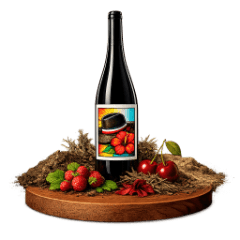
Once considered a lowly jug wine for the masses, País has dusted off its workman's clothes to reveal a vibrant personality. It is like discovering your grandfather's vintage jacket is actually high fashion now.
Once considered a lowly jug wine for the masses, País has dusted off its workman's clothes to reveal a vibrant personality. It is like discovering your grandfather's vintage jacket is actually high fashion now.
Chilean Carignan
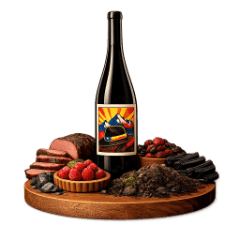
Imagine finding a treasure chest in a forgotten attic. That is exactly what happened here. These ancient bushes sat ignored in Maule until winemakers realized they produce high-acid, savory reds with incredible personality and grip.
Imagine finding a treasure chest in a forgotten attic. That is exactly what happened here. These ancient bushes sat ignored in Maule until winemakers realized they produce high-acid, savory reds with incredible personality and grip.
LATEST REVIEWS