«
Chile

Maule Valley
Maule Valley
Maule Valley
Rustic Red Revolutionary
Imagine a place where gnarly old bushes have been hanging out for centuries, largely ignored by the cool kids until recently. It is the grandfather of Chilean wine, finally getting the respect those ancient roots deserve.
Imagine a place where gnarly old bushes have been hanging out for centuries, largely ignored by the cool kids until recently. It is the grandfather of Chilean wine, finally getting the respect those ancient roots deserve.
Imagine a place where gnarly old bushes have been hanging out for centuries, largely ignored by the cool kids until recently. It is the grandfather of Chilean wine, finally getting the respect those ancient roots deserve.
LEADERS



HELPERS








Why it's unique
Dry farmed
Old vines
Authentic
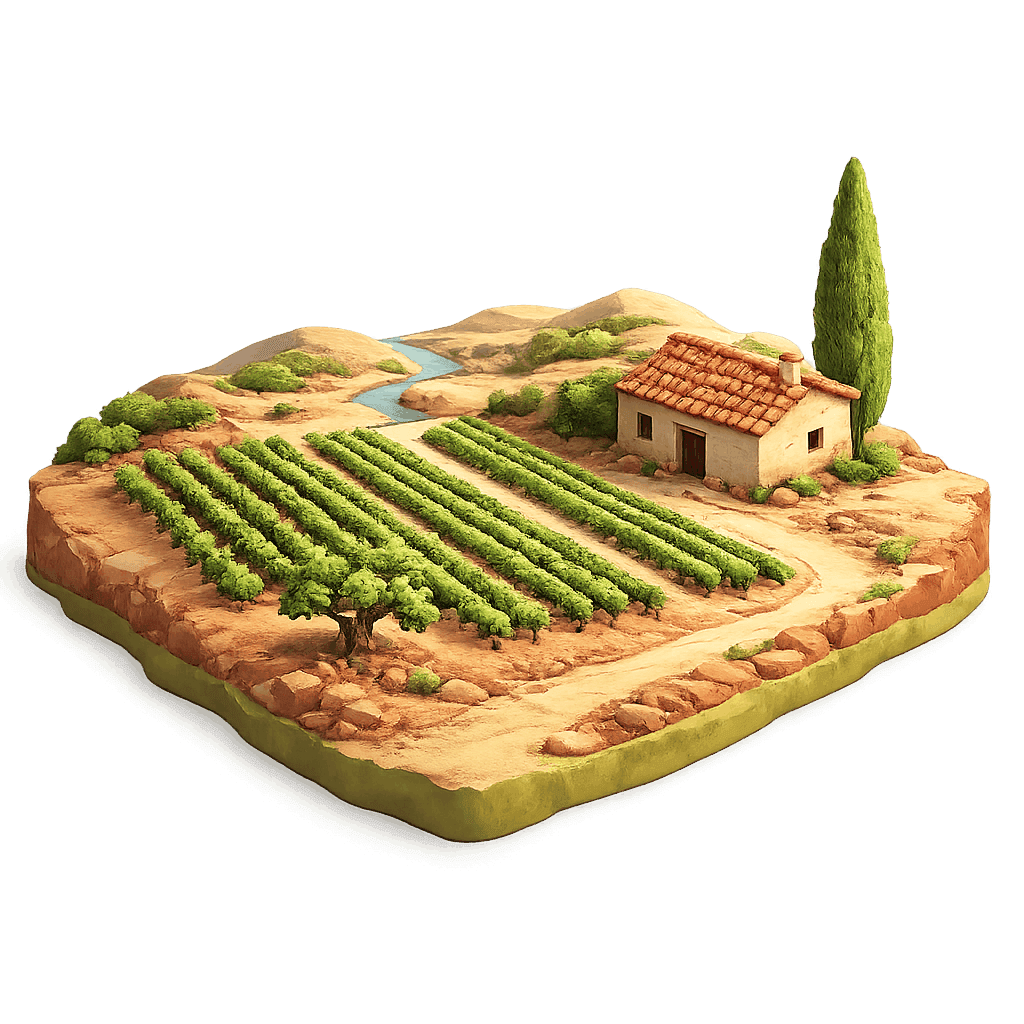
Dry-farming is the religion here. While other regions are frantically irrigating, these farmers let nature take the wheel, resulting in incredibly concentrated flavors. It is also the spiritual home of Pais and Carignan, two underdogs that have staged a massive comeback. These aren't polished, industrial factory wines - everything tastes raw, authentic, and packed with personality.
Dry-farming is the religion here. While other regions are frantically irrigating, these farmers let nature take the wheel, resulting in incredibly concentrated flavors. It is also the spiritual home of Pais and Carignan, two underdogs that have staged a massive comeback. These aren't polished, industrial factory wines - everything tastes raw, authentic, and packed with personality.
Dry-farming is the religion here. While other regions are frantically irrigating, these farmers let nature take the wheel, resulting in incredibly concentrated flavors. It is also the spiritual home of Pais and Carignan, two underdogs that have staged a massive comeback. These aren't polished, industrial factory wines - everything tastes raw, authentic, and packed with personality.
Terroir
Volcanic soils
Water stress
Pacific breeze
Soils here are largely volcanic and granitic, but the real kicker is the lack of water. Without irrigation, roots dig deep into the earth to survive the hot, dry summers. This struggle creates small, thick-skinned berries. Cool Pacific breezes sneak in during the evenings to keep acidity high, balancing that intense ripeness. It is a harsh environment that forces greatness out of the fruit.
Soils here are largely volcanic and granitic, but the real kicker is the lack of water. Without irrigation, roots dig deep into the earth to survive the hot, dry summers. This struggle creates small, thick-skinned berries. Cool Pacific breezes sneak in during the evenings to keep acidity high, balancing that intense ripeness. It is a harsh environment that forces greatness out of the fruit.
Soils here are largely volcanic and granitic, but the real kicker is the lack of water. Without irrigation, roots dig deep into the earth to survive the hot, dry summers. This struggle creates small, thick-skinned berries. Cool Pacific breezes sneak in during the evenings to keep acidity high, balancing that intense ripeness. It is a harsh environment that forces greatness out of the fruit.
You gotta try
Wild Carignan
Rustic Pais
Waxy Semillon
Carignan from here is an absolute beast - think wild berries, high acidity, and a savory edge that screams for grilled meat. Also, give Pais a shot if you want something lighter, rustic, and totally smashable. If you prefer whites, old-vine Semillon is making waves with its waxy texture and honeyed complexity. These wines have soul, so drink them with hearty food and good friends.
Carignan from here is an absolute beast - think wild berries, high acidity, and a savory edge that screams for grilled meat. Also, give Pais a shot if you want something lighter, rustic, and totally smashable. If you prefer whites, old-vine Semillon is making waves with its waxy texture and honeyed complexity. These wines have soul, so drink them with hearty food and good friends.
Carignan from here is an absolute beast - think wild berries, high acidity, and a savory edge that screams for grilled meat. Also, give Pais a shot if you want something lighter, rustic, and totally smashable. If you prefer whites, old-vine Semillon is making waves with its waxy texture and honeyed complexity. These wines have soul, so drink them with hearty food and good friends.
LOCAL TALES
The Forgotten Giant
The Forgotten Giant
The Forgotten Giant
For the longest time, Maule was the workhorse of Chile, pumping out bulk wine that nobody bragged about. Farmers were paid peanuts for their grapes, and heritage vines were ripped out to plant pine trees for timber. It was a tragic exchange of culture for quick cash. Then, a few visionary winemakers looked at these 100-year-old twisted stumps and realized they were sitting on gold. They started paying fair prices and bottling single-vineyard wines. Suddenly, the region went from zero to hero, proving that sometimes the treasure was right under your nose the whole time.
For the longest time, Maule was the workhorse of Chile, pumping out bulk wine that nobody bragged about. Farmers were paid peanuts for their grapes, and heritage vines were ripped out to plant pine trees for timber. It was a tragic exchange of culture for quick cash. Then, a few visionary winemakers looked at these 100-year-old twisted stumps and realized they were sitting on gold. They started paying fair prices and bottling single-vineyard wines. Suddenly, the region went from zero to hero, proving that sometimes the treasure was right under your nose the whole time.
For the longest time, Maule was the workhorse of Chile, pumping out bulk wine that nobody bragged about. Farmers were paid peanuts for their grapes, and heritage vines were ripped out to plant pine trees for timber. It was a tragic exchange of culture for quick cash. Then, a few visionary winemakers looked at these 100-year-old twisted stumps and realized they were sitting on gold. They started paying fair prices and bottling single-vineyard wines. Suddenly, the region went from zero to hero, proving that sometimes the treasure was right under your nose the whole time.
VIGNO Revolution
VIGNO Revolution
VIGNO Revolution
Imagine a club so exclusive that you need old vines to join. That is VIGNO - Vignadores de Carignan. A group of winemakers got tired of Carignan being treated like a blending filler, so they created Chile's first appellation based on rules, not just geography. To slap the VIGNO label on a bottle, the vines must be at least 30 years old and dry-farmed. It was a bold move that put Maule on the fine wine map. Now, spotting that little "V" on a label is like finding a seal of quality that guarantees you are about to drink something wild, intense, and historically significant.
Imagine a club so exclusive that you need old vines to join. That is VIGNO - Vignadores de Carignan. A group of winemakers got tired of Carignan being treated like a blending filler, so they created Chile's first appellation based on rules, not just geography. To slap the VIGNO label on a bottle, the vines must be at least 30 years old and dry-farmed. It was a bold move that put Maule on the fine wine map. Now, spotting that little "V" on a label is like finding a seal of quality that guarantees you are about to drink something wild, intense, and historically significant.
Imagine a club so exclusive that you need old vines to join. That is VIGNO - Vignadores de Carignan. A group of winemakers got tired of Carignan being treated like a blending filler, so they created Chile's first appellation based on rules, not just geography. To slap the VIGNO label on a bottle, the vines must be at least 30 years old and dry-farmed. It was a bold move that put Maule on the fine wine map. Now, spotting that little "V" on a label is like finding a seal of quality that guarantees you are about to drink something wild, intense, and historically significant.
The Pais Comeback
The Pais Comeback
The Pais Comeback
Pais was the first grape brought by Spanish missionaries in the 16th century to make sacramental wine. For roughly 400 years, it was the king of Chilean viticulture until French varieties like Cabernet Sauvignon showed up and stole the spotlight. Pais was relegated to jug wine status, deemed too rustic for polite society. But recently, hipster sommeliers and brave winemakers decided to embrace its funky, light-bodied nature. They stopped over-extracting it and started making Beaujolais-style glou-glou wines. Now, this ancient peasant wine is being poured in top Michelin-starred restaurants, laughing all the way from the history books to the dinner table.
Pais was the first grape brought by Spanish missionaries in the 16th century to make sacramental wine. For roughly 400 years, it was the king of Chilean viticulture until French varieties like Cabernet Sauvignon showed up and stole the spotlight. Pais was relegated to jug wine status, deemed too rustic for polite society. But recently, hipster sommeliers and brave winemakers decided to embrace its funky, light-bodied nature. They stopped over-extracting it and started making Beaujolais-style glou-glou wines. Now, this ancient peasant wine is being poured in top Michelin-starred restaurants, laughing all the way from the history books to the dinner table.
Pais was the first grape brought by Spanish missionaries in the 16th century to make sacramental wine. For roughly 400 years, it was the king of Chilean viticulture until French varieties like Cabernet Sauvignon showed up and stole the spotlight. Pais was relegated to jug wine status, deemed too rustic for polite society. But recently, hipster sommeliers and brave winemakers decided to embrace its funky, light-bodied nature. They stopped over-extracting it and started making Beaujolais-style glou-glou wines. Now, this ancient peasant wine is being poured in top Michelin-starred restaurants, laughing all the way from the history books to the dinner table.
SUB-REGIONS
Cauquenes
(
Maule Valley
)
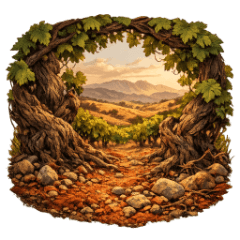
Deep in the southern interior where summer rain is practically a mythical creature, this area champions ancient bush vines. It is the spiritual home of the Carignan revival, proving that serious struggle creates serious character in the bottle.
Deep in the southern interior where summer rain is practically a mythical creature, this area champions ancient bush vines. It is the spiritual home of the Carignan revival, proving that serious struggle creates serious character in the bottle.
Loncomilla
(
Maule Valley
)
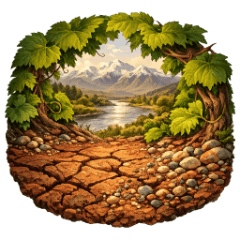
Straddling its namesake river, this area is actively shedding its bulk-wine reputation for something much sexier. It is a treasure trove of heritage vines where quantity is finally taking a backseat to serious quality.
Straddling its namesake river, this area is actively shedding its bulk-wine reputation for something much sexier. It is a treasure trove of heritage vines where quantity is finally taking a backseat to serious quality.
LOCAL WINE STYLES
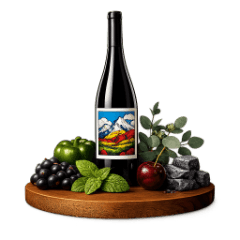
Chilean Cabernet Sauvignon
Imagine sipping a glass of bold dark fruit while standing in a eucalyptus forest. It brings serious structure without the hefty price tag found in Napa, mixing savory green pepper notes with ripe blackcurrants effortlessly.
Imagine sipping a glass of bold dark fruit while standing in a eucalyptus forest. It brings serious structure without the hefty price tag found in Napa, mixing savory green pepper notes with ripe blackcurrants effortlessly.
Imagine sipping a glass of bold dark fruit while standing in a eucalyptus forest. It brings serious structure without the hefty price tag found in Napa, mixing savory green pepper notes with ripe blackcurrants effortlessly.
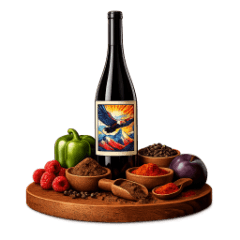
Chilean Carménère
Once thought extinct in Europe, this red found a secret hideout in South America. It is famous for mixing savory herbal notes with plush red fruit, making it the ultimate barbecue wingman for veggies and meats alike.
Once thought extinct in Europe, this red found a secret hideout in South America. It is famous for mixing savory herbal notes with plush red fruit, making it the ultimate barbecue wingman for veggies and meats alike.
Once thought extinct in Europe, this red found a secret hideout in South America. It is famous for mixing savory herbal notes with plush red fruit, making it the ultimate barbecue wingman for veggies and meats alike.
LATEST REVIEWS