«
Friuli-Venezia Giulia
,
Italy
Colli Orientali del Friuli
Hillside White Wonderland
If that nickname didn't tip you off, we are talking about sloping vineyards that produce some of Italy's most serious whites. It is distinct from the flatter Grave region, boasting cooler nights and soil that practically screams minerality.
If that nickname didn't tip you off, we are talking about sloping vineyards that produce some of Italy's most serious whites. It is distinct from the flatter Grave region, boasting cooler nights and soil that practically screams minerality.
If that nickname didn't tip you off, we are talking about sloping vineyards that produce some of Italy's most serious whites. It is distinct from the flatter Grave region, boasting cooler nights and soil that practically screams minerality.
LEADERS







HELPERS


Taste profile
Almond notes
Spicy reds
Savory texture
Prepare your palate for a serious workout because these wines don't mess around. Friulano reigns supreme here with almond notes and a texture smoother than a jazz saxophonist. You will also find Ribolla Gialla doing its zippy citrus thing. But don't sleep on the reds either - Schioppettino offers spicy, peppery kicks that might just make you forget about Pinot Noir for an evening. It is savory, structured, and unapologetically distinct.
Prepare your palate for a serious workout because these wines don't mess around. Friulano reigns supreme here with almond notes and a texture smoother than a jazz saxophonist. You will also find Ribolla Gialla doing its zippy citrus thing. But don't sleep on the reds either - Schioppettino offers spicy, peppery kicks that might just make you forget about Pinot Noir for an evening. It is savory, structured, and unapologetically distinct.
Prepare your palate for a serious workout because these wines don't mess around. Friulano reigns supreme here with almond notes and a texture smoother than a jazz saxophonist. You will also find Ribolla Gialla doing its zippy citrus thing. But don't sleep on the reds either - Schioppettino offers spicy, peppery kicks that might just make you forget about Pinot Noir for an evening. It is savory, structured, and unapologetically distinct.
The vibe
Border lands
Terraced hills
Serious farming
Imagine Tuscany but swap the tourists for tractors and the Chianti for world-class whites. This area hugs the Slovenian border, creating a cultural mashup that feels distinct from the rest of Italy. The landscape is a rolling sea of terraced vineyards featuring a marl-sandstone mix locals call Ponca. It feels quiet, hardworking, and deeply respectful of tradition without being stuck in the past.
Imagine Tuscany but swap the tourists for tractors and the Chianti for world-class whites. This area hugs the Slovenian border, creating a cultural mashup that feels distinct from the rest of Italy. The landscape is a rolling sea of terraced vineyards featuring a marl-sandstone mix locals call Ponca. It feels quiet, hardworking, and deeply respectful of tradition without being stuck in the past.
Imagine Tuscany but swap the tourists for tractors and the Chianti for world-class whites. This area hugs the Slovenian border, creating a cultural mashup that feels distinct from the rest of Italy. The landscape is a rolling sea of terraced vineyards featuring a marl-sandstone mix locals call Ponca. It feels quiet, hardworking, and deeply respectful of tradition without being stuck in the past.
Who's who
Livio Felluga
Miani
Ronchi di Cialla
If you are hunting for legends, start with Livio Felluga, the guy who basically put this map together. For cult status that requires a secret handshake to buy, Miani is your holy grail. Bastianich brings some celebrity flair - yes, that Joe Bastianich - while smaller producers like Ronchi di Cialla deserve massive applause for saving ancient indigenous reds from extinction back in the seventies.
If you are hunting for legends, start with Livio Felluga, the guy who basically put this map together. For cult status that requires a secret handshake to buy, Miani is your holy grail. Bastianich brings some celebrity flair - yes, that Joe Bastianich - while smaller producers like Ronchi di Cialla deserve massive applause for saving ancient indigenous reds from extinction back in the seventies.
If you are hunting for legends, start with Livio Felluga, the guy who basically put this map together. For cult status that requires a secret handshake to buy, Miani is your holy grail. Bastianich brings some celebrity flair - yes, that Joe Bastianich - while smaller producers like Ronchi di Cialla deserve massive applause for saving ancient indigenous reds from extinction back in the seventies.
LOCAL TALES
The Outlaw Red
The Outlaw Red
The Outlaw Red
Believe it or not, Schioppettino was once an outlaw. Back in the 1970s, Italian bureaucrats decided this spicy local red wasn't worth the paperwork and actually banned it from being planted. Enter the Rapuzzi family of Ronchi di Cialla, who essentially looked at the law, shrugged, and started rescuing vines anyway. They scoured the hills for surviving cuttings and proved that Schioppettino wasn't just a weed - it was a spicy, peppercorn-laced masterpiece. Thanks to their stubborn rebellion, the ban was eventually lifted. Today, drinking a glass feels like a delicious act of defiance against administrative stupidity.
Believe it or not, Schioppettino was once an outlaw. Back in the 1970s, Italian bureaucrats decided this spicy local red wasn't worth the paperwork and actually banned it from being planted. Enter the Rapuzzi family of Ronchi di Cialla, who essentially looked at the law, shrugged, and started rescuing vines anyway. They scoured the hills for surviving cuttings and proved that Schioppettino wasn't just a weed - it was a spicy, peppercorn-laced masterpiece. Thanks to their stubborn rebellion, the ban was eventually lifted. Today, drinking a glass feels like a delicious act of defiance against administrative stupidity.
The Royal Nightmare
The Royal Nightmare
The Royal Nightmare
Let's talk about Picolit, a dessert wine so rare it makes truffle hunting look like a casual grocery run. In the 18th century, it was the darling of European courts, drunk by Russian Czars and Popes. The catch? Picolit suffers from floral abortion - a terrifying term meaning most flowers never become berries. You get tiny, loose bunches with barely any juice. It is an agricultural nightmare but an oenological dream. The resulting nectar involves honey, apricot, and floral insanity. Because yields are laughably low, bottles are pricey, but sipping liquid gold usually costs a few coins.
Let's talk about Picolit, a dessert wine so rare it makes truffle hunting look like a casual grocery run. In the 18th century, it was the darling of European courts, drunk by Russian Czars and Popes. The catch? Picolit suffers from floral abortion - a terrifying term meaning most flowers never become berries. You get tiny, loose bunches with barely any juice. It is an agricultural nightmare but an oenological dream. The resulting nectar involves honey, apricot, and floral insanity. Because yields are laughably low, bottles are pricey, but sipping liquid gold usually costs a few coins.
Crumbling Rock Magic
Crumbling Rock Magic
Crumbling Rock Magic
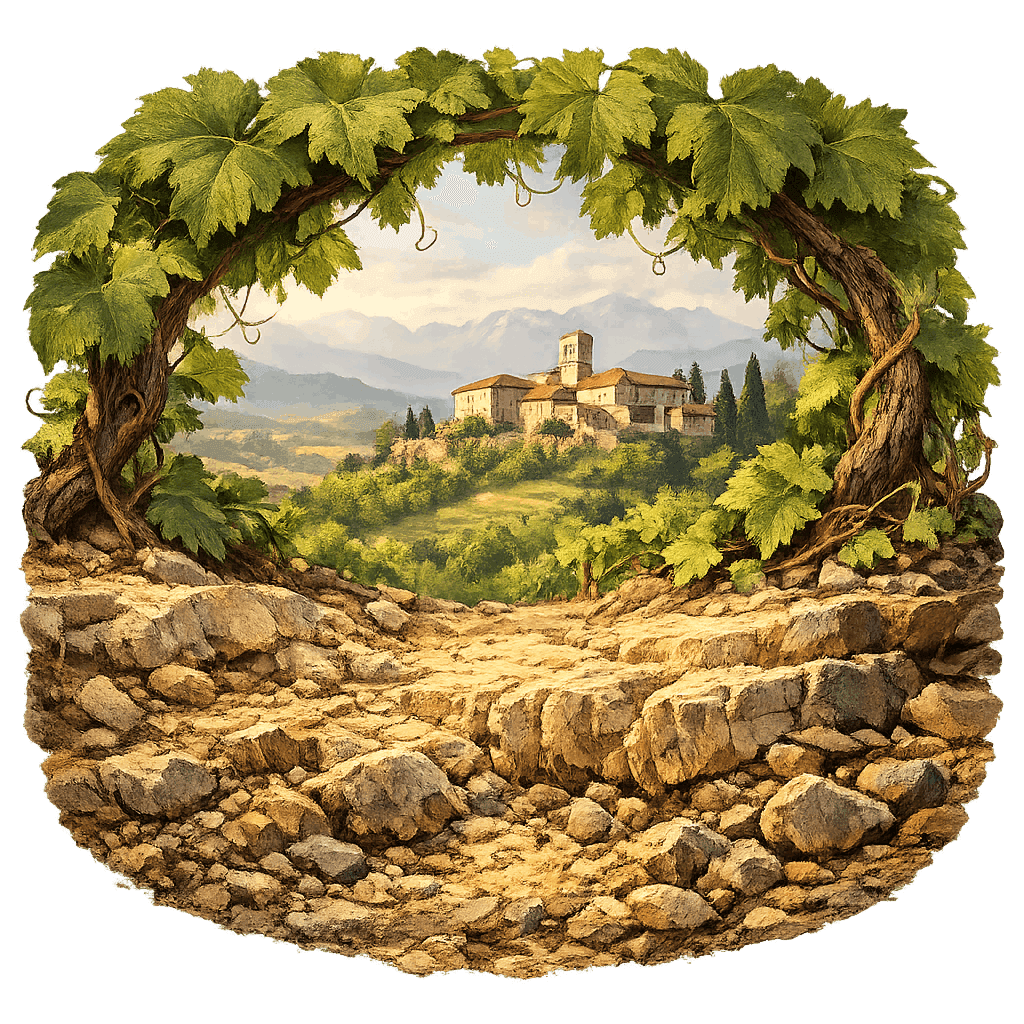
You will hear locals obsess over "Ponca," and for once, it is not just marketing fluff. This unique soil is a layering of marl and sandstone formed eons ago under the sea. It is brittle stuff - you can literally crumble the rocks in your hand - which allows roots to dig deep in search of water. But here is the cool part: over time, rain washes the soil down the steep slopes, so farmers have to keep pushing it back up to maintain the terraces. It is an endless cycle of geological Sisyphus work that results in wines with salty, savory backbones.
You will hear locals obsess over "Ponca," and for once, it is not just marketing fluff. This unique soil is a layering of marl and sandstone formed eons ago under the sea. It is brittle stuff - you can literally crumble the rocks in your hand - which allows roots to dig deep in search of water. But here is the cool part: over time, rain washes the soil down the steep slopes, so farmers have to keep pushing it back up to maintain the terraces. It is an endless cycle of geological Sisyphus work that results in wines with salty, savory backbones.
LOCAL WINE STYLES
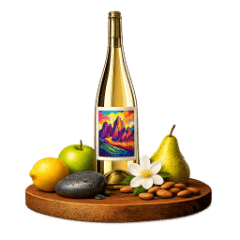
Northeastern Italy Pinot Grigio
Think of this as the ultimate refreshment button for your palate. Crisp, light, and undeniably popular, it delivers a clean rush of citrus that washes away the dust of a long day without asking difficult questions.
Think of this as the ultimate refreshment button for your palate. Crisp, light, and undeniably popular, it delivers a clean rush of citrus that washes away the dust of a long day without asking difficult questions.
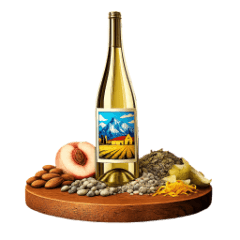
Friuli White
Forget everything you know about flimsy Italian Pinot Grigio because this region pumps out serious, structured whites that act like red wines in disguise. They offer rich texture and savory depth that demand heavy food.
Forget everything you know about flimsy Italian Pinot Grigio because this region pumps out serious, structured whites that act like red wines in disguise. They offer rich texture and savory depth that demand heavy food.
LATEST REVIEWS