«
Douro
,
Portugal

Cima Corgo
Port's Golden Child
If you close your eyes and picture the Douro, this is it. Located upstream from the breezy west, it sits in the climatic sweet spot producing the region's most famous, high-scoring vintage bottles and powerful reds.
If you close your eyes and picture the Douro, this is it. Located upstream from the breezy west, it sits in the climatic sweet spot producing the region's most famous, high-scoring vintage bottles and powerful reds.
If you close your eyes and picture the Douro, this is it. Located upstream from the breezy west, it sits in the climatic sweet spot producing the region's most famous, high-scoring vintage bottles and powerful reds.

LEADERS




HELPERS








Taste profile
Concentrated power
Dark fruit
Serious structure
Prepare your palate for intensity because this is the Goldilocks zone - not too wet, not too baked. Touriga Nacional and Touriga Franca get plenty of sun here, resulting in liquids that pack a punch of dark fruits, spice, and serious structure. Whether you are sipping a Vintage Port that will outlive your grandchildren or a dry red that demands a ribeye, the theme is concentration and grip.
Prepare your palate for intensity because this is the Goldilocks zone - not too wet, not too baked. Touriga Nacional and Touriga Franca get plenty of sun here, resulting in liquids that pack a punch of dark fruits, spice, and serious structure. Whether you are sipping a Vintage Port that will outlive your grandchildren or a dry red that demands a ribeye, the theme is concentration and grip.
Prepare your palate for intensity because this is the Goldilocks zone - not too wet, not too baked. Touriga Nacional and Touriga Franca get plenty of sun here, resulting in liquids that pack a punch of dark fruits, spice, and serious structure. Whether you are sipping a Vintage Port that will outlive your grandchildren or a dry red that demands a ribeye, the theme is concentration and grip.
The vibe
Terraced drama
River central
Historic heart
Pinhão is the beating heart of this zone, where the river winds through steep, dramatic terraces carved by centuries of sweat. It feels serious and prestigious, home to the iconic whitewashed Quintas you see on travel brochures. The air is drier here than downriver, the hills are steeper, and the feeling is one of pure, unadulterated wine history etched into the schist walls.
Pinhão is the beating heart of this zone, where the river winds through steep, dramatic terraces carved by centuries of sweat. It feels serious and prestigious, home to the iconic whitewashed Quintas you see on travel brochures. The air is drier here than downriver, the hills are steeper, and the feeling is one of pure, unadulterated wine history etched into the schist walls.
Pinhão is the beating heart of this zone, where the river winds through steep, dramatic terraces carved by centuries of sweat. It feels serious and prestigious, home to the iconic whitewashed Quintas you see on travel brochures. The air is drier here than downriver, the hills are steeper, and the feeling is one of pure, unadulterated wine history etched into the schist walls.
Who's who
Major shippers
Niepoort fame
Quintas galore
Almost every major Port house stakes their claim here. You have the Symington family empire running the show alongside the heavy hitters from the Fladgate Partnership. But do not overlook the table wine revolutionaries like Niepoort, who proved this dirt isn't just for fortified stuff. If a bottle costs a pretty penny and has a high score, it likely grew up in this neighborhood.
Almost every major Port house stakes their claim here. You have the Symington family empire running the show alongside the heavy hitters from the Fladgate Partnership. But do not overlook the table wine revolutionaries like Niepoort, who proved this dirt isn't just for fortified stuff. If a bottle costs a pretty penny and has a high score, it likely grew up in this neighborhood.
Almost every major Port house stakes their claim here. You have the Symington family empire running the show alongside the heavy hitters from the Fladgate Partnership. But do not overlook the table wine revolutionaries like Niepoort, who proved this dirt isn't just for fortified stuff. If a bottle costs a pretty penny and has a high score, it likely grew up in this neighborhood.
LOCAL TALES
The Stone Bouncers
The Stone Bouncers
The Stone Bouncers
Back in 1756, the Marquis de Pombal got tired of British merchants messing with wine quality, so he created the world's first demarcated wine region. He ordered massive granite pillars, known as Marcos, to be placed around the perimeter to mark the premium growing zone. Cima Corgo was essentially the bullseye of this project. These stones weren't just decorative, they determined the law. If your fruit grew inside the line, you were rich. Outside? Peasant wine. You can still stumble upon these ancient monoliths today, standing silently on the hillsides like prehistoric bouncers guarding the VIP section of the wine world. It was an early version of appellation control, executed with heavy rocks and iron will.
Back in 1756, the Marquis de Pombal got tired of British merchants messing with wine quality, so he created the world's first demarcated wine region. He ordered massive granite pillars, known as Marcos, to be placed around the perimeter to mark the premium growing zone. Cima Corgo was essentially the bullseye of this project. These stones weren't just decorative, they determined the law. If your fruit grew inside the line, you were rich. Outside? Peasant wine. You can still stumble upon these ancient monoliths today, standing silently on the hillsides like prehistoric bouncers guarding the VIP section of the wine world. It was an early version of appellation control, executed with heavy rocks and iron will.
Art on the Tracks
Art on the Tracks
Art on the Tracks
Most train stations smell like diesel and regret, but Pinhão's station is an open-air art gallery. Even if you never board a train, you have to visit just to stare at the walls. It is covered in twenty-four stunning panels of blue and white azulejo tiles that depict the harvest cycle before Instagram existed to document it. These aren't just pretty pictures, they are a tutorial on how things used to be done - men carrying baskets weighing as much as a fridge, crushing fruit by foot, and loading barrels onto rabelo boats. It is ironically the best place to understand the region's history, all while waiting for the next train to Pocinho.
Most train stations smell like diesel and regret, but Pinhão's station is an open-air art gallery. Even if you never board a train, you have to visit just to stare at the walls. It is covered in twenty-four stunning panels of blue and white azulejo tiles that depict the harvest cycle before Instagram existed to document it. These aren't just pretty pictures, they are a tutorial on how things used to be done - men carrying baskets weighing as much as a fridge, crushing fruit by foot, and loading barrels onto rabelo boats. It is ironically the best place to understand the region's history, all while waiting for the next train to Pocinho.
Dry Wine Rebellion
Dry Wine Rebellion
Dry Wine Rebellion
For centuries, grapes here had one destiny: getting fortified with brandy and shipped to London. Making dry red wine was considered a waste of good potential. But then came a wave of rebels - often called the Douro Boys - who realized that Cima Corgo's schist soils could make world-class table wines that rival Bordeaux or Napa. They stopped halting the fermentation and let the wines dry out. Initially, the old guard scoffed, clutching their glasses of tawny. Now? Those dry reds are winning international trophies and commanding prices that make accountants weep with joy. It turns out, this terroir is too good to just be a dessert specialist.
For centuries, grapes here had one destiny: getting fortified with brandy and shipped to London. Making dry red wine was considered a waste of good potential. But then came a wave of rebels - often called the Douro Boys - who realized that Cima Corgo's schist soils could make world-class table wines that rival Bordeaux or Napa. They stopped halting the fermentation and let the wines dry out. Initially, the old guard scoffed, clutching their glasses of tawny. Now? Those dry reds are winning international trophies and commanding prices that make accountants weep with joy. It turns out, this terroir is too good to just be a dessert specialist.
LOCAL WINE STYLES
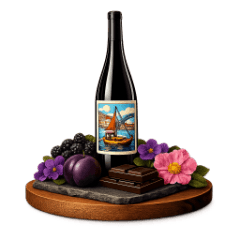
Portuguese Douro Red
Imagine all the intensity and flavor complexity of a vintage Port but stripped of the sweetness and fortification. It is a full-bodied, bone-dry experience that proves the Douro Valley can do serious table wine.
Imagine all the intensity and flavor complexity of a vintage Port but stripped of the sweetness and fortification. It is a full-bodied, bone-dry experience that proves the Douro Valley can do serious table wine.
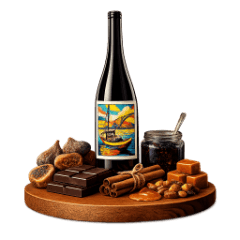
Portuguese Port Wine
Think of this as wine that went to the gym and refused to burn its carbs. It is fortified with brandy to keep it sweet and strong, making it the ultimate fireside companion for cold nights.
Think of this as wine that went to the gym and refused to burn its carbs. It is fortified with brandy to keep it sweet and strong, making it the ultimate fireside companion for cold nights.
LATEST REVIEWS