«
Baden
,
Germany

Breisgau
Black Forest Gateway
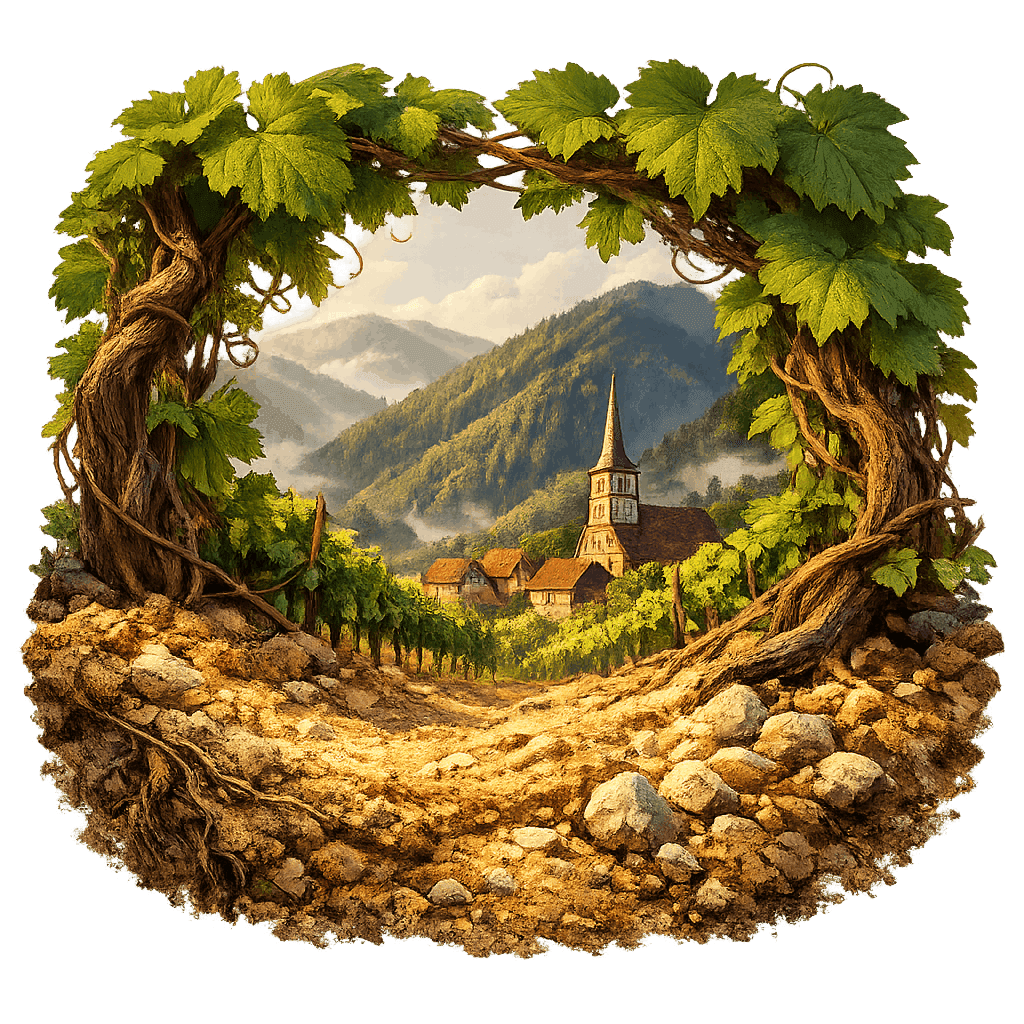
Located right where the dark woods meet the vines, this area offers a dramatic backdrop for serious winemaking. It is the cooler, steeper cousin to the sun-baked Kaiserstuhl nearby, producing wines with tension and history.
Located right where the dark woods meet the vines, this area offers a dramatic backdrop for serious winemaking. It is the cooler, steeper cousin to the sun-baked Kaiserstuhl nearby, producing wines with tension and history.
Located right where the dark woods meet the vines, this area offers a dramatic backdrop for serious winemaking. It is the cooler, steeper cousin to the sun-baked Kaiserstuhl nearby, producing wines with tension and history.



Taste profile
Elegant Reds
Mineral Spine
Fresh Acid
Spätburgunder here doesn't mess around, favoring elegance over massive fruit bombs. The soils - loess on the lower bits and weathered gneiss or limestone higher up - give these wines a distinct mineral spine. Acid levels stay lively because the Black Forest sends cool breezes down at night, keeping things fresh even when the summer sun blazes. White wines like Grauburgunder show similar zip and verve.
Spätburgunder here doesn't mess around, favoring elegance over massive fruit bombs. The soils - loess on the lower bits and weathered gneiss or limestone higher up - give these wines a distinct mineral spine. Acid levels stay lively because the Black Forest sends cool breezes down at night, keeping things fresh even when the summer sun blazes. White wines like Grauburgunder show similar zip and verve.
Spätburgunder here doesn't mess around, favoring elegance over massive fruit bombs. The soils - loess on the lower bits and weathered gneiss or limestone higher up - give these wines a distinct mineral spine. Acid levels stay lively because the Black Forest sends cool breezes down at night, keeping things fresh even when the summer sun blazes. White wines like Grauburgunder show similar zip and verve.
The vibe
Steep Slopes
Fairy Tale
Quiet Charm
Hiking boots meet fine crystal here. Steep slopes dominate the landscape, requiring calves of steel to work them properly. It feels less industrial than other parts of Baden and more like a secret garden tucked against the mountains. Little villages dot the landscape, complete with castle ruins looking down judgmentally if you don't finish your glass. It is quiet, charming, and distinctly German in its efficiency mixed with fairy-tale scenery.
Hiking boots meet fine crystal here. Steep slopes dominate the landscape, requiring calves of steel to work them properly. It feels less industrial than other parts of Baden and more like a secret garden tucked against the mountains. Little villages dot the landscape, complete with castle ruins looking down judgmentally if you don't finish your glass. It is quiet, charming, and distinctly German in its efficiency mixed with fairy-tale scenery.
Hiking boots meet fine crystal here. Steep slopes dominate the landscape, requiring calves of steel to work them properly. It feels less industrial than other parts of Baden and more like a secret garden tucked against the mountains. Little villages dot the landscape, complete with castle ruins looking down judgmentally if you don't finish your glass. It is quiet, charming, and distinctly German in its efficiency mixed with fairy-tale scenery.
Who's who
Huber Legend
Bunker Start
Wöhrle Pioneer
One name echoes louder than any other: Bernhard Huber. He practically put this place on the global map with his Burgundian-style reds, and now Julian Huber continues that legacy. But look out for Shelter Winery, where they literally started in a bunker - talk about underground winemaking. The Wöhrle family in Lahr are organic pioneers crafting structured mineral wines. It is a mix of old guard legends and plucky innovators.
One name echoes louder than any other: Bernhard Huber. He practically put this place on the global map with his Burgundian-style reds, and now Julian Huber continues that legacy. But look out for Shelter Winery, where they literally started in a bunker - talk about underground winemaking. The Wöhrle family in Lahr are organic pioneers crafting structured mineral wines. It is a mix of old guard legends and plucky innovators.
One name echoes louder than any other: Bernhard Huber. He practically put this place on the global map with his Burgundian-style reds, and now Julian Huber continues that legacy. But look out for Shelter Winery, where they literally started in a bunker - talk about underground winemaking. The Wöhrle family in Lahr are organic pioneers crafting structured mineral wines. It is a mix of old guard legends and plucky innovators.
LOCAL TALES
Sentinels of Stone
Sentinels of Stone
Sentinels of Stone
Back in the day, if you had a hill in Breisgau, you built a castle on it. Not just for the view, but because everyone wanted a piece of this fertile corridor. The ruins of Lichteneck and Landeck still loom over the vines today. These stone sentinels watched over centuries of peasant revolts and territorial squabbles. Monks eventually realized that while fighting is fun, making wine is better, so they started cultivating the steep slopes seriously. The distinct terracing you see isn't just aesthetic - it is the result of centuries of struggle to keep the soil from sliding into the Rhine valley below during heavy rains.
Back in the day, if you had a hill in Breisgau, you built a castle on it. Not just for the view, but because everyone wanted a piece of this fertile corridor. The ruins of Lichteneck and Landeck still loom over the vines today. These stone sentinels watched over centuries of peasant revolts and territorial squabbles. Monks eventually realized that while fighting is fun, making wine is better, so they started cultivating the steep slopes seriously. The distinct terracing you see isn't just aesthetic - it is the result of centuries of struggle to keep the soil from sliding into the Rhine valley below during heavy rains.
The Burgundian Revelation
The Burgundian Revelation
The Burgundian Revelation
For the longest time, German red wine was sweet, thin, and frankly embarrassing. Then came Bernhard Huber in Malterdingen. He looked at the history books and saw Cistercian monks had brought Pinot Noir here centuries ago because the soil matched Burgundy almost perfectly. He decided to trust the dirt. By treating Spätburgunder with reverence instead of mass-producing it, he shocked the blind-tasting world. Suddenly, sommeliers in London and New York were confusing Baden for Vosne-Romanée. He didn't just make good wine - he single-handedly forced the world to take German reds seriously, proving that cooler climates could produce world-class magic.
For the longest time, German red wine was sweet, thin, and frankly embarrassing. Then came Bernhard Huber in Malterdingen. He looked at the history books and saw Cistercian monks had brought Pinot Noir here centuries ago because the soil matched Burgundy almost perfectly. He decided to trust the dirt. By treating Spätburgunder with reverence instead of mass-producing it, he shocked the blind-tasting world. Suddenly, sommeliers in London and New York were confusing Baden for Vosne-Romanée. He didn't just make good wine - he single-handedly forced the world to take German reds seriously, proving that cooler climates could produce world-class magic.
Munitions to Pinot
Munitions to Pinot
Munitions to Pinot
Talk about garage wine - how about bunker wine? Shelter Winery in Kenzingen has one of the weirdest origin stories in the region. Hans-Bert Espe and Silke Wolf needed a cellar but didn't have cash for a fancy chateau. They found an old Canadian airfield munitions bunker - no windows, thick concrete walls, and perfect natural temperature control. It sounds like the start of a horror movie, but instead, they started pumping out killer Pinot Noir. It proves you don't need a Tuscan villa on the label to make juice that sings. The bunker vibe just adds a little edge to the elegance found in the bottle.
Talk about garage wine - how about bunker wine? Shelter Winery in Kenzingen has one of the weirdest origin stories in the region. Hans-Bert Espe and Silke Wolf needed a cellar but didn't have cash for a fancy chateau. They found an old Canadian airfield munitions bunker - no windows, thick concrete walls, and perfect natural temperature control. It sounds like the start of a horror movie, but instead, they started pumping out killer Pinot Noir. It proves you don't need a Tuscan villa on the label to make juice that sings. The bunker vibe just adds a little edge to the elegance found in the bottle.
LOCAL WINE STYLES
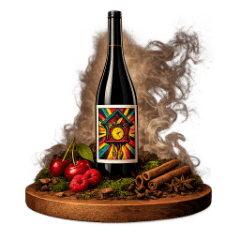
German Spätburgunder
Forget everything you thought you knew about this region being only for sweet white wines. This red is proof that climate change and serious ambition have created a worthy rival to French classics, delivering earthiness and spice.
Forget everything you thought you knew about this region being only for sweet white wines. This red is proof that climate change and serious ambition have created a worthy rival to French classics, delivering earthiness and spice.
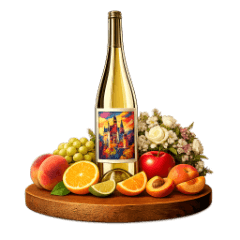
German Müller-Thurgau
Often underestimated, this crossbreed delivers a glass full of unpretentious joy. It is not trying to be a complex masterpiece but rather serves as a reliable, aromatic companion for everyday moments when you just want refreshment.
Often underestimated, this crossbreed delivers a glass full of unpretentious joy. It is not trying to be a complex masterpiece but rather serves as a reliable, aromatic companion for everyday moments when you just want refreshment.
LATEST REVIEWS