«
Washington State

Walla Walla Valley
Walla Walla Valley
Walla Walla Valley
Bold Red Country
Spanning the border between Washington and Oregon, this place is where serious Cabernet Sauvignon and Syrah come to play. It is widely considered the crown jewel of the Pacific Northwest wine scene, offering big flavors without the pretense.
Spanning the border between Washington and Oregon, this place is where serious Cabernet Sauvignon and Syrah come to play. It is widely considered the crown jewel of the Pacific Northwest wine scene, offering big flavors without the pretense.
Spanning the border between Washington and Oregon, this place is where serious Cabernet Sauvignon and Syrah come to play. It is widely considered the crown jewel of the Pacific Northwest wine scene, offering big flavors without the pretense.
LEADERS



HELPERS





Why it's unique
Family owned
World class
Intimate vibe
It isn't just a funny name that you can't stop saying. This area houses some of the most prestigious wineries in the state, mostly family-owned operations that have exploded in quality over the last few decades. You have this incredible mix of old-school farming vibes and world-class winemaking that produces bottles rivaling anything from California. It feels intimate yet executes on a global scale.
It isn't just a funny name that you can't stop saying. This area houses some of the most prestigious wineries in the state, mostly family-owned operations that have exploded in quality over the last few decades. You have this incredible mix of old-school farming vibes and world-class winemaking that produces bottles rivaling anything from California. It feels intimate yet executes on a global scale.
It isn't just a funny name that you can't stop saying. This area houses some of the most prestigious wineries in the state, mostly family-owned operations that have exploded in quality over the last few decades. You have this incredible mix of old-school farming vibes and world-class winemaking that produces bottles rivaling anything from California. It feels intimate yet executes on a global scale.
Terroir
Basalt bedrock
Hot stones
Flood deposits
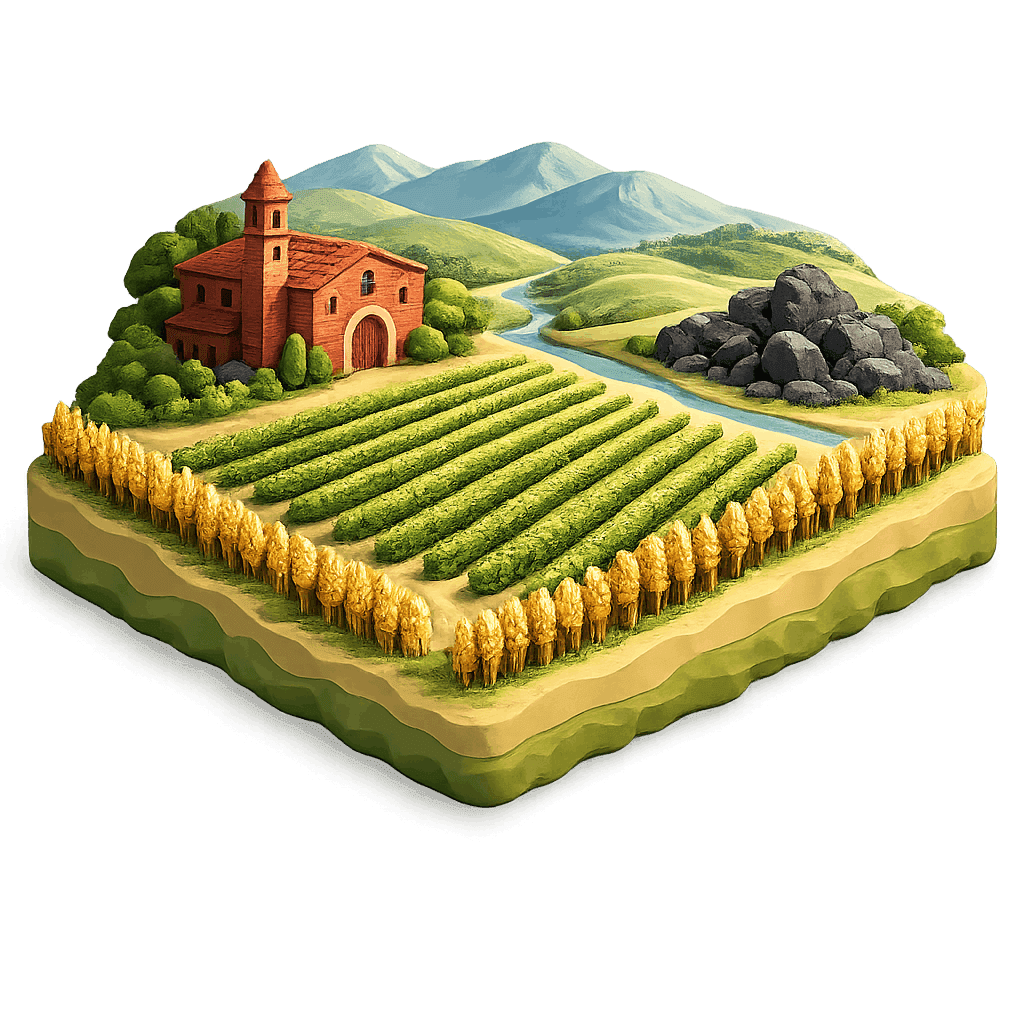
Basalt bedrock dominates the landscape here, but the real magic happens in the stones. The famous Rocks District features baseball-sized cobblestones that absorb heat during the day and radiate it back at night, preventing freezing and ripening Syrah to perfection. Add in the Missoula Floods soil deposits, and you get complexity that makes geologists swoon while offering incredible drainage for the roots.
Basalt bedrock dominates the landscape here, but the real magic happens in the stones. The famous Rocks District features baseball-sized cobblestones that absorb heat during the day and radiate it back at night, preventing freezing and ripening Syrah to perfection. Add in the Missoula Floods soil deposits, and you get complexity that makes geologists swoon while offering incredible drainage for the roots.
Basalt bedrock dominates the landscape here, but the real magic happens in the stones. The famous Rocks District features baseball-sized cobblestones that absorb heat during the day and radiate it back at night, preventing freezing and ripening Syrah to perfection. Add in the Missoula Floods soil deposits, and you get complexity that makes geologists swoon while offering incredible drainage for the roots.
You gotta try
Cabernet Sauvignon
Funky Syrah
Plush Merlot
Cabernet Sauvignon reigns supreme here, delivering structure and dark fruit that will knock your socks off. However, Syrah from the stony soils is the funky, savory wild child you need to meet. It tastes like olive tapenade, bacon fat, and pure joy. Merlot is also making a serious comeback, offering plush textures that put the movie Sideways to shame.
Cabernet Sauvignon reigns supreme here, delivering structure and dark fruit that will knock your socks off. However, Syrah from the stony soils is the funky, savory wild child you need to meet. It tastes like olive tapenade, bacon fat, and pure joy. Merlot is also making a serious comeback, offering plush textures that put the movie Sideways to shame.
Cabernet Sauvignon reigns supreme here, delivering structure and dark fruit that will knock your socks off. However, Syrah from the stony soils is the funky, savory wild child you need to meet. It tastes like olive tapenade, bacon fat, and pure joy. Merlot is also making a serious comeback, offering plush textures that put the movie Sideways to shame.
LOCAL TALES
A Trapper's Delight
A Trapper's Delight
A Trapper's Delight
Long before anyone thought about fermenting juice here, French-Canadian fur trappers working for the Hudson's Bay Company stumbled upon this valley. They named it after the local indigenous term meaning 'many waters.' Those early settlers weren't planting Cabernet Sauvignon just yet. They were mostly focused on survival and trade. However, Italian immigrants arriving in the late 1800s saw something different in the soil. They planted Cinsault—then called Black Prince—in family gardens, keeping the winemaking spirit alive even when commercial efforts froze. It took a while to catch on, but those initial vines whispered a promise of the greatness to come, showing that this land was meant for more than just trapping beavers.
Long before anyone thought about fermenting juice here, French-Canadian fur trappers working for the Hudson's Bay Company stumbled upon this valley. They named it after the local indigenous term meaning 'many waters.' Those early settlers weren't planting Cabernet Sauvignon just yet. They were mostly focused on survival and trade. However, Italian immigrants arriving in the late 1800s saw something different in the soil. They planted Cinsault—then called Black Prince—in family gardens, keeping the winemaking spirit alive even when commercial efforts froze. It took a while to catch on, but those initial vines whispered a promise of the greatness to come, showing that this land was meant for more than just trapping beavers.
Long before anyone thought about fermenting juice here, French-Canadian fur trappers working for the Hudson's Bay Company stumbled upon this valley. They named it after the local indigenous term meaning 'many waters.' Those early settlers weren't planting Cabernet Sauvignon just yet. They were mostly focused on survival and trade. However, Italian immigrants arriving in the late 1800s saw something different in the soil. They planted Cinsault—then called Black Prince—in family gardens, keeping the winemaking spirit alive even when commercial efforts froze. It took a while to catch on, but those initial vines whispered a promise of the greatness to come, showing that this land was meant for more than just trapping beavers.
The Garage Revolution
The Garage Revolution
The Garage Revolution
Modern winemaking here didn't start in a castle. It started in a garage. In 1977, Gary Figgins founded Leonetti Cellar, the first commercial winery in the modern era of the valley. He wasn't trying to copy Bordeaux or Napa initially - he just wanted to make good wine for his friends and family. But when wine critics got a taste of his Cabernet Sauvignon, heads exploded. Suddenly, this quiet farming town famous for sweet onions was on the map as a serious wine destination. That one act of garage experimentation sparked a boom that transformed the region into a powerhouse with over a hundred wineries today.
Modern winemaking here didn't start in a castle. It started in a garage. In 1977, Gary Figgins founded Leonetti Cellar, the first commercial winery in the modern era of the valley. He wasn't trying to copy Bordeaux or Napa initially - he just wanted to make good wine for his friends and family. But when wine critics got a taste of his Cabernet Sauvignon, heads exploded. Suddenly, this quiet farming town famous for sweet onions was on the map as a serious wine destination. That one act of garage experimentation sparked a boom that transformed the region into a powerhouse with over a hundred wineries today.
Modern winemaking here didn't start in a castle. It started in a garage. In 1977, Gary Figgins founded Leonetti Cellar, the first commercial winery in the modern era of the valley. He wasn't trying to copy Bordeaux or Napa initially - he just wanted to make good wine for his friends and family. But when wine critics got a taste of his Cabernet Sauvignon, heads exploded. Suddenly, this quiet farming town famous for sweet onions was on the map as a serious wine destination. That one act of garage experimentation sparked a boom that transformed the region into a powerhouse with over a hundred wineries today.
Rocks versus Onions
Rocks versus Onions
Rocks versus Onions
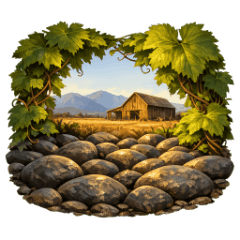
You cannot talk about this place without mentioning the sweet onions that dominated the economy for decades. For a long time, locals laughed at the idea of replacing profitable onion fields with finicky vines. But then came the realization about the Rocks District of Milton-Freewater. This sub-region is covered in massive cobblestones that look like a moonscape. It turns out that these rocks are terrible for onions but miraculous for Syrah. The stones radiate heat at night, creating wines with savory, funky notes that you can't find anywhere else in the New World. Now, the rocks are just as famous as the veggies.
You cannot talk about this place without mentioning the sweet onions that dominated the economy for decades. For a long time, locals laughed at the idea of replacing profitable onion fields with finicky vines. But then came the realization about the Rocks District of Milton-Freewater. This sub-region is covered in massive cobblestones that look like a moonscape. It turns out that these rocks are terrible for onions but miraculous for Syrah. The stones radiate heat at night, creating wines with savory, funky notes that you can't find anywhere else in the New World. Now, the rocks are just as famous as the veggies.
You cannot talk about this place without mentioning the sweet onions that dominated the economy for decades. For a long time, locals laughed at the idea of replacing profitable onion fields with finicky vines. But then came the realization about the Rocks District of Milton-Freewater. This sub-region is covered in massive cobblestones that look like a moonscape. It turns out that these rocks are terrible for onions but miraculous for Syrah. The stones radiate heat at night, creating wines with savory, funky notes that you can't find anywhere else in the New World. Now, the rocks are just as famous as the veggies.
LOCAL WINE STYLES
Washington Cabernet Sauvignon
Imagine Napa Valley took a vacation in the high desert and learned to chill out. That is essentially what we have here. Powerful fruit meets savory earthiness in a glass that costs half as much as its Californian cousins.
Imagine Napa Valley took a vacation in the high desert and learned to chill out. That is essentially what we have here. Powerful fruit meets savory earthiness in a glass that costs half as much as its Californian cousins.
Imagine Napa Valley took a vacation in the high desert and learned to chill out. That is essentially what we have here. Powerful fruit meets savory earthiness in a glass that costs half as much as its Californian cousins.
Washington Merlot
While California made Merlot famous (and then infamous), the Pacific Northwest perfected the balance. Think of this as the goldilocks zone where massive fruit meets serious structure, proving that Sideways got it completely wrong about this noble contender.
While California made Merlot famous (and then infamous), the Pacific Northwest perfected the balance. Think of this as the goldilocks zone where massive fruit meets serious structure, proving that Sideways got it completely wrong about this noble contender.
While California made Merlot famous (and then infamous), the Pacific Northwest perfected the balance. Think of this as the goldilocks zone where massive fruit meets serious structure, proving that Sideways got it completely wrong about this noble contender.
LATEST REVIEWS