«
BROWSE ALL
Washington State
Washington State

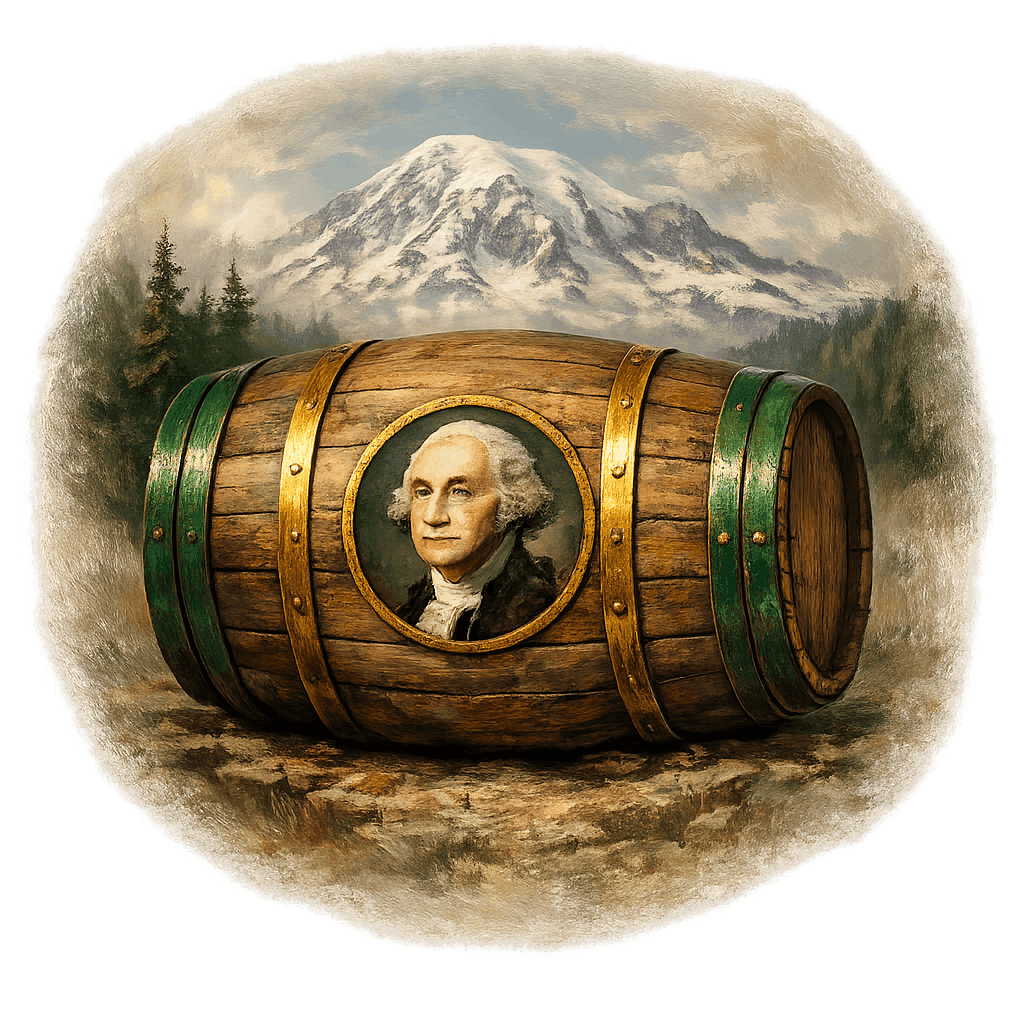
Forget the rainy stereotypes associated with Seattle because this region creates magic in an arid, high desert caused by a massive rain shadow. It is a land where ancient floods carved the soil and distinct diurnal shifts keep acidity razor-sharp.
Forget the rainy stereotypes associated with Seattle because this region creates magic in an arid, high desert caused by a massive rain shadow. It is a land where ancient floods carved the soil and distinct diurnal shifts keep acidity razor-sharp.
Forget the rainy stereotypes associated with Seattle because this region creates magic in an arid, high desert caused by a massive rain shadow. It is a land where ancient floods carved the soil and distinct diurnal shifts keep acidity razor-sharp.
What it's about
Desert Viticulture
Value Powerhouse
Irrigation Essential
Ranking as the second-largest premium wine producer in the United States, this powerhouse industry operates almost entirely on the dry, eastern side of the Cascade Mountains. With over 1,000 wineries and roughly 50,000 planted acres, the vibe here is distinctly agricultural yet ambitious. They produce world-class Cabernet Sauvignon and Merlot that rival Napa for a fraction of the price, alongside killer Syrah and crisp Riesling that benefit from long, sun-drenched days and cool nights.
Ranking as the second-largest premium wine producer in the United States, this powerhouse industry operates almost entirely on the dry, eastern side of the Cascade Mountains. With over 1,000 wineries and roughly 50,000 planted acres, the vibe here is distinctly agricultural yet ambitious. They produce world-class Cabernet Sauvignon and Merlot that rival Napa for a fraction of the price, alongside killer Syrah and crisp Riesling that benefit from long, sun-drenched days and cool nights.
Ranking as the second-largest premium wine producer in the United States, this powerhouse industry operates almost entirely on the dry, eastern side of the Cascade Mountains. With over 1,000 wineries and roughly 50,000 planted acres, the vibe here is distinctly agricultural yet ambitious. They produce world-class Cabernet Sauvignon and Merlot that rival Napa for a fraction of the price, alongside killer Syrah and crisp Riesling that benefit from long, sun-drenched days and cool nights.
What they're proud of
Balanced Intensity
Community Spirit
Smart Luxury
Producers here champion a style often described as "New World fruit with Old World structure," boasting pure, concentrated flavors without being jammy. They take immense pride in their collaborative, unpretentious community where neighbors share tractors and tank space. Additionally, scoring consistent 100-point ratings for their Cabernet blends while keeping tasting fees reasonable makes them feel like the smart, accessible alternative to their expensive southern cousins in California.
Producers here champion a style often described as "New World fruit with Old World structure," boasting pure, concentrated flavors without being jammy. They take immense pride in their collaborative, unpretentious community where neighbors share tractors and tank space. Additionally, scoring consistent 100-point ratings for their Cabernet blends while keeping tasting fees reasonable makes them feel like the smart, accessible alternative to their expensive southern cousins in California.
Producers here champion a style often described as "New World fruit with Old World structure," boasting pure, concentrated flavors without being jammy. They take immense pride in their collaborative, unpretentious community where neighbors share tractors and tank space. Additionally, scoring consistent 100-point ratings for their Cabernet blends while keeping tasting fees reasonable makes them feel like the smart, accessible alternative to their expensive southern cousins in California.
WHAT'S TRENDING
Certified Sustainable
Funky Syrah
Crisp Whites
Sustainable farming is the hot topic, with the new "Sustainable WA" certification gaining massive traction among growers. Winemakers are also obsessed with the "Rocks District" of Milton-Freewater (which is technically just across the border in Oregon), creating funky, savory Syrahs that taste like olive tapenade and cured meat. On the lighter side, there is a surge in high-acid white wines like Chenin Blanc and Sauvignon Blanc, proving the region isn't just a one-trick red pony.
Sustainable farming is the hot topic, with the new "Sustainable WA" certification gaining massive traction among growers. Winemakers are also obsessed with the "Rocks District" of Milton-Freewater (which is technically just across the border in Oregon), creating funky, savory Syrahs that taste like olive tapenade and cured meat. On the lighter side, there is a surge in high-acid white wines like Chenin Blanc and Sauvignon Blanc, proving the region isn't just a one-trick red pony.
Sustainable farming is the hot topic, with the new "Sustainable WA" certification gaining massive traction among growers. Winemakers are also obsessed with the "Rocks District" of Milton-Freewater (which is technically just across the border in Oregon), creating funky, savory Syrahs that taste like olive tapenade and cured meat. On the lighter side, there is a surge in high-acid white wines like Chenin Blanc and Sauvignon Blanc, proving the region isn't just a one-trick red pony.
LOCAL TALES
The Cataclysmic Bath
The Cataclysmic Bath
The Cataclysmic Bath
Before there were vines, there was a lot of water. We are talking about the Missoula Floods, a series of ice age apocalypses that happened some 15,000 years ago. An ice dam in Montana would repeatedly break, unleashing a wall of water as tall as a skyscraper that tore across the Pacific Northwest at highway speeds. This violent wash cycle stripped away topsoil in some places and deposited massive amounts of silt, gravel, and granite boulders (erratics) in others. It basically rearranged the entire furniture of the Columbia Valley, creating the complex, well-draining soil profile that vines struggle in today. It’s geology with a vengeance.
Before there were vines, there was a lot of water. We are talking about the Missoula Floods, a series of ice age apocalypses that happened some 15,000 years ago. An ice dam in Montana would repeatedly break, unleashing a wall of water as tall as a skyscraper that tore across the Pacific Northwest at highway speeds. This violent wash cycle stripped away topsoil in some places and deposited massive amounts of silt, gravel, and granite boulders (erratics) in others. It basically rearranged the entire furniture of the Columbia Valley, creating the complex, well-draining soil profile that vines struggle in today. It’s geology with a vengeance.
The Teetotaling Father
The Teetotaling Father
The Teetotaling Father
It is ironic that the "Father of Washington Wine" grew up in a strict, alcohol-free Methodist household during Prohibition. Dr. Walter Clore arrived in 1937 as a horticulturist and spent decades acting like a Johnny Grapeseed of the desert. While everyone else was farming concord grapes for jelly, he obsessively tested hundreds of European varieties to see if they could survive the freezing winters. He proved that premium vinifera could thrive in the sagebrush. He didn't just plant vines, he convinced skeptical farmers that their dusty land was actually a goldmine for Cabernet and Riesling. He is the reason you are drinking distinct reds instead of grape juice.
It is ironic that the "Father of Washington Wine" grew up in a strict, alcohol-free Methodist household during Prohibition. Dr. Walter Clore arrived in 1937 as a horticulturist and spent decades acting like a Johnny Grapeseed of the desert. While everyone else was farming concord grapes for jelly, he obsessively tested hundreds of European varieties to see if they could survive the freezing winters. He proved that premium vinifera could thrive in the sagebrush. He didn't just plant vines, he convinced skeptical farmers that their dusty land was actually a goldmine for Cabernet and Riesling. He is the reason you are drinking distinct reds instead of grape juice.
Onions to Icons
Onions to Icons
Onions to Icons
Walla Walla wasn't always the Napa of the North, for the longest time, it was famous for exactly one thing: sweet onions. The transition to wine wasn't an overnight corporate takeover but a garage movement led by locals. In the 1970s, childhood friends like Gary Figgins of Leonetti Cellar and Rick Small of Woodward Canyon started making wine in literal sheds and garages, not fancy chateaus. They were wheat farmers and machinists who just happened to produce wines that stunned critics. Today, you can still buy the famous onions at the gas station, but the real souvenir is a bottle of world-class Merlot from the same soil.
Walla Walla wasn't always the Napa of the North, for the longest time, it was famous for exactly one thing: sweet onions. The transition to wine wasn't an overnight corporate takeover but a garage movement led by locals. In the 1970s, childhood friends like Gary Figgins of Leonetti Cellar and Rick Small of Woodward Canyon started making wine in literal sheds and garages, not fancy chateaus. They were wheat farmers and machinists who just happened to produce wines that stunned critics. Today, you can still buy the famous onions at the gas station, but the real souvenir is a bottle of world-class Merlot from the same soil.
REGIONS
Walla Walla Valley
Spanning the border between Washington and Oregon, this place is where serious Cabernet Sauvignon and Syrah come to play. It is widely considered the crown jewel of the Pacific Northwest wine scene, offering big flavors without the pretense.
Spanning the border between Washington and Oregon, this place is where serious Cabernet Sauvignon and Syrah come to play. It is widely considered the crown jewel of the Pacific Northwest wine scene, offering big flavors without the pretense.
Columbia Valley
Imagine a colossal fruit bowl that covers almost the entire state. This massive AVA is the parent to almost every other sub-region in Washington, acting as the beating heart of the Pacific Northwest wine scene.
Imagine a colossal fruit bowl that covers almost the entire state. This massive AVA is the parent to almost every other sub-region in Washington, acting as the beating heart of the Pacific Northwest wine scene.
SUB-REGIONS
Yakima Valley
(
Columbia Valley
)
Consider this the bedrock of Washington wine because it was the very first federally recognized region in the Pacific Northwest. It is a massive agricultural beast growing everything from apples to mint, but the vines are the true royalty.
Consider this the bedrock of Washington wine because it was the very first federally recognized region in the Pacific Northwest. It is a massive agricultural beast growing everything from apples to mint, but the vines are the true royalty.
Red Mountain
(
Columbia Valley
)
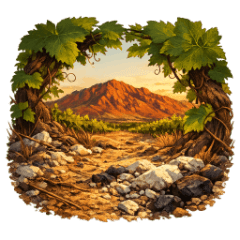
Don't let the acreage fool you because this postage stamp of an AVA packs a wallop. It is Washington's warmest growing region, producing wines with enough structure to outlive your pet tortoise and your mortgage.
Don't let the acreage fool you because this postage stamp of an AVA packs a wallop. It is Washington's warmest growing region, producing wines with enough structure to outlive your pet tortoise and your mortgage.
WINE STYLES
Washington Cabernet Sauvignon
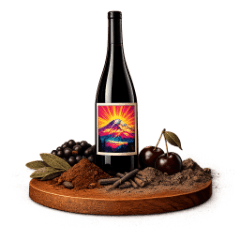
Imagine Napa Valley took a vacation in the high desert and learned to chill out. That is essentially what we have here. Powerful fruit meets savory earthiness in a glass that costs half as much as its Californian cousins.
Imagine Napa Valley took a vacation in the high desert and learned to chill out. That is essentially what we have here. Powerful fruit meets savory earthiness in a glass that costs half as much as its Californian cousins.
Imagine Napa Valley took a vacation in the high desert and learned to chill out. That is essentially what we have here. Powerful fruit meets savory earthiness in a glass that costs half as much as its Californian cousins.
Washington Merlot
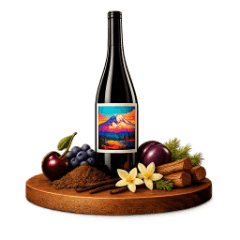
While California made Merlot famous (and then infamous), the Pacific Northwest perfected the balance. Think of this as the goldilocks zone where massive fruit meets serious structure, proving that Sideways got it completely wrong about this noble contender.
While California made Merlot famous (and then infamous), the Pacific Northwest perfected the balance. Think of this as the goldilocks zone where massive fruit meets serious structure, proving that Sideways got it completely wrong about this noble contender.
While California made Merlot famous (and then infamous), the Pacific Northwest perfected the balance. Think of this as the goldilocks zone where massive fruit meets serious structure, proving that Sideways got it completely wrong about this noble contender.
LATEST REVIEWS