«
Brazil

Serra Gaúcha
Serra Gaúcha
Serra Gaúcha
Tropical Sparkling Heights
Forget everything you know about Rio carnivals because down south, things get misty and Italian. It is the powerhouse of Brazilian viticulture where fizzy wines reign supreme and pasta is practically a religion.
Forget everything you know about Rio carnivals because down south, things get misty and Italian. It is the powerhouse of Brazilian viticulture where fizzy wines reign supreme and pasta is practically a religion.
Forget everything you know about Rio carnivals because down south, things get misty and Italian. It is the powerhouse of Brazilian viticulture where fizzy wines reign supreme and pasta is practically a religion.
LEADERS




HELPERS







Why it's unique
Italian Heritage
Bubbly Capital
South America
Imagine finding a slice of Veneto hidden in South America. Massive waves of Italian immigrants settled here in the late 1800s and, realizing the cool hills were useless for coffee, planted vineyards everywhere. Today, this area produces the vast majority of Brazil's total wine, but the real party trick is the sparkling production, which honestly gives Champagne a run for its money at a fraction of the price.
Imagine finding a slice of Veneto hidden in South America. Massive waves of Italian immigrants settled here in the late 1800s and, realizing the cool hills were useless for coffee, planted vineyards everywhere. Today, this area produces the vast majority of Brazil's total wine, but the real party trick is the sparkling production, which honestly gives Champagne a run for its money at a fraction of the price.
Imagine finding a slice of Veneto hidden in South America. Massive waves of Italian immigrants settled here in the late 1800s and, realizing the cool hills were useless for coffee, planted vineyards everywhere. Today, this area produces the vast majority of Brazil's total wine, but the real party trick is the sparkling production, which honestly gives Champagne a run for its money at a fraction of the price.
Terroir
High Humidity
Volcanic Basalt
Cool Elevation
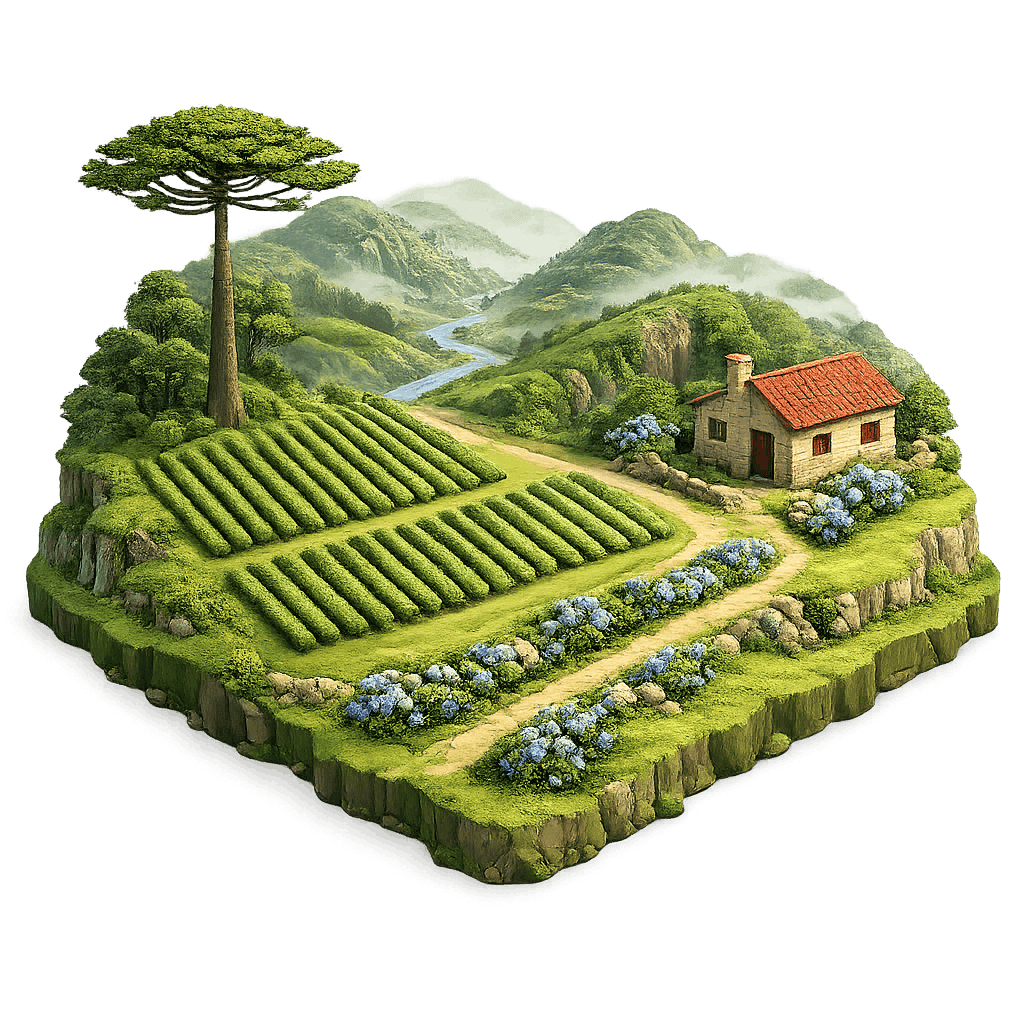
Humidity is the frenemy here. High rainfall makes rot a constant threat, so quality growers use vertical trellising to keep grapes dry and healthy. The basalt soils offer great drainage, and the altitude—sitting around 600 meters or more—keeps the acidity razor-sharp. That natural freshness is exactly why the bubbly stuff tastes so electric compared to the heavier reds that struggle to ripen fully.
Humidity is the frenemy here. High rainfall makes rot a constant threat, so quality growers use vertical trellising to keep grapes dry and healthy. The basalt soils offer great drainage, and the altitude—sitting around 600 meters or more—keeps the acidity razor-sharp. That natural freshness is exactly why the bubbly stuff tastes so electric compared to the heavier reds that struggle to ripen fully.
Humidity is the frenemy here. High rainfall makes rot a constant threat, so quality growers use vertical trellising to keep grapes dry and healthy. The basalt soils offer great drainage, and the altitude—sitting around 600 meters or more—keeps the acidity razor-sharp. That natural freshness is exactly why the bubbly stuff tastes so electric compared to the heavier reds that struggle to ripen fully.
You gotta try
Fresh Espumante
Floral Moscatel
Fruity Merlot
Grab a bottle of Espumante immediately. If you have a sweet tooth, Moscatel styles are dangerously drinkable, bursting with flowers and peaches. For serious drinkers, look for sparkling wines made via the traditional method using Chardonnay and Pinot Noir. They are crisp, yeasty, and delightfully complex. Merlot also does surprisingly well here if you absolutely need something red and fruity to pair with barbecue.
Grab a bottle of Espumante immediately. If you have a sweet tooth, Moscatel styles are dangerously drinkable, bursting with flowers and peaches. For serious drinkers, look for sparkling wines made via the traditional method using Chardonnay and Pinot Noir. They are crisp, yeasty, and delightfully complex. Merlot also does surprisingly well here if you absolutely need something red and fruity to pair with barbecue.
Grab a bottle of Espumante immediately. If you have a sweet tooth, Moscatel styles are dangerously drinkable, bursting with flowers and peaches. For serious drinkers, look for sparkling wines made via the traditional method using Chardonnay and Pinot Noir. They are crisp, yeasty, and delightfully complex. Merlot also does surprisingly well here if you absolutely need something red and fruity to pair with barbecue.
LOCAL TALES
The Isabel Survival Guide
The Isabel Survival Guide
The Isabel Survival Guide
Back in 1875, thousands of Italians from Veneto and Trentino arrived here expecting paradise but found a wild jungle instead. They named the main settlement after Princess Isabel, but the vibe was strictly Italian survival mode. Since European vines died and wheat struggled on these slopes, the settlers turned to a rugged survivor. Specifically, they planted Isabel. No, not the princess, but a hearty American hybrid that could survive the intense humidity without dying of fungal diseases. It wasn't fancy fine wine, but it was fuel for the hard work of clearing forests and building homes. It took nearly a century for them to swap those rustic plants for noble European ones, but that stubborn spirit remains.
Back in 1875, thousands of Italians from Veneto and Trentino arrived here expecting paradise but found a wild jungle instead. They named the main settlement after Princess Isabel, but the vibe was strictly Italian survival mode. Since European vines died and wheat struggled on these slopes, the settlers turned to a rugged survivor. Specifically, they planted Isabel. No, not the princess, but a hearty American hybrid that could survive the intense humidity without dying of fungal diseases. It wasn't fancy fine wine, but it was fuel for the hard work of clearing forests and building homes. It took nearly a century for them to swap those rustic plants for noble European ones, but that stubborn spirit remains.
Back in 1875, thousands of Italians from Veneto and Trentino arrived here expecting paradise but found a wild jungle instead. They named the main settlement after Princess Isabel, but the vibe was strictly Italian survival mode. Since European vines died and wheat struggled on these slopes, the settlers turned to a rugged survivor. Specifically, they planted Isabel. No, not the princess, but a hearty American hybrid that could survive the intense humidity without dying of fungal diseases. It wasn't fancy fine wine, but it was fuel for the hard work of clearing forests and building homes. It took nearly a century for them to swap those rustic plants for noble European ones, but that stubborn spirit remains.
The French Invasion
The French Invasion
The French Invasion
While the locals were happily making table wine for decades, the French were watching. In the 1970s, the big champagne house Chandon sniffed around and realized the basalt soil and climate in Serra Gaúcha were actually perfect for high-quality bubbles. They set up shop, and suddenly, the game changed forever. It wasn't just about rustic jugs of red anymore. The arrival of international expertise forced local families to upgrade their technology and start taking fizz seriously. It kicked off a quality revolution that transformed the region from a bulk producer into the sparkling wine capital of Latin America. Now, pretty much every cellar door greets you with a loud pop.
While the locals were happily making table wine for decades, the French were watching. In the 1970s, the big champagne house Chandon sniffed around and realized the basalt soil and climate in Serra Gaúcha were actually perfect for high-quality bubbles. They set up shop, and suddenly, the game changed forever. It wasn't just about rustic jugs of red anymore. The arrival of international expertise forced local families to upgrade their technology and start taking fizz seriously. It kicked off a quality revolution that transformed the region from a bulk producer into the sparkling wine capital of Latin America. Now, pretty much every cellar door greets you with a loud pop.
While the locals were happily making table wine for decades, the French were watching. In the 1970s, the big champagne house Chandon sniffed around and realized the basalt soil and climate in Serra Gaúcha were actually perfect for high-quality bubbles. They set up shop, and suddenly, the game changed forever. It wasn't just about rustic jugs of red anymore. The arrival of international expertise forced local families to upgrade their technology and start taking fizz seriously. It kicked off a quality revolution that transformed the region from a bulk producer into the sparkling wine capital of Latin America. Now, pretty much every cellar door greets you with a loud pop.
Winning the Badge
Winning the Badge
Winning the Badge
Getting respect in the wine world is harder than keeping a white shirt clean at a tomato fight. Brazil was long dismissed as too hot or too wet for serious viticulture. The producers in Vale dos Vinhedos decided to prove everyone wrong. They mapped their soils, tracked the climate, and enforced strict rules on yields. In 2012, their hard work paid off when Vale dos Vinhedos became the first official Denomination of Origin in the country. It was a massive mic-drop moment that told the world Brazil had arrived. Now, seeing that D.O. seal on a bottle is a guarantee that you are drinking quality history rather than just fermented grape juice.
Getting respect in the wine world is harder than keeping a white shirt clean at a tomato fight. Brazil was long dismissed as too hot or too wet for serious viticulture. The producers in Vale dos Vinhedos decided to prove everyone wrong. They mapped their soils, tracked the climate, and enforced strict rules on yields. In 2012, their hard work paid off when Vale dos Vinhedos became the first official Denomination of Origin in the country. It was a massive mic-drop moment that told the world Brazil had arrived. Now, seeing that D.O. seal on a bottle is a guarantee that you are drinking quality history rather than just fermented grape juice.
Getting respect in the wine world is harder than keeping a white shirt clean at a tomato fight. Brazil was long dismissed as too hot or too wet for serious viticulture. The producers in Vale dos Vinhedos decided to prove everyone wrong. They mapped their soils, tracked the climate, and enforced strict rules on yields. In 2012, their hard work paid off when Vale dos Vinhedos became the first official Denomination of Origin in the country. It was a massive mic-drop moment that told the world Brazil had arrived. Now, seeing that D.O. seal on a bottle is a guarantee that you are drinking quality history rather than just fermented grape juice.
LOCAL WINE STYLES
Serra Gaúcha Sparkling Wine
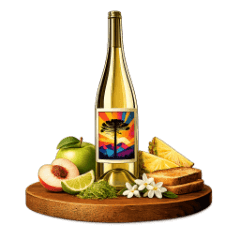
Imagine Champagne decided to take a permanent vacation to South America and learned how to dance. These bubbles are fresh, zesty, and pack way more quality than you expect, proving Brazil isn't just about Caipirinhas.
Imagine Champagne decided to take a permanent vacation to South America and learned how to dance. These bubbles are fresh, zesty, and pack way more quality than you expect, proving Brazil isn't just about Caipirinhas.
Imagine Champagne decided to take a permanent vacation to South America and learned how to dance. These bubbles are fresh, zesty, and pack way more quality than you expect, proving Brazil isn't just about Caipirinhas.
Vale dos Vinhedos Merlot
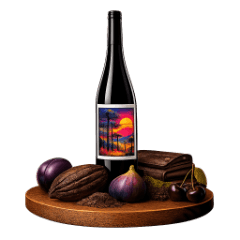
While neighbors chase bubbles, this region proves it can do serious reds too. It offers a soft, fruity hug that feels like a cozy weekend in the mountains, blending lush fruit with earthy elegance perfectly.
While neighbors chase bubbles, this region proves it can do serious reds too. It offers a soft, fruity hug that feels like a cozy weekend in the mountains, blending lush fruit with earthy elegance perfectly.
While neighbors chase bubbles, this region proves it can do serious reds too. It offers a soft, fruity hug that feels like a cozy weekend in the mountains, blending lush fruit with earthy elegance perfectly.
LATEST REVIEWS