«
BROWSE ALL
Brazil
Brazil

Imagine a place where vineyards often share the view with banana trees. While you might expect endless Caipirinhas, this massive nation is secretly fermenting a storm, proving that tropical vibes and serious winemaking actually mix quite well.
Imagine a place where vineyards often share the view with banana trees. While you might expect endless Caipirinhas, this massive nation is secretly fermenting a storm, proving that tropical vibes and serious winemaking actually mix quite well.
Imagine a place where vineyards often share the view with banana trees. While you might expect endless Caipirinhas, this massive nation is secretly fermenting a storm, proving that tropical vibes and serious winemaking actually mix quite well.

What it's about
South America
Huge Production
Domestic Consumption
While neighbors Argentina and Chile get most of the global glory, this country stands as the fifth-largest wine producer in the Southern Hemisphere. It is a sleeping dragon that happily drinks most of its own supply. Production is heavily concentrated in the south, where Italian heritage runs deep, but the industry is aggressively expanding northward into unexpected tropical zones using some truly wild farming tricks.
While neighbors Argentina and Chile get most of the global glory, this country stands as the fifth-largest wine producer in the Southern Hemisphere. It is a sleeping dragon that happily drinks most of its own supply. Production is heavily concentrated in the south, where Italian heritage runs deep, but the industry is aggressively expanding northward into unexpected tropical zones using some truly wild farming tricks.
While neighbors Argentina and Chile get most of the global glory, this country stands as the fifth-largest wine producer in the Southern Hemisphere. It is a sleeping dragon that happily drinks most of its own supply. Production is heavily concentrated in the south, where Italian heritage runs deep, but the industry is aggressively expanding northward into unexpected tropical zones using some truly wild farming tricks.
What they're proud of
Sparkling Wine
Serra Gaúcha
World Class
Brazilians know they make the best bubbles in Latin America. They are obsessed with their Espumante, made via both Traditional and Charmat methods. The region of Serra Gaúcha is their crown jewel, recently earning the first dedicated sparkling wine Designation of Origin in the New World (Altos de Pinto Bandeira). It is their liquid pride and joy, often beating Champagne in blind tastings.
Brazilians know they make the best bubbles in Latin America. They are obsessed with their Espumante, made via both Traditional and Charmat methods. The region of Serra Gaúcha is their crown jewel, recently earning the first dedicated sparkling wine Designation of Origin in the New World (Altos de Pinto Bandeira). It is their liquid pride and joy, often beating Champagne in blind tastings.
Brazilians know they make the best bubbles in Latin America. They are obsessed with their Espumante, made via both Traditional and Charmat methods. The region of Serra Gaúcha is their crown jewel, recently earning the first dedicated sparkling wine Designation of Origin in the New World (Altos de Pinto Bandeira). It is their liquid pride and joy, often beating Champagne in blind tastings.
WHAT'S TRENDING
Winter Wines
Double Pruning
Tropical Tech
Winter harvest is the hottest cool thing right now. By pruning vines twice, winemakers in Minas Gerais and São Paulo force vines to fruit during the dry winter instead of the wet summer. It is called "Double Pruning," and it is producing high-quality Syrah and Sauvignon Blanc that are shocking critics with their elegance. It is essentially hacking nature to make fine wine in the tropics.
Winter harvest is the hottest cool thing right now. By pruning vines twice, winemakers in Minas Gerais and São Paulo force vines to fruit during the dry winter instead of the wet summer. It is called "Double Pruning," and it is producing high-quality Syrah and Sauvignon Blanc that are shocking critics with their elegance. It is essentially hacking nature to make fine wine in the tropics.
Winter harvest is the hottest cool thing right now. By pruning vines twice, winemakers in Minas Gerais and São Paulo force vines to fruit during the dry winter instead of the wet summer. It is called "Double Pruning," and it is producing high-quality Syrah and Sauvignon Blanc that are shocking critics with their elegance. It is essentially hacking nature to make fine wine in the tropics.
LOCAL TALES
The Italian Twist
The Italian Twist
The Italian Twist
In 1875, a boatload of Italians landed in Rio Grande do Sul expecting a Mediterranean paradise. Instead, they found rain, humidity, and thick forests. Do you think they gave up? Absolutely not. They started planting vines everywhere, effectively turning the region into a "Little Italy" with a tropical remix. These immigrants didn't just bring pasta, they brought a wine culture so strong that today, if you visit Bento Gonçalves, you might forget you are in South America. They even influenced the national language - everyone in Brazil says "Tchau" (Ciao) when leaving. It was a struggle against the elements, but their stubborn love for fermented grapes built the foundation of the entire Brazilian wine industry.
In 1875, a boatload of Italians landed in Rio Grande do Sul expecting a Mediterranean paradise. Instead, they found rain, humidity, and thick forests. Do you think they gave up? Absolutely not. They started planting vines everywhere, effectively turning the region into a "Little Italy" with a tropical remix. These immigrants didn't just bring pasta, they brought a wine culture so strong that today, if you visit Bento Gonçalves, you might forget you are in South America. They even influenced the national language - everyone in Brazil says "Tchau" (Ciao) when leaving. It was a struggle against the elements, but their stubborn love for fermented grapes built the foundation of the entire Brazilian wine industry.
The French Validation
The French Validation
The French Validation
In the 1970s, the fancy folks at Moët & Chandon decided to scout for new territory. They looked at Argentina, they looked at Chile, and then they pointed at the Brazilian Serra Gaúcha and said, "Oui, here." They established Chandon Brazil in 1973, exclusively for sparkling wines. This wasn't just a business move, it was a massive seal of approval. It proved that despite the humidity, this terroir had the acidity and nerve to create world-class bubbles. It woke the local industry up, shifting focus from sweet table wines to serious sparkling contenders. Today, it remains one of the few Chandon subsidiaries dedicated entirely to sparkling wines, focusing solely on the fizz.
In the 1970s, the fancy folks at Moët & Chandon decided to scout for new territory. They looked at Argentina, they looked at Chile, and then they pointed at the Brazilian Serra Gaúcha and said, "Oui, here." They established Chandon Brazil in 1973, exclusively for sparkling wines. This wasn't just a business move, it was a massive seal of approval. It proved that despite the humidity, this terroir had the acidity and nerve to create world-class bubbles. It woke the local industry up, shifting focus from sweet table wines to serious sparkling contenders. Today, it remains one of the few Chandon subsidiaries dedicated entirely to sparkling wines, focusing solely on the fizz.
Hacking The Seasons
Hacking The Seasons
Hacking The Seasons
Imagine harvesting grapes in July. In the Northern Hemisphere, that is normal. In the Southern Hemisphere? It is madness. Unless you are in Brazil's southeast. Here, summer is wet - terrible for fine wine. Winter is dry and sunny - perfect. So, a researcher named Murillo de Albuquerque Regina developed "Double Pruning." Winemakers prune once in winter and again in summer, forcing the growth to go dormant during the wet heat and fruit during the dry cold. It is essentially tricking the flora into thinking it is in a different time zone. The result? "Winter Wines" that are crisp, complex, and completely redefining what tropical viticulture means. It is agronomic wizardry at its finest.
Imagine harvesting grapes in July. In the Northern Hemisphere, that is normal. In the Southern Hemisphere? It is madness. Unless you are in Brazil's southeast. Here, summer is wet - terrible for fine wine. Winter is dry and sunny - perfect. So, a researcher named Murillo de Albuquerque Regina developed "Double Pruning." Winemakers prune once in winter and again in summer, forcing the growth to go dormant during the wet heat and fruit during the dry cold. It is essentially tricking the flora into thinking it is in a different time zone. The result? "Winter Wines" that are crisp, complex, and completely redefining what tropical viticulture means. It is agronomic wizardry at its finest.
REGIONS

Serra Gaúcha
Forget everything you know about Rio carnivals because down south, things get misty and Italian. It is the powerhouse of Brazilian viticulture where fizzy wines reign supreme and pasta is practically a religion.
Forget everything you know about Rio carnivals because down south, things get misty and Italian. It is the powerhouse of Brazilian viticulture where fizzy wines reign supreme and pasta is practically a religion.

Campanha
Saddling up down here means entering a land where cowboys and vineyards share the same horizon. This spot feels more like neighboring Uruguay than the tropical postcard image of Brazil you probably have in your head.
Saddling up down here means entering a land where cowboys and vineyards share the same horizon. This spot feels more like neighboring Uruguay than the tropical postcard image of Brazil you probably have in your head.
WINE STYLES
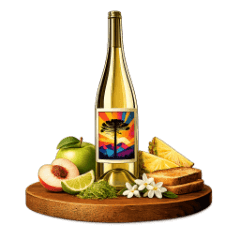
Serra Gaúcha Sparkling Wine
Imagine Champagne decided to take a permanent vacation to South America and learned how to dance. These bubbles are fresh, zesty, and pack way more quality than you expect, proving Brazil isn't just about Caipirinhas.
Imagine Champagne decided to take a permanent vacation to South America and learned how to dance. These bubbles are fresh, zesty, and pack way more quality than you expect, proving Brazil isn't just about Caipirinhas.
Imagine Champagne decided to take a permanent vacation to South America and learned how to dance. These bubbles are fresh, zesty, and pack way more quality than you expect, proving Brazil isn't just about Caipirinhas.
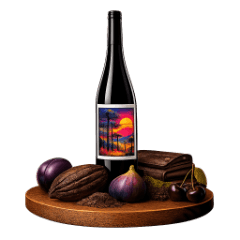
Vale dos Vinhedos Merlot
While neighbors chase bubbles, this region proves it can do serious reds too. It offers a soft, fruity hug that feels like a cozy weekend in the mountains, blending lush fruit with earthy elegance perfectly.
While neighbors chase bubbles, this region proves it can do serious reds too. It offers a soft, fruity hug that feels like a cozy weekend in the mountains, blending lush fruit with earthy elegance perfectly.
While neighbors chase bubbles, this region proves it can do serious reds too. It offers a soft, fruity hug that feels like a cozy weekend in the mountains, blending lush fruit with earthy elegance perfectly.
LATEST REVIEWS