«
Germany

Saale-Unstrut
Saale-Unstrut
Saale-Unstrut
Northernmost Medieval Terraces
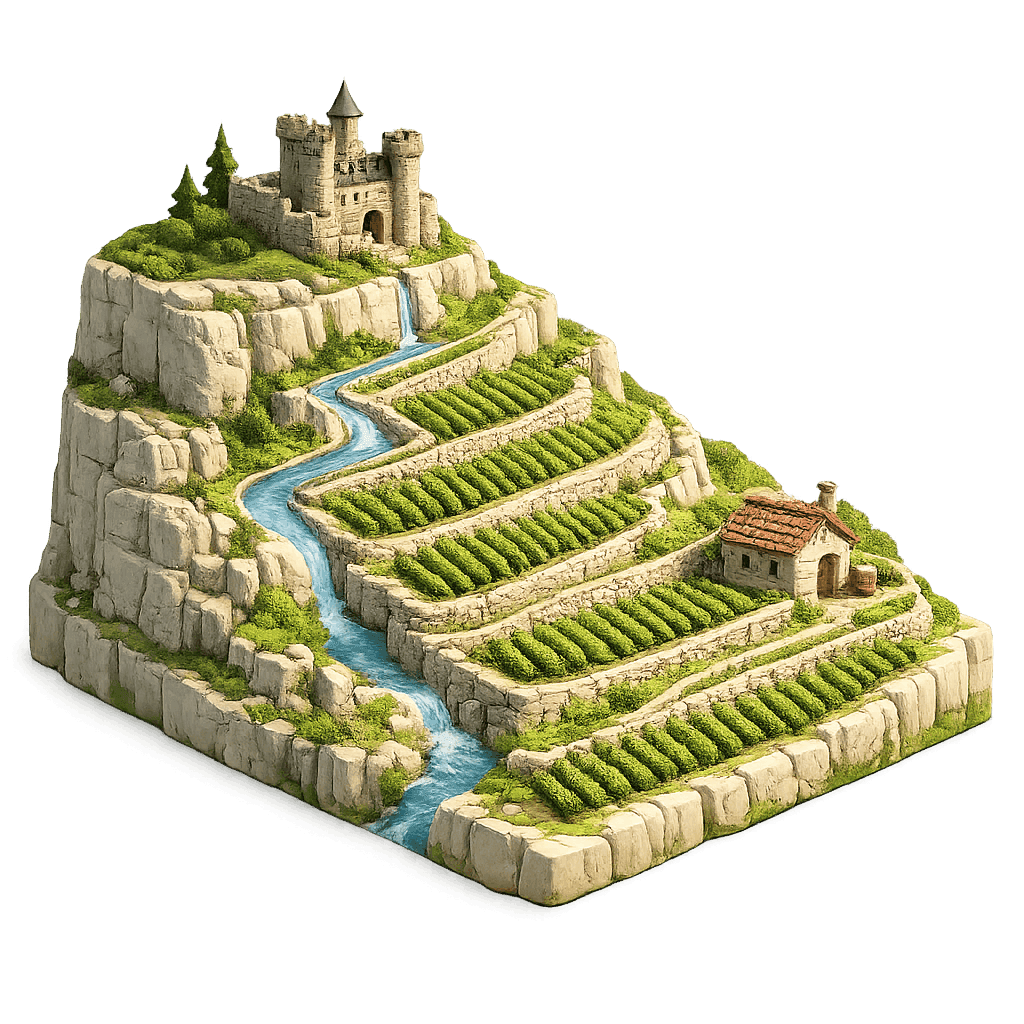
Consider this spot the chilly underdog of German winemaking that sits way up north. It marks the absolute limit of where you can reliably ripen fruit, offering crisp whites amidst castles and ancient stone walls.
Consider this spot the chilly underdog of German winemaking that sits way up north. It marks the absolute limit of where you can reliably ripen fruit, offering crisp whites amidst castles and ancient stone walls.
Consider this spot the chilly underdog of German winemaking that sits way up north. It marks the absolute limit of where you can reliably ripen fruit, offering crisp whites amidst castles and ancient stone walls.



Why it's unique
Northernmost
Rare
Local consumption
Being the northernmost quality wine region in Germany for ages gives this place serious bragging rights. It is tiny, rare, and basically a postcard come to life with terraced vineyards clinging to riverbanks. Most of the wine is drunk by the locals before it ever leaves the area, making a bottle found elsewhere a genuine unicorn. It is crisp, lean, and unapologetically fresh.
Being the northernmost quality wine region in Germany for ages gives this place serious bragging rights. It is tiny, rare, and basically a postcard come to life with terraced vineyards clinging to riverbanks. Most of the wine is drunk by the locals before it ever leaves the area, making a bottle found elsewhere a genuine unicorn. It is crisp, lean, and unapologetically fresh.
Being the northernmost quality wine region in Germany for ages gives this place serious bragging rights. It is tiny, rare, and basically a postcard come to life with terraced vineyards clinging to riverbanks. Most of the wine is drunk by the locals before it ever leaves the area, making a bottle found elsewhere a genuine unicorn. It is crisp, lean, and unapologetically fresh.
Terroir
River valleys
Shell limestone
Frost risk
River valleys act as a natural heater here. Without the Saale and Unstrut rivers reflecting sun onto those heat-trapping shell limestone and sandstone walls, viticulture would be a frozen dream. Frost is the villain every spring, but low rainfall and high sunshine hours during the growing season save the day, producing wines with racy acidity and distinctive mineral backbones.
River valleys act as a natural heater here. Without the Saale and Unstrut rivers reflecting sun onto those heat-trapping shell limestone and sandstone walls, viticulture would be a frozen dream. Frost is the villain every spring, but low rainfall and high sunshine hours during the growing season save the day, producing wines with racy acidity and distinctive mineral backbones.
River valleys act as a natural heater here. Without the Saale and Unstrut rivers reflecting sun onto those heat-trapping shell limestone and sandstone walls, viticulture would be a frozen dream. Frost is the villain every spring, but low rainfall and high sunshine hours during the growing season save the day, producing wines with racy acidity and distinctive mineral backbones.
You gotta try
Müller-Thurgau
Weissburgunder
Rare reds
Grab a bottle of Müller-Thurgau immediately. Here, Müller-Thurgau actually tastes exciting rather than boring, showing off spicy nutmeg notes. Weissburgunder is another superstar, offering elegant fruitiness that pairs perfectly with the local scenery. If you spot a red, usually Dornfelder or Portugieser, drink it for the rarity factor alone, but the crisp whites are the true champions of this chilly latitude.
Grab a bottle of Müller-Thurgau immediately. Here, Müller-Thurgau actually tastes exciting rather than boring, showing off spicy nutmeg notes. Weissburgunder is another superstar, offering elegant fruitiness that pairs perfectly with the local scenery. If you spot a red, usually Dornfelder or Portugieser, drink it for the rarity factor alone, but the crisp whites are the true champions of this chilly latitude.
Grab a bottle of Müller-Thurgau immediately. Here, Müller-Thurgau actually tastes exciting rather than boring, showing off spicy nutmeg notes. Weissburgunder is another superstar, offering elegant fruitiness that pairs perfectly with the local scenery. If you spot a red, usually Dornfelder or Portugieser, drink it for the rarity factor alone, but the crisp whites are the true champions of this chilly latitude.
LOCAL TALES
Monks On A Mission
Monks On A Mission
Monks On A Mission
Back in 1137, Cistercian monks settled at Kloster Pforta and decided that just praying wasn't enough - they needed wine. They were the ones who realized that the steep, stony slopes along the river could actually ripen fruit if you prayed hard enough and worked even harder. These holy men terraced the hillsides, creating a landscape that looks almost identical today to how it did in the Middle Ages. They established the Kloster Pforta estate, which still operates. Essentially, if you enjoy a glass of local white today, you should probably toast to a medieval monk who had the foresight to plant roots in cold soil.
Back in 1137, Cistercian monks settled at Kloster Pforta and decided that just praying wasn't enough - they needed wine. They were the ones who realized that the steep, stony slopes along the river could actually ripen fruit if you prayed hard enough and worked even harder. These holy men terraced the hillsides, creating a landscape that looks almost identical today to how it did in the Middle Ages. They established the Kloster Pforta estate, which still operates. Essentially, if you enjoy a glass of local white today, you should probably toast to a medieval monk who had the foresight to plant roots in cold soil.
Back in 1137, Cistercian monks settled at Kloster Pforta and decided that just praying wasn't enough - they needed wine. They were the ones who realized that the steep, stony slopes along the river could actually ripen fruit if you prayed hard enough and worked even harder. These holy men terraced the hillsides, creating a landscape that looks almost identical today to how it did in the Middle Ages. They established the Kloster Pforta estate, which still operates. Essentially, if you enjoy a glass of local white today, you should probably toast to a medieval monk who had the foresight to plant roots in cold soil.
Dancing With Frost
Dancing With Frost
Dancing With Frost
For centuries, Saale-Unstrut held the title of the northernmost wine region in Germany, hovering right around the 51st parallel. This imaginary line was supposed to be the "do not pass" zone for viticulture. Locals treat every harvest like a victory against Mother Nature herself. In bad years, the frost would wipe out everything, leaving cellars empty and farmers grumpy. But in good years? The long growing season allows flavors to develop slowly, preserving acidity that warmer regions can only dream of. It is a high-stakes gamble every single spring, which makes every successful vintage taste just a little bit sweeter to the people who live here.
For centuries, Saale-Unstrut held the title of the northernmost wine region in Germany, hovering right around the 51st parallel. This imaginary line was supposed to be the "do not pass" zone for viticulture. Locals treat every harvest like a victory against Mother Nature herself. In bad years, the frost would wipe out everything, leaving cellars empty and farmers grumpy. But in good years? The long growing season allows flavors to develop slowly, preserving acidity that warmer regions can only dream of. It is a high-stakes gamble every single spring, which makes every successful vintage taste just a little bit sweeter to the people who live here.
For centuries, Saale-Unstrut held the title of the northernmost wine region in Germany, hovering right around the 51st parallel. This imaginary line was supposed to be the "do not pass" zone for viticulture. Locals treat every harvest like a victory against Mother Nature herself. In bad years, the frost would wipe out everything, leaving cellars empty and farmers grumpy. But in good years? The long growing season allows flavors to develop slowly, preserving acidity that warmer regions can only dream of. It is a high-stakes gamble every single spring, which makes every successful vintage taste just a little bit sweeter to the people who live here.
The Sparkling Giant
The Sparkling Giant
The Sparkling Giant
While the small family wineries get the romance points, the town of Freyburg is home to a true bubbly behemoth: Rotkäppchen. This sparkling wine brand became the most famous bubbles in East Germany during the GDR era. After reunification, instead of collapsing like many state-run enterprises, it absolutely exploded in popularity, taking over the entire German market. Walking through Freyburg, you can't miss the massive historic cellars carved into the stone. It is a bizarre but fascinating contrast to see tiny artisan winemakers toiling on ancient terraces right next door to one of the biggest sparkling wine factories on the planet.
While the small family wineries get the romance points, the town of Freyburg is home to a true bubbly behemoth: Rotkäppchen. This sparkling wine brand became the most famous bubbles in East Germany during the GDR era. After reunification, instead of collapsing like many state-run enterprises, it absolutely exploded in popularity, taking over the entire German market. Walking through Freyburg, you can't miss the massive historic cellars carved into the stone. It is a bizarre but fascinating contrast to see tiny artisan winemakers toiling on ancient terraces right next door to one of the biggest sparkling wine factories on the planet.
While the small family wineries get the romance points, the town of Freyburg is home to a true bubbly behemoth: Rotkäppchen. This sparkling wine brand became the most famous bubbles in East Germany during the GDR era. After reunification, instead of collapsing like many state-run enterprises, it absolutely exploded in popularity, taking over the entire German market. Walking through Freyburg, you can't miss the massive historic cellars carved into the stone. It is a bizarre but fascinating contrast to see tiny artisan winemakers toiling on ancient terraces right next door to one of the biggest sparkling wine factories on the planet.
LOCAL WINE STYLES
German Riesling
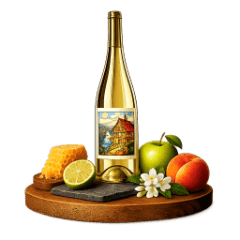
Imagine biting into a crisp green apple while sliding down a slate mountain. This style balances razor-sharp acidity with varying levels of sweetness, creating a tension that vibrates on your tongue like a plucked guitar string.
Imagine biting into a crisp green apple while sliding down a slate mountain. This style balances razor-sharp acidity with varying levels of sweetness, creating a tension that vibrates on your tongue like a plucked guitar string.
Imagine biting into a crisp green apple while sliding down a slate mountain. This style balances razor-sharp acidity with varying levels of sweetness, creating a tension that vibrates on your tongue like a plucked guitar string.
German Silvaner
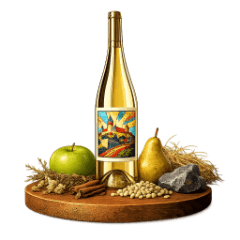
Often pushed into the corner by louder siblings, Silvaner is actually the quiet genius of Franconia. It delivers subtle herbal punches and earthy tones that make it an absolute weapon when dinner is served.
Often pushed into the corner by louder siblings, Silvaner is actually the quiet genius of Franconia. It delivers subtle herbal punches and earthy tones that make it an absolute weapon when dinner is served.
Often pushed into the corner by louder siblings, Silvaner is actually the quiet genius of Franconia. It delivers subtle herbal punches and earthy tones that make it an absolute weapon when dinner is served.
LATEST REVIEWS