«
Slovenia

Primorska
Primorska
Primorska
Slovenia's Coastal Crush
Sharing a fence with Italy, this sunny slice of land feels like Tuscany’s rebellious younger sibling. It is the country's warmest corner, offering a perfect playground for mineral-driven whites and skin-contact experiments that rewrite the rulebook.
Sharing a fence with Italy, this sunny slice of land feels like Tuscany’s rebellious younger sibling. It is the country's warmest corner, offering a perfect playground for mineral-driven whites and skin-contact experiments that rewrite the rulebook.
Sharing a fence with Italy, this sunny slice of land feels like Tuscany’s rebellious younger sibling. It is the country's warmest corner, offering a perfect playground for mineral-driven whites and skin-contact experiments that rewrite the rulebook.








Why it's unique
Amber Revolution
Italian Flair
Age-worthy
Winemakers here practically invented the modern craze for amber wines, turning skin-contact fermentation into an art form rather than an accident. You get a fascinating mix of Italian flair and Slavic soul, resulting in bottles that are as comfortable in a Michelin-starred restaurant as they are at a rustic farmhouse lunch. It is widely considered the heavy-hitter region of the country for serious, age-worthy bottlings.
Winemakers here practically invented the modern craze for amber wines, turning skin-contact fermentation into an art form rather than an accident. You get a fascinating mix of Italian flair and Slavic soul, resulting in bottles that are as comfortable in a Michelin-starred restaurant as they are at a rustic farmhouse lunch. It is widely considered the heavy-hitter region of the country for serious, age-worthy bottlings.
Winemakers here practically invented the modern craze for amber wines, turning skin-contact fermentation into an art form rather than an accident. You get a fascinating mix of Italian flair and Slavic soul, resulting in bottles that are as comfortable in a Michelin-starred restaurant as they are at a rustic farmhouse lunch. It is widely considered the heavy-hitter region of the country for serious, age-worthy bottlings.
Terroir
Burja Wind
Opoka Marl
Iron Soil
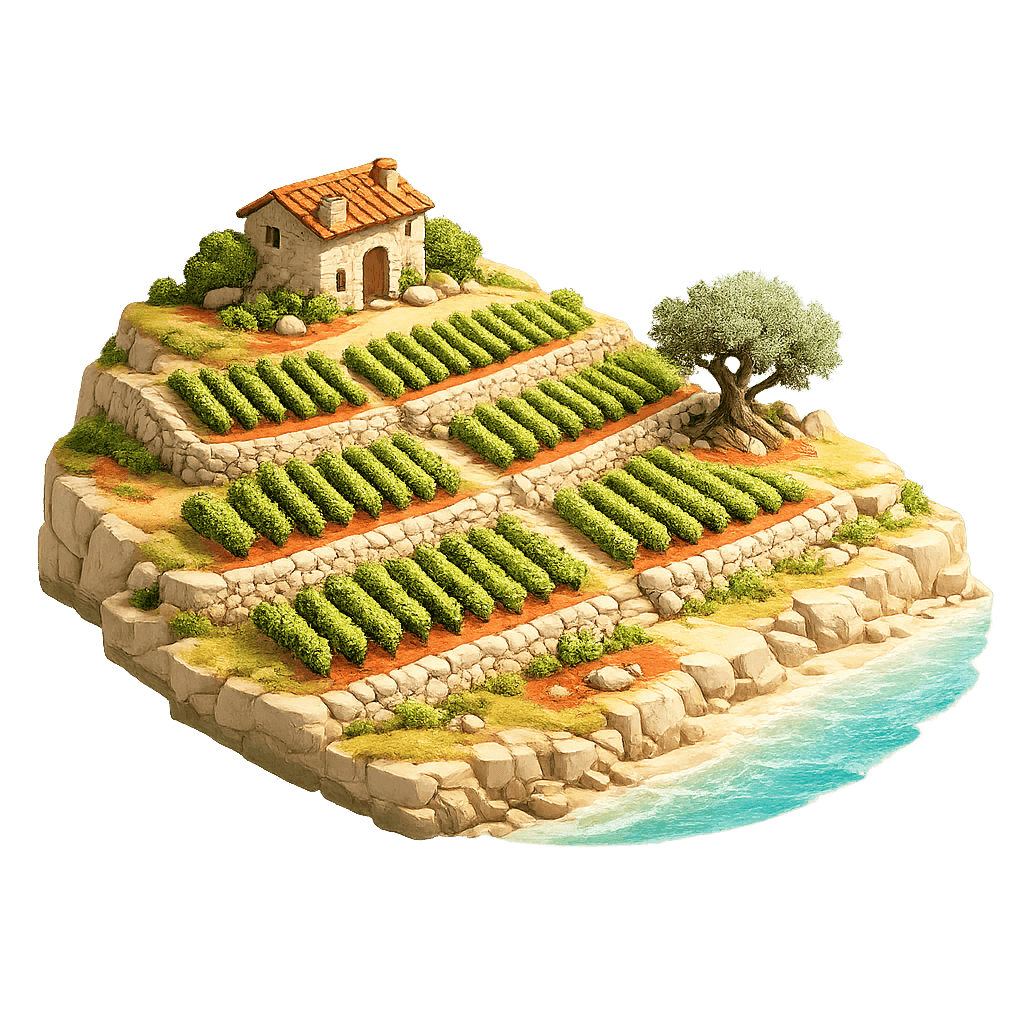
Powerful gusts known as the Burja whip through the valleys, acting like a natural hairdryer that keeps everything impeccably healthy and rot-free. Underneath the surface, you will find Opoka marl boosting salinity in the hills and iron-rich red dirt in the Karst district, giving the liquid a distinct, bloody minerality and incredible structure.
Powerful gusts known as the Burja whip through the valleys, acting like a natural hairdryer that keeps everything impeccably healthy and rot-free. Underneath the surface, you will find Opoka marl boosting salinity in the hills and iron-rich red dirt in the Karst district, giving the liquid a distinct, bloody minerality and incredible structure.
Powerful gusts known as the Burja whip through the valleys, acting like a natural hairdryer that keeps everything impeccably healthy and rot-free. Underneath the surface, you will find Opoka marl boosting salinity in the hills and iron-rich red dirt in the Karst district, giving the liquid a distinct, bloody minerality and incredible structure.
You gotta try
Orange Rebula
Bloody Teran
Mineral Malvazija
Rebula is the absolute monarch of these hills, and you haven't lived until you have tasted a skin-contact version that smells like dried apricots and adventure. For a red that wakes you up, Teran grown on iron-red soil delivers a shock of acidity and iron that pairs perfectly with fatty prosciutto.
Rebula is the absolute monarch of these hills, and you haven't lived until you have tasted a skin-contact version that smells like dried apricots and adventure. For a red that wakes you up, Teran grown on iron-red soil delivers a shock of acidity and iron that pairs perfectly with fatty prosciutto.
Rebula is the absolute monarch of these hills, and you haven't lived until you have tasted a skin-contact version that smells like dried apricots and adventure. For a red that wakes you up, Teran grown on iron-red soil delivers a shock of acidity and iron that pairs perfectly with fatty prosciutto.
LOCAL TALES
The Wind That Eats Roofs
The Wind That Eats Roofs
The Wind That Eats Roofs
Locals have a love-hate relationship with the Burja, a northeasterly wind that doesn’t just blow, it screams. We are talking speeds exceeding 200 km/h, strong enough to flip trucks and rip the roof tiles right off your house. That is why traditional houses in the Vipava Valley have stones on their roofs-literally to keep the lid on. For winemakers, however, this meteorological bully is a blessing. It acts as an aggressive sanitizer, drying out humidity instantly and preventing mold, which means farmers can spray significantly less chemicals. The struggle makes the vines tougher, and as the saying goes, stressed plants make the best drinks.
Locals have a love-hate relationship with the Burja, a northeasterly wind that doesn’t just blow, it screams. We are talking speeds exceeding 200 km/h, strong enough to flip trucks and rip the roof tiles right off your house. That is why traditional houses in the Vipava Valley have stones on their roofs-literally to keep the lid on. For winemakers, however, this meteorological bully is a blessing. It acts as an aggressive sanitizer, drying out humidity instantly and preventing mold, which means farmers can spray significantly less chemicals. The struggle makes the vines tougher, and as the saying goes, stressed plants make the best drinks.
Locals have a love-hate relationship with the Burja, a northeasterly wind that doesn’t just blow, it screams. We are talking speeds exceeding 200 km/h, strong enough to flip trucks and rip the roof tiles right off your house. That is why traditional houses in the Vipava Valley have stones on their roofs-literally to keep the lid on. For winemakers, however, this meteorological bully is a blessing. It acts as an aggressive sanitizer, drying out humidity instantly and preventing mold, which means farmers can spray significantly less chemicals. The struggle makes the vines tougher, and as the saying goes, stressed plants make the best drinks.
One Hill, Two Countries
One Hill, Two Countries
One Hill, Two Countries
History got a bit messy here after World War II. The border between Italy and Yugoslavia was drawn right through the vineyards, splitting the famous region of Collio in half. The Italian side kept the name Collio, and the Slovenian side became Brda. For decades, families were separated from their own fields by armed guards. There are stories of farmers who had to show a passport just to prune a row of Merlot five meters away. Today, the border is invisible again, and winemakers on both sides swap tips, tractors, and glasses, proving that terroir doesn’t care about politics or fences.
History got a bit messy here after World War II. The border between Italy and Yugoslavia was drawn right through the vineyards, splitting the famous region of Collio in half. The Italian side kept the name Collio, and the Slovenian side became Brda. For decades, families were separated from their own fields by armed guards. There are stories of farmers who had to show a passport just to prune a row of Merlot five meters away. Today, the border is invisible again, and winemakers on both sides swap tips, tractors, and glasses, proving that terroir doesn’t care about politics or fences.
History got a bit messy here after World War II. The border between Italy and Yugoslavia was drawn right through the vineyards, splitting the famous region of Collio in half. The Italian side kept the name Collio, and the Slovenian side became Brda. For decades, families were separated from their own fields by armed guards. There are stories of farmers who had to show a passport just to prune a row of Merlot five meters away. Today, the border is invisible again, and winemakers on both sides swap tips, tractors, and glasses, proving that terroir doesn’t care about politics or fences.
Hipster Before It Was Cool
Hipster Before It Was Cool
Hipster Before It Was Cool
While New York sommeliers just discovered orange wine a decade ago, farmers in Primorska have been making it since forever. Back in the day, they didn't have fancy temperature-controlled steel tanks or laboratory yeasts. They just threw the white grapes into a barrel, skins and all, and let nature take the wheel. This wasn't a style choice, it was survival to prevent the juice from spoiling. When the modern wine world went crazy for crisp, clear whites, these guys stuck to their guns. Now, the rest of the world is finally catching up to what Slovenian grandpas knew all along: skins have flavor.
While New York sommeliers just discovered orange wine a decade ago, farmers in Primorska have been making it since forever. Back in the day, they didn't have fancy temperature-controlled steel tanks or laboratory yeasts. They just threw the white grapes into a barrel, skins and all, and let nature take the wheel. This wasn't a style choice, it was survival to prevent the juice from spoiling. When the modern wine world went crazy for crisp, clear whites, these guys stuck to their guns. Now, the rest of the world is finally catching up to what Slovenian grandpas knew all along: skins have flavor.
While New York sommeliers just discovered orange wine a decade ago, farmers in Primorska have been making it since forever. Back in the day, they didn't have fancy temperature-controlled steel tanks or laboratory yeasts. They just threw the white grapes into a barrel, skins and all, and let nature take the wheel. This wasn't a style choice, it was survival to prevent the juice from spoiling. When the modern wine world went crazy for crisp, clear whites, these guys stuck to their guns. Now, the rest of the world is finally catching up to what Slovenian grandpas knew all along: skins have flavor.
LOCAL WINE STYLES
Goriska Brda Rebula
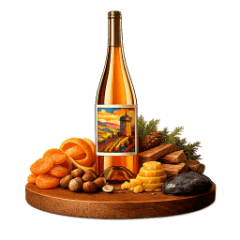
Imagine biting into an apricot with the skin on while standing on an ancient marl terrace. This isn't your average poolside sipper - it is textured, gripping, and golden, proving that skin contact is absolute magic.
Imagine biting into an apricot with the skin on while standing on an ancient marl terrace. This isn't your average poolside sipper - it is textured, gripping, and golden, proving that skin contact is absolute magic.
Imagine biting into an apricot with the skin on while standing on an ancient marl terrace. This isn't your average poolside sipper - it is textured, gripping, and golden, proving that skin contact is absolute magic.
Vipava Valley White Blend
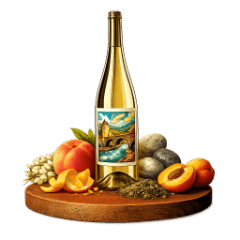
Get ready for a gust of flavor that combines mountain freshness with seaside warmth. This blend captures the erratic weather of its homeland, delivering a glassful of stone fruit and zesty energy that refuses to sit still.
Get ready for a gust of flavor that combines mountain freshness with seaside warmth. This blend captures the erratic weather of its homeland, delivering a glassful of stone fruit and zesty energy that refuses to sit still.
Get ready for a gust of flavor that combines mountain freshness with seaside warmth. This blend captures the erratic weather of its homeland, delivering a glassful of stone fruit and zesty energy that refuses to sit still.
LATEST REVIEWS