«
BROWSE ALL
Slovenia
Slovenia

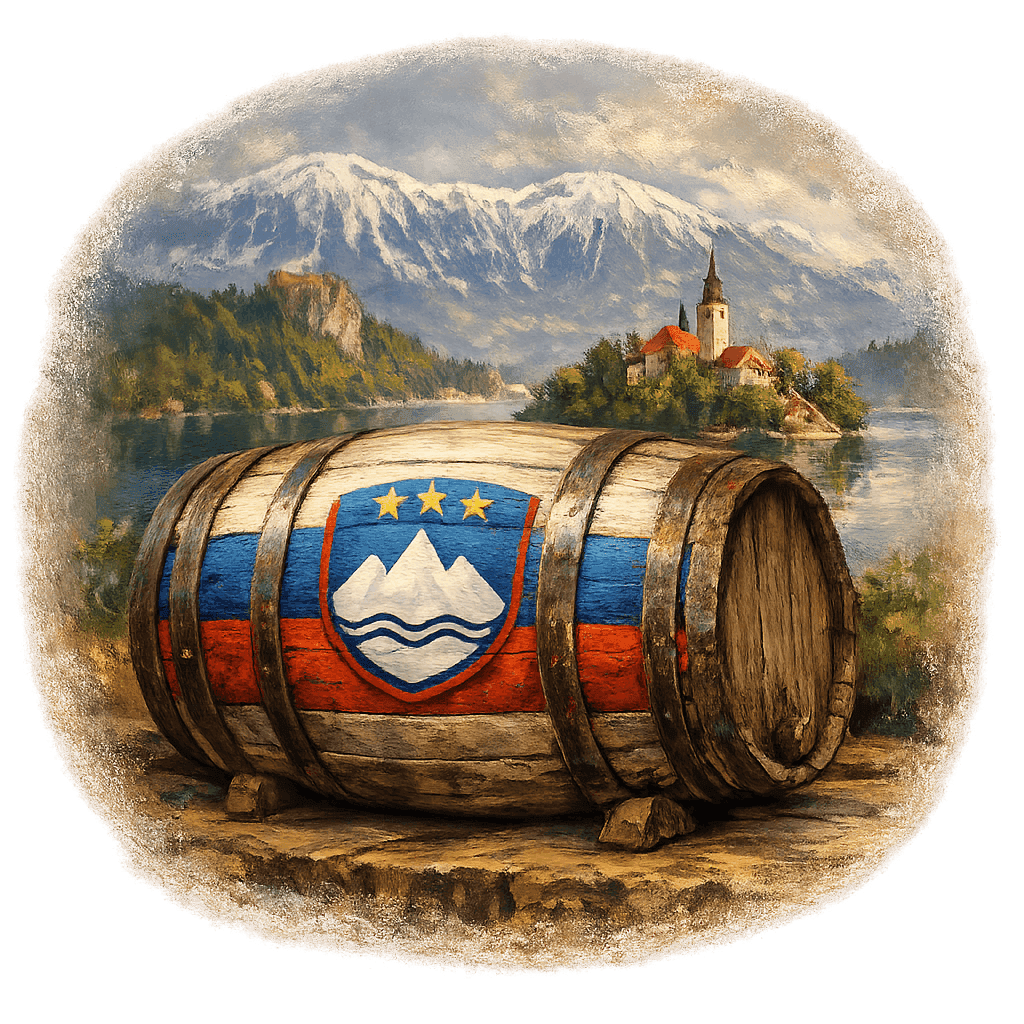
Tucked between the Alps and the Adriatic, this green paradise isn't just about stunning lakes and forests. It is a boutique powerhouse where nature dictates the rules, turning humble grapes into liquid gold that defies convention.
Tucked between the Alps and the Adriatic, this green paradise isn't just about stunning lakes and forests. It is a boutique powerhouse where nature dictates the rules, turning humble grapes into liquid gold that defies convention.
Tucked between the Alps and the Adriatic, this green paradise isn't just about stunning lakes and forests. It is a boutique powerhouse where nature dictates the rules, turning humble grapes into liquid gold that defies convention.
What it's about
Boutique Production
White Dominance
Local Thirst
This nation might be small in size, but its vinous footprint is massive in terms of character. With a winemaking lineage that predates the Romans, the country operates like one giant family estate rather than a factory. Roughly 75% of production is white wine, yet locals love it so much they drink nearly all of it themselves, leaving only a precious trickle for the export market.
This nation might be small in size, but its vinous footprint is massive in terms of character. With a winemaking lineage that predates the Romans, the country operates like one giant family estate rather than a factory. Roughly 75% of production is white wine, yet locals love it so much they drink nearly all of it themselves, leaving only a precious trickle for the export market.
This nation might be small in size, but its vinous footprint is massive in terms of character. With a winemaking lineage that predates the Romans, the country operates like one giant family estate rather than a factory. Roughly 75% of production is white wine, yet locals love it so much they drink nearly all of it themselves, leaving only a precious trickle for the export market.
What they're proud of
Old Vine
Mineral Rebula
Opoka Soil
Nothing swells their chests quite like the Old Vine in Maribor, a 400-year-old celebrity that survived Ottoman wars and WWII bombings to remain the oldest fruit-bearing vine on Earth. Beyond that living monument, they are fiercely eager to show off their mastery of Rebula and the unique Opoka soil that gives their whites a mineral backbone you can practically chew on.
Nothing swells their chests quite like the Old Vine in Maribor, a 400-year-old celebrity that survived Ottoman wars and WWII bombings to remain the oldest fruit-bearing vine on Earth. Beyond that living monument, they are fiercely eager to show off their mastery of Rebula and the unique Opoka soil that gives their whites a mineral backbone you can practically chew on.
Nothing swells their chests quite like the Old Vine in Maribor, a 400-year-old celebrity that survived Ottoman wars and WWII bombings to remain the oldest fruit-bearing vine on Earth. Beyond that living monument, they are fiercely eager to show off their mastery of Rebula and the unique Opoka soil that gives their whites a mineral backbone you can practically chew on.
WHAT'S TRENDING
Orange Revolution
Natural Wine
Biodynamic Farming
Skin-contact fermentation is the current mania here, although locals will tell you they’ve been doing it for centuries. The 'orange' or amber wine movement has exploded, turning the region into a global pilgrimage site for natural wine lovers. Expect to see biodynamic farming becoming the standard, with young winemakers ditching chemicals to let the terroir speak with a loud, unfiltered voice.
Skin-contact fermentation is the current mania here, although locals will tell you they’ve been doing it for centuries. The 'orange' or amber wine movement has exploded, turning the region into a global pilgrimage site for natural wine lovers. Expect to see biodynamic farming becoming the standard, with young winemakers ditching chemicals to let the terroir speak with a loud, unfiltered voice.
Skin-contact fermentation is the current mania here, although locals will tell you they’ve been doing it for centuries. The 'orange' or amber wine movement has exploded, turning the region into a global pilgrimage site for natural wine lovers. Expect to see biodynamic farming becoming the standard, with young winemakers ditching chemicals to let the terroir speak with a loud, unfiltered voice.
LOCAL TALES
The Immortal Vine
The Immortal Vine
The Immortal Vine
In the city of Maribor, clinging to the side of a medieval house near the Drava River, lives a celebrity that has seen it all. This isn't a person, but a Žametovka vine that has been growing there for over 400 years. It has survived Ottoman invasions, Napoleonic rule, and even the Allied bombings of World War II, which destroyed part of the house it clings to. It even laughed in the face of the phylloxera plague that wiped out the rest of Europe's vineyards. To this day, it yields just enough grapes to produce about 100 tiny bottles of wine annually, which are gifted to dignitaries like queens and popes.
In the city of Maribor, clinging to the side of a medieval house near the Drava River, lives a celebrity that has seen it all. This isn't a person, but a Žametovka vine that has been growing there for over 400 years. It has survived Ottoman invasions, Napoleonic rule, and even the Allied bombings of World War II, which destroyed part of the house it clings to. It even laughed in the face of the phylloxera plague that wiped out the rest of Europe's vineyards. To this day, it yields just enough grapes to produce about 100 tiny bottles of wine annually, which are gifted to dignitaries like queens and popes.
The Day Must Becomes Wine
The Day Must Becomes Wine
The Day Must Becomes Wine
While most of the world treats November 11th as just another autumn day, in this country, it is practically a national emergency of joy. St. Martin's Day is not merely a religious observance but the magical moment when unfermented grape juice (must) officially transforms into wine. According to folklore, must is considered 'impure' until this baptism happens. The entire nation seems to pause for a feast of roast goose and red cabbage, while someone dresses up as a bishop to 'bless' the barrels. It is a chaotic, joyous mix of pagan harvest rituals and Christian tradition where the wine finally gets its soul.
While most of the world treats November 11th as just another autumn day, in this country, it is practically a national emergency of joy. St. Martin's Day is not merely a religious observance but the magical moment when unfermented grape juice (must) officially transforms into wine. According to folklore, must is considered 'impure' until this baptism happens. The entire nation seems to pause for a feast of roast goose and red cabbage, while someone dresses up as a bishop to 'bless' the barrels. It is a chaotic, joyous mix of pagan harvest rituals and Christian tradition where the wine finally gets its soul.
The Fourth Color
The Fourth Color
The Fourth Color
For decades, the world thought wine only came in three colors: red, white, and rosé. But in the rolling hills of Primorska, winemakers were quietly keeping an ancient tradition alive that would eventually shock the modern palate. By leaving white grapes in contact with their skins for days or even months - a process usually reserved for reds - they created amber-hued nectars with the structure of a red and the aromatics of a white. When the rest of the world caught on to this 'natural' style, they realized these humble farmers hadn't invented a new trend, they had simply refused to forget the old way, sparking a global orange wine revolution.
For decades, the world thought wine only came in three colors: red, white, and rosé. But in the rolling hills of Primorska, winemakers were quietly keeping an ancient tradition alive that would eventually shock the modern palate. By leaving white grapes in contact with their skins for days or even months - a process usually reserved for reds - they created amber-hued nectars with the structure of a red and the aromatics of a white. When the rest of the world caught on to this 'natural' style, they realized these humble farmers hadn't invented a new trend, they had simply refused to forget the old way, sparking a global orange wine revolution.
REGIONS
Primorska
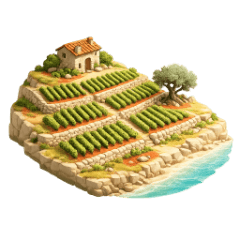
Sharing a fence with Italy, this sunny slice of land feels like Tuscany’s rebellious younger sibling. It is the country's warmest corner, offering a perfect playground for mineral-driven whites and skin-contact experiments that rewrite the rulebook.
Sharing a fence with Italy, this sunny slice of land feels like Tuscany’s rebellious younger sibling. It is the country's warmest corner, offering a perfect playground for mineral-driven whites and skin-contact experiments that rewrite the rulebook.
Podravje
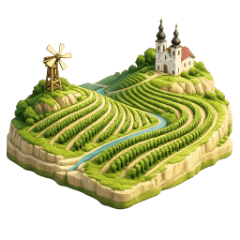
Tucked away in the northeast, this area feels a bit like Austria got lost and decided to party in Slovenia. It is all about rolling green landscapes and wines that smell like a fruit basket exploded.
Tucked away in the northeast, this area feels a bit like Austria got lost and decided to party in Slovenia. It is all about rolling green landscapes and wines that smell like a fruit basket exploded.
WINE STYLES
Goriska Brda Rebula
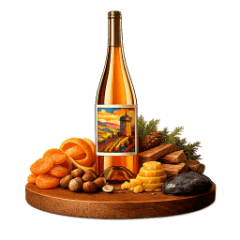
Imagine biting into an apricot with the skin on while standing on an ancient marl terrace. This isn't your average poolside sipper - it is textured, gripping, and golden, proving that skin contact is absolute magic.
Imagine biting into an apricot with the skin on while standing on an ancient marl terrace. This isn't your average poolside sipper - it is textured, gripping, and golden, proving that skin contact is absolute magic.
Imagine biting into an apricot with the skin on while standing on an ancient marl terrace. This isn't your average poolside sipper - it is textured, gripping, and golden, proving that skin contact is absolute magic.
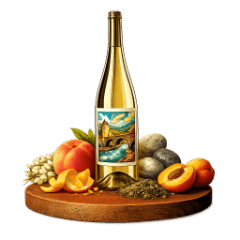
Vipava Valley White Blend
Get ready for a gust of flavor that combines mountain freshness with seaside warmth. This blend captures the erratic weather of its homeland, delivering a glassful of stone fruit and zesty energy that refuses to sit still.
Get ready for a gust of flavor that combines mountain freshness with seaside warmth. This blend captures the erratic weather of its homeland, delivering a glassful of stone fruit and zesty energy that refuses to sit still.
Get ready for a gust of flavor that combines mountain freshness with seaside warmth. This blend captures the erratic weather of its homeland, delivering a glassful of stone fruit and zesty energy that refuses to sit still.
LATEST REVIEWS