«
Michigan

Old Mission Peninsula
Old Mission Peninsula
Old Mission Peninsula
Skinny Frosty Finger
Extending boldly into Grand Traverse Bay, this slender strip of land acts like a climatic miracle. It catches enough warmth from the surrounding water to keep vines alive while offering some of the most stunning lake views you'll ever see.
Extending boldly into Grand Traverse Bay, this slender strip of land acts like a climatic miracle. It catches enough warmth from the surrounding water to keep vines alive while offering some of the most stunning lake views you'll ever see.
Extending boldly into Grand Traverse Bay, this slender strip of land acts like a climatic miracle. It catches enough warmth from the surrounding water to keep vines alive while offering some of the most stunning lake views you'll ever see.






Why it's unique
45th Parallel
Insulating Water
Cold Climate
Situated perfectly on the 45th parallel - yes, the same line as Bordeaux, though significantly chillier - this spot is barely a few miles wide at its thickest point. You are constantly surrounded by deep, insulating water. While famous for cherries, locals have mastered cool-climate whites that rival Germany's best, proving that struggling against the cold creates serious character in a bottle.
Situated perfectly on the 45th parallel - yes, the same line as Bordeaux, though significantly chillier - this spot is barely a few miles wide at its thickest point. You are constantly surrounded by deep, insulating water. While famous for cherries, locals have mastered cool-climate whites that rival Germany's best, proving that struggling against the cold creates serious character in a bottle.
Situated perfectly on the 45th parallel - yes, the same line as Bordeaux, though significantly chillier - this spot is barely a few miles wide at its thickest point. You are constantly surrounded by deep, insulating water. While famous for cherries, locals have mastered cool-climate whites that rival Germany's best, proving that struggling against the cold creates serious character in a bottle.
Terroir
Lake Effect
Sandy Loam
Slow Ripening
Surrounded by deep water on both sides, the air temperatures here are moderated by the "Lake Effect," which essentially acts like a giant radiator in winter. Sandy loam soils drain water instantly, forcing roots to dig deep. This combination means Riesling ripens slowly, retaining razor-sharp acidity while developing intense aromatics that would get cooked off in hotter zones.
Surrounded by deep water on both sides, the air temperatures here are moderated by the "Lake Effect," which essentially acts like a giant radiator in winter. Sandy loam soils drain water instantly, forcing roots to dig deep. This combination means Riesling ripens slowly, retaining razor-sharp acidity while developing intense aromatics that would get cooked off in hotter zones.
Surrounded by deep water on both sides, the air temperatures here are moderated by the "Lake Effect," which essentially acts like a giant radiator in winter. Sandy loam soils drain water instantly, forcing roots to dig deep. This combination means Riesling ripens slowly, retaining razor-sharp acidity while developing intense aromatics that would get cooked off in hotter zones.
You gotta try
Dry Riesling
Ice Wine
Cabernet Franc
Grab a bottle of dry Riesling immediately because the mineral crunch and citrus zest here are world-class. If you have a sweet tooth, hunt down real Ice Wine, which is made from frozen berries harvested in the dead of winter. Cabernet Franc is the red star here, offering spicy, savory notes that prove lighter reds are actually more interesting than big, jammy fruit bombs.
Grab a bottle of dry Riesling immediately because the mineral crunch and citrus zest here are world-class. If you have a sweet tooth, hunt down real Ice Wine, which is made from frozen berries harvested in the dead of winter. Cabernet Franc is the red star here, offering spicy, savory notes that prove lighter reds are actually more interesting than big, jammy fruit bombs.
Grab a bottle of dry Riesling immediately because the mineral crunch and citrus zest here are world-class. If you have a sweet tooth, hunt down real Ice Wine, which is made from frozen berries harvested in the dead of winter. Cabernet Franc is the red star here, offering spicy, savory notes that prove lighter reds are actually more interesting than big, jammy fruit bombs.
LOCAL TALES
The Cherry Gamble
The Cherry Gamble
The Cherry Gamble
Before vines took over, this peninsula was strictly cherry country. In the 1970s, a guy named Ed O'Keefe Jr. looked at the cherry orchards surviving the harsh winters and thought, "Why not German wines?" Experts told him he was nuts and that the vines would freeze to death. He ignored them, planted Riesling, and worked tirelessly to protect them. His gamble paid off when he proved that the deep bay waters insulated the vines just enough to survive. Today, Chateau Grand Traverse stands as proof that sometimes you have to ignore the experts to make history.
Before vines took over, this peninsula was strictly cherry country. In the 1970s, a guy named Ed O'Keefe Jr. looked at the cherry orchards surviving the harsh winters and thought, "Why not German wines?" Experts told him he was nuts and that the vines would freeze to death. He ignored them, planted Riesling, and worked tirelessly to protect them. His gamble paid off when he proved that the deep bay waters insulated the vines just enough to survive. Today, Chateau Grand Traverse stands as proof that sometimes you have to ignore the experts to make history.
Before vines took over, this peninsula was strictly cherry country. In the 1970s, a guy named Ed O'Keefe Jr. looked at the cherry orchards surviving the harsh winters and thought, "Why not German wines?" Experts told him he was nuts and that the vines would freeze to death. He ignored them, planted Riesling, and worked tirelessly to protect them. His gamble paid off when he proved that the deep bay waters insulated the vines just enough to survive. Today, Chateau Grand Traverse stands as proof that sometimes you have to ignore the experts to make history.
A Holy Beginning
A Holy Beginning
A Holy Beginning
The name isn't just a marketing gimmick - there really was an old mission. In 1839, Reverend Peter Dougherty established a Presbyterian mission to work with the local Native American tribes. He was the first to realize that the specific microclimate here was agricultural gold. In 1852, Dougherty planted the region's first cherry trees, unwittingly setting the stage for the fruit boom that would follow a century later. While he was focused on souls and sustenance rather than Sauvignon Blanc, his agricultural experiments proved that this narrow finger of land was special long before anyone owned a corkscrew.
The name isn't just a marketing gimmick - there really was an old mission. In 1839, Reverend Peter Dougherty established a Presbyterian mission to work with the local Native American tribes. He was the first to realize that the specific microclimate here was agricultural gold. In 1852, Dougherty planted the region's first cherry trees, unwittingly setting the stage for the fruit boom that would follow a century later. While he was focused on souls and sustenance rather than Sauvignon Blanc, his agricultural experiments proved that this narrow finger of land was special long before anyone owned a corkscrew.
The name isn't just a marketing gimmick - there really was an old mission. In 1839, Reverend Peter Dougherty established a Presbyterian mission to work with the local Native American tribes. He was the first to realize that the specific microclimate here was agricultural gold. In 1852, Dougherty planted the region's first cherry trees, unwittingly setting the stage for the fruit boom that would follow a century later. While he was focused on souls and sustenance rather than Sauvignon Blanc, his agricultural experiments proved that this narrow finger of land was special long before anyone owned a corkscrew.
Waiting for the Freeze
Waiting for the Freeze
Waiting for the Freeze
Making Ice Wine here is an extreme sport. Unlike the "iced wine" you might find in warmer places where they toss fruit in a freezer, Old Mission winemakers have to wait for nature to strike. They leave perfectly good bunches hanging on the vine well into December or January, hoping for a hard freeze before rot or hungry birds ruin the crop. Crews often head out in the middle of the night in sub-zero temperatures to hand-pick rock-hard berries. It is a risky, frozen nightmare for the pickers, but the resulting nectar is liquid gold that balances massive sweetness with electric acidity.
Making Ice Wine here is an extreme sport. Unlike the "iced wine" you might find in warmer places where they toss fruit in a freezer, Old Mission winemakers have to wait for nature to strike. They leave perfectly good bunches hanging on the vine well into December or January, hoping for a hard freeze before rot or hungry birds ruin the crop. Crews often head out in the middle of the night in sub-zero temperatures to hand-pick rock-hard berries. It is a risky, frozen nightmare for the pickers, but the resulting nectar is liquid gold that balances massive sweetness with electric acidity.
Making Ice Wine here is an extreme sport. Unlike the "iced wine" you might find in warmer places where they toss fruit in a freezer, Old Mission winemakers have to wait for nature to strike. They leave perfectly good bunches hanging on the vine well into December or January, hoping for a hard freeze before rot or hungry birds ruin the crop. Crews often head out in the middle of the night in sub-zero temperatures to hand-pick rock-hard berries. It is a risky, frozen nightmare for the pickers, but the resulting nectar is liquid gold that balances massive sweetness with electric acidity.
SUB-REGIONS
LOCAL WINE STYLES
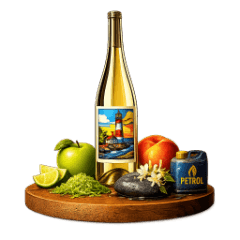
Michigan Riesling
Expect a zap of electricity straight to the tongue because these bottles are famous for sky-high crispness. It is like biting into a Granny Smith apple while standing on a frozen lake in January, yet somehow incredibly refreshing.
Expect a zap of electricity straight to the tongue because these bottles are famous for sky-high crispness. It is like biting into a Granny Smith apple while standing on a frozen lake in January, yet somehow incredibly refreshing.
Expect a zap of electricity straight to the tongue because these bottles are famous for sky-high crispness. It is like biting into a Granny Smith apple while standing on a frozen lake in January, yet somehow incredibly refreshing.
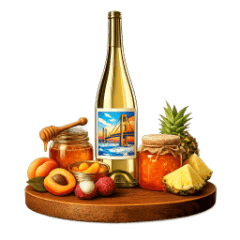
Michigan Ice Wine
Imagine biting into a peach while standing in a blizzard. This style turns brutal winters into liquid candy by harvesting grapes frozen solid on the vine, squeezing out concentrated sugar and leaving the water behind.
Imagine biting into a peach while standing in a blizzard. This style turns brutal winters into liquid candy by harvesting grapes frozen solid on the vine, squeezing out concentrated sugar and leaving the water behind.
Imagine biting into a peach while standing in a blizzard. This style turns brutal winters into liquid candy by harvesting grapes frozen solid on the vine, squeezing out concentrated sugar and leaving the water behind.
LATEST REVIEWS