«
BROWSE ALL
Michigan
Michigan

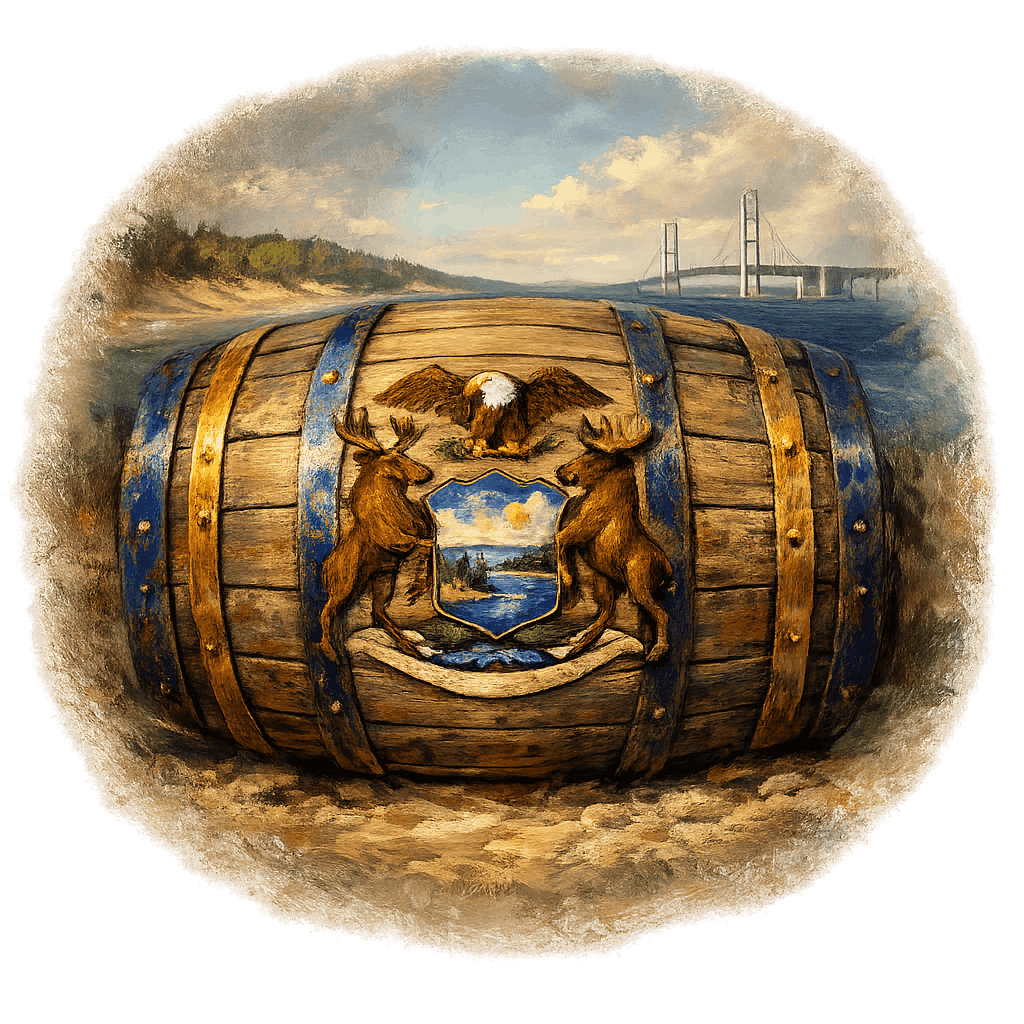
Two massive lakes hug this peninsular powerhouse, creating a snow-globe microclimate where Riesling dominates. It is a place where skiers and sommeliers find common ground over a glass of bone-dry white.
Two massive lakes hug this peninsular powerhouse, creating a snow-globe microclimate where Riesling dominates. It is a place where skiers and sommeliers find common ground over a glass of bone-dry white.
Two massive lakes hug this peninsular powerhouse, creating a snow-globe microclimate where Riesling dominates. It is a place where skiers and sommeliers find common ground over a glass of bone-dry white.
What it's about
Lake effect
moderate temperatures
booming production
Sitting proudly on the 45th parallel - sharing latitudes with Bordeaux and Piedmont - this state uses the "Lake Effect" to cheat death by frost. Massive bodies of water act as thermal batteries, moderating temperatures and dumping insulating snow on vines during brutal winters. Production is booming with over 3,000 acres, shifting from old-school juice varieties to serious, award-winning Vitis vinifera that proves the "experts" from the 1970s completely wrong.
Sitting proudly on the 45th parallel - sharing latitudes with Bordeaux and Piedmont - this state uses the "Lake Effect" to cheat death by frost. Massive bodies of water act as thermal batteries, moderating temperatures and dumping insulating snow on vines during brutal winters. Production is booming with over 3,000 acres, shifting from old-school juice varieties to serious, award-winning Vitis vinifera that proves the "experts" from the 1970s completely wrong.
Sitting proudly on the 45th parallel - sharing latitudes with Bordeaux and Piedmont - this state uses the "Lake Effect" to cheat death by frost. Massive bodies of water act as thermal batteries, moderating temperatures and dumping insulating snow on vines during brutal winters. Production is booming with over 3,000 acres, shifting from old-school juice varieties to serious, award-winning Vitis vinifera that proves the "experts" from the 1970s completely wrong.
What they're proud of
World-class Riesling
Ice wine
cool reds
Riesling is the undisputed king here, offering laser-sharp acidity that rivals Germany's best. But don't sleep on their true Ice Wine - harvested frozen on the vine, not in a freezer - which is a rare feat in the US. They also boast world-class Cabernet Franc and Pinot Noir that benefit from the cool, long growing season, proving they aren't just a sweet wine wonderland anymore.
Riesling is the undisputed king here, offering laser-sharp acidity that rivals Germany's best. But don't sleep on their true Ice Wine - harvested frozen on the vine, not in a freezer - which is a rare feat in the US. They also boast world-class Cabernet Franc and Pinot Noir that benefit from the cool, long growing season, proving they aren't just a sweet wine wonderland anymore.
Riesling is the undisputed king here, offering laser-sharp acidity that rivals Germany's best. But don't sleep on their true Ice Wine - harvested frozen on the vine, not in a freezer - which is a rare feat in the US. They also boast world-class Cabernet Franc and Pinot Noir that benefit from the cool, long growing season, proving they aren't just a sweet wine wonderland anymore.
WHAT'S TRENDING
Sparkling wine
Complex rosé
cool-climate reds
Bubbles are blowing up across the peninsulas. Winemakers are embracing the naturally high acidity of their fruit to craft traditional method sparkling wines that snap and pop on the palate. Rosé production is also skyrocketing, moving away from sugary pink water to dry, complex styles. There is also a massive shift toward "cool-climate reds" that embrace elegance over the high-alcohol power bombs found out West.
Bubbles are blowing up across the peninsulas. Winemakers are embracing the naturally high acidity of their fruit to craft traditional method sparkling wines that snap and pop on the palate. Rosé production is also skyrocketing, moving away from sugary pink water to dry, complex styles. There is also a massive shift toward "cool-climate reds" that embrace elegance over the high-alcohol power bombs found out West.
Bubbles are blowing up across the peninsulas. Winemakers are embracing the naturally high acidity of their fruit to craft traditional method sparkling wines that snap and pop on the palate. Rosé production is also skyrocketing, moving away from sugary pink water to dry, complex styles. There is also a massive shift toward "cool-climate reds" that embrace elegance over the high-alcohol power bombs found out West.
LOCAL TALES
The Gambler of Grand Traverse
The Gambler of Grand Traverse
The Gambler of Grand Traverse
In the early 1970s, agricultural experts looked at the Traverse City area and unanimously agreed: "European vines will die here." They insisted only hardy hybrids could survive the brutal winters. Ed O’Keefe, a former Green Beret and nursing home owner, didn't care much for that opinion. In 1974, he planted 55 acres of Riesling and Chardonnay on Old Mission Peninsula, betting the farm against the frost. The experts scoffed, waiting for the plants to freeze. They didn't. The deep waters of the bay insulated the slopes, and O'Keefe produced the first world-class wines in the region, effectively telling the establishment to eat their words - or better yet, drink them.
In the early 1970s, agricultural experts looked at the Traverse City area and unanimously agreed: "European vines will die here." They insisted only hardy hybrids could survive the brutal winters. Ed O’Keefe, a former Green Beret and nursing home owner, didn't care much for that opinion. In 1974, he planted 55 acres of Riesling and Chardonnay on Old Mission Peninsula, betting the farm against the frost. The experts scoffed, waiting for the plants to freeze. They didn't. The deep waters of the bay insulated the slopes, and O'Keefe produced the first world-class wines in the region, effectively telling the establishment to eat their words - or better yet, drink them.
The Material Girl's Vines
The Material Girl's Vines
The Material Girl's Vines
You might know her as the Queen of Pop, but in Leelanau County, the Ciccone name means wine. In 1995, Silvio "Tony" Ciccone - Madonna's father - decided retirement was too boring and planted a vineyard on a rolling hill in Suttons Bay. While fans often flock there hoping for a glimpse of the superstar (who does visit occasionally for family events), Tony and his wife Joan built a legitimate operation from scratch. It wasn't a celebrity vanity project where they just slapped a name on a bottle, Tony was out there pruning and sweating in the field. The estate recently hit the market for nearly $5 million, but the legend of the family's Pinot Noir remains a local staple.
You might know her as the Queen of Pop, but in Leelanau County, the Ciccone name means wine. In 1995, Silvio "Tony" Ciccone - Madonna's father - decided retirement was too boring and planted a vineyard on a rolling hill in Suttons Bay. While fans often flock there hoping for a glimpse of the superstar (who does visit occasionally for family events), Tony and his wife Joan built a legitimate operation from scratch. It wasn't a celebrity vanity project where they just slapped a name on a bottle, Tony was out there pruning and sweating in the field. The estate recently hit the market for nearly $5 million, but the legend of the family's Pinot Noir remains a local staple.
The Frozen Harvest Roulette
The Frozen Harvest Roulette
The Frozen Harvest Roulette
Making true Ice Wine here is not a romantic romp in the snow, it is a high-stakes game of chicken with Mother Nature. Federal law dictates the fruit must freeze naturally outdoors, typically requiring temperatures to drop below 18°F but stay above the point where the grapes become too hard to press. Winemakers often wait until January, watching the forecast like hawks. When the call comes - usually at 3:00 AM in a blizzard - crews rush out with headlamps to pick rock-hard clusters before the sun rises. If it warms up, the crop is lost. If it gets too cold, the press breaks. It is the most miserable, frostbitten night of the year, producing the most golden, honeyed nectar imaginable.
Making true Ice Wine here is not a romantic romp in the snow, it is a high-stakes game of chicken with Mother Nature. Federal law dictates the fruit must freeze naturally outdoors, typically requiring temperatures to drop below 18°F but stay above the point where the grapes become too hard to press. Winemakers often wait until January, watching the forecast like hawks. When the call comes - usually at 3:00 AM in a blizzard - crews rush out with headlamps to pick rock-hard clusters before the sun rises. If it warms up, the crop is lost. If it gets too cold, the press breaks. It is the most miserable, frostbitten night of the year, producing the most golden, honeyed nectar imaginable.
REGIONS

Old Mission Peninsula
Extending boldly into Grand Traverse Bay, this slender strip of land acts like a climatic miracle. It catches enough warmth from the surrounding water to keep vines alive while offering some of the most stunning lake views you'll ever see.
Extending boldly into Grand Traverse Bay, this slender strip of land acts like a climatic miracle. It catches enough warmth from the surrounding water to keep vines alive while offering some of the most stunning lake views you'll ever see.

Leelanau Peninsula
If the mitten state is waving at you, this region is the fancy digit sticking out. It is a scenic playground of dunes and vines where cool-climate whites and sparkling wines truly find their groove.
If the mitten state is waving at you, this region is the fancy digit sticking out. It is a scenic playground of dunes and vines where cool-climate whites and sparkling wines truly find their groove.
WINE STYLES
Michigan Riesling
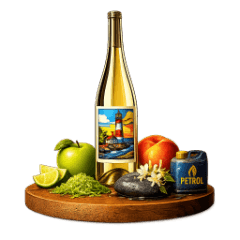
Expect a zap of electricity straight to the tongue because these bottles are famous for sky-high crispness. It is like biting into a Granny Smith apple while standing on a frozen lake in January, yet somehow incredibly refreshing.
Expect a zap of electricity straight to the tongue because these bottles are famous for sky-high crispness. It is like biting into a Granny Smith apple while standing on a frozen lake in January, yet somehow incredibly refreshing.
Expect a zap of electricity straight to the tongue because these bottles are famous for sky-high crispness. It is like biting into a Granny Smith apple while standing on a frozen lake in January, yet somehow incredibly refreshing.
Michigan Ice Wine
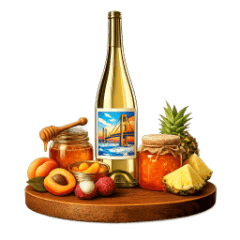
Imagine biting into a peach while standing in a blizzard. This style turns brutal winters into liquid candy by harvesting grapes frozen solid on the vine, squeezing out concentrated sugar and leaving the water behind.
Imagine biting into a peach while standing in a blizzard. This style turns brutal winters into liquid candy by harvesting grapes frozen solid on the vine, squeezing out concentrated sugar and leaving the water behind.
Imagine biting into a peach while standing in a blizzard. This style turns brutal winters into liquid candy by harvesting grapes frozen solid on the vine, squeezing out concentrated sugar and leaving the water behind.
LATEST REVIEWS