«
Ukraine

Odessa Oblast
Odessa Oblast
Odessa Oblast
Coastal Sunshine Sipper
Welcome to the Riviera of Ukraine, where sun-seekers and vine-lovers collide. This powerhouse region produces the lion's share of the country's juice, blending seaside vibes with serious historical roots dating back to ancient Greece.
Welcome to the Riviera of Ukraine, where sun-seekers and vine-lovers collide. This powerhouse region produces the lion's share of the country's juice, blending seaside vibes with serious historical roots dating back to ancient Greece.
Welcome to the Riviera of Ukraine, where sun-seekers and vine-lovers collide. This powerhouse region produces the lion's share of the country's juice, blending seaside vibes with serious historical roots dating back to ancient Greece.







Why it's unique
Production Powerhouse
Ancient History
Telti-Kuruk Home
Consider this the engine room of Ukrainian winemaking, responsible for over sixty percent of the national output. But quantity doesn't mean boring here. You have ancient Greek colonies buried under the dirt and a modern revival led by heavyweights like Shabo. Plus, it is the spiritual home of Telti-Kuruk, a local legend that survived Soviet uprooting campaigns and tastes like nothing else on Earth.
Consider this the engine room of Ukrainian winemaking, responsible for over sixty percent of the national output. But quantity doesn't mean boring here. You have ancient Greek colonies buried under the dirt and a modern revival led by heavyweights like Shabo. Plus, it is the spiritual home of Telti-Kuruk, a local legend that survived Soviet uprooting campaigns and tastes like nothing else on Earth.
Consider this the engine room of Ukrainian winemaking, responsible for over sixty percent of the national output. But quantity doesn't mean boring here. You have ancient Greek colonies buried under the dirt and a modern revival led by heavyweights like Shabo. Plus, it is the spiritual home of Telti-Kuruk, a local legend that survived Soviet uprooting campaigns and tastes like nothing else on Earth.
Terroir
Sea Influence
Black Soil
Mild Winters
Steppe winds meet salty sea breezes here to create a climate that is surprisingly mild. The Black Sea acts like a giant radiator, storing heat to protect plantings from those biting winter frosts. Soils range from rich black chernozem to sandy loams near the coast, allowing roots to dig deep for nutrients while the constant air circulation keeps nasty fungal diseases away from the precious bunches.
Steppe winds meet salty sea breezes here to create a climate that is surprisingly mild. The Black Sea acts like a giant radiator, storing heat to protect plantings from those biting winter frosts. Soils range from rich black chernozem to sandy loams near the coast, allowing roots to dig deep for nutrients while the constant air circulation keeps nasty fungal diseases away from the precious bunches.
Steppe winds meet salty sea breezes here to create a climate that is surprisingly mild. The Black Sea acts like a giant radiator, storing heat to protect plantings from those biting winter frosts. Soils range from rich black chernozem to sandy loams near the coast, allowing roots to dig deep for nutrients while the constant air circulation keeps nasty fungal diseases away from the precious bunches.
You gotta try
Crisp Telti-Kuruk
Spicy Saperavi
Elegant Cabernet
Grab a bottle of Telti-Kuruk immediately. It is crisp, floral, and smells like wildflowers dipped in honey. If you prefer reds, Odessa Saperavi is a must. This Georgian transplant loves the local environment, producing wines that are inky, spicy, and perfect for a barbecue. Also, keep an eye out for Cabernet Sauvignon from the Shabo area, which offers structure and elegance that rivals Western Europe.
Grab a bottle of Telti-Kuruk immediately. It is crisp, floral, and smells like wildflowers dipped in honey. If you prefer reds, Odessa Saperavi is a must. This Georgian transplant loves the local environment, producing wines that are inky, spicy, and perfect for a barbecue. Also, keep an eye out for Cabernet Sauvignon from the Shabo area, which offers structure and elegance that rivals Western Europe.
Grab a bottle of Telti-Kuruk immediately. It is crisp, floral, and smells like wildflowers dipped in honey. If you prefer reds, Odessa Saperavi is a must. This Georgian transplant loves the local environment, producing wines that are inky, spicy, and perfect for a barbecue. Also, keep an eye out for Cabernet Sauvignon from the Shabo area, which offers structure and elegance that rivals Western Europe.
LOCAL TALES
The Swiss Gamble
The Swiss Gamble
The Swiss Gamble
Back in the 1820s, Tsar Alexander I had a bright idea to invite Swiss winemakers to the desolate steppes near the Black Sea. Louis-Vincent Tardent, a botanist from Vaud, accepted the challenge, probably expecting a relaxing vacation. Instead, he found wild vegetation and endless work. He established the colony of Shabo, planting European stock that thrived in the sandy soil. Tardent proved that fine wine could be made here, kicking off a legacy that turned a dusty outpost into a vinous powerhouse. His original cellar designs are still studied today, proving that Swiss precision works wonders even in the wildest of frontiers.
Back in the 1820s, Tsar Alexander I had a bright idea to invite Swiss winemakers to the desolate steppes near the Black Sea. Louis-Vincent Tardent, a botanist from Vaud, accepted the challenge, probably expecting a relaxing vacation. Instead, he found wild vegetation and endless work. He established the colony of Shabo, planting European stock that thrived in the sandy soil. Tardent proved that fine wine could be made here, kicking off a legacy that turned a dusty outpost into a vinous powerhouse. His original cellar designs are still studied today, proving that Swiss precision works wonders even in the wildest of frontiers.
Back in the 1820s, Tsar Alexander I had a bright idea to invite Swiss winemakers to the desolate steppes near the Black Sea. Louis-Vincent Tardent, a botanist from Vaud, accepted the challenge, probably expecting a relaxing vacation. Instead, he found wild vegetation and endless work. He established the colony of Shabo, planting European stock that thrived in the sandy soil. Tardent proved that fine wine could be made here, kicking off a legacy that turned a dusty outpost into a vinous powerhouse. His original cellar designs are still studied today, proving that Swiss precision works wonders even in the wildest of frontiers.
Return of the Fox
Return of the Fox
Return of the Fox
Telti-Kuruk is the stubborn survivor of the region. The name implies "Fox Tail" in Turkish because the cluster tip looks slightly curved, just like a bushy tail. This centuries-old indigenous celebrity has seen empires rise and fall, but its biggest enemy was the 1980s anti-alcohol campaign under Gorbachev, where bulldozers ripped up vineyards across the USSR. Somehow, pockets of Telti-Kuruk hid in the sandy soils of Shabo, dodging the destruction. Today, it stands as the signature white wine of Ukraine. It is a living, drinking monument to resilience, offering a taste of history that literally refused to die when the tractors came rolling in.
Telti-Kuruk is the stubborn survivor of the region. The name implies "Fox Tail" in Turkish because the cluster tip looks slightly curved, just like a bushy tail. This centuries-old indigenous celebrity has seen empires rise and fall, but its biggest enemy was the 1980s anti-alcohol campaign under Gorbachev, where bulldozers ripped up vineyards across the USSR. Somehow, pockets of Telti-Kuruk hid in the sandy soils of Shabo, dodging the destruction. Today, it stands as the signature white wine of Ukraine. It is a living, drinking monument to resilience, offering a taste of history that literally refused to die when the tractors came rolling in.
Telti-Kuruk is the stubborn survivor of the region. The name implies "Fox Tail" in Turkish because the cluster tip looks slightly curved, just like a bushy tail. This centuries-old indigenous celebrity has seen empires rise and fall, but its biggest enemy was the 1980s anti-alcohol campaign under Gorbachev, where bulldozers ripped up vineyards across the USSR. Somehow, pockets of Telti-Kuruk hid in the sandy soils of Shabo, dodging the destruction. Today, it stands as the signature white wine of Ukraine. It is a living, drinking monument to resilience, offering a taste of history that literally refused to die when the tractors came rolling in.
Science Saves the Sip
Science Saves the Sip
Science Saves the Sip
Before Napa had Davis, Odessa had the Tairov Institute. Founded in 1905 by Vasily Tairov, this was the first scientific station in the Russian Empire dedicated strictly to wine. Vasily was tired of locals making vinegar and calling it fine drinking, so he brought hard science to the party. He cataloged soils, fought pests, and laid the groundwork for new hybrids designed to withstand the harsh steppe winters without needing to be buried. The institute became a beacon of knowledge, training generations of winemakers who spread across the Eastern bloc. Even today, if you see a sturdy, frost-resistant hybrid growing in a backyard in Kyiv, you can probably thank Vasily and his obsession with quality control.
Before Napa had Davis, Odessa had the Tairov Institute. Founded in 1905 by Vasily Tairov, this was the first scientific station in the Russian Empire dedicated strictly to wine. Vasily was tired of locals making vinegar and calling it fine drinking, so he brought hard science to the party. He cataloged soils, fought pests, and laid the groundwork for new hybrids designed to withstand the harsh steppe winters without needing to be buried. The institute became a beacon of knowledge, training generations of winemakers who spread across the Eastern bloc. Even today, if you see a sturdy, frost-resistant hybrid growing in a backyard in Kyiv, you can probably thank Vasily and his obsession with quality control.
Before Napa had Davis, Odessa had the Tairov Institute. Founded in 1905 by Vasily Tairov, this was the first scientific station in the Russian Empire dedicated strictly to wine. Vasily was tired of locals making vinegar and calling it fine drinking, so he brought hard science to the party. He cataloged soils, fought pests, and laid the groundwork for new hybrids designed to withstand the harsh steppe winters without needing to be buried. The institute became a beacon of knowledge, training generations of winemakers who spread across the Eastern bloc. Even today, if you see a sturdy, frost-resistant hybrid growing in a backyard in Kyiv, you can probably thank Vasily and his obsession with quality control.
LOCAL WINE STYLES
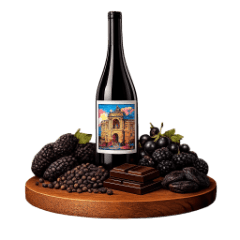
Odesa Black Red
This Ukrainian powerhouse brings the drama with flesh as dark as its skin. It is like sipping on a brooding mystery wrapped in spices, delivering a punch of dark fruit that stains your teeth and soul.
This Ukrainian powerhouse brings the drama with flesh as dark as its skin. It is like sipping on a brooding mystery wrapped in spices, delivering a punch of dark fruit that stains your teeth and soul.
This Ukrainian powerhouse brings the drama with flesh as dark as its skin. It is like sipping on a brooding mystery wrapped in spices, delivering a punch of dark fruit that stains your teeth and soul.
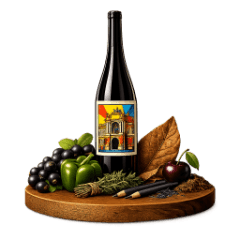
Odesa Cabernet Sauvignon
Grown on the sundrenched steppes near the coast, Cabernet Sauvignon here takes on a distinct savory edge. It swaps the polite French attitude for a rugged, wind-swept intensity that packs a serious herbal punch.
Grown on the sundrenched steppes near the coast, Cabernet Sauvignon here takes on a distinct savory edge. It swaps the polite French attitude for a rugged, wind-swept intensity that packs a serious herbal punch.
Grown on the sundrenched steppes near the coast, Cabernet Sauvignon here takes on a distinct savory edge. It swaps the polite French attitude for a rugged, wind-swept intensity that packs a serious herbal punch.
LATEST REVIEWS